
Beagles are well-known for their playful and energetic nature, making them a favorite among pet owners. Their strong hunting instincts drive this behavior, as they were bred to track and pursue small animals. This instinct makes them delightful companions, but it’s also important to manage their need to chase to keep them safe.
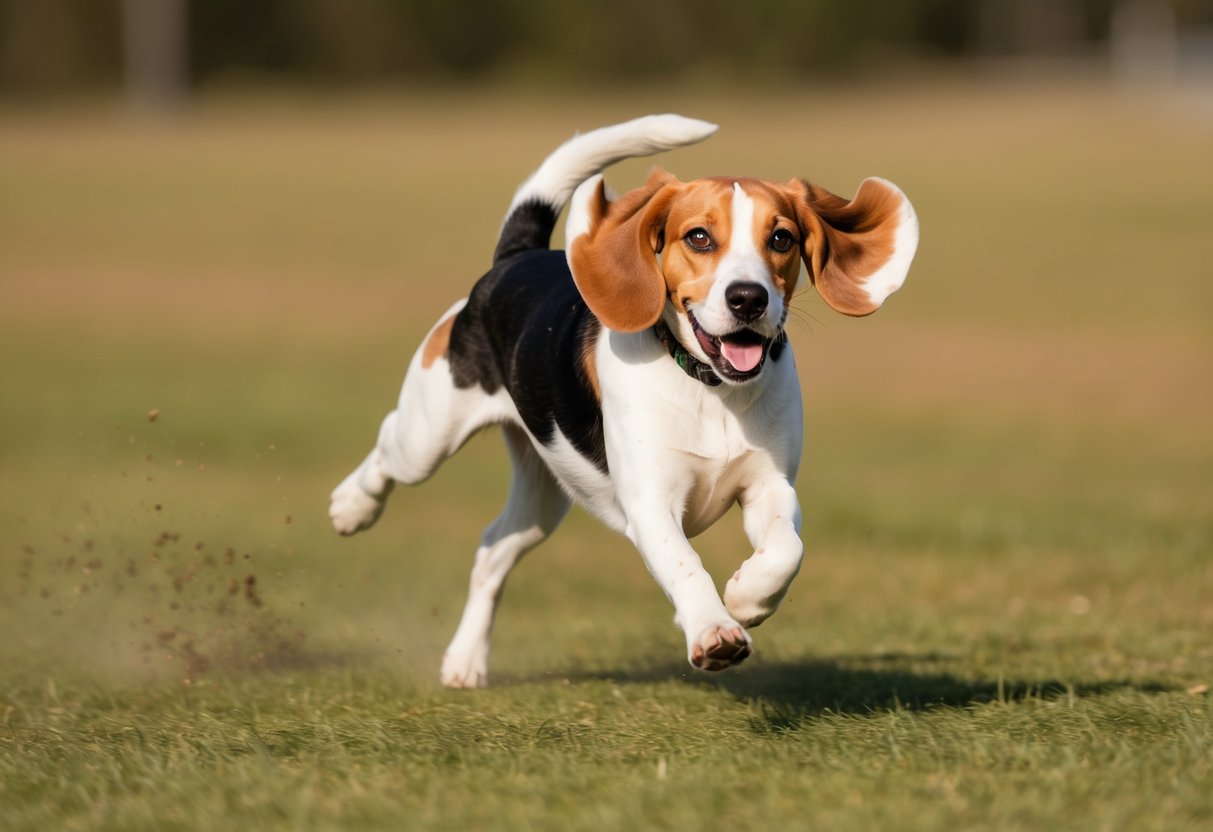
If you have a beagle, you might notice them dashing after anything that moves. Whether it’s a squirrel in the yard or a ball during playtime, their enthusiasm for chasing is hard to resist. Understanding this behavior can help you create fun activities that channel their energy while ensuring they stay engaged and happy.
Embracing your beagle’s natural instincts can lead to great bonding experiences. With the right approach, you can provide a playful setting that allows your pet to explore, run, and enjoy life to the fullest.
Beagle Traits and Hunting Instincts
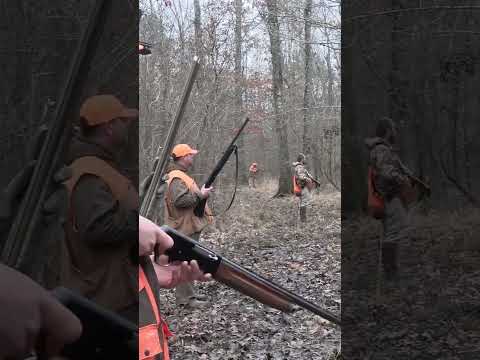
Beagles have distinct traits and strong instincts that make them excellent hunting companions. Their abilities center around their keen sense of smell and natural drive to chase, which enhance their effectiveness in the field.
Understanding the Beagle’s Natural Instincts
Your Beagle’s hunting instincts are deeply rooted in its DNA. Bred originally to hunt small game, they love to track scents and chase animals. Beagles can pick up smells that are invisible to you thanks to their powerful sense of smell.
When they catch a scent, their instinct kicks in, and they may run off to chase it, whether it’s squirrels, rabbits, or even birds. This natural instinct for hunting means they thrive on activities that allow them to use their noses.
You might notice your Beagle sniffing around during walks, showing off their remarkable tracking skills. Keeping them engaged in scent work or play can help channel those instincts positively.
Comparing Beagles to Other Hunting Dogs
When you think about hunting dogs, Beagles stand out for their specific traits. Unlike larger breeds, they are small and agile. This allows them to navigate through dense thickets while tracking scents.
Other hunting dogs, like Bloodhounds or German Shorthaired Pointers, have different strengths. For example, Bloodhounds excel in tracking due to their incredible sense of smell, while German Shorthaired Pointers are great for versatile hunting.
Beagles, however, are particularly well-suited for hunting small game. They work well in packs and are known for their loud barks, alerting you to their discoveries. With their friendly nature, they also make loving family pets, balancing work and companionship.
Training and Exercising Your Beagle
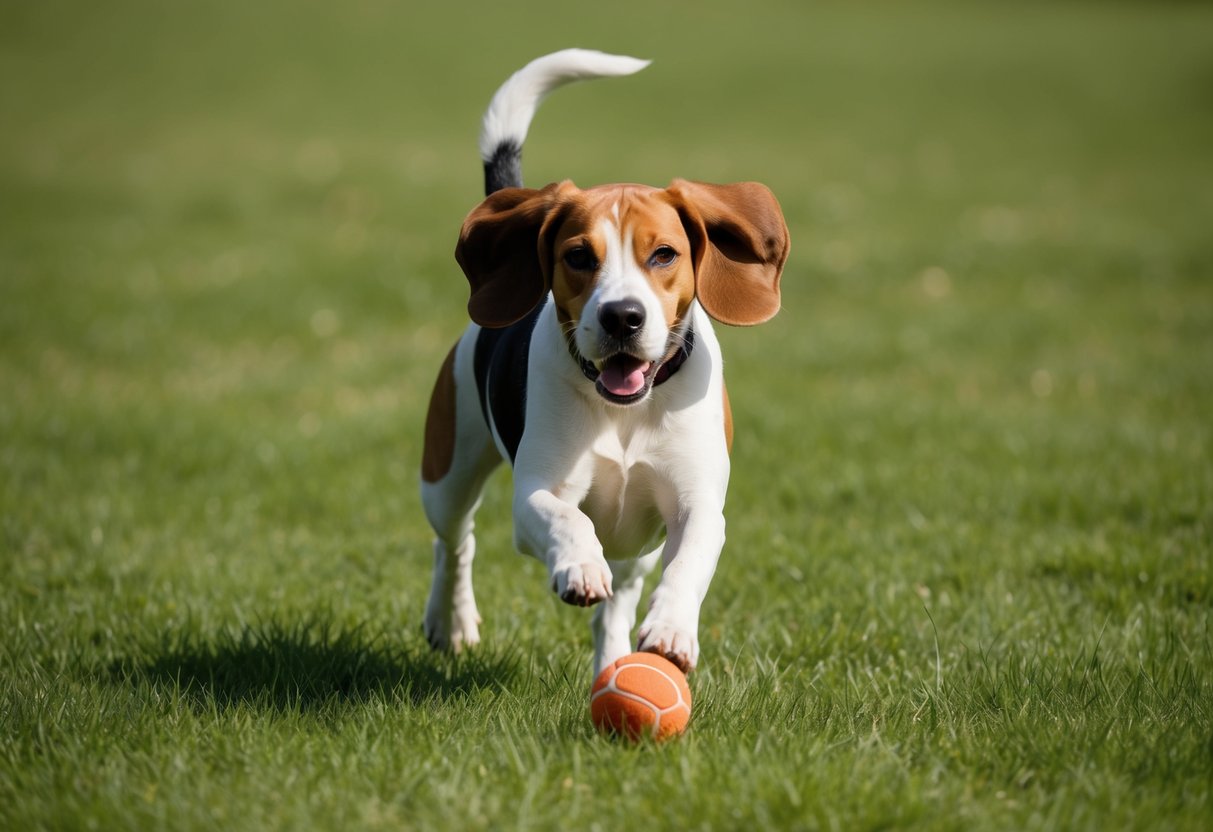
Training and exercise are essential for keeping your Beagle happy and healthy. With their strong instincts to chase and explore, proper training can help manage their energy and ensure they stay safe.
The Importance of Training for Beagles
Training is crucial for Beagles because they can easily get distracted by scents and sounds. Since they love to chase, you might find them running away if they catch a whiff of something interesting. Start training early to instill good habits.
Use a firm but gentle approach. Reward your Beagle with treats and praise when they listen to commands. Consistent training helps them learn boundaries and improves their behavior.
Remember to keep training sessions short but frequent. Aim for 5 minutes of training for each month of your Beagle’s age, up to twice a day. This method will keep their attention and make learning fun.
Physical and Mental Stimulation for Beagles
Beagles need both physical and mental stimulation. They are active dogs that require at least 60-90 minutes of exercise each day. This can be a mix of walks, playtime, and opportunities to run. Regular exercise prevents boredom and keeps your Beagle content.
Incorporate games that stimulate their mind, like hide and seek or puzzle toys. Beagles love sniffing and searching, so consider training them to find hidden treats. These activities challenge their intelligence and harness their natural instincts.
Engaging in regular exercise and training helps to reduce unwanted behaviors like jumping or excessive barking. Establish a routine to ensure your Beagle gets the right amount of attention and activity.
Behavioral Tendencies of Beagles
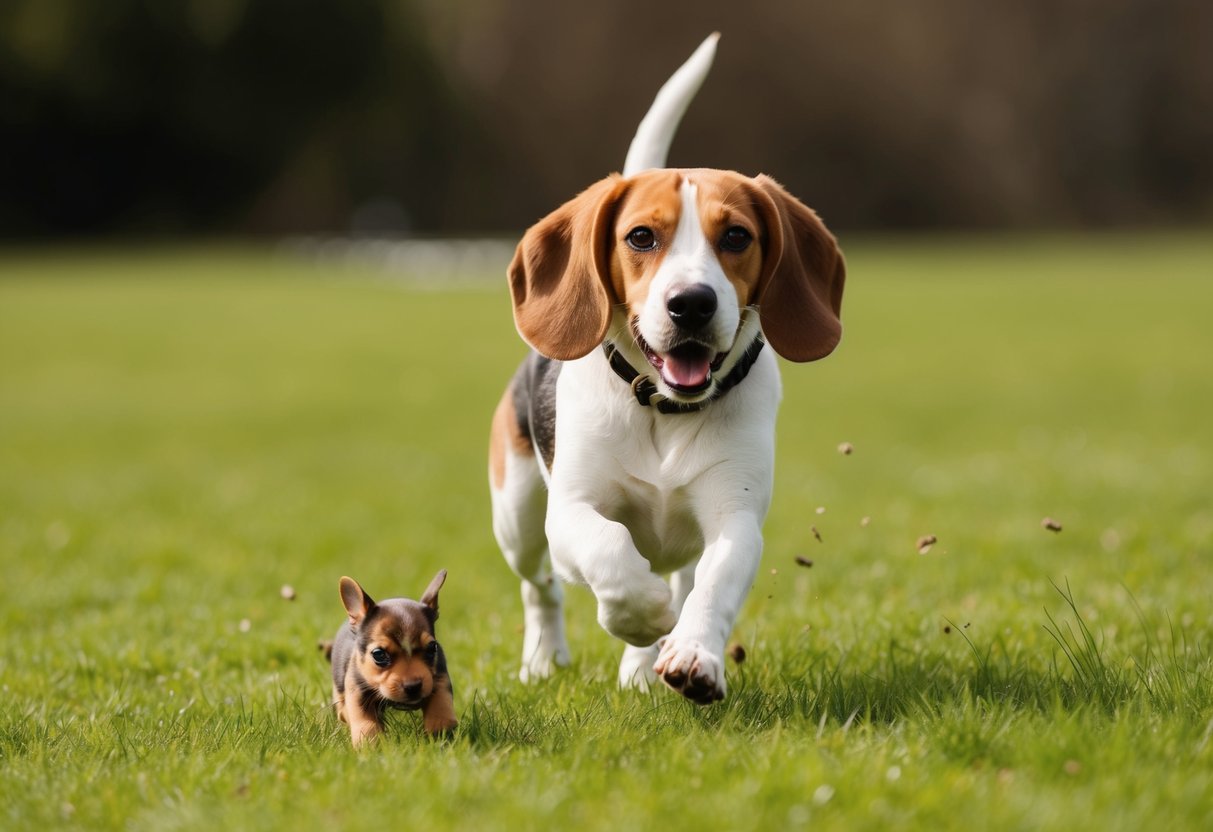
Beagles are known for their unique habits and love for exploration. Understanding their behavioral tendencies can help you create a happier and more fulfilling environment for your furry friend.
The Chase: Why Beagles Love to Pursue
Beagles have a strong instinct to chase. This behavior comes from their history as hunting dogs. Their keen sense of smell makes them natural trackers.
When they catch a scent, they often take off in pursuit. This instinct is hardwired, and it provides them with immense joy. You might notice your Beagle chasing squirrels, birds, or even leaves blowing in the wind.
To satisfy this urge, regular playtime is essential. Engaging in activities like fetch or agility games can help. It’s important to provide a safe space for them to run and explore, so they don’t stray too far.
Social Behavior and Loneliness
Beagles are social animals and thrive on companionship. Being alone for long periods can lead to anxiety and destructive behaviors, such as chewing furniture or digging. They often express this distress through barking or howling.
To help your Beagle feel secure, consider getting another pet for companionship. If that’s not possible, try interactive toys and puzzles to keep them entertained.
Regular play dates with other dogs can also benefit their social skills. This interaction reduces feelings of loneliness and provides a constructive outlet for their energy. Remember, a happy Beagle is a well-socialized one!
Caring for Your Beagle
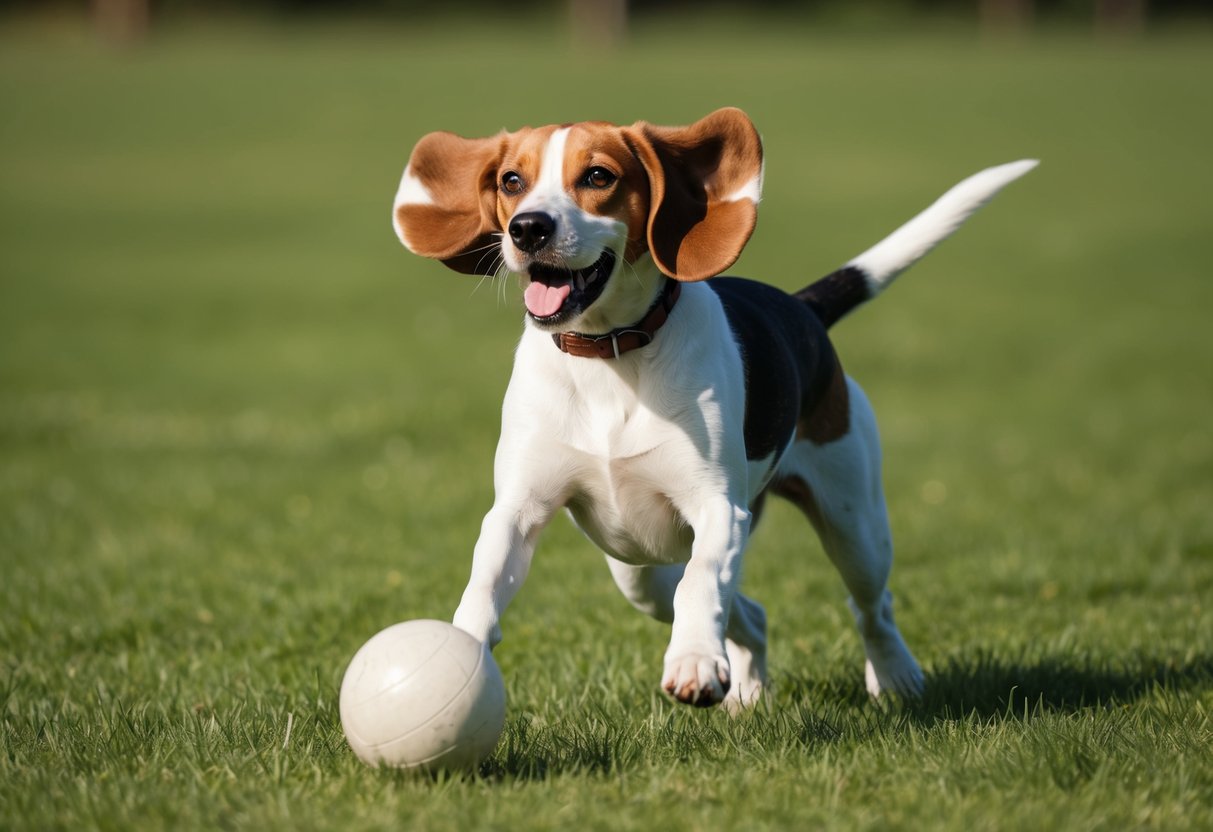
Taking care of your beagle involves attention to their diet and ensuring their safety. Understanding their preferences and needs will help you keep them healthy and happy.
Dietary Needs and Preferences
Your beagle’s diet plays a significant role in their health. Beagles need high-quality dog food. Look for options rich in protein. This supports their energy, especially since they love to chase.
Treats can also be a great way to reward them during training. Just make sure they are low in calories, as beagles tend to gain weight easily.
Some preferred foods include:
- Protein sources like chicken or fish
- Whole grains like brown rice
- Vegetables such as carrots or peas
Always provide fresh water. Be sure to read labels for ingredients and avoid fillers. A balanced diet keeps your beagle active and ready for playtime.
Safety Concerns: Preventing Escapes and Injuries
Beagles have strong instincts to chase. They might run after deer, coyotes, or smaller animals like squirrels. To keep them safe, use a sturdy leash during walks.
Consider a fenced yard with high walls. Beagles can jump or dig, so make sure it’s secure. Supervise them outdoors to prevent escapes. If you don’t have a fence, a long leash or a dog run can be helpful.
Tips to ensure safety include:
- Train recall commands
- Use a harness for better control
- Avoid off-leash areas where they could wander
Keeping these safety measures in mind helps protect your beagle from potential dangers like bobcats or foxes in the area.


