
Beagles are known for their curious nature and friendly demeanor. When your Beagle stares at you, it often means they are trying to communicate or seek your attention. This behavior can be a sign of affection, as dogs release oxytocin during eye contact, strengthening your bond.

Understanding your Beagle’s stare can help you respond to their needs better. It may also reveal aspects of their behavior that are linked to their instincts as hunting dogs. When they lock eyes with you, it’s not just about wanting something; it’s a way for them to interact with you and express their feelings.
So, the next time your Beagle stares at you with those big, soulful eyes, remember that this is their way of reaching out and connecting. Whether they’re looking for a little love or simply wanting to share a moment with you, that gaze carries a lot of meaning.
Understanding Beagle Staring Behavior
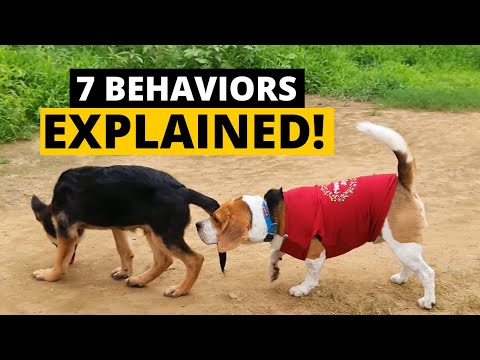
Beagles often stare at you for various reasons, and understanding this behavior can strengthen your bond. It can show their emotional needs or even signal health concerns. Here’s a closer look at how eye contact communicates and what might drive your Beagle to stare.
Communication Through Eye Contact
Eye contact can be a strong form of communication for Beagles. When your Beagle gazes at you, they might be trying to connect emotionally. This behavior might indicate they seek attention or affection.
Beagles are known for their friendly nature. When they maintain eye contact, it often means they trust you and want your engagement.
Additionally, your reaction to their gaze plays a role. If you respond positively, they might associate staring with getting what they want, whether it’s a treat or a cuddle. This concept relates to positive reinforcement, where the behaviors you reward become more frequent.
Common Reasons for Staring
There are several reasons why your Beagle might be staring at you. One common reason is seeking attention. Beagles learn that eye contact often leads to interaction, so they may just want you to play with them or give them some pets.
Another reason is begging. If your Beagle looks at you while you eat, they might be hoping for some food!
Sometimes, staring can indicate discomfort or health concerns, such as pain. If their gaze seems unusual or persistent, consult your veterinarian.
Lastly, Beagles may also stare if they are resource guarding something valuable to them. Being aware of these signs can help you better understand your Beagle’s needs.
Responding to a Staring Beagle

When your Beagle stares at you, it is important to understand what that gaze means. You can respond positively to strengthen your bond or train against unwanted stares when necessary. Here are some ways to handle this behavior effectively.
When to Give Attention
Your Beagle’s stare is often a call for attention. If your dog is staring during playtime, mealtime, or when you are relaxing together, this likely means they want interaction.
When you notice your Beagle staring with bright eyes, consider engaging with them. You can respond with a gentle pat, a treat, or even a new chew toy. Recognizing their need for connection helps build a trusting relationship.
If your Beagle stares after ignoring commands, be aware that they might be testing boundaries. In these cases, redirect them back to the task at hand with clear commands and rewards for compliance. This approach promotes positive reinforcement and encourages them to follow your lead while reducing excessive barking.
Training Against Unwanted Staring
Sometimes, your Beagle may stare too much, which can lead to bad habits. If their staring turns into something more demanding, it’s essential to train them to stop.
Start by using a firm “no” when they stare excessively or when it interrupts your daily life. Positive reinforcement is key. When your Beagle looks away or stops staring, reward them with a treat or praise. This teaches them that looking elsewhere is appreciated.
Incorporate chew toys during these moments to redirect their focus. Keeping their minds engaged can lessen unwanted stares. Consistent training will help them learn when attention is appropriate and when it’s time to relax. Stay patient, as behavior change takes time.
Behavioral Issues and Remedies

Beagles are known for their playful nature, but sometimes their behavior can become challenging. Understanding how to address these issues will help you create a happier environment for both you and your Beagle.
Dealing with Problematic Behaviors
Beagles may develop behaviors like excessive barking, whining, or even digging. Recognizing these signs is the first step to managing them.
- Barking: If your Beagle barks a lot, try not to react to the sound. Wait for a quiet moment and reward that with a treat. This reinforces positive behavior.
- Whining and Howling: These sounds can indicate discomfort or a desire for attention. Make sure your Beagle is comfortable and has enough mental stimulation.
- Jumping and Pulling: When your Beagle jumps on you or pulls on the leash, stay calm. Teach them to sit or stay when they greet you.
By addressing these behaviors early, you can prevent them from becoming a habit.
Effective Training Techniques
Training your Beagle requires patience and consistency. Using effective methods will help mitigate unwanted behaviors.
- Positive Reinforcement: Always reward good behavior with treats or praise. This makes your Beagle more likely to repeat those actions.
- Scheduled Training Sessions: Regular training times can help your Beagle learn commands. Start with simple commands like “sit” or “stay.”
- Physical and Mental Stimulation: Engage your Beagle with toys or activities to keep their mind sharp. Regular walks help to alleviate energy that may lead to biting or digging.
Setting a routine and being consistent with your training will strengthen your bond and improve your Beagle’s behavior.


