
If you’re wondering about your Beagle’s biting behavior, you’re not alone. Many potential Beagle owners have similar concerns. Beagles do bite, but they usually bite due to factors like fear, playfulness, or teething rather than aggression. Understanding these reasons can help you manage their behavior effectively.
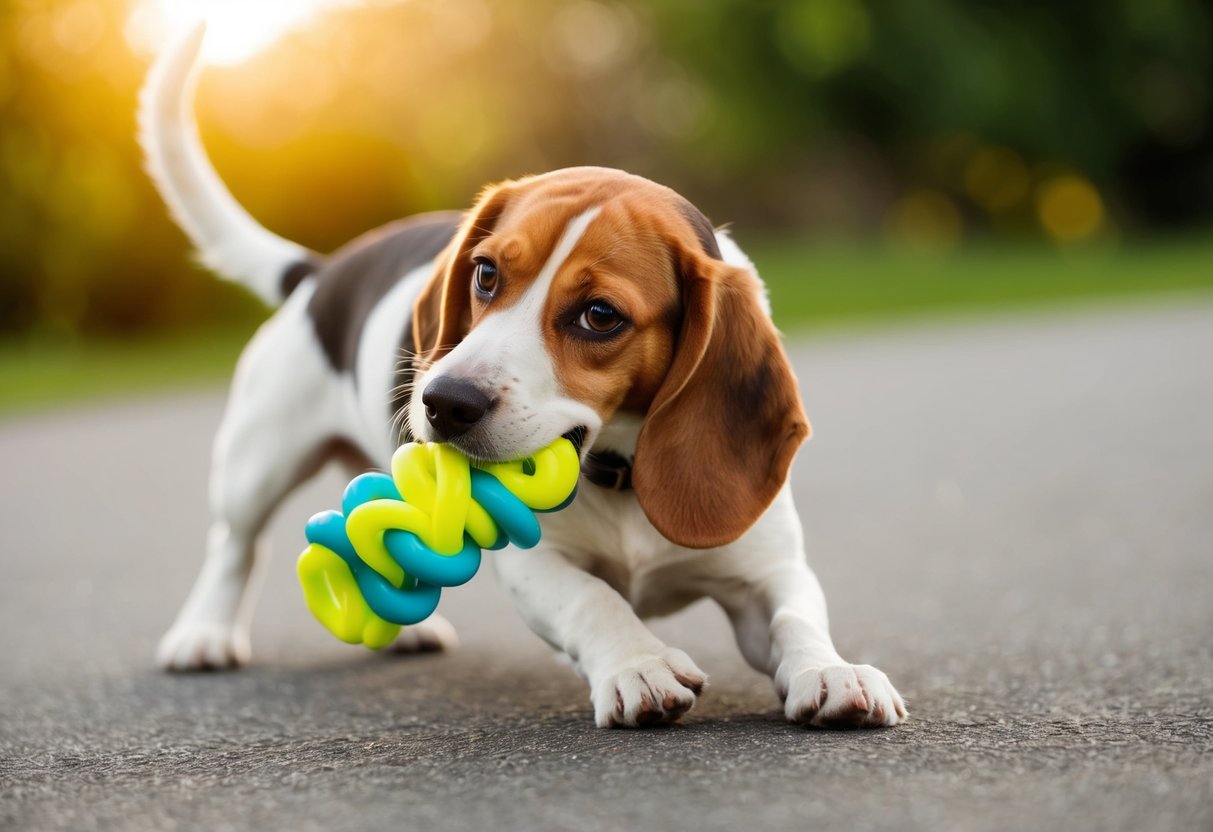
These friendly dogs are known for their curious and playful nature, which can lead to some nipping, especially in puppies. It’s essential to recognize the context of the biting, as Beagles, like any breed, communicate in various ways.
You can learn to identify when your Beagle is feeling uncomfortable or just playing, which can help you respond appropriately.
Training and socialization play key roles in minimizing unwanted biting. By guiding your Beagle from a young age, you can teach them bite inhibition and proper play behavior.
Keep reading to discover more about why Beagles bite and how to address this behavior effectively.
Understanding Beagle Behavior
Beagles are known for their friendly nature, but understanding their behavior is crucial for a happy and safe home. Factors such as socialization and temperament influence how they interact with people and other pets.
Knowing the signs of aggressive behavior can help you manage and prevent any issues.
Socialization and Its Impact
Socialization plays a key role in how your Beagle behaves. When Beagles are exposed to various people, pets, and environments at a young age, they learn to adapt. This helps them become well-rounded family pets.
A lack of socialization can lead to fear or anxiety, increasing the chances of aggressive behavior.
Make sure to expose your Beagle to different settings and experiences. This could include outings to parks, meeting other dogs, or visiting friends’ homes. Positive experiences build their confidence and help them interact better with the world around them.
Typical Beagle Temperament
Beagles are generally known for their friendly and curious disposition. They are loyal, intelligent, and love being part of the family. Their playful nature often makes them great companions for children.
Due to their hunting history, they may also have a stubborn streak. This can sometimes lead to challenges during training.
Consistent, positive reinforcement works best for Beagles. Be ready to invest time and patience in your training efforts to ensure they grow into well-behaved dogs.
Signs of Aggressive Behavior
While Beagles are usually gentle, certain signs can indicate aggressive behavior. If your Beagle displays growling, snapping, or showing teeth, it’s essential to address the issue promptly.
Understanding the cause is critical. Sometimes, aggressive behavior is rooted in fear, lack of socialization, or discomfort.
If your Beagle behaves aggressively, consider consulting a professional trainer. Early intervention can help correct their behavior and create a more harmonious household.
Navigating Puppyhood

Puppyhood is a crucial time for Beagles. During this stage, you will encounter biting behaviors related to teething, exploration, and learning social cues. Understanding these behaviors can help you manage and guide your Beagle’s actions effectively.
The Teething Phase
Teething is a natural phase for puppies. Beagles typically begin to teeth around 3 to 6 months old. During this time, they may chew or nibble more than usual to relieve discomfort.
You might notice your Beagle gnawing on furniture or shoes. This behavior can be frustrating, but it’s important to redirect that energy.
Providing safe chew toys can help satisfy their urge to bite while protecting your belongings. Remember to supervise your puppy closely. This ensures they chew on appropriate items and not harmful ones.
Chewing is part of their exploration, so patience is key.
Bite Inhibition Training
Bite inhibition is about teaching your Beagle how to control their bite. Puppies learn this mainly through play with their littermates. When they bite too hard, their siblings often yelp, signaling that it hurt.
To teach bite inhibition, encourage gentle play. If your Beagle bites too hard during play, immediately stop the game. This teaches them that hard bites lead to less fun.
You can also use positive reinforcement. Praise your Beagle when they play gently. Relying on treats or affection can help your puppy understand the difference between gentle play and biting too hard.
Effective Training Techniques
Using effective training techniques is vital for managing biting behaviors. Start with consistency. Always respond the same way when your Beagle bites too hard. This helps them learn the rules.
Positive reinforcement training works wonders. Reward your puppy with treats or praise when they choose not to bite. This encourages good behavior over time.
Incorporating interactive toys can also help. Toys that require gentle play can shift their focus from biting you to playing appropriately.
Establishing a routine in training helps your puppy understand expectations. Consistent guidance will shape your Beagle’s behavior positively during these important formative months.
Preventing and Managing Biting Incidents

Understanding how to prevent and manage biting incidents is key to having a happy, safe relationship with your Beagle. You’ll learn how to handle separation anxiety, address possessiveness, and know when to seek professional help. These strategies will help reduce the chances of biting and make your Beagle feel more secure.
Dealing With Separation Anxiety
Separation anxiety can lead to biting if your Beagle feels stressed when left alone. It’s important to gradually train your dog to be comfortable when you’re away.
Start by leaving your Beagle alone for short periods. As your dog becomes more comfortable, slowly increase the duration.
Provide toys that encourage independent play. Using puzzle toys can keep them engaged while you’re gone.
Creating a safe and cozy space can also help. This could be a small room or a crate where they feel secure.
Addressing Possessiveness and Resource Guarding
Beagles can sometimes exhibit resource guarding, which might lead to biting when they feel threatened. This behavior often stems from a need to protect toys, food, or even people.
To address this, use positive reinforcement training. Reward your Beagle for sharing or allowing you to approach their toys.
Practicing “leave it” commands can teach them not to guard items too fiercely.
Always ensure you approach your dog calmly and confidently. This reassurance helps lower their anxiety levels during these situations.
When to Seek Professional Help
If your Beagle’s biting behavior continues despite your efforts, it may be time to seek professional help. A trained dog professional, such as a dog trainer or behaviorist, can provide tailored advice and strategies.
They can assess aggressive biting or territorial behavior and develop a customized training plan.
Look for professionals with experience in positive reinforcement techniques.
This approach fosters a trusting relationship between you and your dog, which is crucial for successful training.
Comparative Bite Force and Dog Breeds
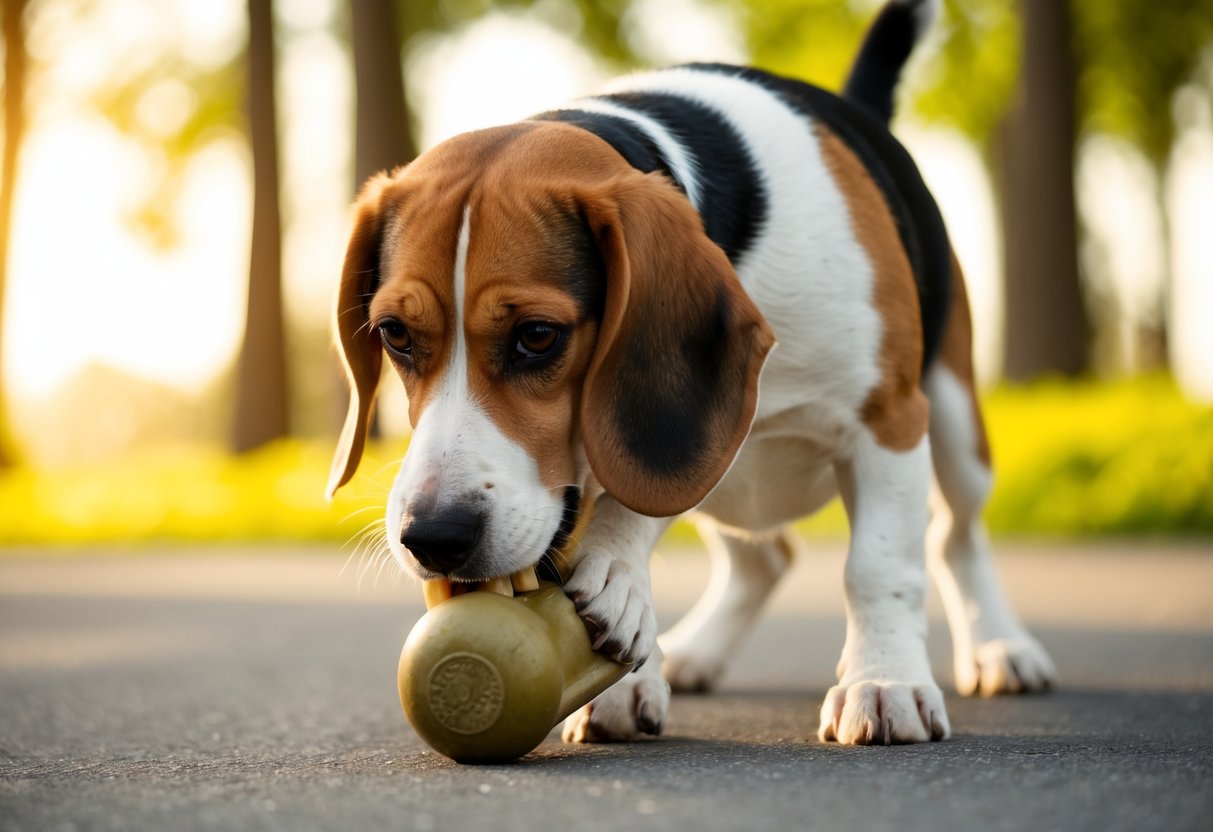
Comparing different dog breeds helps us understand bite force. Bite force is often measured in PSI (pounds per square inch), indicating how much pressure a dog’s bite can exert.
Beagles have a bite force typically around 100-200 PSI. While firm, this strength is much less than more aggressive breeds.
For comparison, the Kangal Shepherd is known for having one of the highest bite forces, reaching up to 743 PSI. This breed’s powerful jaws and bite enable them to protect livestock effectively.
Here’s a brief look at bite force for some popular breeds:
- Beagle: 100-200 PSI
- German Shepherd: 238 PSI
- Rottweiler: 328 PSI
- Kangal Shepherd: 743 PSI
A dog’s bite force doesn’t solely determine aggressiveness. For example, beagles are friendly dogs and not usually prone to true aggressive biting. Their bite is mainly used for gnawing or playing. In contrast, breeds like the Kangal Shepherd have a strong bite to deter threats.
Always remember, the way a dog is raised and trained largely shapes its temperament. Understanding each breed’s characteristics helps in choosing the right pet for your home.


