
Beagles are known for their friendly nature, but they can also show surprising possessiveness. This possessiveness often stems from their instinctual behavior as pack animals, where they guard resources like food and toys to ensure survival.
You may notice your beagle growling over a favorite bone or keeping watch over their toys, which can be puzzling for many owners.

Understanding why your beagle acts this way can help you manage their behavior effectively.
Possessiveness in beagles can lead to resource guarding, which is a natural instinct. By learning more about these behaviors, you can create a happier and safer environment for both you and your furry friend.
In this article, you will discover the reasons for your beagle’s possessive tendencies and practical tips to help address these behaviors.
Whether you are a new beagle owner or have had your pup for years, navigating their possessiveness can strengthen your bond and ensure a well-balanced relationship.
Understanding Beagle Behaviour

Beagles have unique behaviors shaped by their instincts and communication styles. It’s essential to recognize these traits to better understand why your beagle may act possessively.
Natural Instincts and Resource Guarding
Beagles are naturally driven by their instincts. They were bred as hunting dogs, which makes them alert and protective of their finds. This instinct can lead to resource guarding.
Resource guarding happens when your beagle perceives something as valuable, like food or toys. They might growl or even snap if they feel their prize is threatened. This behavior isn’t about dominance; it’s a way for them to secure what they see as important.
To manage this, make sure to remove tempting items that your beagle might guard.
Training your beagle to be comfortable with sharing can help reduce possessiveness. Use positive reinforcement to encourage good behavior around resources.
Communication Through Body Language and Vocalization
Understanding your beagle’s body language is crucial. They communicate their feelings through posture and facial expressions.
For example, a stiff body and direct stare may signal that your beagle is on alert or feeling protective.
Vocalizations like barking and baying are also significant. Beagles may bark when they want your attention or feel uneasy. Growling can indicate discomfort or a warning to back off. Recognizing these signals helps you respond appropriately.
Pay attention to what your beagle tries to communicate. This can guide you in training and managing possessive behaviors. Creating a safe and secure environment allows your beagle to feel more relaxed.
Training and Socialization

Training and socialization are key steps in helping your Beagle develop good behavior. When you focus on these areas, you help your dog become well-adjusted and less possessive.
This section covers the significance of early socialization, effective training techniques, and the role of a professional dog trainer.
Importance of Early Socialization
Starting socialization early is crucial for Beagles. Begin exposing your puppy to different people, pets, and environments around 7-8 weeks old.
This exposure allows your Beagle to learn how to interact positively with others.
Socialization helps reduce fear-based possessiveness. When your Beagle meets various animals and people, they develop trust and confidence. Positive experiences during these encounters lead to a more balanced adult dog. A well-socialized Beagle is less likely to see resources like toys or food as something to guard.
Effective Training Techniques
Using effective training techniques makes a big difference. Focus on positive reinforcement to encourage good behavior.
Praise, treats, and playtime can motivate your Beagle to learn commands and behaviors.
In addition to basic obedience training, teach your Beagle to share. Play games like “drop it” or “leave it” during training sessions. These activities help your dog understand that sharing isn’t a threat.
Consistency and patience are important, so practice regularly to reinforce lessons.
Role of a Dog Trainer
If you find training your Beagle challenging, consider working with a professional dog trainer.
A dog trainer has the experience to teach specific behaviors and socialization skills effectively.
They can create a tailored training plan based on your Beagle’s needs. Trainers often teach you essential techniques that benefit both you and your dog.
Working with a professional can help prevent possessiveness and other behavioral issues from developing. With guidance, your Beagle can become a well-mannered and confident companion.
Dealing with Possessive Behaviors
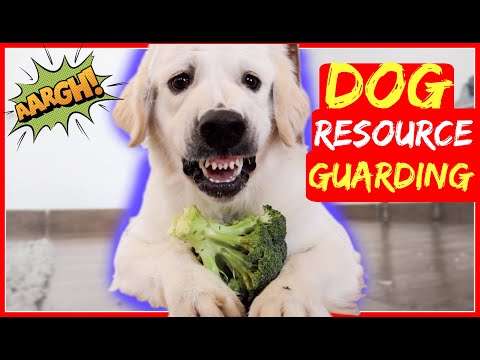
Understanding how to address your beagle’s possessive behaviors is key to creating a safe environment for you and your dog.
By recognizing signs of food aggression, managing aggressive responses, and preventing negative behaviors, you can help your beagle feel more secure and relaxed.
Signs of Food Aggression
Food aggression often appears when your beagle feels threatened during meal times. You may notice your dog growling, snapping, or even biting if someone gets too close while they’re eating.
Look for these signs:
- Growling: A warning to back off.
- Snapping: Quick movements toward anyone approaching.
- Stiff posture: Signals your beagle is tense and protective.
If your dog begs or jumps around during meals, it might also indicate possessiveness. Recognizing these signs early can help you address the behavior before it escalates.
Managing Aggressive Responses
To deal with aggressive responses, use positive reinforcement techniques.
Start by providing space during feeding times. Use a specific area or room where your beagle can eat without interferences.
If your dog shows aggressive behavior:
- Stay calm: Don’t yell or punish; it may scare your dog.
- Redirect attention: Use treats or toys to distract them.
- Reward calmness: Praise when they relax in your presence while eating.
Gradually, your beagle will learn that you are not a threat and can be trusted around their food and toys.
Preventing Negative Behaviors
Preventing possessive behaviors includes teaching your beagle boundaries. Establishing rules early helps them understand what is acceptable.
Try these strategies:
- Desensitization: Gradually expose your beagle to your presence while they eat without reacting aggressively.
- Resource management: Remove food or toys after play to prevent guarding.
- Training sessions: Teach commands like “leave it” or “drop it” to minimize possessiveness over objects.
Taking these steps can reduce possessive tendencies and create a calmer atmosphere for you and your beagle.
Maintaining Your Beagle’s Well-Being

Taking care of your beagle’s well-being is essential for a happy and healthy life.
Focus on giving them regular exercise and helping them cope with any anxiety they might feel.
Regular Exercise and Mental Stimulation
Beagles are active dogs that require daily exercise. Aim for at least 1 hour of physical activity each day.
This can include walks, playtime in the yard, or trips to the dog park.
Along with exercise, mental stimulation is crucial. Use toys that challenge your beagle’s mind, like puzzle toys or treat dispensers.
You can also teach new tricks or engage in scent games since beagles are very curious.
Routine is important, too. Establish a consistent schedule for walks and playtime. This helps your beagle know what to expect each day, reducing stress and keeping them mentally sharp.
Addressing Separation Anxiety
Beagles can experience separation anxiety, which makes them feel uneasy when you leave. To help with this, gradually get your beagle used to alone time.
Start by leaving them for short periods and gradually increase the time away.
Using positive reinforcement can also help. Treats and praise can create positive associations when you leave and return. This builds their confidence and reduces anxiety.
Consider creating a cozy space for your beagle when you are not home. A favorite blanket or toy can provide comfort.
Playing soft music or leaving a TV on can also help ease their worries when you’re not around.


