
If you have a boxer dog, you know they can be full of energy and excitement. While their playful nature is charming, it can sometimes lead to anxious or overly hyper behavior. You can use techniques like consistent training, regular exercise, and creating a calm environment to calm down a boxer dog. These strategies can help your dog feel more relaxed and secure.
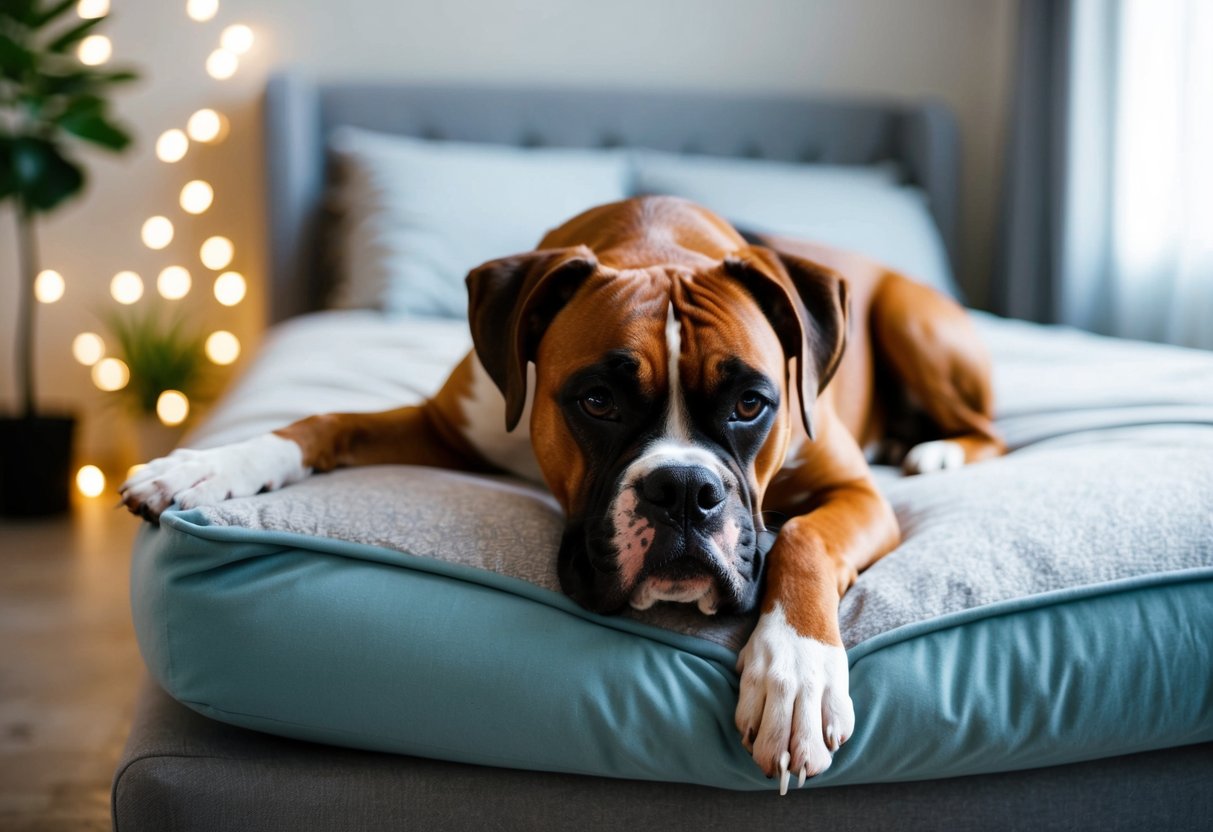
Boxers are known for their loyalty and enthusiasm, but this can also mean they need a little extra help finding their chill. Understanding their needs and knowing how to respond can make a significant difference. By incorporating a few simple tips, you can help your boxer settle down and enjoy their time with you even more.
Your relationship with your boxer can improve tremendously when they are calm and well-adjusted. Stress and anxiety in dogs can lead to unwanted behaviors, so it’s essential to address these issues early on. Exploring effective ways to calm your boxer will not only benefit your dog but also create a more peaceful home for you both.
Understanding Boxer Dogs

Boxers are known for their distinctive traits and lively personalities. Understanding their characteristics and behaviors can help you manage their high energy levels and playful nature effectively.
Characteristics of Boxers
Boxers are medium to large-sized dogs with a strong and muscular build. They have a short coat that is easy to maintain. Their expressive faces, featuring a broad muzzle and large, dark eyes, give them a friendly appearance.
These dogs are known for their boundless energy. From a young age, boxers are playful and often retain their enthusiasm well into adulthood. It’s typical for boxers to require regular exercise and mental stimulation to stay happy.
You may notice that your boxer has a protective nature. They are loyal companions and usually bond closely with their families. Boxers thrive in an environment where they can be active and engaged.
Common Behavioral Traits
Boxers exhibit several behavioral traits that are important to recognize. First, they are very playful. You can expect lots of running, jumping, and engaging in games.
They can also be quite stubborn at times. Early training and consistent boundaries can help guide their behavior. Remember, boxers respond best to positive reinforcement techniques.
Another common trait is anxiety in certain situations. Understanding what triggers your boxer’s anxiety can be helpful. Providing a calm environment and using calming tools can assist in easing their stress.
Boxers are social animals and usually enjoy the company of other pets and people. They can be very affectionate and often seek your attention and companionship. Keeping them mentally stimulated will help reduce unwanted behaviors associated with boredom.
Essential Training Techniques
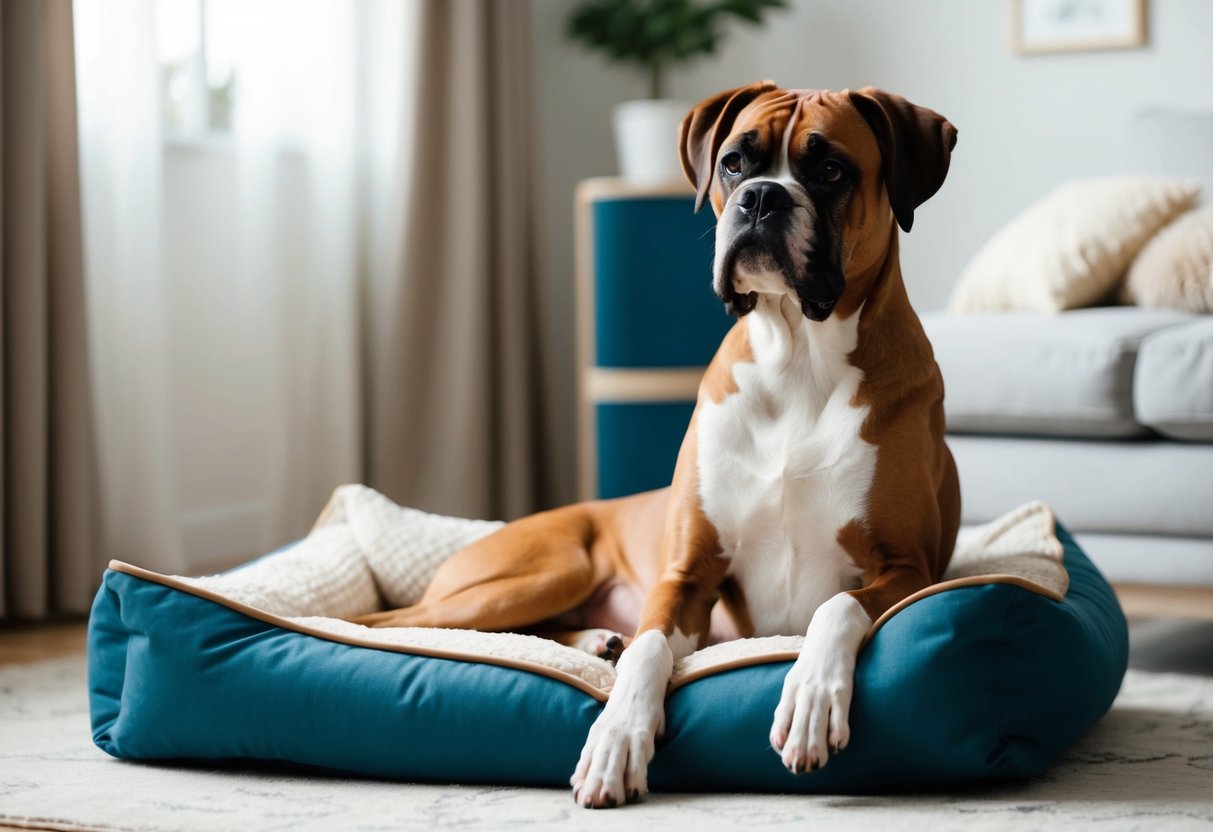
Training your Boxer dog can greatly improve their behavior and help them stay calm. Two key methods that work well are positive reinforcement training and establishing a routine.
Positive Reinforcement Training
Using positive reinforcement is a great way to encourage good behavior in your Boxer. This method focuses on rewarding your dog for doing what you want, rather than punishing them for mistakes.
Tips for Positive Reinforcement:
- Use Treats: Offer small, tasty treats when your dog follows commands like “sit” or “stay.”
- Praise: Give lots of praise and petting when they behave well. Your approval means a lot to them.
- Be Consistent: Always reward the same behavior. This helps your dog understand what you expect.
Over time, your Boxer will learn to associate good behavior with positive outcomes. This training technique builds trust and makes your dog more well-behaved.
Establishing Routine
Creating a daily routine is important for your Boxer’s comfort and behavior. Dogs thrive on structure, which can help reduce anxiety and improve calmness.
Key Elements of a Routine:
- Set Feeding Times: Feed your dog at the same times each day. This helps them know what to expect.
- Regular Exercise: Schedule daily walks and playtime to burn off excess energy. This keeps them healthy and happy.
- Consistent Training Sessions: Include short training sessions in your routine. Regular practice helps reinforce commands and reduces hyperactivity.
Following a routine will give your Boxer a sense of stability. It also helps them feel more relaxed and secure in their environment.
Creating a Calm Environment

A calm environment is essential for helping your boxer dog feel relaxed. Focus on providing mental stimulation and managing hyper behavior to create a serene space for your pup.
Mental Stimulation and Toys
Engaging toys play a big role in keeping your boxer mentally stimulated. Consider using interactive toys that challenge their problem-solving abilities. Puzzle toys or treat-dispensing options can keep their minds busy for an extended period.
You can also hide treats around your home and encourage your boxer to find them. This turns playtime into a fun scavenger hunt. Rotate toys regularly to maintain your dog’s interest.
Incorporating brief training sessions can also help. Teaching commands like “sit” and “stay” reinforces positive behavior. Using methods of positive reinforcement during these sessions helps your boxer learn effectively.
Managing Hyper Behavior
Managing hyper behavior is crucial, especially if your boxer gets overly excited. Create a space where your dog can enjoy time-outs when needed. A puppy pen can be beneficial, as it gives your boxer a safe area to calm down without feeling punished.
Set consistent routines for feeding, playtime, and walks. Predictable schedules can help your dog know what to expect, reducing anxiety.
During hyper moments, redirect your boxer’s energy with a game or exercise. Short bursts of play can help burn off excess energy. After play, use quiet time to relax, reinforcing that calm behavior is expected.
Additional Considerations
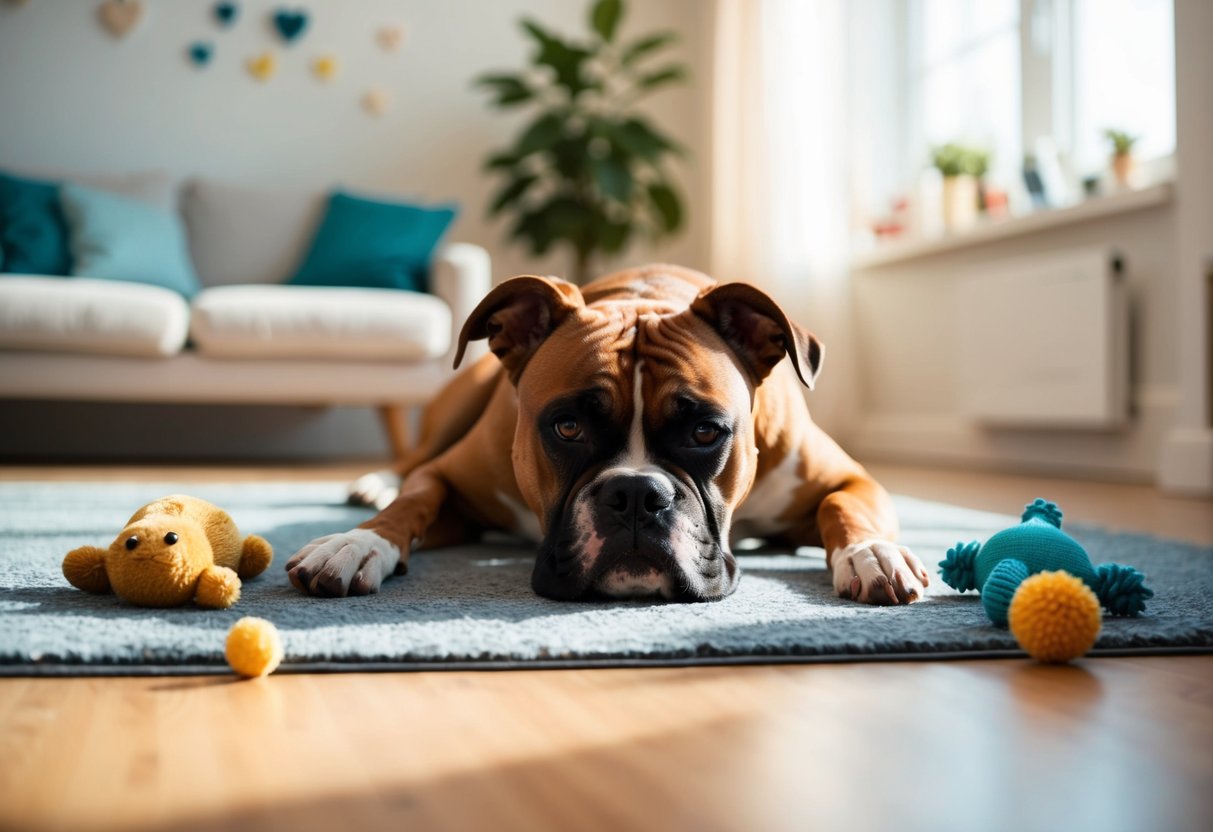
When calming down a Boxer dog, it’s important to focus on exercise and socialization. These elements play a huge role in your dog’s emotional well-being and can significantly impact their behavior.
Exercise and Playtime
Your Boxer needs regular exercise to let out their energy. Daily walks, runs, or play sessions help keep them fit and reduce anxiety. Aim for at least 30 to 60 minutes of activity each day.
Fun Activities:
- Fetch: Great for burning energy.
- Tug-of-war: Enhances bonding and exercise.
- Agility courses: Provides mental and physical stimulation.
These activities can prevent boredom and reduce hyperactivity. Remember, a tired dog is often a calmer dog. Besides physical exercise, consider incorporating mental challenges that can tire them out just as effectively. Puzzle toys or hiding treats around the house can keep their brains engaged.
Socialization and Professional Help
Socialization is key for your Boxer. Exposing them to different environments, people, and other dogs can help them feel more comfortable.
Start this process early, as puppies are more adaptable.
Tips for Socialization:
- Visit parks or other busy areas.
- Arrange playdates with calm, well-mannered dogs.
- Enroll in obedience classes for guidance.
If you notice signs of separation anxiety or if your dog struggles despite these efforts, consider seeking professional help.
A trainer or behaviorist can offer tailored advice. They can work with you and your dog to develop a plan that meets your specific needs.


