
Boxer dogs are known for their playful and energetic nature, making them a favorite among dog lovers. Their high energy levels can often leave owners wondering why these dogs seem to have endless enthusiasm. Boxer dogs are so hyper because they have a natural need for physical activity and engagement. This is due to their background as working dogs.
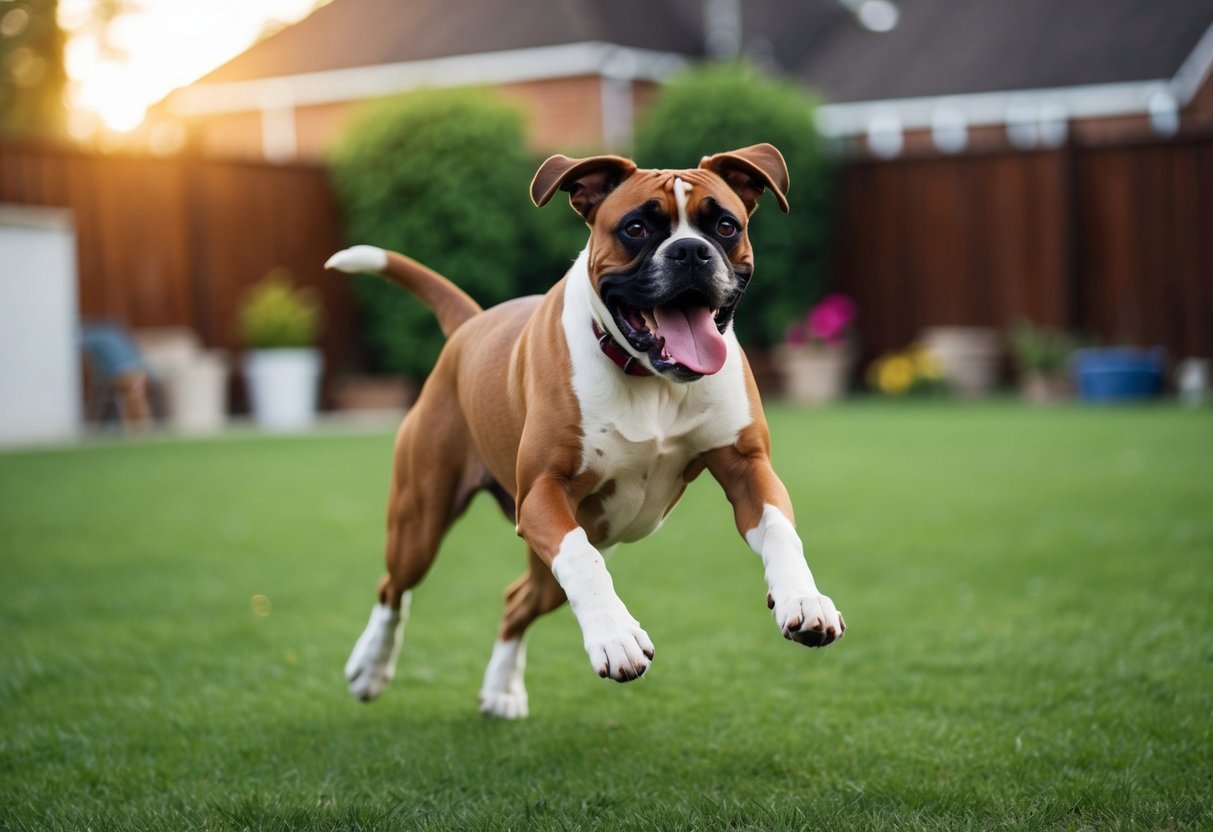
As a Boxer owner, you may notice that your furry friend thrives on playtime and social interaction. These dogs need plenty of exercise to stay happy and balanced. Engaging in activities together can help channel their energy positively, preventing unwanted behaviors often linked to boredom or excess energy.
Understanding the reasons behind their hyperactive behavior can help you manage it effectively. By providing the right outlets for their energy, you can enjoy a fulfilling relationship with your Boxer and a more peaceful home environment.
Understanding Boxer Dog Behavior
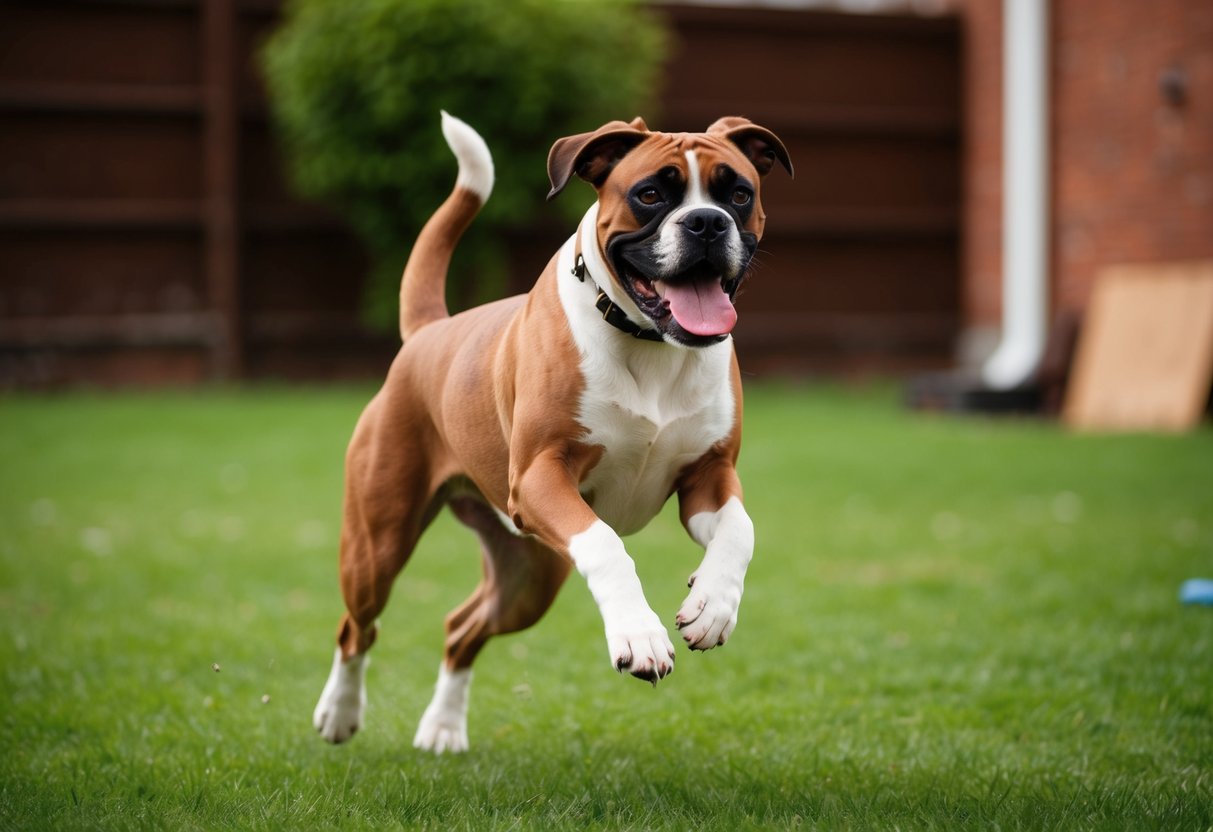
Boxer dogs are known for their high energy and playful nature. Understanding their behavior can help you manage their hyperactivity better. This section will discuss their temperament and the various factors that influence their energy levels.
Boxer Temperament and Energy Levels
Boxers are friendly, loyal, and extremely energetic. They thrive on social interaction and playtime, making them great companions. Their temperament is often described as playful and alert.
As a breed, Boxers have a high energy level that remains throughout their lives. Boxer puppies tend to be particularly hyperactive during their early years. This phase is critical for training and socialization. You should provide them with ample opportunities for exercise and mental stimulation.
Daily physical activity is important. Consider activities like walks, runs, and games of fetch to keep their energy in check.
Factors Influencing Hyperactivity in Boxers
Several factors can lead to hyperactivity in Boxers. Lack of exercise is one major reason. If they do not get enough physical activity, they can become restless and anxious.
Mental stimulation is equally important. Engaging your Boxer in puzzle toys or training games can help reduce hyperactive behaviors. Social activities, such as dog parks, encourage proper interaction with other pets.
In addition, hormones and anxiety can affect their behavior. A stressed or anxious Boxer may act out, showing more hyper behavior. In those cases, identifying the source of the stress becomes crucial. Keeping your Boxer mentally and physically challenged is the best way to promote a positive, balanced mindset.
Promoting a Calm Environment for Boxers

Creating a calm environment for your boxer is essential for managing their high energy levels and reducing anxiety. Two important factors to consider are effective training and proper nutrition. These elements can make a significant difference in your dog’s behavior and overall well-being.
The Role of Training and Socialization
Training and socialization are key to helping your boxer feel secure and calm. Begin with obedience training from an early age. This sets boundaries and teaches important commands. Techniques like positive reinforcement can be very effective.
Socializing your boxer with different people, pets, and environments also helps. It reduces anxiety by making them feel more confident in various situations. Consider enrolling them in training classes. These classes provide structured environments that promote learning and interaction.
Regular practice at home is also important. Keep training sessions short and fun to hold your dog’s attention. Incorporate games that require focus, which can help channel their energy positively.
Adjusting Nutritional Requirements
Diet plays a significant role in maintaining a calm demeanor. A balanced diet that includes complex carbohydrates can help stabilize energy levels in your boxer. Foods like brown rice and oats are excellent choices.
Be cautious with treats, as overindulgence can lead to obesity. Choose healthy treats and maintain a consistent feeding schedule.
Moreover, avoid overfeeding or giving too many high-calorie snacks. This can lead to hyperactivity and anxiety. Consult your veterinarian to ensure your boxer’s diet meets their specific needs. A well-fed boxer is generally a calmer and more content dog.
Effective Exercise Strategies for Boxer Dogs
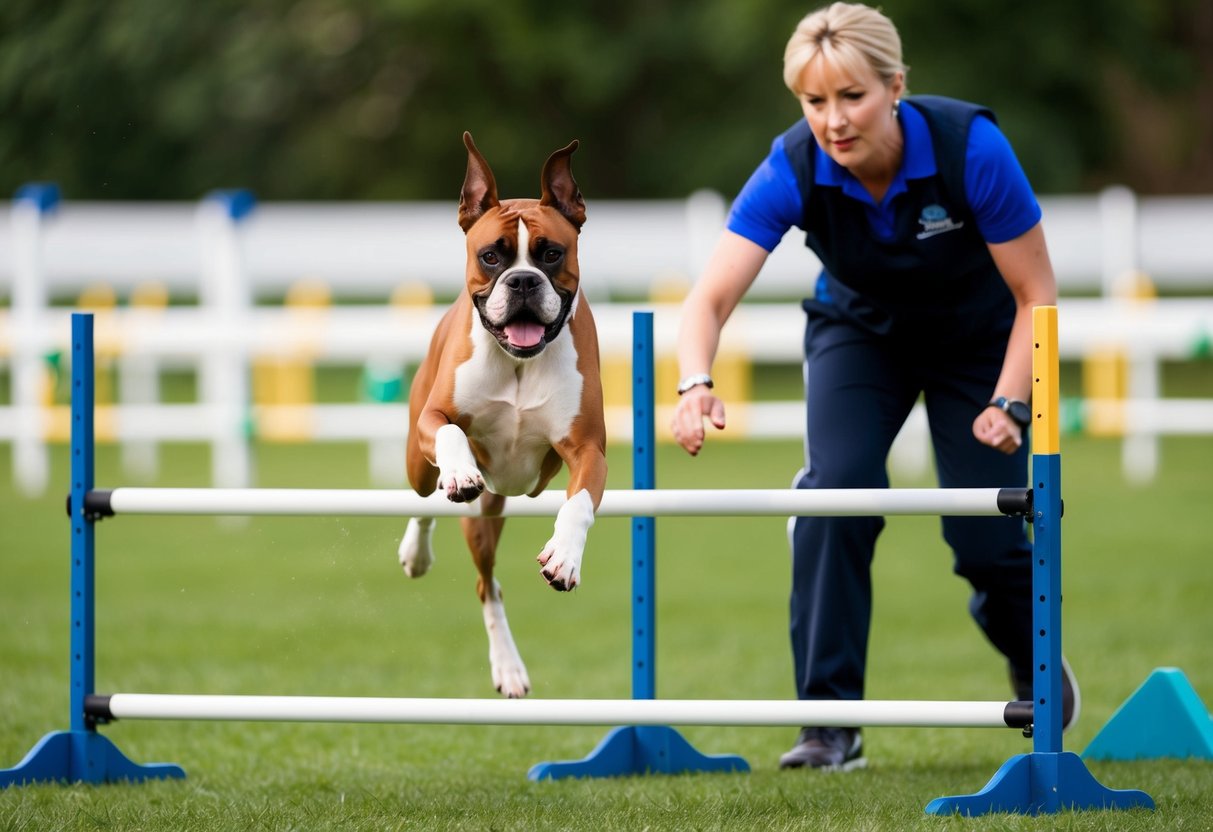
Boxer dogs are known for their high energy levels and playful nature. To keep them happy and healthy, it’s important to focus on physical exercise and mental stimulation. Both aspects play key roles in managing their energy and preventing boredom.
Physical Exercise Routines
A solid exercise routine is crucial for Boxers. Aim for at least 30 to 60 minutes of vigorous physical activity each day. You can split this into two sessions if needed. Walking, running, or playing fetch are great ways to burn energy.
Consider incorporating a mix of activities like:
- Brisk walks: These can help your dog explore while getting exercise.
- Playtime: Engaging in games with your dog, like tug-of-war or fetch, keeps them active.
- Agility training: Set up a course at home to make exercise fun and challenging.
Always ensure you give your Boxer breaks, especially after meals, to prevent digestive issues from intense activity.
Mental Stimulation Activities
Mental stimulation is just as important as physical activity. Boxers are intelligent dogs and need challenges to stay happy. Boredom can lead to destructive behavior.
Introduce activities like:
- Obedience training: Teaching new commands can keep their minds busy.
- Puzzle toys: These toys require problem-solving, which can entertain your dog for hours.
- Interactive games: You can hide treats around the house for your Boxer to find.
Rotate these activities to keep things fresh and exciting. A well-stimulated Boxer is a happy Boxer, leading to a more balanced and calm dog.


