
If your boxer keeps pawing at you, you might wonder what this behavior means. Boxers often paw at their owners to communicate their needs or emotions. Understanding this can help you respond appropriately and strengthen your bond with your furry friend.
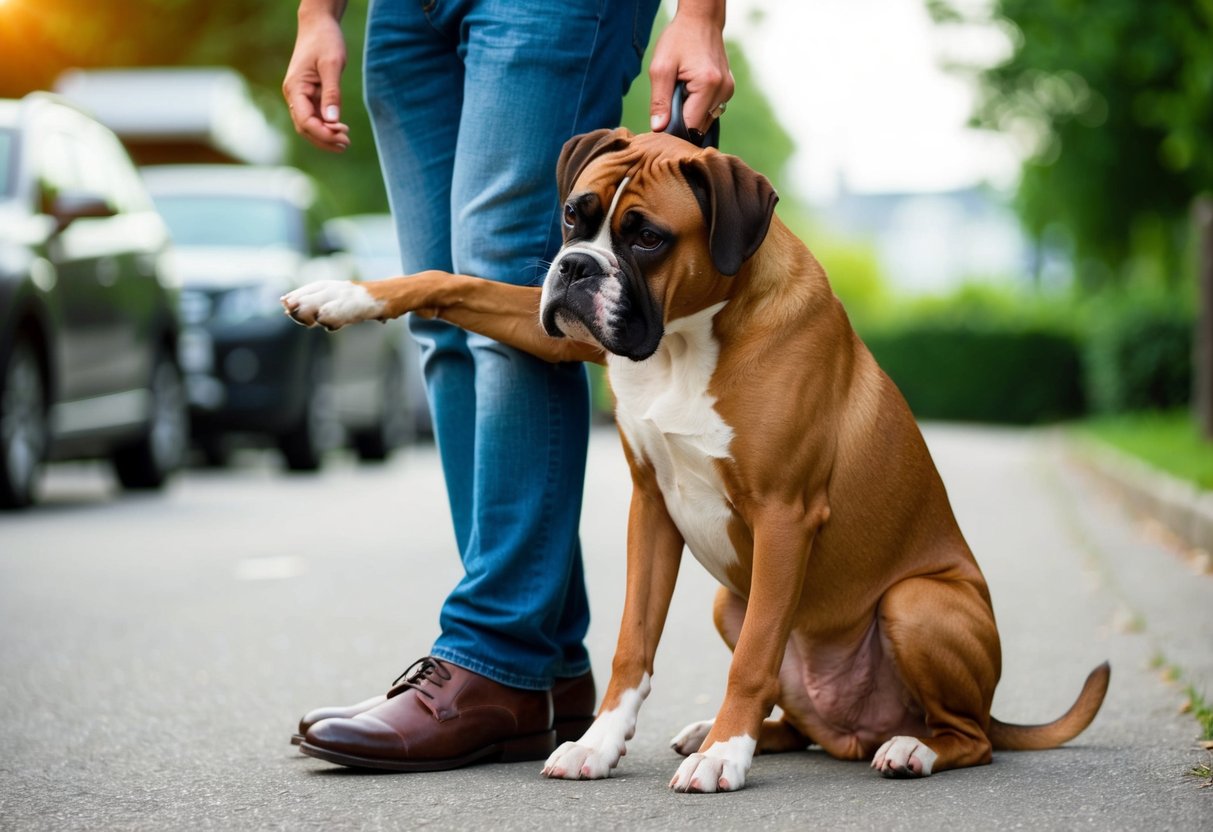
Boxers are known for their playful and affectionate nature. When they paw at you, they might be seeking comfort or trying to engage you in a fun activity. Observing your dog’s other behaviors can give you more insight into their feelings and needs.
In this article, we will explore the different reasons why your boxer may be pawing at you. You’ll learn how to respond to this behavior and what it says about your dog’s personality.
Understanding Pawing Behavior in Boxers
Pawing is a common behavior in Boxers that can indicate various needs or feelings. It’s important to recognize the reasons behind this action to respond appropriately and maintain a strong bond with your dog. Here, you will learn about the language of pawing and when this behavior might become excessive.
The Language of Pawing
When your Boxer paws at you, it’s often their way of communicating. Boxers are known for being affectionate and playful. Pawing can signal several things:
- Attention-Seeking: Your dog may want you to notice them, especially if you’re busy.
- Affection: Pawing can be a gentle way for them to express love.
- Playfulness: Sometimes, it’s an invitation to play or interact.
Understanding this helps you respond in a way that fulfills their needs. If you recognize this behavior, consider engaging with them through playtime or cuddles. It’s a positive interaction that strengthens your relationship.
When Pawing Becomes Excessive
While pawing can be normal, excessive pawing might signal an issue. If your Boxer seems to paw constantly, it could be a sign of:
- Frustration: They may feel ignored or anxious.
- Learned Behavior: If they get attention when they paw, they might continue to do it.
To address this, consider setting boundaries. You can redirect their behavior by offering toys or engaging them in activities. You can use training techniques to reinforce good behaviors.
Monitoring their need for attention is key. If you notice consistent excessive pawing, consider consulting a trainer or behaviorist to help manage it. By understanding these signals, you can keep your Boxer happy and balanced.
Reasons Your Boxer May Paw at You
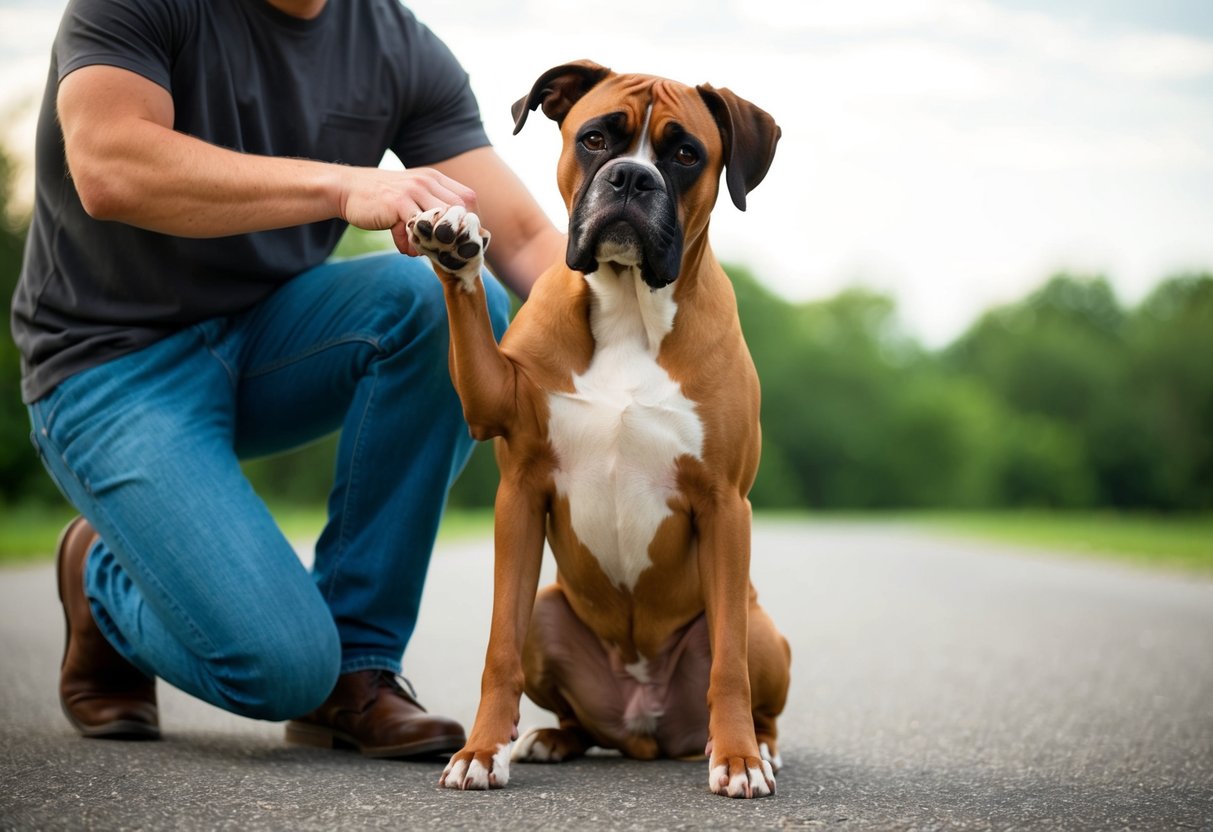
Your Boxer may be pawing at you for several reasons. Understanding these reasons can help you respond appropriately and strengthen your bond with your dog. Here are some key motivations behind this behavior.
Seeking Attention and Affection
When your Boxer paws at you, it often means they are seeking your attention or affection. This behavior can be their way of saying, “Hey, I want to be noticed!” Boxers are naturally social dogs that thrive on interaction.
They might paw at you when they want to play, go for a walk, or simply snuggle. Responding with attention can reinforce this behavior. You can also teach them to sit or use a different command before giving them the attention they seek, which helps with socialization.
Indications of Boredom or Anxiety
Pawing can also signal that your Boxer is feeling bored or anxious. If they do not have enough physical or mental stimulation, they may resort to pawing as a way to express their restlessness. Boxers need plenty of exercise and playtime to keep them happy.
Environmental factors can affect their mood as well. Changes in routine, such as a new home or a family member moving out, can lead to separation anxiety. Pay attention to your Boxer’s body language and try to engage them in activities that fulfill their need for stimulation.
Possible Health Concerns
While pawing often indicates emotional reasons, it can sometimes point to health issues. If your Boxer is pawing excessively, watch for other signs of discomfort. This could include excessive licking or chewing on their paws.
Problems like allergies, skin irritations, or joint pain may cause them to seek your help. If you suspect health concerns, visiting a vet for a check-up is essential. Addressing health issues early can improve your Boxer’s quality of life and may reduce unwanted behaviors like pawing.
Training and Responding to Pawing

When your boxer paws at you, it’s essential to address this behavior effectively. You can guide your dog towards appropriate actions using training methods and know when to consult a vet. Here’s how to navigate these situations.
Encouraging Appropriate Behavior
To manage pawing, positive reinforcement is your best friend. When your boxer paws at you, instead of giving in to the behavior, wait for a moment of calm. When your dog stops pawing, reward them with praise, treats, or playtime. This teaches them that being calm earns them your attention.
Create situations for your boxer to express themselves in more suitable ways. For instance, if they want to initiate play, use a toy instead of pawing. You can also practice commands like “sit” or “stay.” Giving them alternatives will help redirect their focus and reduce excessive pawing.
When to Seek Veterinary Advice
Pawing can be normal behavior, but it may sometimes signal a problem. If your boxer paws excessively and appears anxious or distressed, consider seeking veterinary care.
A vet can evaluate if there are underlying health issues, such as skin discomfort or anxiety problems.
Watch for signs that concern you. If your dog seems to be in pain, has changes in behavior, or pairs pawing with other unusual actions, visit your vet. Understanding the root cause will help you provide the best care and guidance for your playful pooch.


