
Boxer dogs can make excellent pets for the right owner. They have a playful nature, loyalty, and protective instincts, making them great companions for families and active individuals alike. These dogs thrive on interaction and love to be part of family activities, ensuring that you’ll never feel alone with a Boxer by your side.

If you’re considering bringing a Boxer into your home, it’s important to know what to expect. They require plenty of exercise and mental stimulation, which can be both a fun challenge and a rewarding experience. From their affectionate personality to their vibrant energy, Boxer dogs can turn your household into a lively and loving environment.
Before you decide, it’s also crucial to weigh some factors related to their care and needs. Understanding their temperament and health requirements will help you see if a Boxer is the right fit for your lifestyle. Get ready to discover more about what makes Boxers unique and whether they are the perfect pet for you!
History and Breed Characteristics of Boxer Dogs

The Boxer dog boasts a rich history and distinct traits that make it a beloved breed. Understanding its origins and characteristics can help you appreciate why Boxers are such wonderful companions.
Origins of the Boxer Breed
The Boxer originated in Germany in the late 19th century. It evolved from the Bullenbeisser, a now-extinct breed that was known for hunting large game such as boars and bulls. As hunting became less common, breeders crossed the Bullenbeisser with Bulldog and other breeds to create the Boxer we know today.
This breed gained popularity in the U.S. during the 1950s, especially after a Boxer named Bang Away captivated audiences at the Westminster Dog Show. The American Kennel Club recognized the Boxer in 1904, and today it remains one of the most loved dog breeds in America.
Physical Traits and Temperament
Boxers have a distinct appearance with their square-shaped heads, muscular build, and smooth coats. They are medium to large dogs, with males weighing between 65-80 pounds, and females around 50-65 pounds. Their coats are typically short, making grooming manageable.
As for their temperament, Boxers are known for their playful and energetic nature. They are highly intelligent and eager to please. This breed is friendly with families and makes an attentive guard dog. Their loyalty and affection towards family members, coupled with their strength, make them an excellent choice for those seeking a devoted companion.
Boxer Dogs as Family Pets
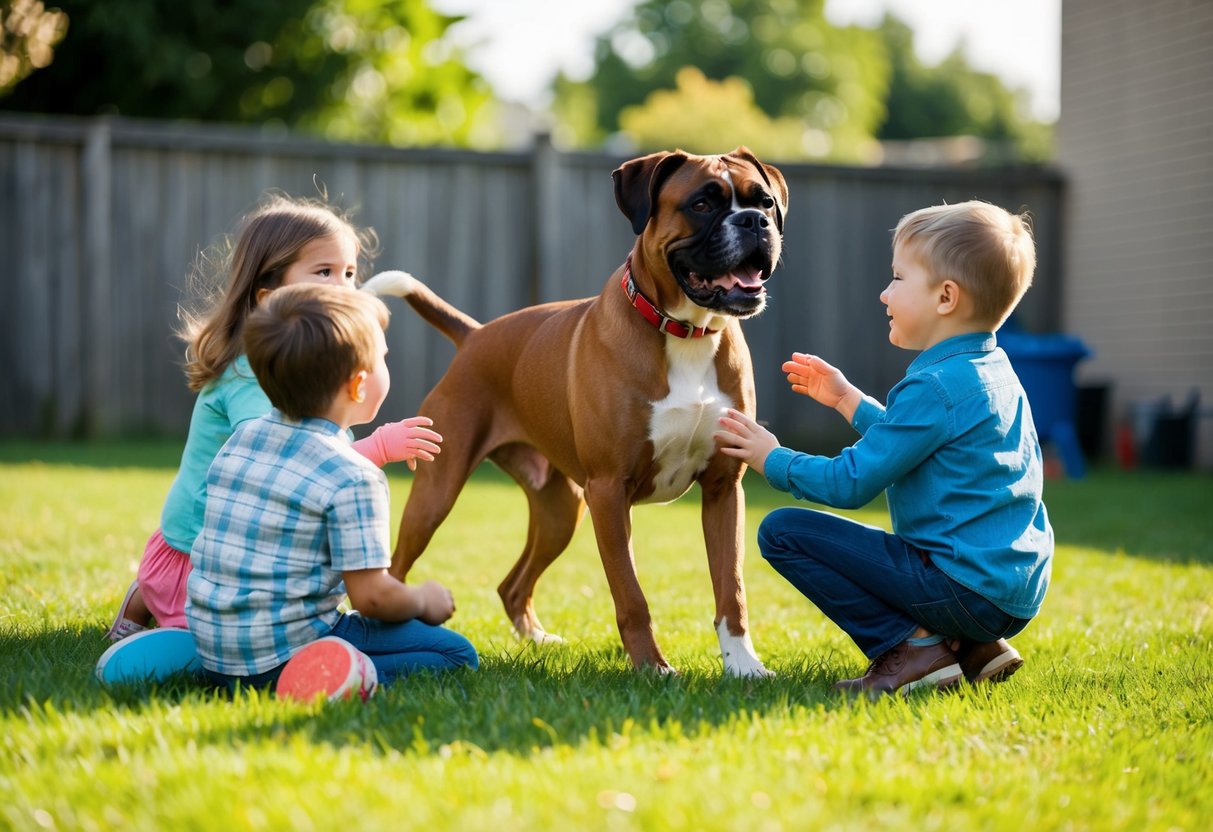
Boxer dogs are known for their playful nature and affectionate temperament, making them excellent family pets. They thrive in loving environments and can build strong bonds with both children and other pets.
Boxer Dogs with Children and Other Pets
Boxers are often great with children. Their playful spirit can provide endless fun, making them cherished companions for your kids. Boxers typically enjoy interactive play, which helps create lasting memories and joyful experiences.
When it comes to other pets, Boxers can also adapt well. They are generally friendly and eager to meet new friends, whether it’s a dog or another household pet. Early socialization is key, as it helps them learn to interact positively with others.
Remember, your Boxer will need supervision, especially with small children or fragile pets. With the right training and love, you will find a loyal companion who loves being part of the family.
The Loyalty and Affectionate Nature of Boxers
Boxers are known for their loyalty and affectionate nature. They thrive on human interaction and love being involved in family activities. This breed is not just a pet; they become part of your family, offering unwavering love and support.
Their protective instincts make them excellent guardians. Boxers are eager to please, so training them to be great family members becomes a rewarding experience. Their joyful disposition can brighten up any home and foster a sense of security and fun.
You’ll appreciate their strong desire to bond with you. Whether it’s cuddling on the couch or playing in the yard, Boxers make their presence known, ready to share their affection and loyalty with you and your loved ones.
Health and Care Considerations for Boxers

Taking care of a Boxer involves understanding their physical needs and health requirements. These dogs are known for their high energy levels and require specific care to stay happy and healthy.
Exercise and Energy Levels
Boxers are a high-energy breed. They need regular exercise to keep them physically fit and mentally stimulated. Aim for at least 1 to 2 hours of activity daily. Activities can include walks, playtime, and interactive games.
In addition, Boxers excel in dog sports like agility and obedience, which offer great outlets for their energy. Lack of exercise can lead to boredom and unwanted behaviors, so keep them engaged. A tired Boxer is a happy Boxer!
Diet and Nutrition
A healthy diet is crucial for your Boxer’s well-being. Choose a high-quality dog food that meets their nutritional needs. Look for options rich in proteins, vitamins, and minerals.
Sum up daily feeding portions depending on your dog’s age and activity level. Consider splitting meals into two to help digestion. Avoid overfeeding, as Boxers can be prone to certain health issues like bloat. Regular vet check-ups can help monitor their health.
Behavior and Training Insights
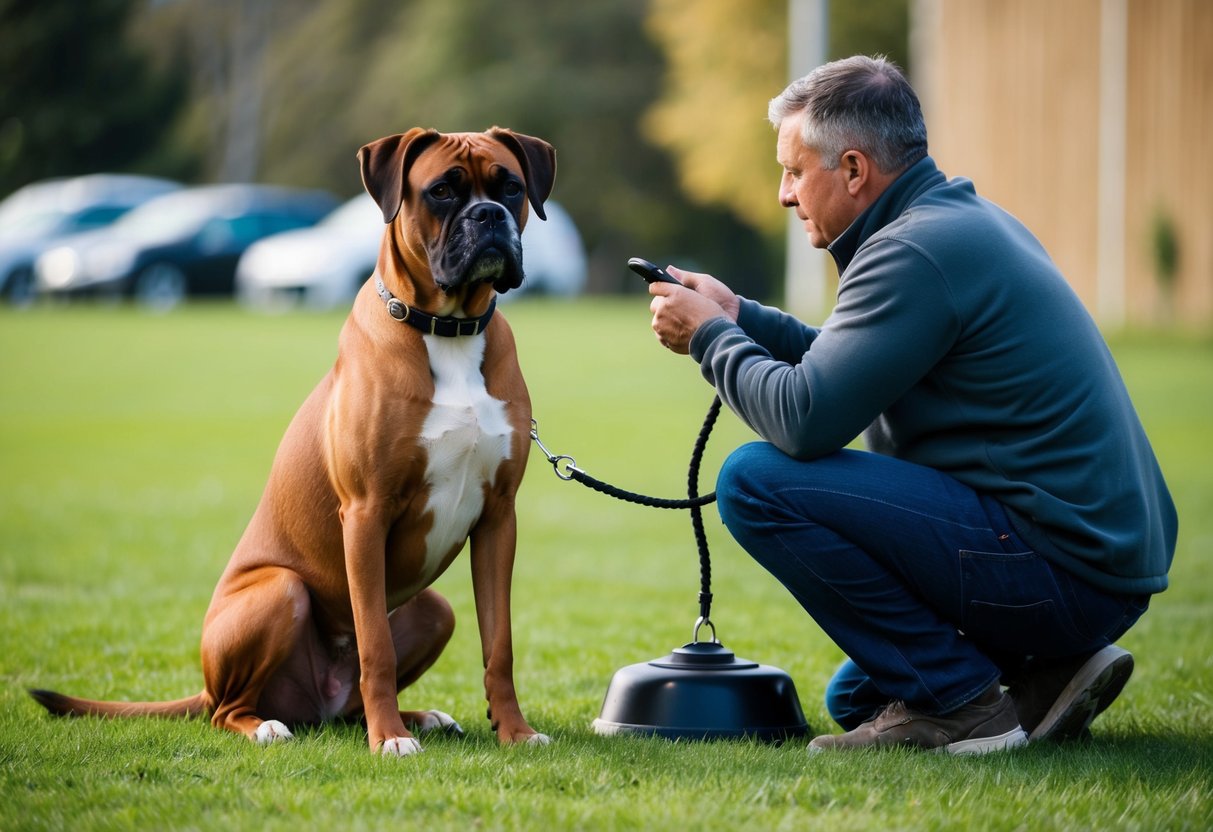
Understanding the behavior and training needs of Boxer dogs can help you create a happy environment for both you and your pet. These dogs are intelligent and respond well to positive reinforcement, making training a rewarding experience.
Obedience and Socialization Training
Training your Boxer is essential for good behavior. Start with basic obedience training early, as these dogs are eager to learn. Use positive reinforcement techniques, such as treats and praise, to encourage good behavior.
Socialization is also crucial. Expose your Boxer to different people, environments, and other pets. This helps them become well-adjusted and confident. Attend puppy classes or set up playdates. Remember, consistent practice is key!
Be patient, as Boxers can be stubborn at times. Keep training sessions short and fun to maintain their interest. This will help your Boxer develop excellent social skills and obedience.
Boxer Behavioral Tendencies
Boxers have a playful and energetic nature. They require plenty of mental stimulation to keep them happy. Without it, they might develop destructive behaviors.
These dogs enjoy being part of the family. They thrive on companionship and do not like being left alone for long periods. Isolation can lead to anxiety and unwanted behaviors.
Despite their intelligence, Boxers may show moments of stubbornness. So, you must stay consistent and firm while being gentle. This balance helps them understand what you want.
Regular exercise is essential to channel their energy positively. Activities like fetch or agility training can keep them engaged and happy. A well-trained Boxer is a joyful addition to any home!


