
Boxer dogs are known for their friendly nature and energetic personality, making them popular family pets. You might be wondering if they are also low maintenance. Yes, boxer dogs are considered a low maintenance breed when it comes to grooming. Their short, shiny coat requires just a weekly brushing to keep it healthy, and they usually don’t need frequent baths.

While boxers do need regular exercise and social interaction, their grooming needs are minimal. This means you can spend more time enjoying their playful spirit rather than worrying about extensive grooming routines.
With the right training and regular activity, your boxer can be a wonderful addition to your home without overwhelming you with maintenance demands.
Understanding the needs of boxer dogs can help you determine if they fit your lifestyle. If you’re looking for a loving companion that doesn’t require a lot of grooming, you might find that a boxer is the perfect match for you.
Characteristics and Temperament of Boxers

Boxers are known for their striking physical features and lively personalities. Their appearance and behavior play important roles in their reputation as loyal family companions and energetic pets.
Physical Appearance and Coat
Boxers have a distinctive appearance that makes them easy to recognize. They possess a strong, muscular build and a square-shaped head with a brachycephalic face. Many have cropped ears, which enhance their unique look.
Their short coat can come in various colors, such as fawn, brindle, and white.
Boxers typically weigh between 50-80 pounds, depending on their gender. Male boxers are often larger than females. The short coat requires minimal grooming. A weekly brush helps prevent shedding, making them relatively low-maintenance in this aspect.
Behavioral Traits
Boxers are known for their high energy and playful nature. They thrive on activity and require regular exercise to stay happy and healthy.
Their intelligence makes them easy to train, but they can sometimes display a strong prey drive.
These dogs are affectionate and loyal, making them excellent family pets. Boxers are great watchdogs, naturally protective of their families. While they may bark to alert you, their temperament is generally friendly and sociable.
With proper training and socialization, your boxer will showcase their vibrant personality and become a beloved family member.
Essential Care for Boxer Dogs

Caring for your boxer dog involves paying attention to their nutrition, exercise, health, and grooming. Each of these areas plays a vital role in keeping your furry friend happy and healthy. Here’s what you need to know to provide them the best care possible.
Nutrition and Diet Requirements
Boxers require a balanced diet to thrive. Look for high-quality dry dog food that lists meat as the first ingredient. Your boxer’s diet should contain a good mix of protein, fats, and carbohydrates.
Omega-3 fatty acids are important as well. They promote healthy skin and coat, and can help reduce inflammation.
To prevent bloat, make sure to feed your boxer smaller meals throughout the day instead of one large meal. Consider using slow feeder bowls to help with digestion. Always keep fresh water available. For treats, choose options that are low in fat to maintain a healthy weight.
Exercise and Activity Needs
Boxers are energetic dogs that need regular exercise. Aim for at least one hour of physical activity daily. This can include long walks, running, and engaging in dog sports.
Regular exercise helps to keep their energy levels balanced and prevents behavioral issues.
Playtime is also crucial. Activities like fetching or tug-of-war provide mental stimulation and strengthen your bond.
Consider incorporating short training sessions during playtime to reinforce commands and enrich their experience.
A well-exercised boxer often displays better behavior and overall health.
Health and Wellness
Health is a significant aspect of boxer care. Regular vet check-ups are essential to screen for common conditions, including cancer, hip dysplasia, and heart problems like aortic stenosis.
Watch for signs of overheating, especially during hot weather. It’s also wise to monitor for symptoms of hypothyroidism and degenerative myelopathy.
Dental care is important to prevent canine periodontal disease. Regular dental check-ups and cleanings can help avoid issues like bad breath and promote overall health.
Staying on top of vaccinations and preventive care keeps your boxer in fighting shape.
Grooming and Coat Care
Grooming your boxer is relatively low maintenance due to their short coats. A quick weekly brushing removes loose hair and keeps their coat shiny.
Regular baths are generally needed every 6-8 weeks, or as necessary for hygiene.
Boxers shed minimally but do experience occasional seasonal shedding. When grooming, focus on checking their ears and nails.
Regular ear cleaning and nail trimming will help prevent infections and discomfort.
By paying attention to these grooming needs, you can ensure your dog feels good in their skin. Consistent care can help prevent issues and maintain your boxer’s overall health.
Training and Socialization
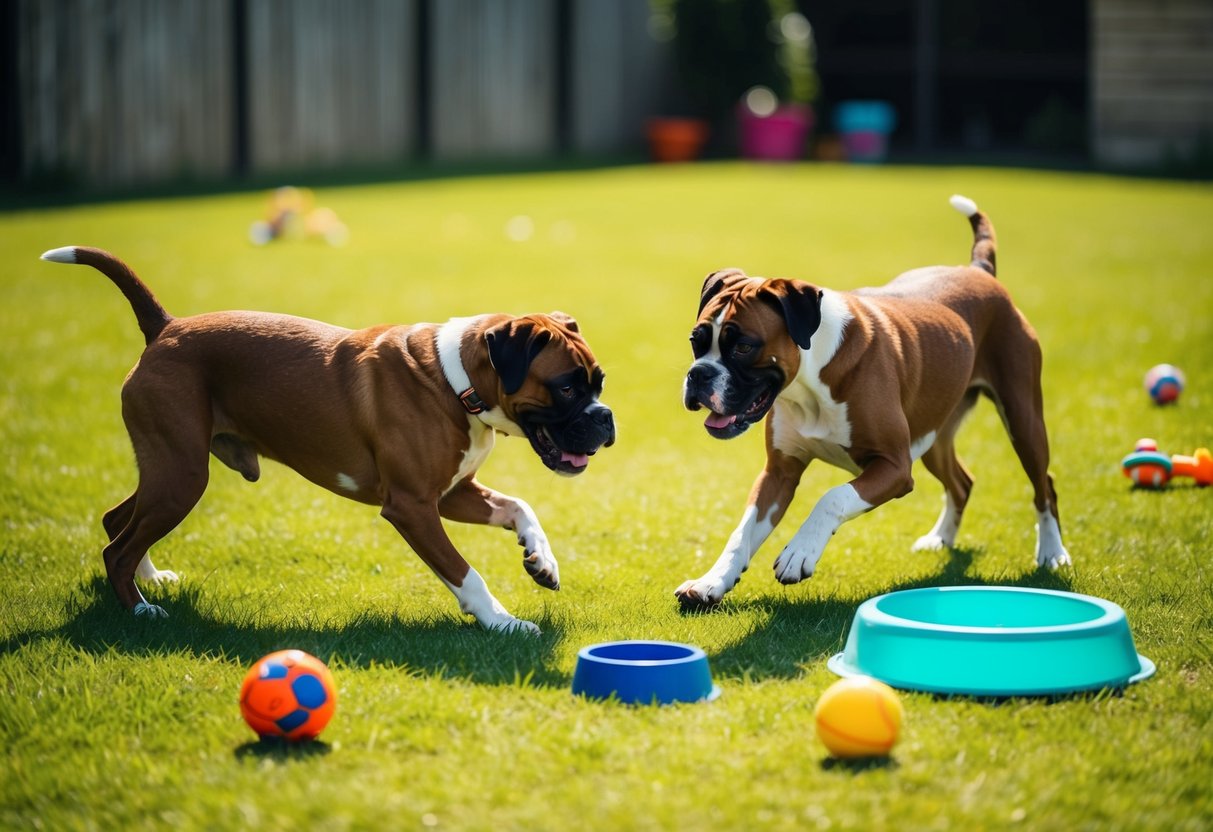
When you bring a Boxer dog into your home, effective training and proper socialization are crucial. These steps help shape a well-mannered and happy companion.
Boxers are known for their intelligence and eagerness to please, which makes them relatively easy to train.
Training Techniques
Using positive reinforcement is the best way to train your Boxer. This means rewarding them with treats, praise, or play when they follow your commands.
Simple commands like “sit,” “stay,” and “come” should be taught early on.
Make training sessions short and fun, as Boxers have a lot of energy and can lose interest quickly. You can also incorporate play to reinforce learning.
Consistency is key, so practice commands regularly. This breed thrives on routine and clear expectations. For more advanced training, consider enrolling in obedience classes where you can learn with your pup.
Importance of Early Socialization
Socialization is vital for your Boxer, especially when they are puppies. Introducing them to a variety of people, pets, and environments helps them become well-adjusted adults.
Start socializing your puppy as early as possible, ideally within the first three months. Take them to parks, dog-friendly events, and even friends’ homes. This exposure reduces anxiety and encourages friendly behavior.
When you socialize Boxers properly, they can become great family dogs who love children and other pets. A well-socialized Boxer is not only happier but also more manageable.
Regular interaction with different settings and situations is a great way to ensure your Boxer grows up confident and well-behaved.


