
Boxer dogs are known for their playful nature and loving temperament. If you’ve ever wondered, Boxers are not well-suited for living outside full-time. These dogs thrive on human interaction and can struggle with temperature regulation due to their short coats and unique facial structure.
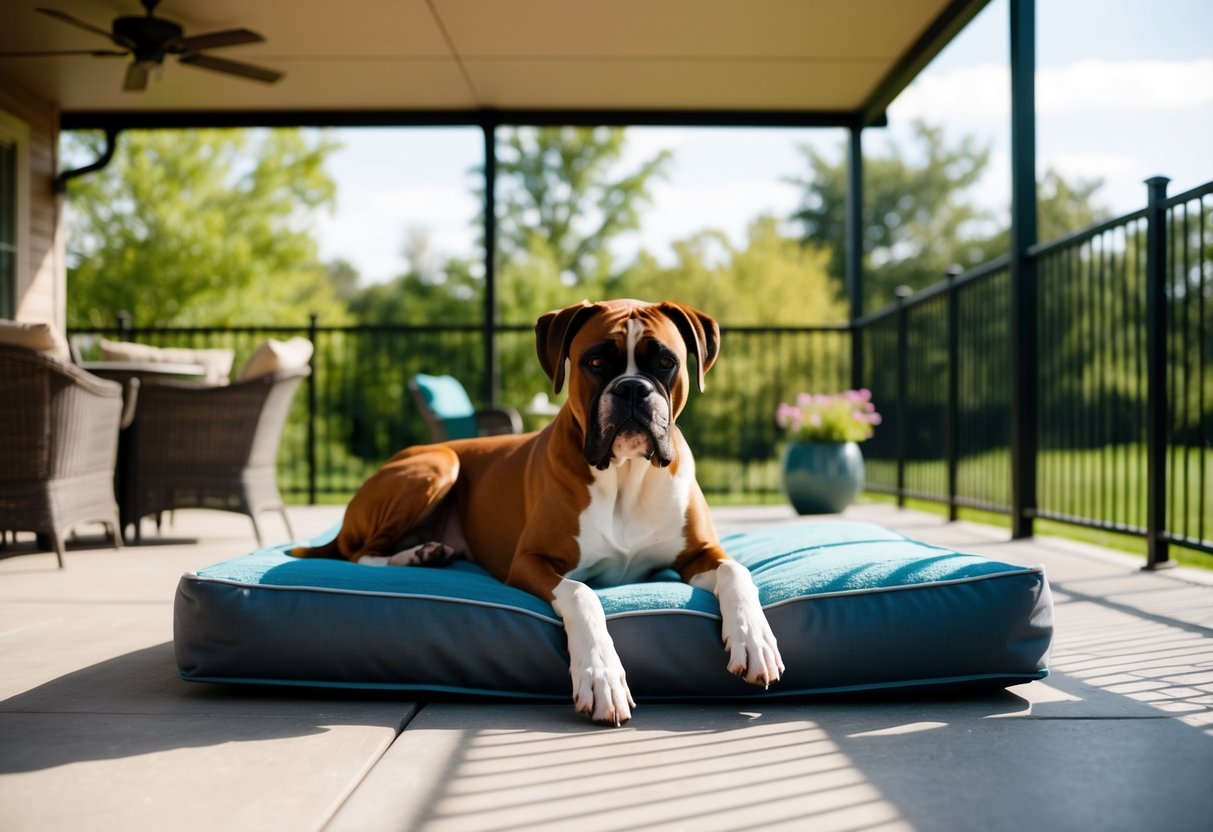
While it’s possible to let your Boxer spend some time outdoors, especially in nice weather, it’s crucial to ensure they have access to shelter and companionship.
Keeping your Boxer primarily indoors will help keep them happy and healthy. By understanding their needs, you can make the best choice for your furry friend.
Understanding the Boxer Breed
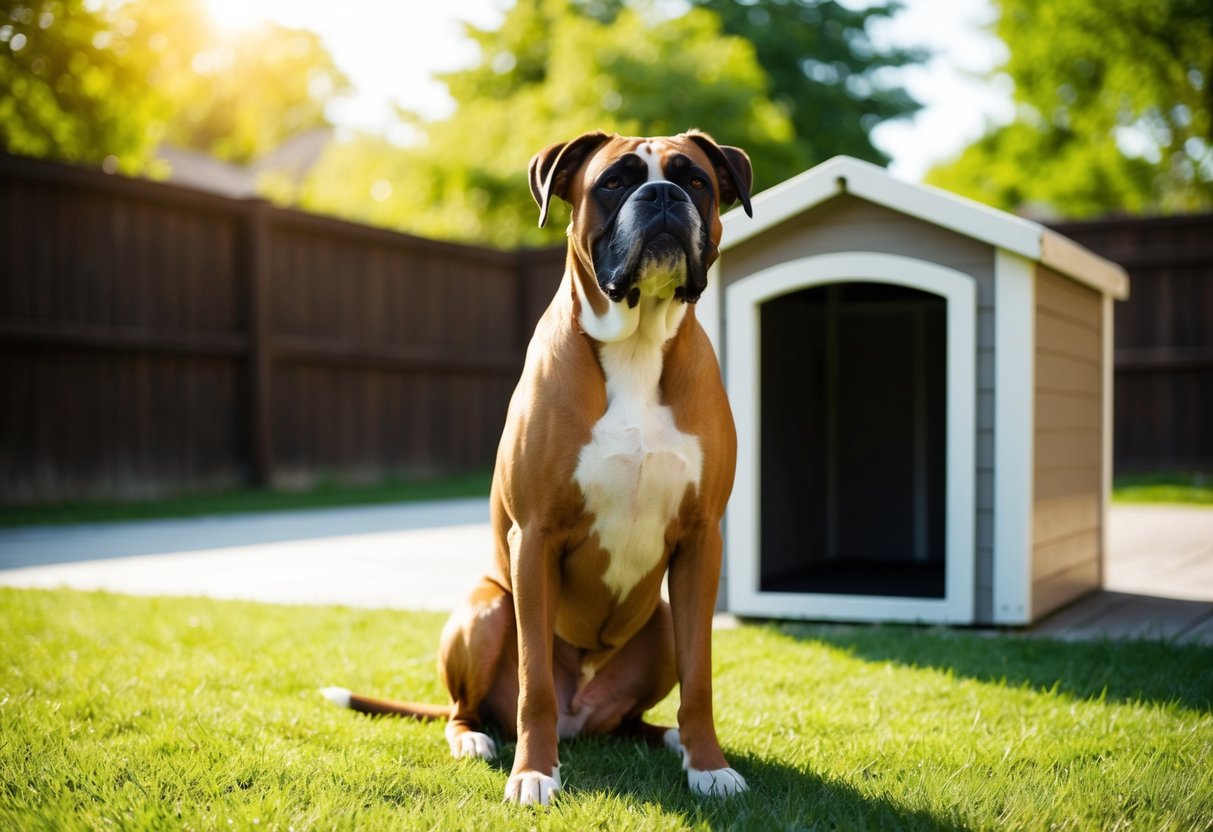
Boxers are known for their unique appearance and lively personalities. They are a brachycephalic breed, which means they have short noses and flat faces. This section covers their physical traits, temperament, and health considerations.
Physical Characteristics of Boxers
Boxers are medium to large-sized dogs with a strong and muscular build. They typically weigh between 50 to 80 pounds. Their short coat is smooth and comes in various colors, such as fawn and brindle.
Their square-shaped head and strong jaw give them a distinctive look. Boxers have expressive eyes that reflect their playful nature. It’s essential to keep their coat clean and healthy to minimize shedding and maintain skin health.
Boxer Temperament and Socialization Needs
Boxers are known for their friendly and energetic temperament. They are loyal and protective, making them excellent family pets. Early socialization is crucial to help them develop into well-rounded adults.
Boxers thrive on human interaction and companionship. They may become anxious if left alone for long periods. Regular playtime and training help fulfill their social needs. Knowing how to engage with your Boxer can lead to a happy and fulfilling relationship.
Health Considerations for Boxers
As a brachycephalic breed, Boxers can face unique health issues. Breathing problems are common, especially in hot weather. Regular vet check-ups are vital to address any health concerns early.
Boxers are prone to certain conditions like heart disease and hip dysplasia. Proper diet and exercise can help maintain their health. It’s important to monitor their weight to prevent obesity. Understanding these health considerations will make a significant difference in your Boxer’s life.
The Impact of Weather on Boxers
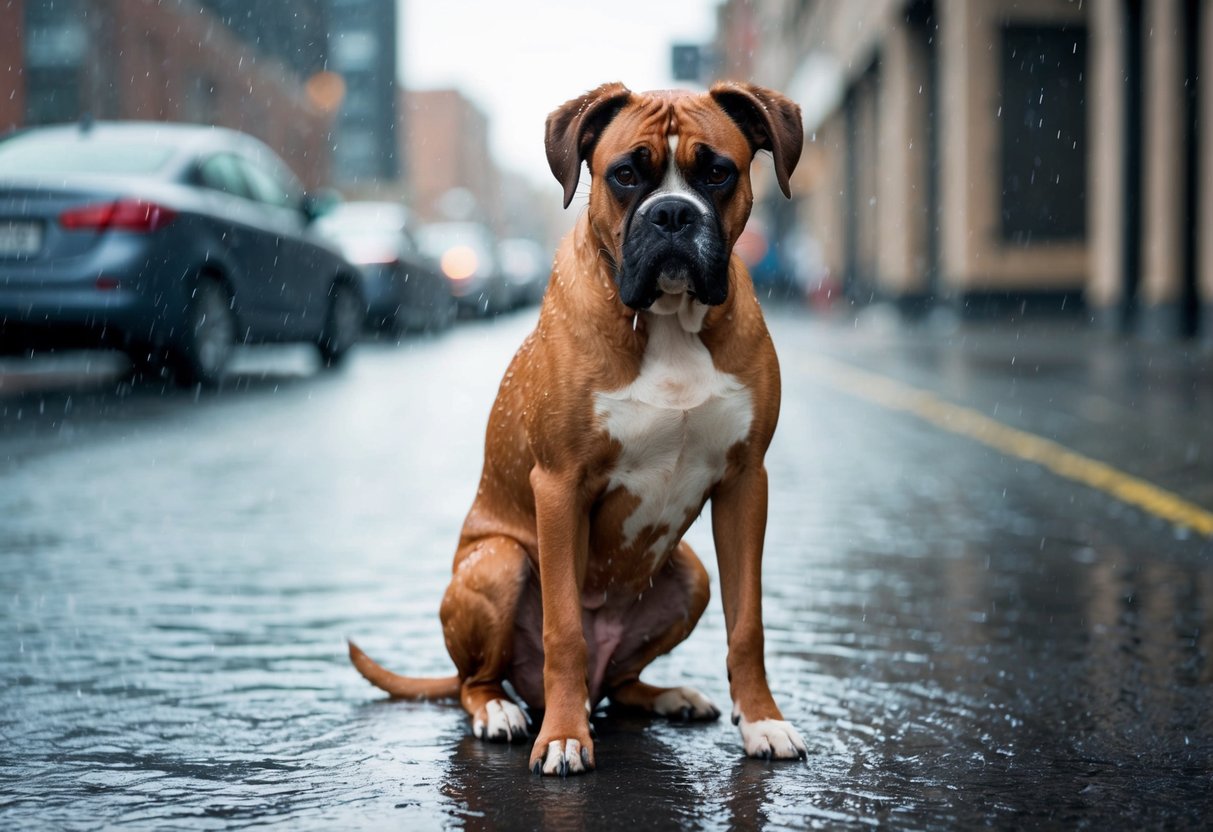
Weather can greatly affect your Boxer’s health and comfort. It’s important to know how different temperatures can impact them. Understanding the risks of cold and hot weather helps you keep your furry friend safe and happy.
Challenges of Cold Weather
Boxers can struggle in cold weather due to their short coat. When the temperature drops below 0-5°C (32-40°F), your Boxer may be at risk for hypothermia and frostbite. These conditions can occur when they are outside for too long without proper protection.
Keep an eye on the wind chill, as it can make conditions feel much colder. If it’s windy and wet, it’s best to keep your Boxer indoors if temperatures fall below 8-10°C (45-50°F).
To help protect your Boxer, consider using dog sweaters or coats designed for warmth. Also, don’t forget about their paws! Using paw wax can help protect their pads from cold surfaces and salt on the roads. Always watch for signs of discomfort and bring them inside if they seem cold.
Precautions for Hot Weather
Hot weather can be just as challenging for Boxers. They are sensitive to heat due to their short snouts, which can make it hard for them to cool down. During hot days, your Boxer’s risk of heatstroke increases.
To keep your Boxer safe, ensure they have access to plenty of fresh water and shade. Limit outdoor activities to cooler parts of the day, like early morning or late evening.
Consider protective gear like sunblock for dogs, especially if your Boxer has white fur or a shaved coat. This can help prevent sunburn. Always monitor your pet for signs of overheating, such as excessive panting or lethargy. If you notice these signs, bring them inside immediately to cool down.
The Role of Exercise and Play
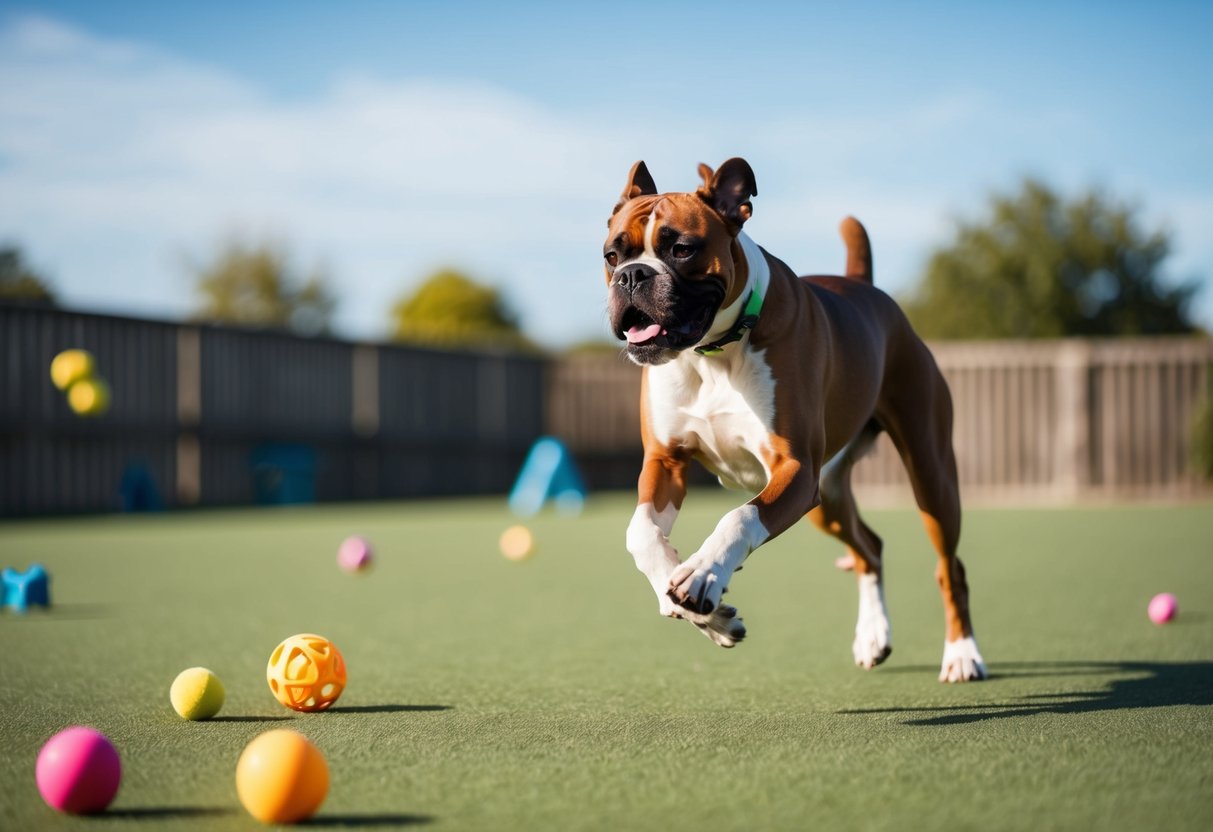
Exercise and play are vital for keeping your Boxer healthy and happy. These activities help reduce stress and anxiety while fostering good behavior.
Daily Exercise Requirements for Boxers
Boxers need a good amount of exercise each day. For a young Boxer, aim for about 30 minutes of brisk walking. As they grow, you should increase this to 45 minutes or more for adults. Regular exercise keeps their bodies fit and minds active.
You can incorporate various activities like jogging, fetch, or even agility training. This variety not only builds strength but also keeps your dog engaged.
Lack of exercise can lead to behavioral issues, like excessive barking or chewing. Make sure to adjust exercise based on weather conditions. Hot or cold temperatures can affect your dog’s stamina and health. Always prioritize their comfort while keeping them active.
Playtime and Interaction
Playtime is just as important as structured exercise. Boxers thrive on companionship and interaction with their owners. Engaging in fun games helps strengthen your bond.
Activities like tug-of-war or frisbee can be excellent choices. These games offer both physical activity and mental stimulation.
Just 15-20 minutes of playful interaction can greatly reduce stress and anxiety. Socialization is also key. Let your Boxer interact with other dogs and people. This exposure helps develop good behavior and reduces the chance of aggression. Regular play prevents boredom and keeps your Boxer content in their environment.
Living Arrangements for Boxers
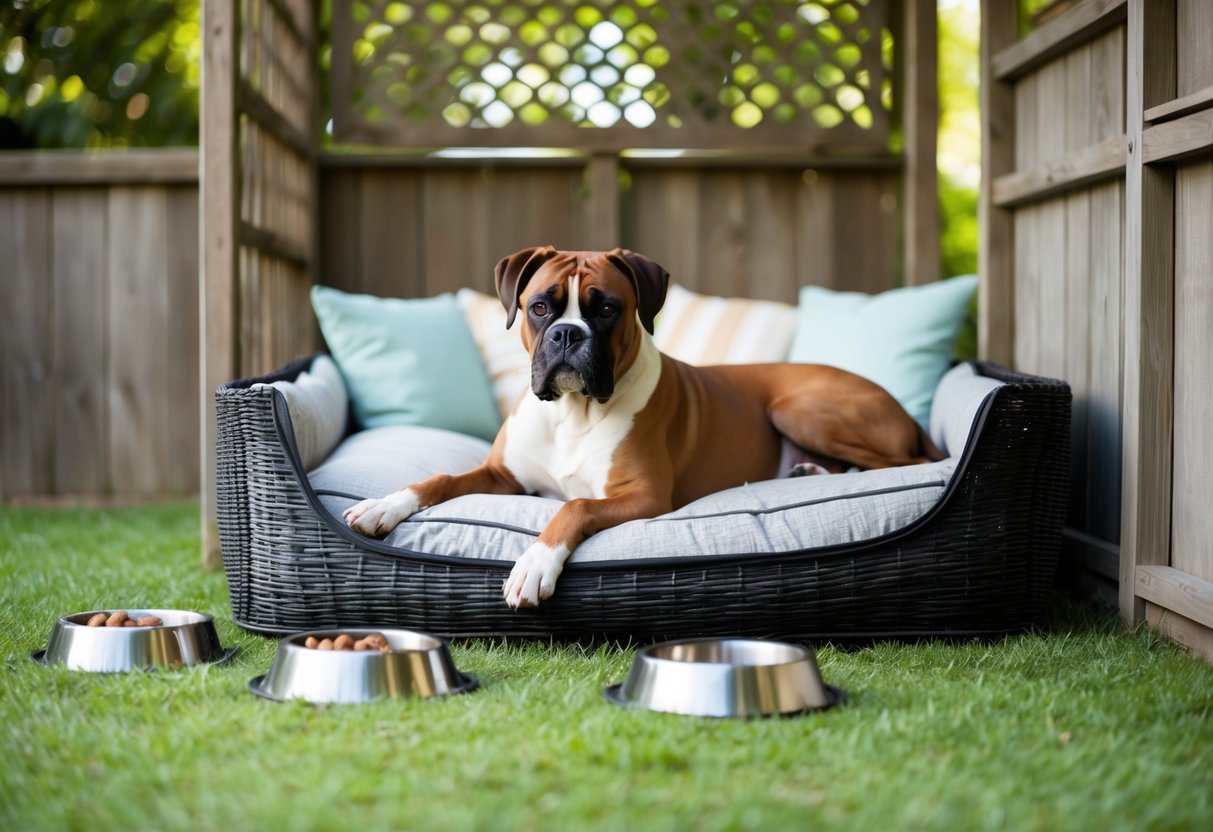
When thinking about where your boxer should live, consider how their needs for interaction, affection, and protection from the elements shape their well-being. Boxers thrive on human interaction, making their living arrangements vital for their happiness.
Outside Living Conditions
If you’re considering outside living for your boxer, be aware of a few key points. Boxers have short coats that offer limited protection against cold or hot temperatures. This makes them less suited for extreme weather.
Shelter: Your boxer needs a warm, dry place to escape the weather. A sturdy doghouse can help, but it should be insulated.
Safety: Your yard must be secure. Boxers are known for their jumping skills and might escape if bored. Ensure your yard has a tall, intact fence.
Pests: Ticks and other pests pose a risk to outdoor dogs. Regular checks and treatments can help protect your boxer from these unwanted visitors.
Pros and Cons of Outdoor Living
There are both advantages and disadvantages to letting your boxer live outside.
Pros:
- Space to Roam: Your boxer can enjoy fresh air and explore the yard.
- Natural Instincts: Dogs love to exhibit natural behaviors like running and playing.
Cons:
- Lack of Interaction: Boxers are affectionate dogs. They need daily companionship. Long hours alone can lead to boredom and anxiety.
- Health Risks: Living outside may expose your dog to temperature extremes and health risks, like fleas or ticks.
Careful consideration of these factors can help you decide the best living arrangement for your boxer. Balancing their need for play with their need for human interaction is key.


