
When your boxer dog puts their paw on you, it can feel like a warm hug coming from your furry friend. This behavior usually means they are seeking your attention or affection.
Boxers are known for their playful and loving nature. Pawing is just one way they express their love and desire for connection.
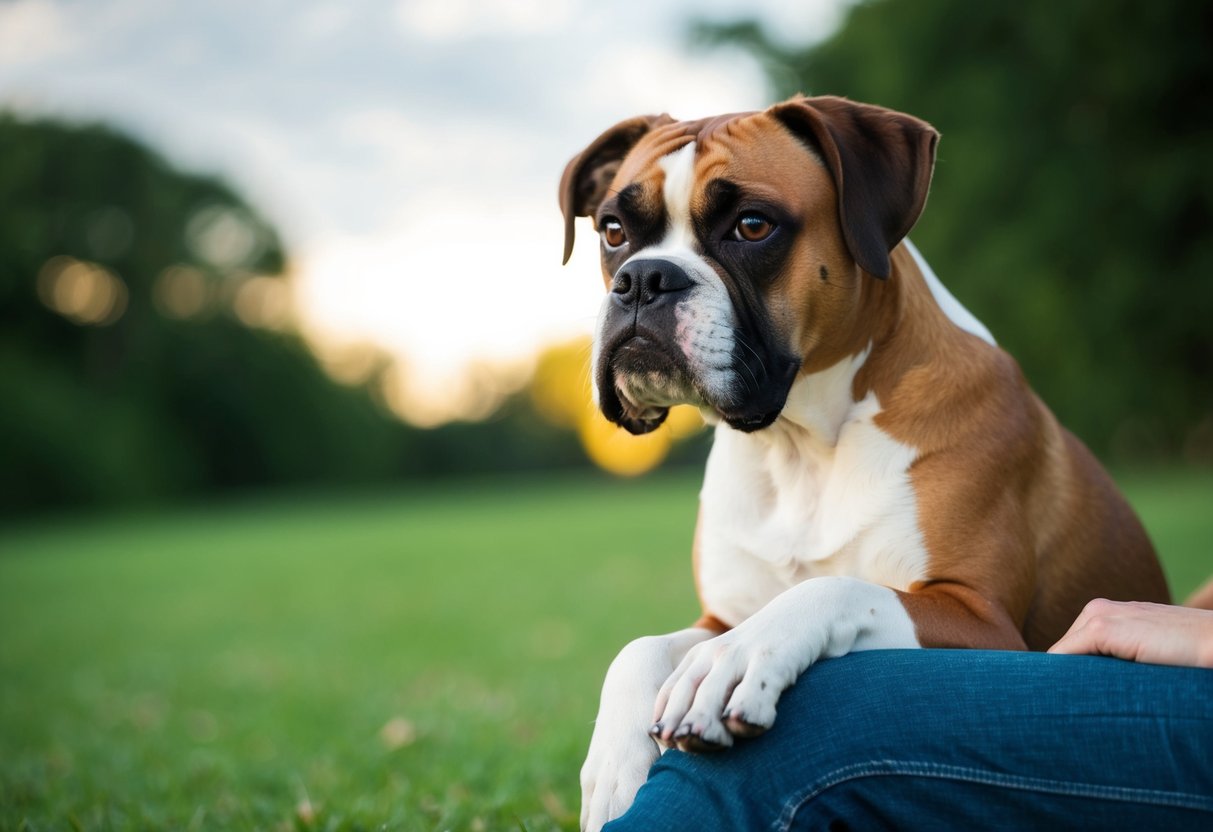
This gesture can also be a sign of comfort. If you’re feeling down or stressed, your dog might sense it and reach out to reassure you. Understanding this behavior can deepen your bond with your dog and help you respond to their needs better.
By paying attention to when and why your boxer puts their paw on you, you can learn more about their feelings and emotions. Whether it’s a call for playtime or just a need for affection, their pawing is a sweet reminder of the special bond you share.
Understanding Dog Pawing as a Form of Communication

Dogs use various behaviors to communicate, and pawing is one of the most noticeable. When your Boxer puts their paw on you, it often has a specific meaning behind it. It’s essential to understand this behavior to respond appropriately.
The Basics of Canine Body Language
Canine body language includes a range of signals that your dog uses to express feelings and desires. Pawing, among other actions, forms part of this language.
When your Boxer puts a paw on you, consider the context. Is their body relaxed, or are they appearing tense? Relaxed body language often indicates a friendly gesture.
Important signals to note include:
- Tail Position: A wagging tail often means excitement.
- Ears: Erect ears show alertness, while laid-back ears can imply relaxation or submission.
By observing these signals along with the pawing, you can better understand what your pooch is trying to communicate.
Pawing as a Means to Express Needs
Pawing is often a form of “manding,” which is a way for dogs to request something they want.
When your Boxer places a paw on you, it may mean they want attention, food, or to go outside. They might also be seeking affection.
Pay attention to other cues, like if they look at their food bowl or the door. These actions can help clarify what they need.
Here are some common reasons for pawing:
- Attention Seeking: They want you to notice them.
- Playful Request: Your dog may want to engage in play.
- Comfort & Affection: They may want a cuddle or some petting.
Recognizing these needs ensures a happier bond between you and your furry friend.
The Emotional Aspects of Pawing
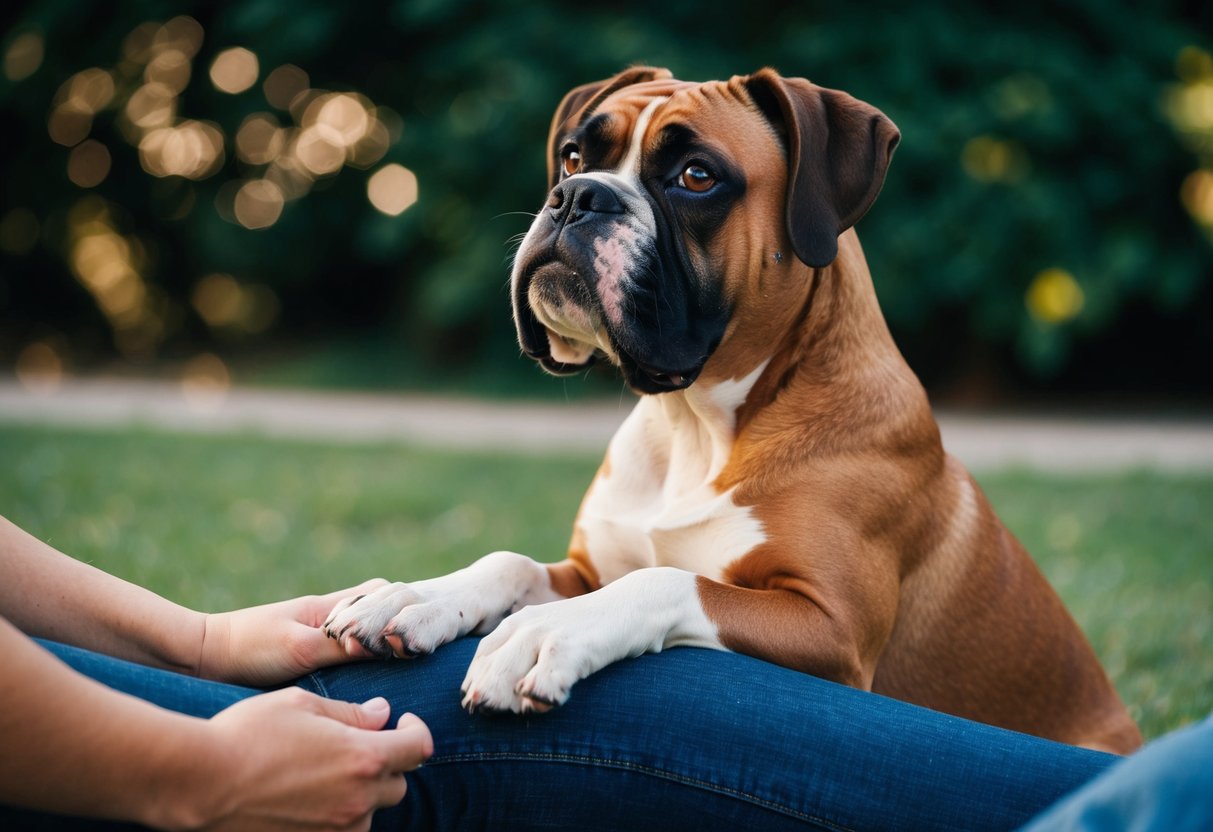
When your Boxer puts their paw on you, they may be expressing deep emotional connections. This behavior often reflects their need for affection or comfort. Understanding these aspects can help you strengthen the bond with your dog.
Showing Affection and Seeking Comfort
Boxers are known for their loving nature. When they put their paw on you, it’s often a way of showing affection. This gentle gesture can feel like a soft hug, reminding you of the special bond you share.
Your dog may also use pawing as a way to connect during moments of stress or uncertainty. If they sense you are feeling down, they might reach out to let you know they are there for you. This creates a sense of safety and warmth that deepens your relationship.
Dealing with Separation Anxiety
Pawing can also be a sign of separation anxiety in Boxers. If they notice you preparing to leave, they may place their paw on you as a plea for reassurance. This is their way of saying, “Please don’t go!”
Boxers thrive on companionship and can feel lonely when you’re not around. It’s important to recognize this behavior as an emotional response. Providing comfort through affection can help ease their anxiety, strengthening your bond even further. Creating a consistent routine can also reduce their stress when you leave them.
The Influence of Attention and Training
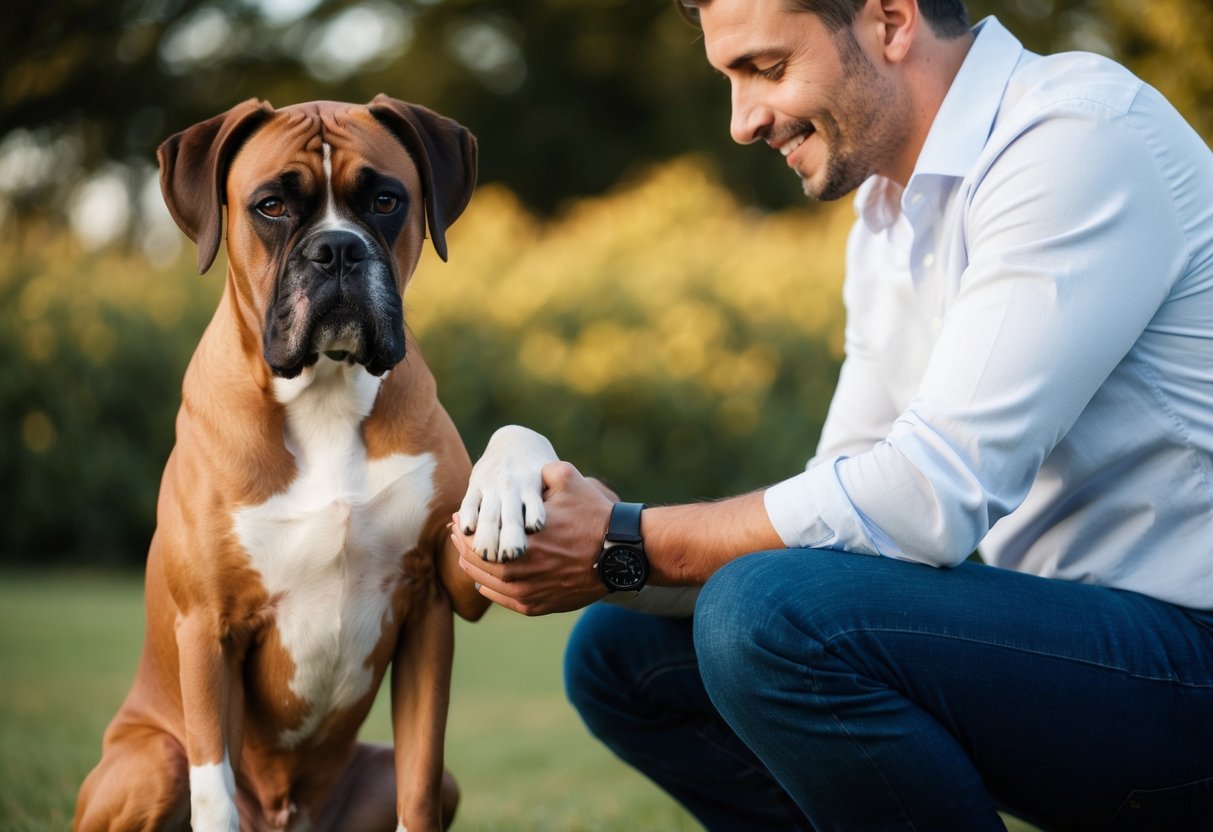
Understanding why your Boxer puts their paw on you involves looking at how attention and training shape their behavior. Your response to their actions can create patterns that reflect their needs for connection and affection.
Positive Reinforcement and Learned Behavior
When you respond positively to your Boxer’s pawing, like petting or talking softly to them, they learn this behavior is a good way to get your attention. This process is known as positive reinforcement.
Every time your dog receives a reward for this action, they are more likely to repeat it. Over time, this can create a habit where they continue to use their paw as a way to connect with you.
For effective training, consider using treats or praise when they show desired behaviors instead of just when they put their paw on you. This helps them understand what you want while encouraging positive actions.
Attention-Seeking Behavior and Its Implications
Pawing can also be a way for your Boxer to seek attention. Dogs are social creatures and thrive on interaction with their owners. If your Boxer feels neglected, they might resort to pawing you to gain your focus.
This behavior can have implications for how well they learn and adjust. Consistent training is important to ensure they understand when they can seek attention appropriately.
If they learn that pawing gets them what they want, it may become a regular method for communication. Balance is key—make sure to engage with your dog in other ways to reinforce positive behavior without encouraging overly demanding actions.
Building a Healthy Relationship With Your Dog
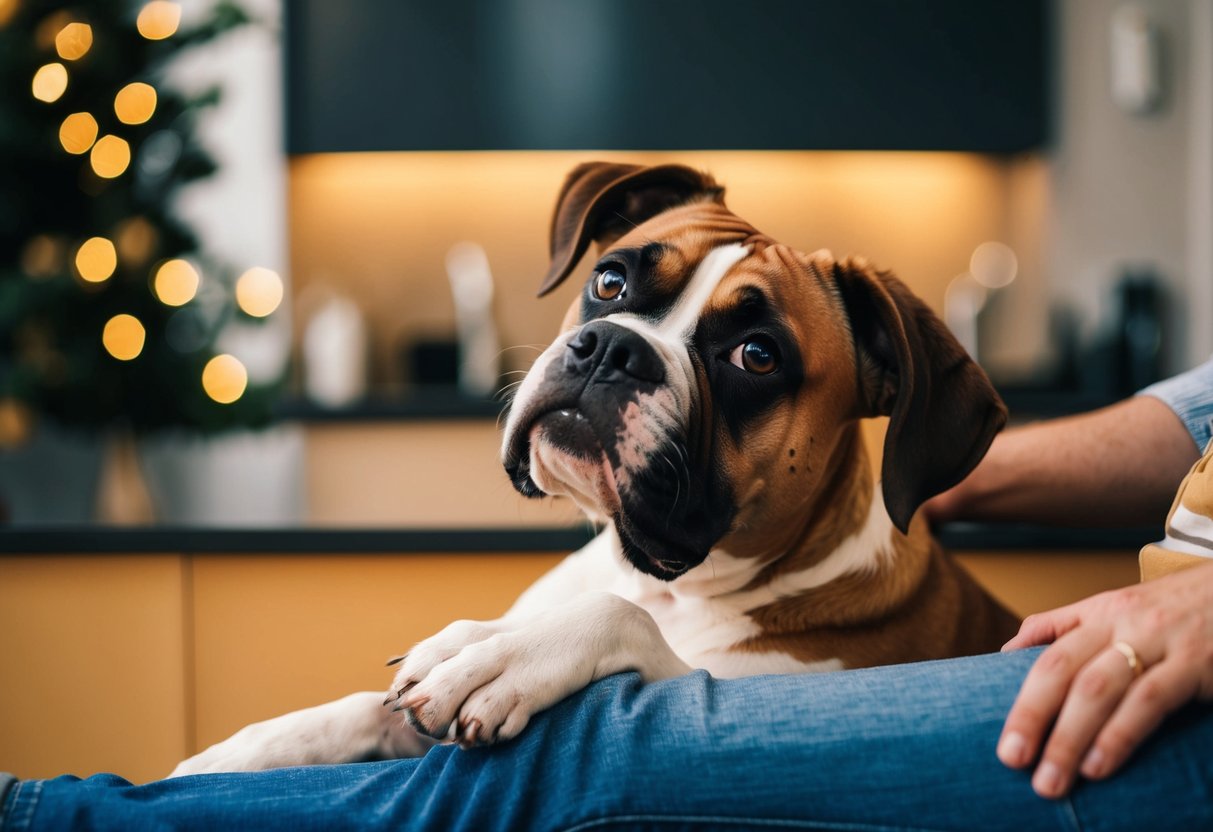
Creating a strong relationship with your dog is essential for both of you. By meeting your dog’s needs and focusing on building a bond, you can enhance your companionship. This leads to a happier, healthier life together.
Meeting Your Dog’s Needs
Understanding your dog’s needs is the first step in forming a healthy relationship. Dogs are social animals that thrive on companionship.
- Physical Exercise: Make sure your boxer gets enough exercise each day. Regular walks and playtime keep their energy levels balanced.
- Mental Stimulation: Puzzle toys and training can keep your dog’s mind sharp. They enjoy challenges that engage their intellect.
- Social Interaction: Regularly expose your dog to other dogs and people. This will help them feel comfortable and reduce anxiety.
By paying attention to their needs, you create a safe environment where your dog can trust you and feel secure.
Strengthening the Human-Dog Bond
Strengthening your bond with your dog requires time and attention. Engage in activities together to build trust and affection.
- Training Sessions: During training, use positive reinforcement. Short sessions can be fun and rewarding. Always celebrate achievements with treats or praise.
- Quality Time: Spend time simply being together. Relaxing on the couch or going for a walk are great ways to connect.
- Body Language: Pay attention to your dog’s body language. Understanding how they communicate will deepen your connection.
These steps help build a lasting bond with your dog, making both of you happier companions.


