
If you’ve ever caught your Boxer sitting and staring at you, you might wonder what’s going through their mind. This behavior often means your dog is seeking attention, trying to communicate their needs, or simply enjoying your company. Boxers are known for their affectionate nature, and their gaze can indicate they want to play, need a walk, or are just being curious about what you’re up to.

Sometimes, your Boxer may stare at you when they’re feeling a little anxious or uncertain. They might be searching for reassurance, especially in new or stressful situations. Understanding these signals can help strengthen the bond you share and ensure your pup feels secure and happy.
As you read on, you’ll discover more about the reasons behind your Boxer’s staring and how to respond to this common behavior. Unlocking your dog’s thoughts can lead to a richer relationship and a happier furry friend.
Understanding Canine Behavior

Dogs communicate in various ways, and their body language plays a significant role. When your boxer stares at you, it can reflect different emotions and intentions.
Canine Body Language and Dog Stare
Your dog’s body language can tell you a lot about their feelings. When your boxer stares at you, consider their posture and facial expressions. A relaxed body and soft eyes often indicate trust and affection. Conversely, a tense stance could signal anxiety or discomfort.
Long eye contact from your dog can also be a way of seeking attention or asking for something, like playtime or food. Understanding these cues will help you respond appropriately to your dog’s needs.
Additionally, if your dog approaches you while staring, it’s often a friendly gesture. This behavior shows that your boxer sees you as a safe companion.
Oxytocin and Bonding
The bond between you and your boxer deepens through actions like staring. When you maintain eye contact, both you and your dog release oxytocin, often called the “love hormone.” This hormone plays a vital role in building trust and affection.
Research indicates that eye contact can strengthen this emotional bond. So when you notice your dog staring, think of it as a way they’re showing love. By engaging in this mutual gaze, you encourage a stronger connection.
In return, you might notice your dog comes to you more often for cuddles or play, reinforcing this positive cycle of bonding.
The Psychology Behind Your Boxer’s Stare
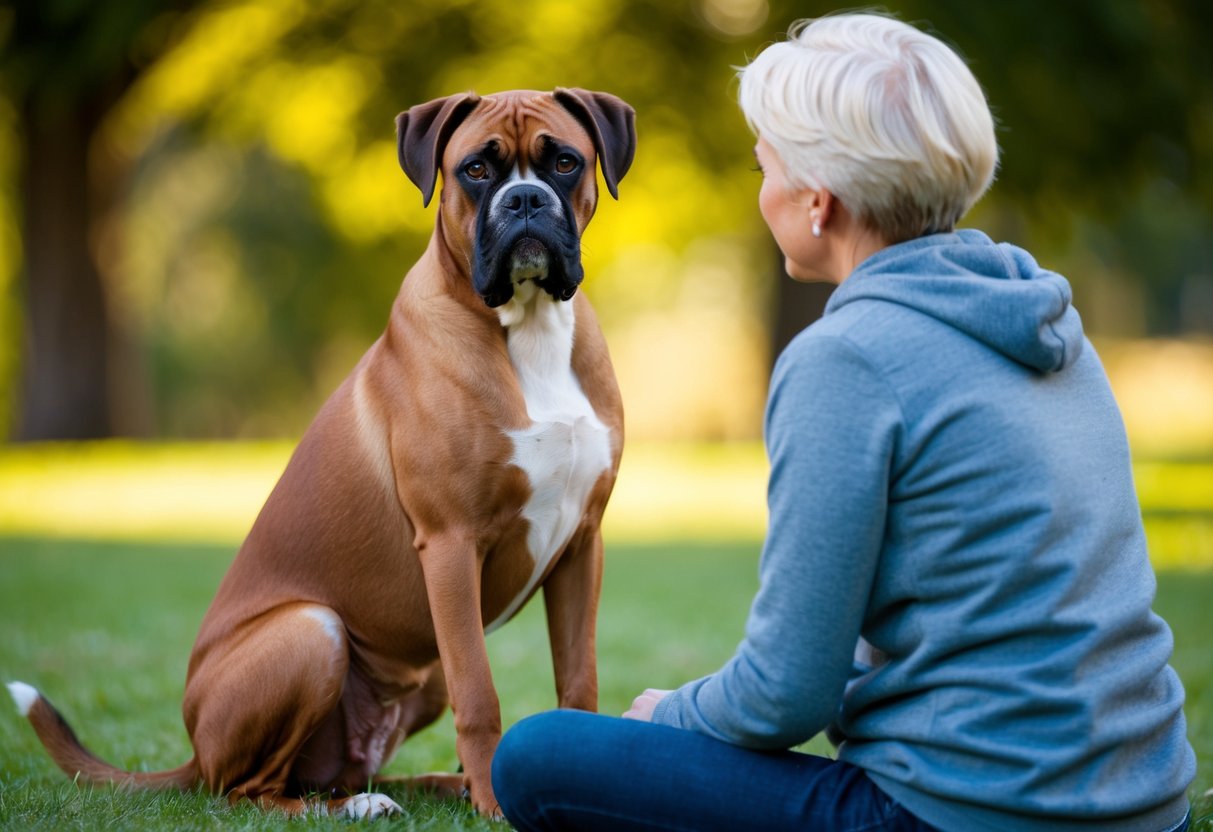
Your Boxer’s stare can reveal a lot about their feelings and intentions. They might be looking at you to seek attention, show affection, or even assert a level of trust. Understanding these behaviors can help strengthen your bond.
Seeking Attention and Affection
When your Boxer stares at you, they often want your attention. This behavior is their way of asking for some love and interaction. If you respond with pets or praise, it reinforces their desire for closeness.
Many Boxers thrive on positive reinforcement. When they get your attention after a stare, it encourages them to repeat the behavior. This can become a fun game of connection.
Staring can also express affection. Your Boxer sees you as part of their pack. They want to feel close and safe with you. When they gaze at you, it’s a sign that they trust you and enjoy your presence.
Asserting Dominance or Trust
At times, your Boxer might stare to assert dominance. This is less common but can happen if they feel unsure of their place in the pack. They may want to establish that they are in charge.
However, trust plays a bigger role in these stares for most Boxers. They look at you for guidance. Your Boxer feels secure knowing you’re there. This kind of stare is generally calm and relaxed, showing they believe in your leadership.
Recognizing the difference between seeking attention and asserting dominance can help you respond appropriately. Trust and bonding are essential. This understanding creates a harmonious environment for both you and your pet.
Improving Your Bond Through Interaction
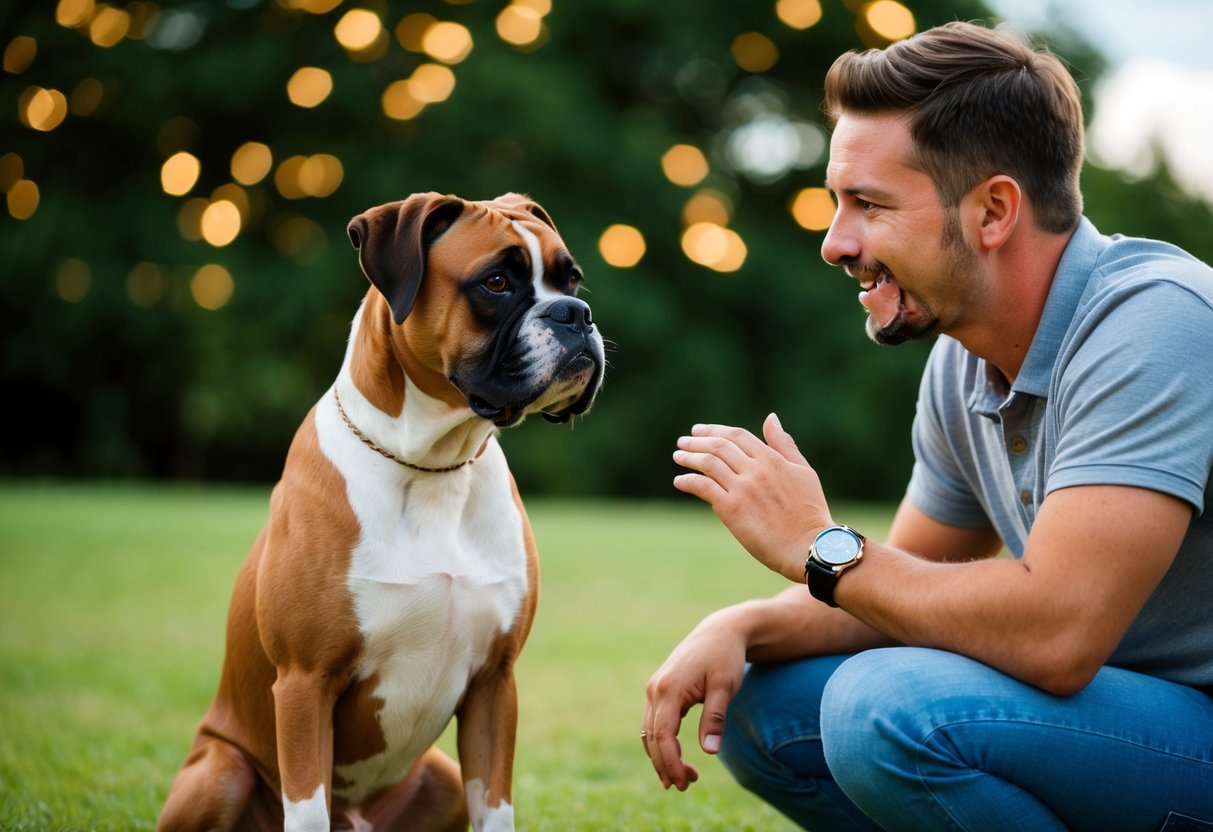
Building a strong connection with your boxer involves fun activities and positive experiences. Engaging in exercise and playtime, along with professional training, can enhance your relationship and lead to a happier, healthier dog.
Exercise and Playtime
Boxers are energetic dogs that thrive on physical activity. Regular exercise is vital for their well-being. Aim for at least two hours of exercise daily. This can include walks, runs, or playing fetch.
Interactive playtime, such as tug-of-war or frisbee, helps strengthen your bond. It encourages mutual staring, showing your boxer feels connected to you.
Tip: Try incorporating new games to keep things fresh. Rotating toys can also maintain interest and excitement.
Plus, engaging in positive reinforcement during play builds trust. Reward your boxer with treats or praise when they follow commands. A strong bond forms through these interactions, making playtime enjoyable for both of you.
Training with a Professional Trainer
Working with a professional trainer can significantly improve your relationship with your boxer. Training classes guide you in effective communication and bonding techniques.
Choose a trainer who uses positive reinforcement methods. This approach encourages good behavior by rewarding your dog. It creates a supportive environment where your boxer can learn and grow.
Training sessions also offer structured time for bonding. Short, fun sessions keep your dog engaged without overwhelming them. Focus on commands like “sit” or “stay” to improve your dog’s behavior and boost your team’s confidence.
Remember, training isn’t just about commands; it’s about building a strong partnership. With a trained boxer, you’ll notice more mutual staring, as your dog seeks your attention and approval.
Health Considerations for Your Boxer

Your Boxer’s health is important for their overall well-being. Understanding their instincts and possible health issues can help you ensure they lead a happy, healthy life.
Safety and Protection Instincts
Boxers are known for their strong protective instincts. This trait makes them great family dogs. If your Boxer sits and stares at you, it might be their way of keeping watch over you.
They feel responsible and want to ensure your safety. Encourage this behavior in a positive way by giving them attention and affection.
Make sure your home is safe. Keep harmful items out of reach. Regular vet check-ups also help keep your Boxer healthy. This way, they can continue to protect you effectively.
Cognitive Dysfunction in Dogs
As dogs age, they can experience cognitive dysfunction, similar to dementia in humans. This condition can make them confused and affect their behavior.
If your Boxer is staring at you more than usual, it could be a sign of this issue. Keep an eye out for other symptoms like disorientation or changes in sleeping patterns.
Providing mental stimulation through games and training can help.
Talk to your vet if you notice these changes. They can suggest ways to support your Boxer’s cognitive health.
Addressing these issues early can improve your dog’s quality of life.


