
Potty training your Boxer puppy can sometimes feel like an uphill battle. If you’re wondering why your furry friend seems to have accidents despite your best efforts, you’re not alone. Boxers are known for their playful and energetic nature, which can make focusing on training a bit challenging.
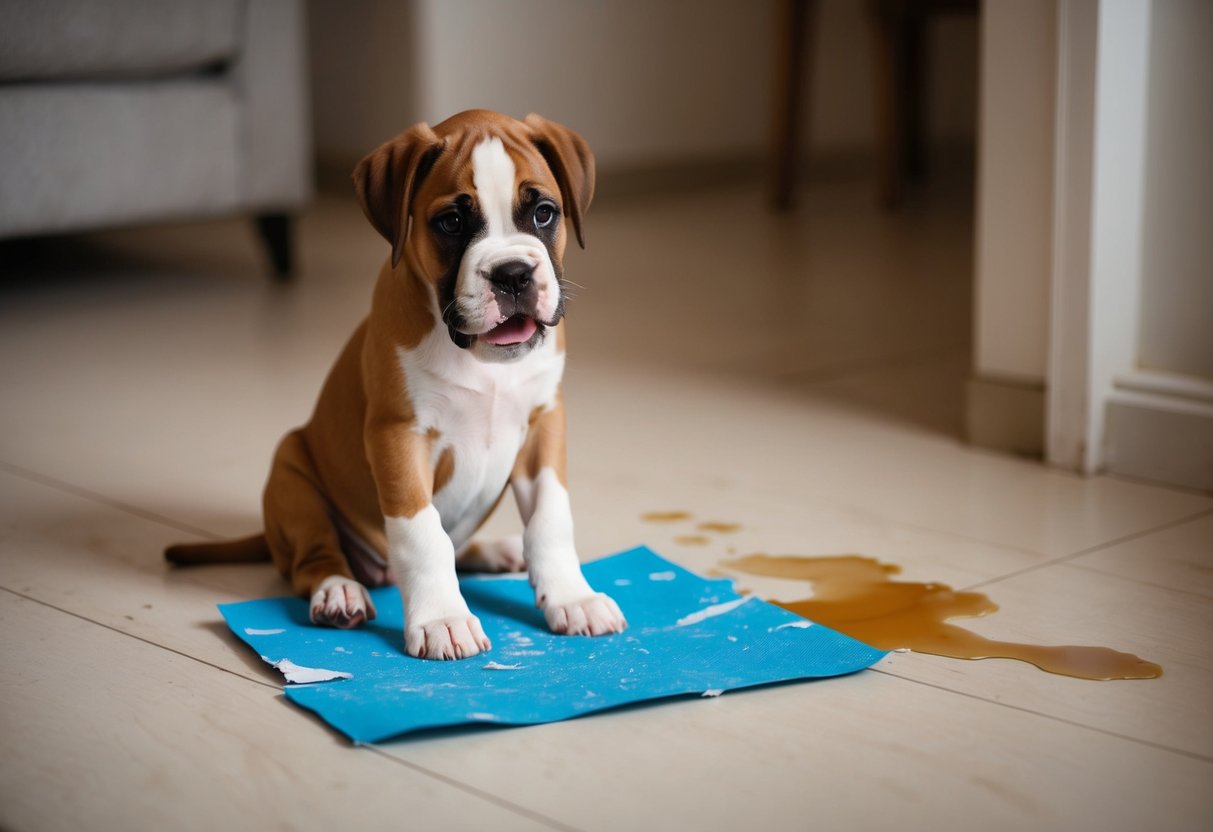
Consistency, patience, and understanding are key to successfully teaching your Boxer where to go. Every puppy learns at their own pace, and some may take longer than others. With the right methods in place, you can turn your puppy into a potty-training pro in no time.
Many factors can affect how quickly your Boxer picks up on potty training, so don’t lose hope. In this article, we’ll explore common reasons for difficulties and offer tips that can make the process easier and more effective.
Understanding Your Boxer’s Nature
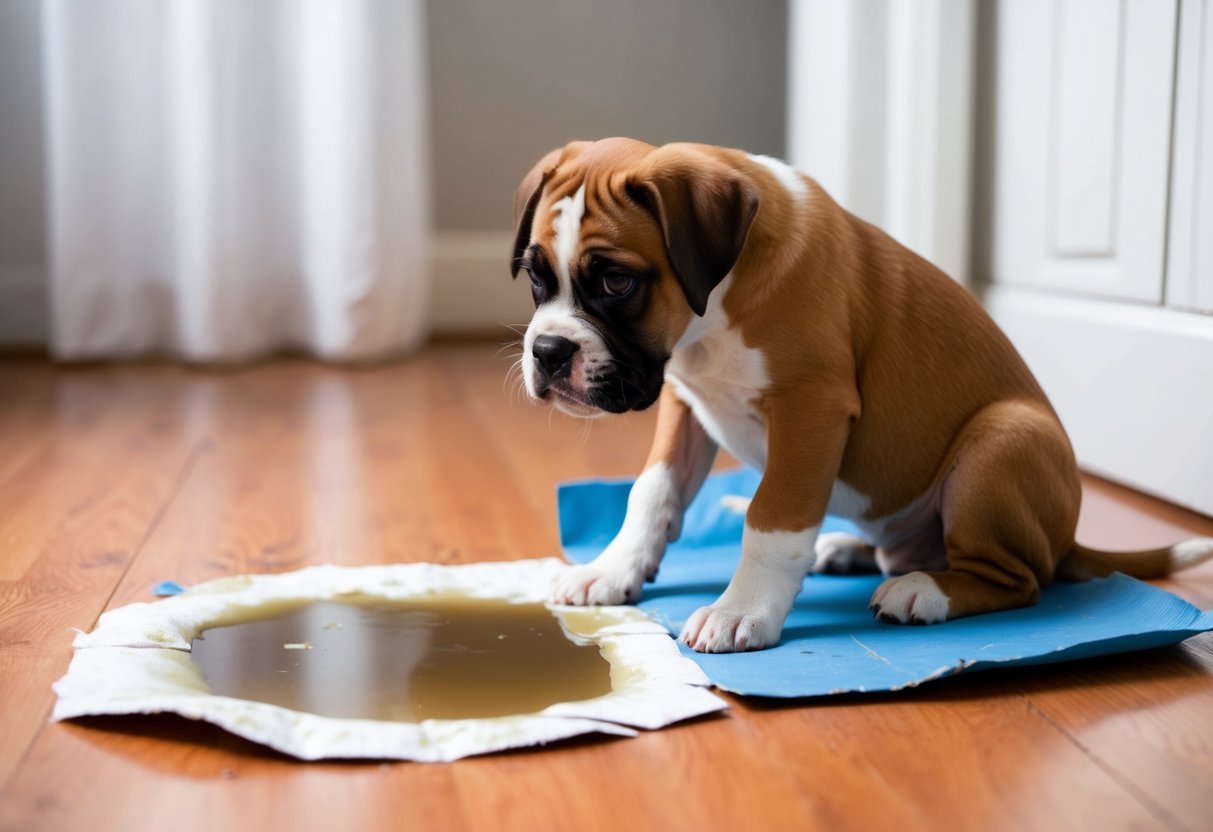
Every Boxer has unique traits that can affect how they respond to potty training. Understanding these traits helps you tailor your approach for better success. It’s also essential to recognize the importance of starting their training early.
Breed-Specific Traits
Boxers are known for their energetic and playful nature. They thrive on social interaction and often want to please their owners. However, this energy can lead to distractions during potty training.
Being stubborn at times is also common in Boxers. They may need consistent reminders and positive reinforcement to learn. Use treats or praise to reward them when they go outside. This creates a positive association with potty training.
Another thing to keep in mind is that Boxers are clean dogs. They prefer to keep their living space tidy. Once they understand where to go, they will want to do it outside.
Importance of Early Training
Starting potty training as soon as you bring your Boxer puppy home is crucial. The earlier you begin, the better your chances of success. Puppies have tiny bladders and need frequent potty breaks.
Take your Boxer outside often, especially after eating or drinking. At this young stage, they learn quickly. Aim for a consistent schedule to help them develop habits.
Using positive reinforcement is vital for training success. Celebrate their successes with treats or praise. This encourages them to repeat the behavior. Patience and consistency will pay off as your Boxer learns to potty outside.
Creating a Structured Routine

Having a structured routine is essential when potty training your Boxer. Consistency helps your puppy learn when and where to go. Establishing specific times for potty breaks and a designated spot can make a big difference in the training process.
Establishing a Routine
Creating a potty training routine is key to your success. Start by taking your Boxer outside first thing in the morning, after meals, and before bedtime. Frequent breaks will help your puppy understand when it’s time to go.
It’s important to stick to this schedule every day. Puppies thrive on consistency, and knowing when they will go outside reduces accidents indoors. Set reminders on your phone to help you stay on track.
Make sure to praise your puppy with positive reinforcement when they go outside. This will encourage them to repeat the behavior. Over time, they will associate going outside with rewards and will be more likely to follow the routine.
Choosing a Designated Potty Spot
Selecting a specific potty spot is also crucial. Pick an area in your yard that is easily accessible and quiet. Having a consistent spot helps your Boxer identify where they should go.
When you take your puppy to this area, use a cue word like “potty” or “go.” Repeat this phrase each time you take them out. This will help your dog connect the word with the action.
If your Boxer doesn’t go right away, don’t be discouraged. Wait a few minutes, then try again. Always reward them when they do go in the correct spot. This reinforcement strengthens the behavior and helps your puppy learn more effectively.
Training Techniques for Success
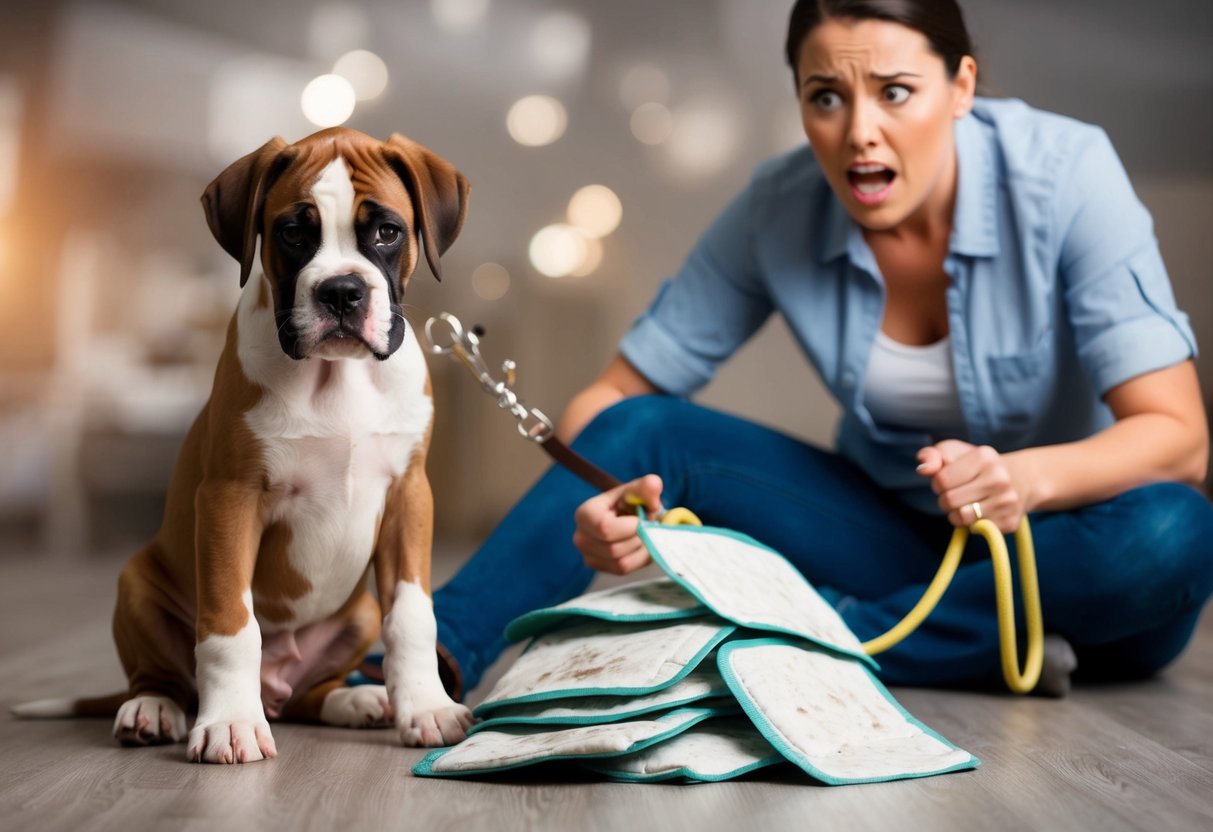
Using the right techniques can make potty training your Boxer easier and more effective. Focus on positive reinforcement and crate training to create a solid foundation for success.
Positive Reinforcement Methods
Positive reinforcement is key to helping your Boxer learn. When your dog successfully goes outside, reward them immediately with treats, praise, or playtime. This encourages them to associate going outside with something pleasant.
Make sure your rewards are consistent and immediate. Use a happy tone to show excitement, helping your Boxer understand they’ve done something right. You can also keep a schedule for potty breaks to establish a routine.
Consider using cue words, like “go potty.” Say this each time you take your dog outside. Soon, your Boxer will connect the words with the action, making it easier for them to know what you expect.
Crate Training Principles
Crate training can be a helpful tool for potty training your Boxer. Dogs naturally avoid soiling their sleeping area. When you use a crate properly, it can promote good habits.
Choose the right size crate—just big enough for your Boxer to stand, turn around, and lie down. If the crate is too large, they may feel comfortable enough to use one corner as a bathroom.
Introduce your Boxer to the crate gradually. Start with short periods, and gradually increase the time as they become more comfortable. Always reward them for entering the crate willingly. This will help create a safe space for your dog and support their potty training journey.
Maintaining Consistency and Patience
To successfully potty train your Boxer, it is essential to maintain consistency and patience. These two elements help set clear expectations for your dog. With the right approach, you can make the process smoother and more effective.
Consistent Supervision
Consistent supervision is crucial for potty training a Boxer. You should keep an eye on your dog, especially during the early stages. This can prevent accidents and help you catch signs that your Boxer needs to go outside.
Use a leash or a confined space to monitor their movements. When you can’t watch them closely, consider placing your dog in a crate. Make sure it’s not too large, as Boxers will avoid soiling their den.
Always reward your Boxer for going potty outside. Positive reinforcement encourages good behavior and helps them learn the routine faster.
Tracking Progress
Tracking your Boxer’s progress can give you a better understanding of their potty habits.
Create a simple chart to log when they go outside and when accidents happen indoors. This will help you identify patterns and know when to take them out.
You may notice your dog tends to go after meals or after playtime.
Use this information to develop a potty training routine. Take your Boxer out regularly, especially during these times, to improve their chances of success.
Don’t forget to celebrate small victories.
Acknowledging progress helps motivate you and your Boxer, making the potty training journey a bit more enjoyable.


