
If you’ve noticed your Boxer walking sideways, you might wonder what’s going on with your furry friend. Boxers may walk sideways due to various reasons, including pain, injury, or even just trying to avoid something in their path.
It can be concerning to see this unusual behavior, but understanding the possible causes can help you figure out how to support your dog.
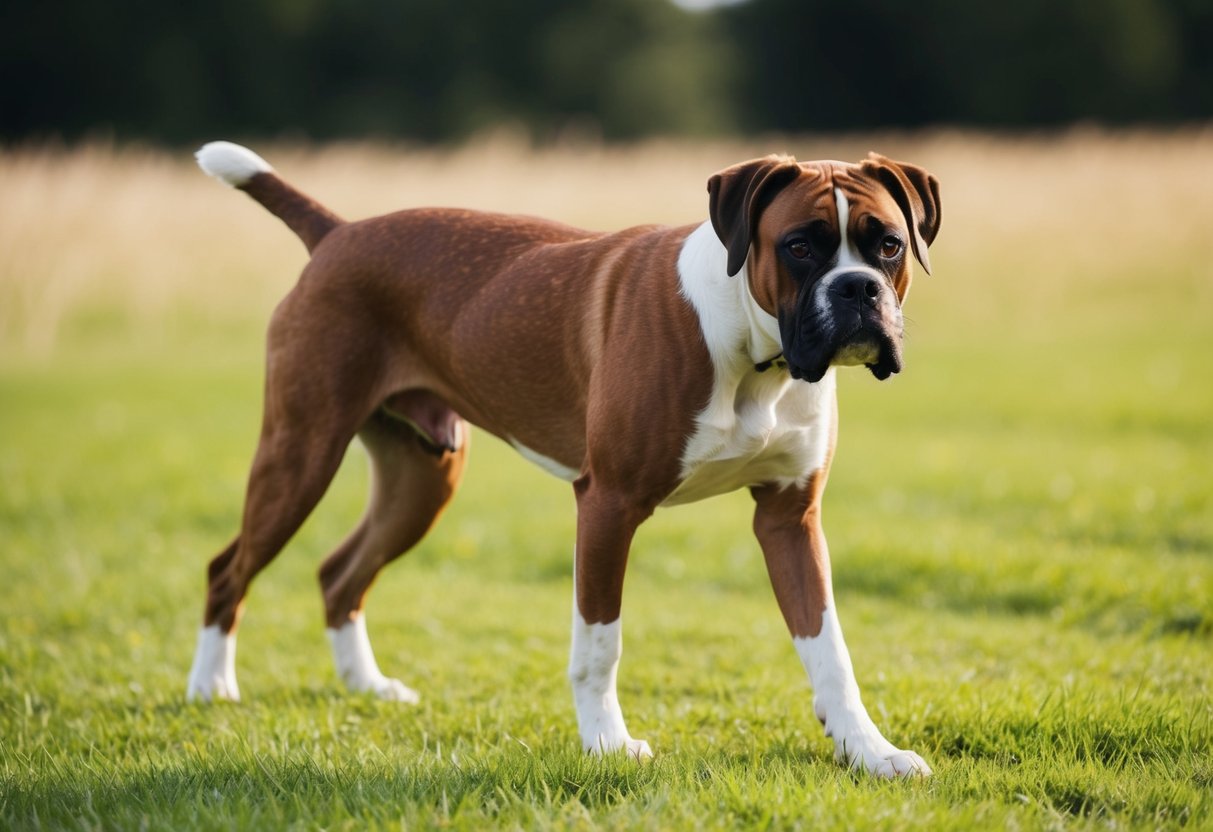
Dogs, especially Boxer breeds, often communicate through their movements. Sideways walking can be a sign of discomfort or stress. Sometimes, it can indicate that your dog is trying to navigate around obstacles or other pets.
Recognizing these signs early can be key in ensuring your dog stays happy and healthy.
Keep an eye on your Boxer’s overall behavior. If the sideways walking seems excessive or is accompanied by other signs of distress, consulting your vet might be a good step. Understanding the reasons behind this behavior can help you provide the best care for your beloved pet.
Understanding Sideways Walking in Boxer Dogs

If you notice your boxer dog walking sideways, also known as sidewinding or crab-walking, you might wonder why this happens. This behavior can appear funny but may also signal other issues.
One reason for this sideways walking could be a lack of coordination. Boxers are energetic dogs that love to run and play, but sometimes they can struggle with balance, making them walk sideways instead of straight.
You should pay attention to how often this happens. If your dog does this occasionally but seems healthy otherwise, it might just be a quirky behavior. However, if your boxer shows signs of discomfort or walks sideways all the time, it could indicate a problem that needs a vet’s attention.
Some common causes of crabbing in dogs include:
- Muscle Strain: A pulled muscle can affect how your dog moves.
- Joint Issues: Problems with joints can cause pain and lead to unusual walking patterns.
- Spinal Problems: Issues with the spine may also impact movement.
Keep an eye on your dog. If the sideways walking continues or worsens, consider showing a video to your vet. They can help determine if there’s a medical reason behind your boxer’s sidey moves.
Common Health Conditions Leading to Sideways Walking
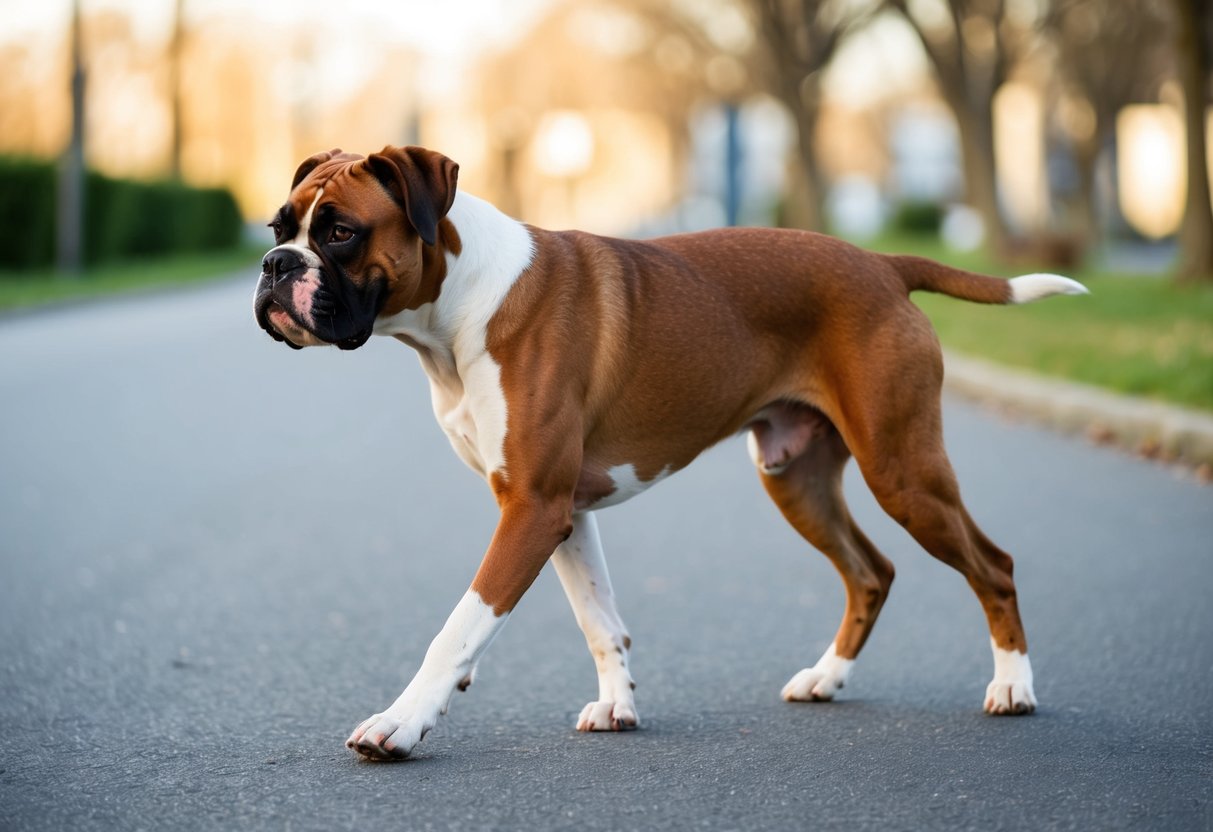
If your boxer dog is walking sideways, it can be concerning. Various health conditions may be causing this behavior, impacting their movement and overall well-being. Let’s explore some key health issues to help you understand what might be going on.
Hip Dysplasia and Its Impact on Movement
Hip dysplasia is a common condition in many dog breeds, including boxers. This genetic issue causes abnormal formation of the hip joint. As a result, your dog may experience pain, stiffness, and difficulty in moving.
When affected, boxers often try to avoid putting too much weight on the painful leg. This can lead to sideways walking as they shift their weight to alleviate discomfort.
Regular check-ups with your vet can help catch hip dysplasia early. Treatment options may include medication, physical therapy, or sometimes surgery.
Vestibular Disease and Balance Issues
Vestibular disease affects the inner ear and balance. When dogs suffer from this condition, they may lose their sense of balance, leading to abnormal movements like walking sideways. Boxers might show signs such as dizziness, nausea, and unsteady walking.
Idiopathic vestibular disease is common in older dogs but can occur in younger ones as well. With this type, the cause is often unknown, but the symptoms can be very distressing.
A veterinary evaluation is crucial to diagnose this issue. Depending on the severity, treatment may involve medications and supportive care.
Ear Infections Affecting Equilibrium
Ear infections are another common reason for sideways walking in dogs. When your boxer has an ear infection, it may experience pain and discomfort, which affects its ability to maintain balance.
You might notice your dog shaking its head or scratching its ears frequently. An ear infection can also lead to inflammation, making it harder for your dog to orient itself.
If you suspect an ear infection, consult your vet for diagnosis. Treatment usually involves cleaning the ear and antibiotics to clear the infection.
Neurological Disorders and Abnormal Gait
Neurological disorders can also result in abnormal gaits, including sideways walking. Conditions such as brain tumors or even strokes can impact normal coordination.
If your boxer displays sudden changes in behavior or movement, it’s important to seek veterinary help promptly.
Neurological diseases may lead to muscle weakness and disorientation. This can manifest as your dog walking sideways to compensate for its unsteady state.
A proper diagnosis is essential, as different conditions require specific approaches for treatment. Regular veterinary visits will help identify any potential health issues early on.
Behavioral and Environmental Factors

Your boxer may walk sideways due to various behavioral and environmental factors. It’s essential to consider how muscle strain, injuries, and arthritis can affect their movement and overall comfort.
Muscle Strain or Injury
If your boxer is walking sideways, it might indicate a muscle strain or a hidden injury. Strains can happen during play or exercise, causing pain that makes your dog adjust its movement.
Pay attention to signs of discomfort, like reluctance to jump or play. You might notice your dog favoring one side, which results in a sideways gait.
Rest and proper care are vital for recovery. Consult your veterinarian if the behavior continues.
Arthritis Related Movement Issues
Arthritis is another common reason for abnormal walking patterns in boxers, especially as they age. This condition inflames joints, leading to pain and discomfort.
You may notice your boxer is less active or has difficulty getting up after lying down. Their movement might become stiff, causing them to walk sideways to avoid painful joints.
Keeping your dog at a healthy weight and providing joint supplements can help ease their symptoms. Regular vet visits are vital in managing arthritis effectively.
Breed Specific Traits and Comparisons

When considering why Boxer dogs might walk sideways, it’s important to look at their unique traits as well as how they compare to other breeds. Understanding these key aspects can help you better grasp your Boxer’s behavior.
Inherent Traits in Boxers That May Cause Unique Walks
Boxers are energetic and playful, often exhibiting a lively and sometimes awkward way of moving. Their muscular build and short snouts can affect their gait. If a Boxer is in pain, they might walk sideways to ease discomfort.
This behavior can also stem from their tendency to seek attention. You might find your Boxer walking sideways if they feel excited or are trying to avoid something.
These traits make it important to observe any changes in their walking patterns. If you notice a persistent sideways walk, it may be worth consulting with a vet to rule out any health issues.
Walking Patterns Among Other Breeds
Different dog breeds have unique walking patterns based on their physical traits and temperaments.
For example, German Shepherds tend to walk in straight lines, which showcases their strong and steady nature.
Border Collies are agile and light on their feet, which helps them maneuver quickly. In contrast, Spaniels and Cocker Spaniels can exhibit a bouncy gait due to their floppy ears and playful demeanor.
Pointers and Vizslas, known for their hunting instincts, often walk purposefully with a smooth stride. Each breed’s walking style can reflect its function and characteristics, emphasizing the diversity among dogs.


