
If you’ve ever watched a Boxer dog play, you might have noticed their adorable clumsiness. These energetic pups tend to trip over their own feet or crash into things as they zoom around. Boxers are naturally playful and enthusiastic, which often leads to their clumsy behavior. Their excitement can make them oblivious to their surroundings, resulting in some funny, albeit awkward, moments.
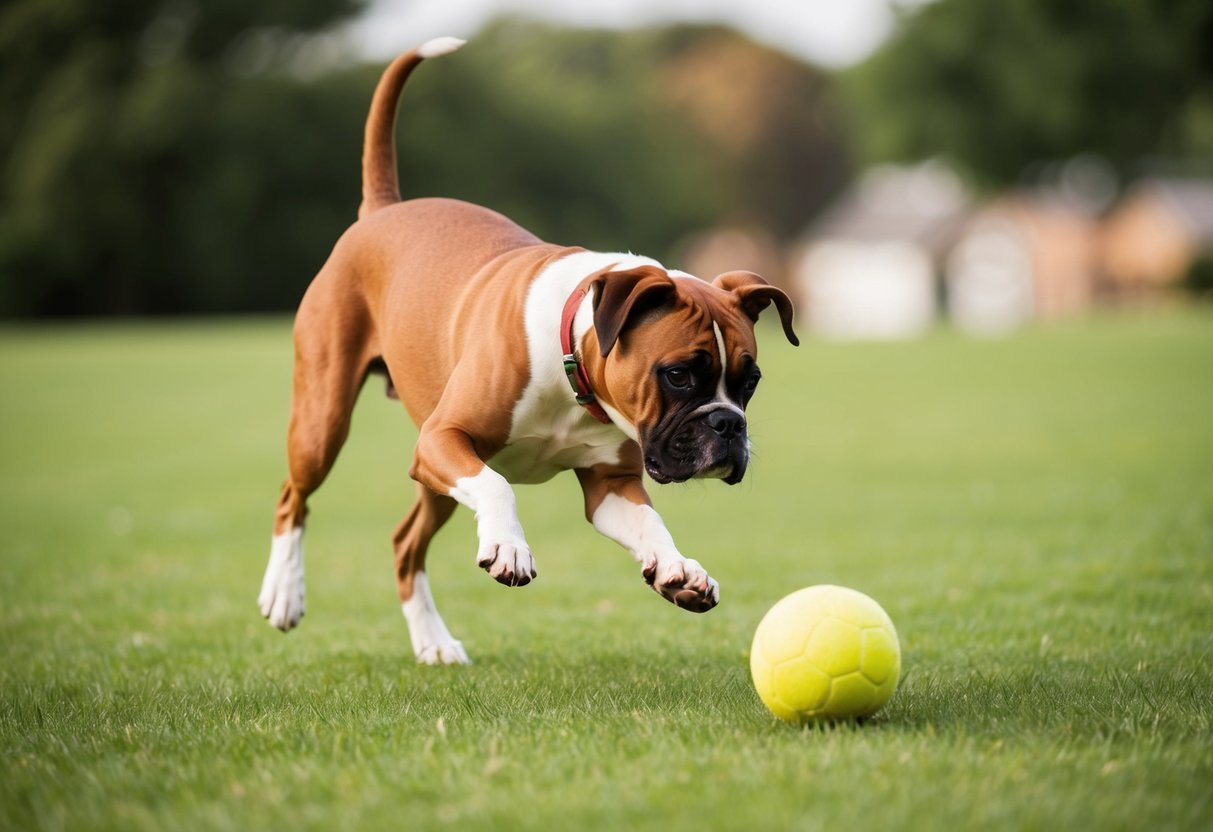
The combination of their size, energy, and youthful spirit contributes to their lack of coordination. Boxers typically grow quickly, and their bodies can outpace their ability to control them, especially during their adolescent stage. This makes them prone to tumbles and falls as they navigate their environment while still figuring out their growing limbs.
As you watch your Boxer embrace its playful nature, it’s important to remember that this clumsiness is part of their charm. Understanding why they occasionally get tangled up can help you appreciate their personality even more. So, let’s dive into the reasons behind this beloved breed’s endearing awkwardness.
Boxer Dog Characteristics

Boxer dogs are known for their unique blend of physical traits, energetic temperament, and strong family loyalty. These characteristics can help you understand why they might be a bit clumsy, especially when they’re excited.
Physical Attributes
Boxers are medium-to-large dogs with a muscular build. Their strong bodies make them appear powerful. However, this also contributes to their clumsiness.
They have a short coat that can come in two main colors: fawn and brindle. Boxers have a distinctive square-shaped head and a short muzzle. Their playful and energetic nature means that they often run and jump with enthusiasm, which can lead to accidental bumps and falls.
If you’re considering a Boxer, be ready for a dog that may not always be graceful!
Temperament and Behavior
Boxers are known for their playful and lively attitude. They are energetic dogs that thrive on activity. This excitement can make them a bit clumsy, especially during playtime.
They are also very intelligent, which means they need mental stimulation. If they don’t get enough exercise or challenges, their excess energy can lead to chaotic behavior. Boxers usually have a friendly disposition and love being around people. Their loyalty makes them a great addition to any family.
Be sure to give them plenty of toys and playtime to keep them happy and engaged!
Boxer as a Family Dog
Boxers are wonderful family dogs. They are known for being good-natured and playful with children.
These dogs bond closely with their families and often act as protectors. However, due to their size and energy, it’s essential to supervise them around small children to prevent accidental knocks.
Boxers thrive in active households where they can join in the fun. Regular walks and play sessions keep them healthy and calm. With a Boxer, you get a loyal companion who loves to be part of your family’s adventures!
Factors Influencing Clumsiness in Boxers
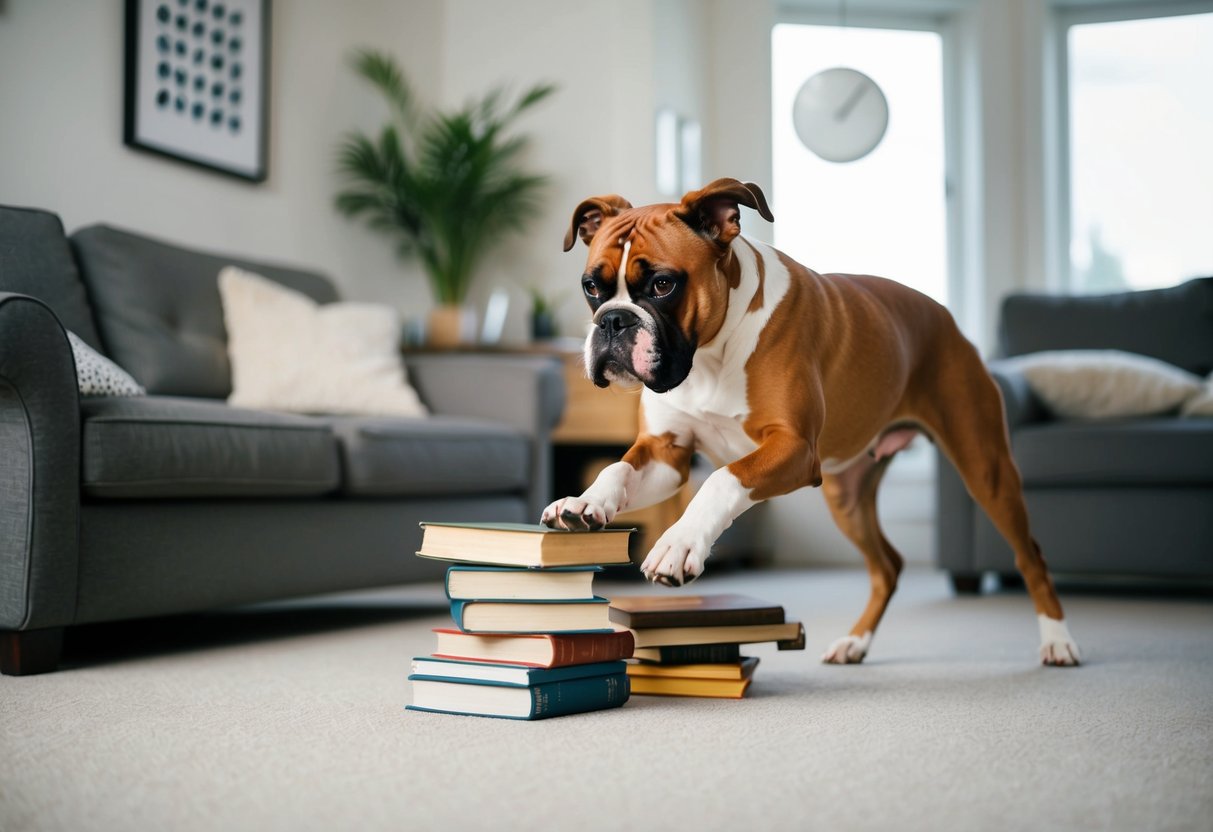
Boxer dogs can display clumsiness for various reasons. Understanding these factors helps you care for your boxer better.
Growth and Development Stages
During their growth phases, boxers often experience awkwardness. As they grow, their bodies change quickly. This rapid growth can lead to uncoordinated movements. For example, their legs may grow faster than their overall balance adjusts.
Young boxers, especially puppies, might not control their energy well. They tend to run and jump without thinking. This playful behavior contributes to their clumsy antics. As they age, their coordination improves, though they may still have moments of goofiness.
Maintaining a regular exercise routine can help. It supports their muscles and coordination. You’ll notice your boxer becoming more graceful with time.
Health Issues Related to Coordination
Health problems can also affect your boxer’s coordination. Conditions such as hip dysplasia or neurological issues may lead to clumsiness. Hip dysplasia, common in the breed, can cause pain and unsteady movement.
Boxers can also face other health risks that impact their balance. For instance, ear infections may affect their stability. An ear infection can disrupt their sense of balance, causing them to stumble.
Regular vet check-ups are important. They can catch any emerging health issues early. Keeping your boxer healthy through proper diet and exercise will support their overall coordination. This contributes to a happier, more confident dog.
Improving Boxer Coordination
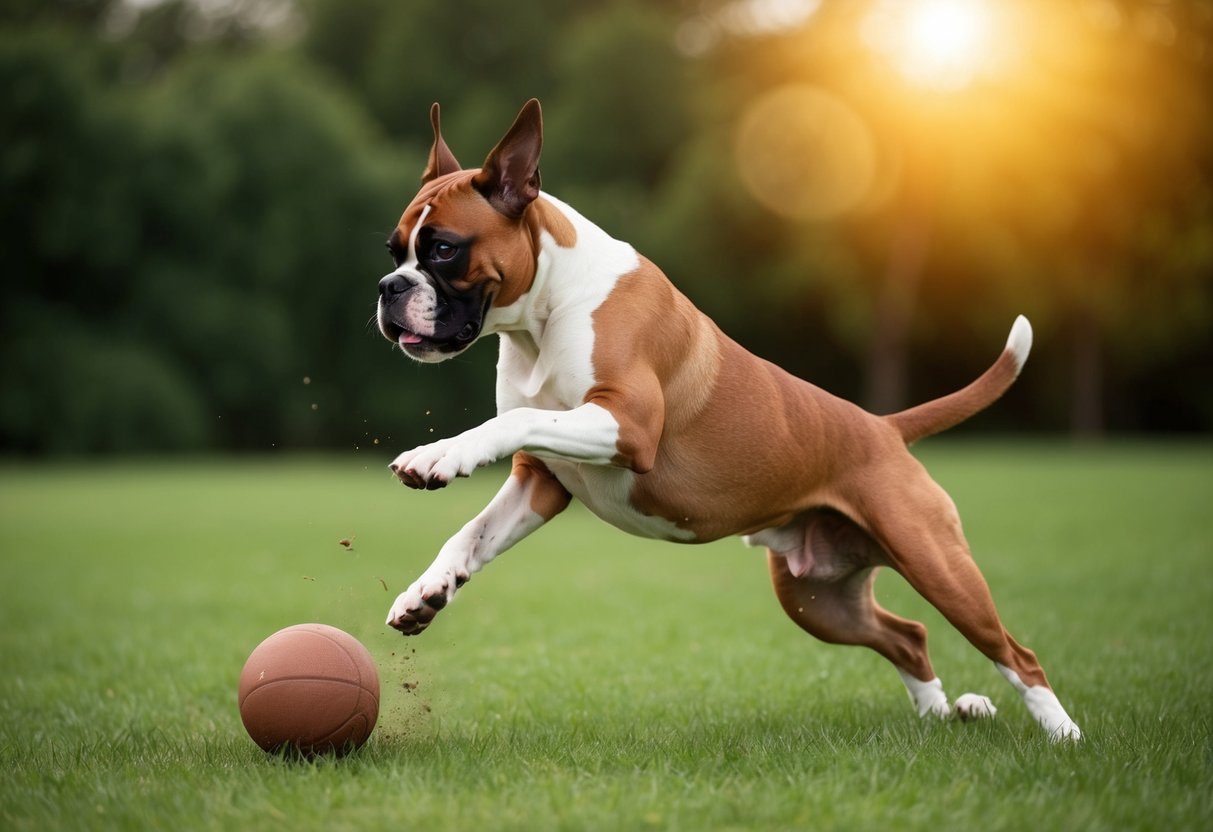
Boxers are known for their playful nature, but sometimes their excitement can lead to clumsiness. You can help your Boxer improve their coordination through targeted training and appropriate play. Engaging activities will not only enhance their balance but also strengthen your bond with them.
Training Tips and Tricks
Using specific training exercises can greatly enhance your Boxer’s coordination. Start with basic commands like “sit” and “stay.” These activities help them focus and become more aware of their body movements.
Incorporate fun tricks, like teaching them to spin or weave between your legs. You can also use agility exercises with tunnels, jumps, and cones. These not only boost coordination but provide mental stimulation.
Make sure to use positive reinforcement with treats or praise. This encourages your dog to learn and enjoy the exercises. Consistency in practice, even for short sessions, will lead to better results.
Appropriate Play and Exercise
Playtime is crucial for improving your Boxer’s coordination. Use dog toys like balls or frisbees to encourage chasing and retrieving. This not only exercises them but also helps with their coordination.
Consider activities that require agility, such as setting up a mini obstacle course in your yard. You can include items for jumping over or weaving through. Engaging in regular exercise enhances their muscle tone and balance.
Another option is to explore dog sports, which can serve as a fun way to improve coordination. Participating in organized events like agility trials or obedience competitions can also be rewarding for you and your pet.
Boxer Dogs in Different Roles

Boxer dogs are versatile and can take on various roles, making them special companions. Their playful nature works well in many settings.
Service Dogs
Boxers can be excellent service dogs. They are strong and can help individuals with mobility challenges. Their friendly demeanor makes them approachable and comforting.
Therapy Dogs
With their calm temperament, Boxers often serve as therapy dogs. They provide emotional support in hospitals or schools, helping to ease anxiety in people.
Hunting Dogs
Boxers have a strong instinct for hunting. Their energy and keen senses make them good companions for hunters. They can retrieve game and keep up with active outdoor activities.
Police Work
Some Boxers are trained for police work. They excel in this role due to their intelligence and loyalty. They can participate in search and rescue missions and detect drugs.
Separation Anxiety
Boxers are known for being affectionate. They may experience separation anxiety when left alone. Being involved in activities or training helps them cope better.


