
If you’ve noticed that your Boxer is shedding more than usual during winter, you’re not alone. Many dog owners see increased shedding in their pets during this season. The winter shedding in Boxers can often be linked to seasonal changes, which affect their coat and overall health.
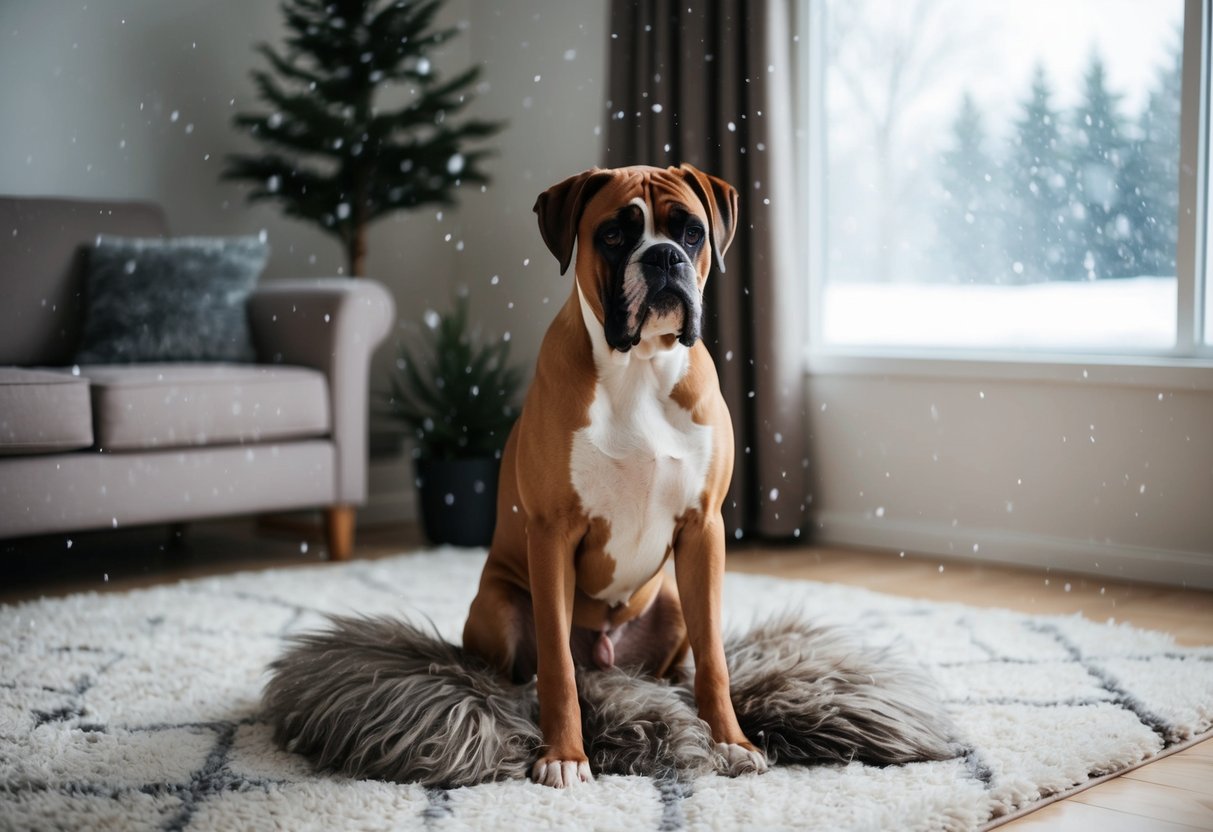
Understanding why your Boxer sheds can help you manage it better. Factors like changes in temperature and humidity can lead to this natural process.
While Boxers typically have a short coat, even they can lose more fur when their bodies adjust to different conditions in winter.
Taking steps to groom your dog regularly can also make a difference. With the right tools and techniques, you can reduce the amount of shedding fur in your home and keep your Boxer looking and feeling great through the colder months.
Understanding Boxer Shedding

Shedding is a natural part of having a Boxer. Knowing more about their coat and shedding patterns helps you manage it better. Let’s dive into the key aspects of Boxer coats and shedding.
Boxer Coat Characteristics
Boxers have a short, smooth coat that is generally low-maintenance. This breed typically has a single layer of fur, meaning they do not have an undercoat. The lack of a double coat means your Boxer may shed less than some other breeds.
Their coat should look shiny and healthy if your dog is well cared for. Regular grooming can help keep their coat in top shape. Pay attention to any changes in texture or color, as these could signal health issues.
Normal vs. Excessive Shedding
It’s essential to understand the difference between normal and excessive shedding in Boxers. Normal shedding occurs throughout the year, usually increasing during seasonal changes. Most Boxers shed a bit during spring and fall as they change coats.
If you notice your Boxer shedding more than usual, it might be excessive. Factors like stress, poor diet, or health problems can contribute to excessive shedding. If your dog is losing clumps of hair or developing bald spots, it’s a good idea to consult a veterinarian.
Factors Affecting Shedding Patterns
Several factors influence how much your Boxer sheds. Genetics plays a significant role. If your dog’s parents shed a lot, your pet might too.
Environmental changes, such as temperature and humidity, can also affect shedding. Dry indoor air in winter may cause your dog to shed more. Moreover, health issues like allergies or skin infections can lead to increased shedding.
A well-balanced diet supports a healthy coat and can help minimize shedding too. Regular vet check-ups ensure your Boxer remains healthy and happy.
Seasonal Influences on Shedding
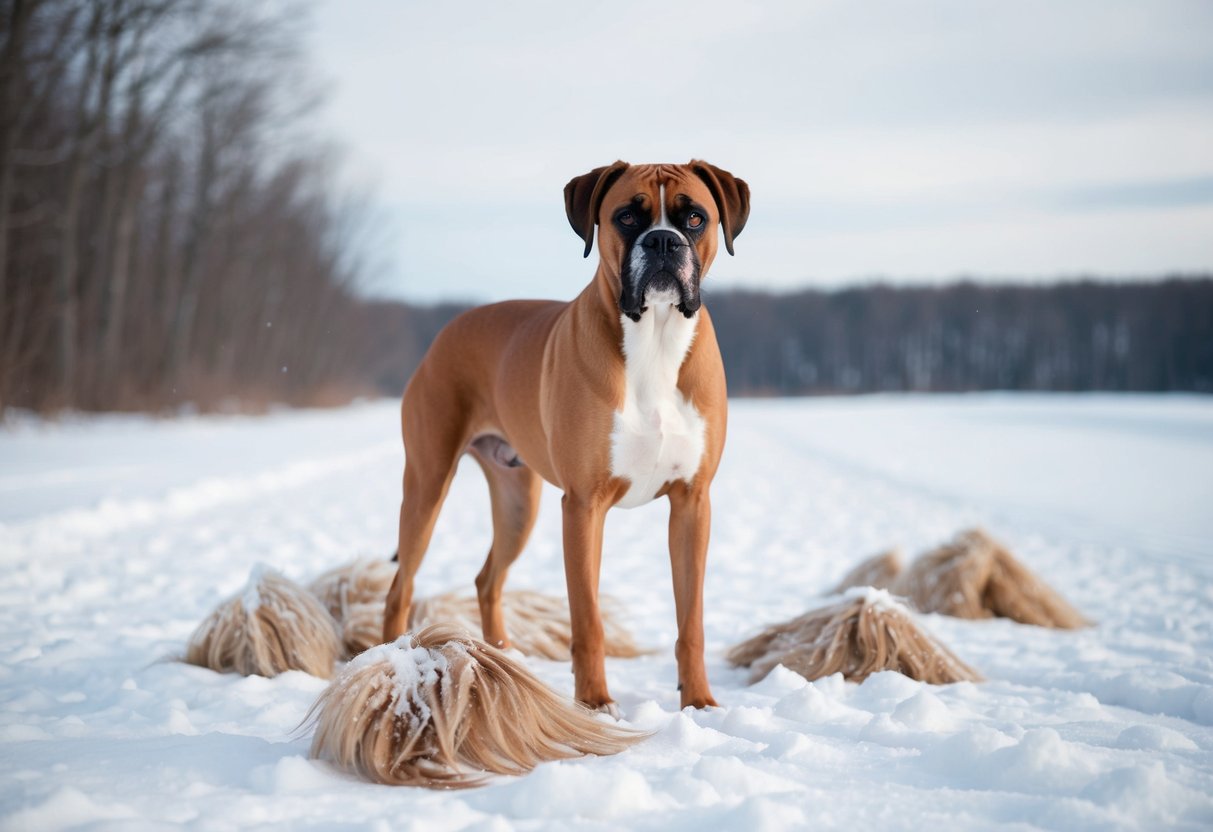
Understanding seasonal influences can help you manage your Boxer’s shedding in winter. Factors like temperature changes and your pup’s biological responses play a key role in how much they shed during the colder months.
Temperature and Seasonal Changes
Temperature fluctuations are a major factor in shedding. During winter, the colder weather often leads to changes in your dog’s coat. Boxers can lose more hair as they adapt to the cooler temperatures.
As days get shorter, your Boxer might shed less due to having a thicker winter coat. This change helps them stay warm. However, if your dog seems to be shedding excessively, it might indicate stress or an unusual response to their environment.
Keep an eye on your dog’s coat condition and adjust their grooming routine accordingly. Regular brushing can help manage excess hair and distribute natural oils, keeping their skin healthy.
The Role of the Pineal Gland
The pineal gland plays a significant role in regulating seasonal shedding. This small gland helps control your dog’s biological clock. As daylight hours decrease in winter, the pineal gland can trigger changes in your dog’s shedding patterns.
The gland regulates hormones that influence fur growth and loss. As a result, you may notice more hair coming off during some parts of the winter season. Providing a consistent routine with plenty of light can help mitigate these effects.
Understanding your Boxer’s shedding patterns can enhance your grooming practices. The right approach will help keep their coat healthy and reduce the amount of fur around your home.
Managing Your Boxer’s Shedding
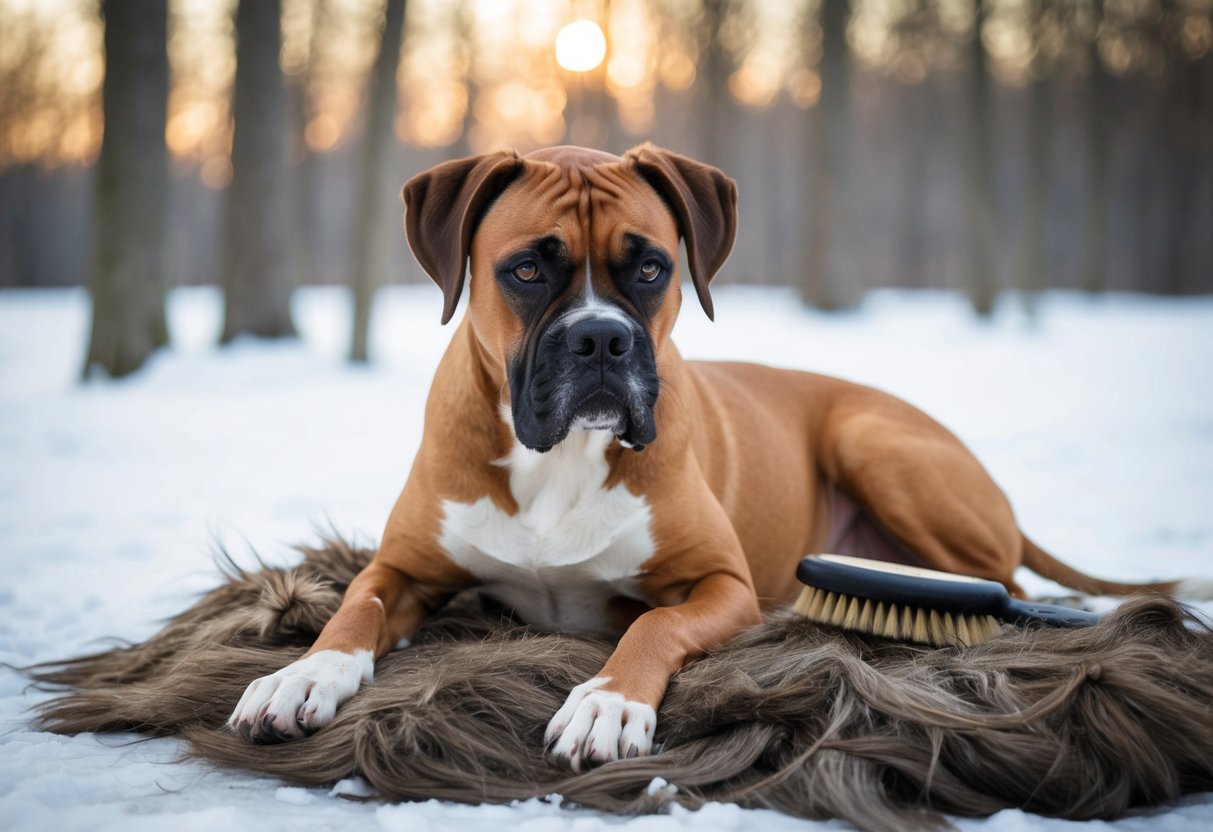
Managing your boxer’s shedding effectively involves several important steps. Regular grooming, dietary choices, and addressing skincare needs can make a significant difference in how much your dog sheds, especially during winter. Here’s how you can tackle each aspect.
Regular Grooming and Tools
Regular grooming is key to keeping your boxer’s shedding in check. Using a high-quality de-shedding tool can help remove loose hairs before they fall out around your home. Aim to brush your dog at least twice a week, or more during heavy shedding periods.
When grooming, pay attention to your dog’s undercoat. Boxers have short hair, but they still shed, especially during seasonal changes. Use appropriate tools, like rubber brushes or shedding combs, to gently remove dead hair. This helps improve your boxer’s coat quality and keeps their skin healthy.
Dietary Considerations
A balanced diet can dramatically affect your boxer’s coat condition and shedding. Ensure that your dog is getting all the necessary nutrients, including vitamins and minerals. Omega-3 fatty acids are essential, as they help maintain a shiny and healthy coat.
Consider adding omega fatty acid supplements to your dog’s diet if they are not getting enough from food. Consult with your veterinarian for the best options. Additionally, hydration plays a role in skin health, so provide fresh water daily. A good diet reduces skin irritations that might lead to increased shedding.
Skincare and Allergy Management
Skin health is crucial for managing shedding. Allergies can cause your boxer’s coat to suffer and lead to excessive shedding. If your dog shows signs of itching or redness, visit the vet for advice. They may recommend special dog shampoos to soothe your dog’s skin and reduce shedding.
Using the right dog shampoo can remove allergens and dirt that may irritate your dog’s skin. Regular baths can help, but don’t overdo it—around once a month is ideal unless otherwise advised by your vet. Keeping your boxer’s skin in good condition is one of the best ways to manage shedding in winter.
Common Health Issues Affecting Shedding
When it comes to shedding in Boxers, several health issues can play a significant role. Understanding these problems can help you better care for your furry friend and address any concerns effectively.
Hormonal Imbalances and Hair Loss
Hormonal imbalances in Boxers can lead to increased shedding. For instance, conditions like hypothyroidism or Cushing’s disease often cause hair loss.
With hypothyroidism, the thyroid doesn’t produce enough hormones, affecting skin and fur quality. Meanwhile, Cushing’s disease results from excess cortisol, leading to thinning fur and skin problems. You might notice patchy hair loss or a change in your dog’s coat texture.
Additionally, hormonal changes, especially in females due to heat cycles or pregnancy, can also increase shedding. If you notice these signs, it’s essential to get a diagnosis and appropriate care.
When to Consult a Veterinarian
If your Boxer is shedding significantly more than usual, it may be time to consult a veterinarian.
Certain symptoms indicate that health issues might be at play. Look for signs like excessive itchiness, redness, or bald spots. Other alerts include changes in appetite or energy levels.
A vet can run tests to check for underlying conditions such as skin infections or allergies. They can also help identify if hormonal imbalances are affecting your pet.
Early intervention is crucial for effective treatment, so don’t hesitate to seek professional help if needed.


