
Boxers are known for their loyalty and friendly nature, making them popular family pets. Some people wonder if Boxer dogs are aggressive. The answer is more complex than a simple yes or no. A Boxer’s behavior can vary significantly based on individual temperament, upbringing, and socialization.
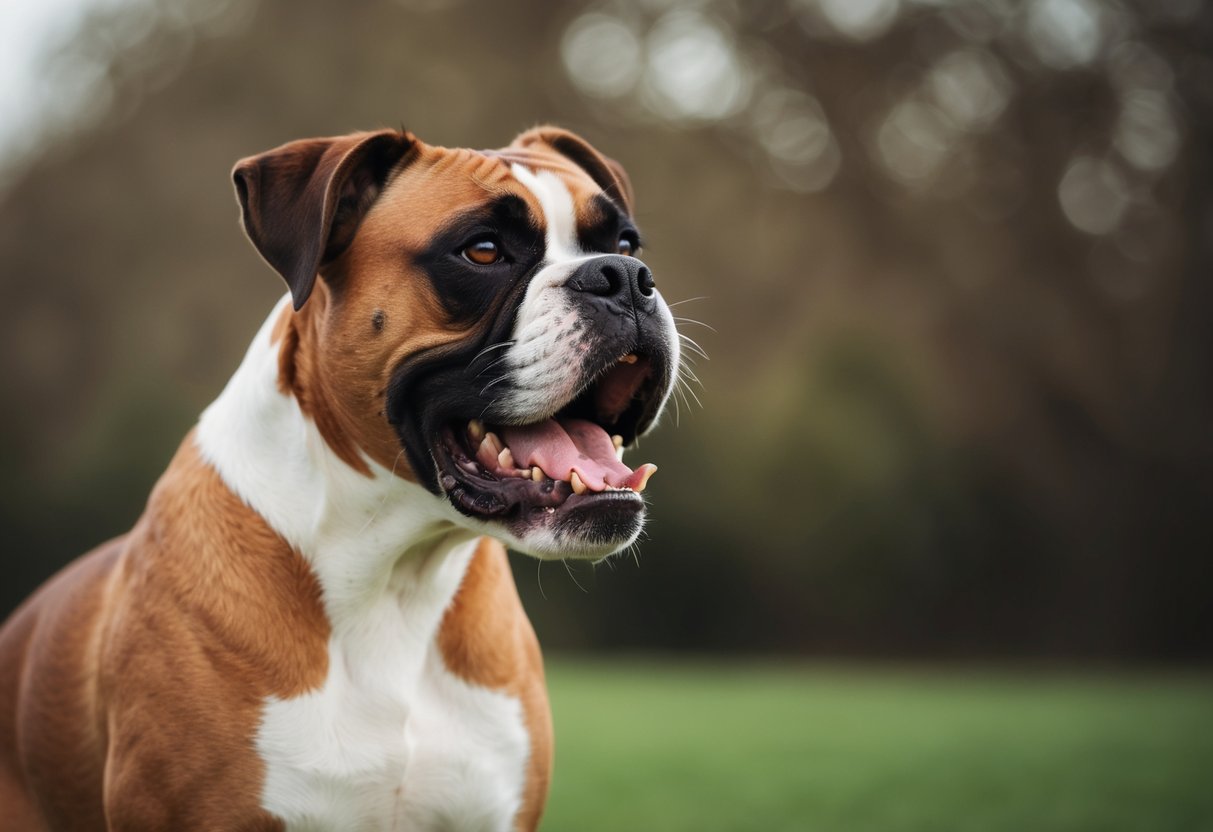
If properly raised and socialized, Boxers tend to be playful and affectionate companions. They enjoy being part of family activities and are often good with children. Understanding how to train and socialize them can help prevent any aggressive behavior, ensuring they become the loving dogs you want.
It’s important to remember that, like any breed, Boxers may show signs of aggression if they experience neglect or lack proper training. Knowing how to foster a positive environment for your Boxer can lead to a happy and healthy relationship with your furry friend.
Understanding Boxer Dog Behavior

Boxers are known for their playful nature and strong personalities. To truly appreciate them, it’s important to look at their origins, temperament, and some common misconceptions about aggression.
Boxer Breed Origins and Characteristics
Boxers are descended from the Bullenbeisser, a breed used for hunting large game. Their origins reflect their strength and endurance. Boxers were developed in Germany in the 19th century, making them versatile working dogs.
Their physical traits include a strong build, short coat, and distinctive square muzzle. Boxers are also intelligent dogs, which means they thrive in active homes. Given their high energy levels, they need plenty of exercise. Regular playtime and training sessions can help keep your Boxer happy and healthy.
Temperament and Personality Traits
Boxers have a unique temperament that combines affection and loyalty. They are known for their protective nature, making them excellent family companions. This breed is usually friendly and good with children, enjoying play as much as cuddles.
Yet, they can showcase dominance issues, particularly if not well-socialized. Training should focus on positive reinforcement to encourage good behavior. A well-trained Boxer tends to be calm and confident, which can help reduce any potential territorial behavior.
Common Misconceptions About Boxer Aggression
Many people wonder if Boxers are aggressive dogs. This breed can be misunderstood due to their strong build and protective instincts. However, a Boxer that is well-trained and socialized will rarely show aggression.
Effective temperament testing can help identify any issues early on. Remember, Boxers are not inherently aggressive but may react based on their environment. With the right upbringing, they can be loving, loyal pets who brighten any home.
Training and Socialization Techniques

Training and socialization are crucial for your Boxer’s behavior and temperament. Proper techniques can reduce the risk of aggression and create a well-adjusted pet. Here are some effective strategies to help your Boxer thrive.
The Role of Early Socialization
Early socialization is key for your Boxer. Starting when they are puppies, expose them to various people, pets, and environments. This helps them become more comfortable and friendly in different situations.
Aim for positive experiences. Introduce your puppy to sounds, sights, and smells they may encounter later in life. This can prevent fears that lead to aggression.
Group puppy classes can be a great way to achieve this. They allow your Boxer to interact with other dogs and people in a controlled environment. This early socialization lays the foundation for good behavior as they grow.
Effective Training Methods
Using effective training methods is essential for a well-behaved Boxer. Positive reinforcement training is highly recommended. This technique rewards good behavior with treats, praise, or playtime.
Start with basic commands like “sit,” “stay,” and “come.” Consistent practice helps your Boxer learn quickly and builds a strong bond between you.
Consider clicker training as a method to mark desired behaviors. Clicker training helps them understand what behavior earns a reward. It’s fun and engaging for both you and your dog.
Remember, patience is key. Keep training sessions short but frequent. This helps maintain your Boxer’s attention and enthusiasm while learning.
Managing and Redirecting Play Aggression
Play aggression is common in Boxers, as they are energetic and playful. It’s important to manage this behavior to prevent it from becoming a problem.
Redirect your Boxer to appropriate toys during playtime. This encourages them to focus their energy on things you approve of. If they start to bite or act aggressively, stop the play immediately.
Let them calm down before resuming. Consistency is important. Always reward calm behavior and redirect any signs of aggression towards toys.
Regular exercise is also vital. A tired Boxer is less likely to act out. Make sure to include both physical and mental stimulation in their routine to keep them balanced and happy.
Exercise and Mental Stimulation

Boxers are energetic dogs that require regular physical activity and mental challenges. Meeting their needs can help prevent destructive behavior and keep stress levels low. Let’s explore what Boxers need to stay happy and balanced.
The Need for Physical Activity in Boxers
Boxers thrive on physical activity. As a breed, they are known for their high energy levels. The American Kennel Club emphasizes the importance of exercise for this breed to maintain optimal health and behavior.
You should aim for at least 60-90 minutes of exercise each day. This can include walks, runs, or playtime in a secure area.
Without adequate exercise, Boxers can become bored. This boredom may lead to destructive behaviors such as chewing furniture or excessive barking. By giving your Boxer regular exercise, you promote their physical health and curb unwanted actions.
Activities to Channel High Energy Levels
Investing time in engaging activities is key. Consider incorporating a mix of structured and unstructured play into their routine. Some great options include:
- Fetch: A classic game that allows your Boxer to run and retrieve.
- Agility Training: This offers mental stimulation and enhances their physical skills.
- Interactive Toys: Puzzle toys can keep their minds sharp while providing needed mental exercise.
Using these activities can help channel your Boxer’s energy effectively. This not only keeps them fit but also fosters a stronger bond between you and your dog. Engaging in play helps release pent-up energy, making for a calmer and well-behaved companion.
Health and Behavior

Understanding the health and behavior of Boxers is important for their well-being. They are known for their loyalty and playfulness. Yet, like any breed, they can show signs of aggression in certain situations. Recognizing how to address this behavior helps keep your Boxer happy and safe.
Understanding and Handling Aggressive Behavior
Boxers are generally friendly, but they can display aggressive behavior in specific situations. This aggression may stem from territorial instincts or resource guarding, where they feel the need to protect their space or possessions.
To manage this behavior, consistent training is key. Socializing your Boxer from a young age helps them become comfortable with different people and environments. Positive reinforcement techniques can encourage good behavior.
If your Boxer shows aggression, remain calm. Avoid yelling, as it can heighten their stress. Instead, redirect their focus with commands or distractions. Early intervention can prevent larger issues down the line.
Signs of Stress and Fear Aggression
Recognizing signs of stress or fear aggression in Boxers is essential. Common signals include growling, raised fur, or a stiff body posture. These signs indicate your Boxer may feel threatened or uncomfortable.
Always pay attention to their environment. Loud noises or unfamiliar people may trigger stress. Providing a safe space for your Boxer to retreat to helps them feel secure.
You can also use calming techniques, such as gentle petting or a quiet area, to alleviate anxiety.
If your Boxer displays consistent fear-based aggression, consult a professional trainer or behaviorist. They can offer strategies tailored to your dog’s specific needs, ensuring they remain a loyal companion while reducing aggressive behaviors.


