
As a pet owner, you have to make an important decision about spaying your female Boxer. Veterinarians often recommend spaying female Boxers before their first heat. This is typically around six months of age. Doing so can reduce health risks and avoid unwanted behaviors. Knowing when to spay not only helps in preventing medical issues but also contributes to a happier, healthier dog.
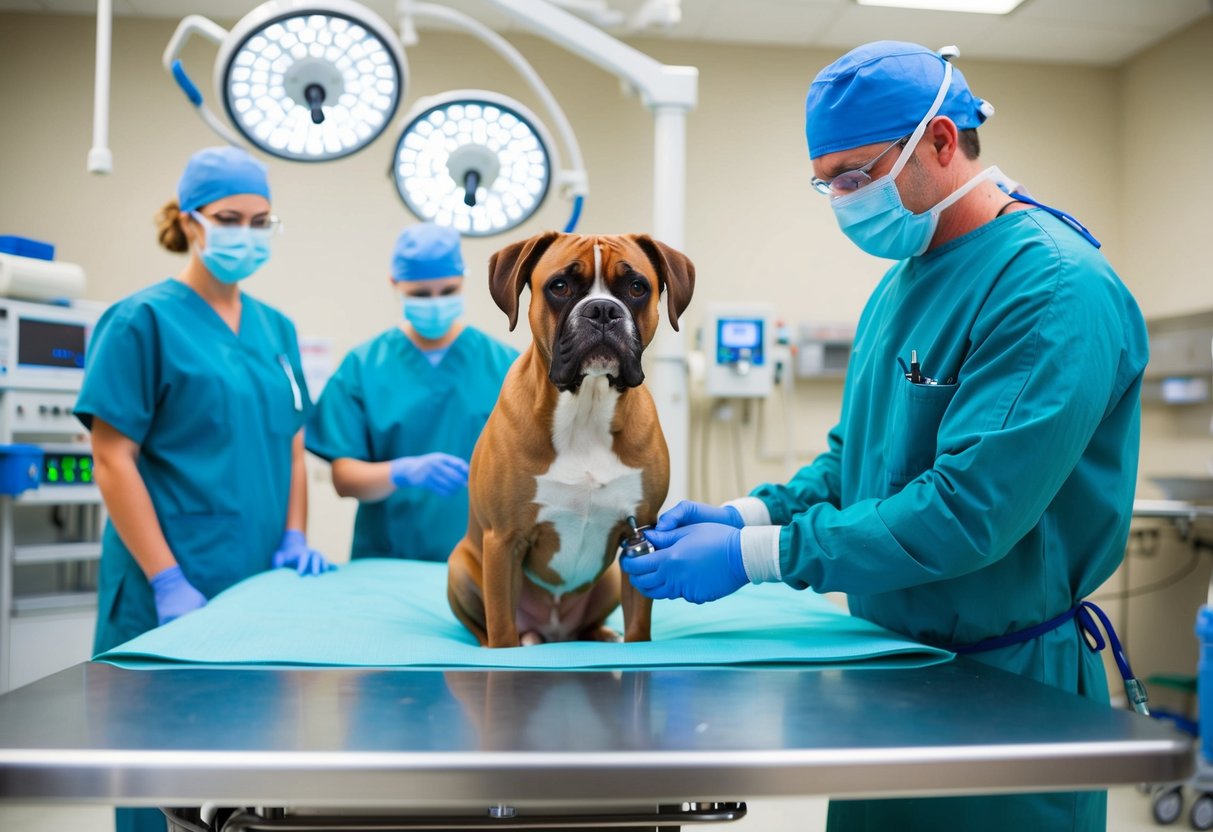
Boxers are known for their playful and energetic nature, so timing can play a role in their overall well-being. Spaying at the right age can help prevent certain cancers and reduce aggression or territorial behaviors that sometimes emerge after reaching maturity.
As you consider the best age to spay your Boxer, understanding these factors can help you make an informed choice. Being proactive in this decision can lead to a longer, healthier life for your beloved pet.
Understanding Spaying and Its Benefits

Spaying your female Boxer is a significant decision that can have a lasting impact on her health and well-being. It’s important to understand the differences between spaying and neutering, as well as the health benefits of the procedure and how it prevents unwanted litters.
Spay vs Neuter: Understanding the Difference
Spaying and neutering are common terms in pet care. Spaying refers specifically to the surgical removal of a female dog’s ovaries and usually the uterus. This makes it impossible for her to go into heat or become pregnant.
Neutering, on the other hand, typically refers to the removal of a male dog’s testicles. Although the procedures aim for similar outcomes—increased health and reduced unwanted litters—they differ in operations. For your female Boxer, spaying may lower the risk of certain health issues later in life.
Health Benefits of Spaying Your Female Boxer
Spaying your female Boxer can provide several important health advantages. One of the most significant is the reduction in the risk of certain cancers, including mammary tumors and uterine infections like pyometra.
Without spaying, your Boxer’s risk of developing reproductive cancers may increase, especially if she is not spayed before her first heat cycle. Spaying also helps manage behaviors linked to the heat cycle, which can be challenging for owners. By opting for spaying, you can help ensure a healthier life for your furry friend.
Prevention of Unwanted Litters
Preventing unwanted litters is a major reason many owners choose to spay. When your Boxer is spayed, it eliminates the possibility of unintended pregnancies. Each year, millions of puppies go unadopted or end up in shelters due to overpopulation.
By spaying your female Boxer, you are helping to reduce the number of homeless pets. This responsible choice not only benefits your dog but also contributes to the greater good of the animal community. It’s a win-win situation for everyone involved!
Determining the Best Time to Spay

Deciding when to spay your female Boxer is important for her health. Factors like age and potential health issues play a significant role in making the right choice. Here are some key points to consider.
Age Considerations for Spaying Boxers
For female Boxers, the recommended age for spaying can vary. Many vets suggest waiting until your dog is at least six months old. Some researchers recommend waiting until she is closer to two years old. This allows her to grow and develop properly.
Early spaying can be linked to certain health risks, including joint disorders like hip dysplasia and elbow dysplasia. These may arise if the growth plates close too soon.
Understanding your dog’s specific needs is essential. Consult with your vet about the best timing based on breed, size, and overall health.
Impact of Spaying on Health Conditions
Spaying your Boxer can decrease the risk of several health issues. For example, it can greatly reduce the chances of uterine infections and certain cancers. However, some studies suggest a potential link between early spaying and an increased risk of certain conditions.
Conditions such as lymphoma and osteosarcoma may become more likely if spaying is done before maturity. Affected dogs may also face challenges with joint disorders.
Monitoring your dog’s health is crucial. Always discuss the health impacts of spaying with your veterinarian to weigh the benefits against the risks.
Boxer-Specific Spaying Recommendations
In general, spaying a female Boxer too early can lead to several health concerns. It is commonly advised to spay them after reaching maturity, usually about two years old. However, if you have a male Boxer, the timeline may differ since male dogs often undergo the procedure earlier, around six to twelve months.
Most importantly, suitable spaying age can also vary based on individual circumstances. Discuss these factors with your vet. They can guide you through the best options for your Boxer, considering her specific health and lifestyle needs. Your vet will help ensure a healthy and happy life for your furry friend.
Spaying Procedure and Aftercare

When you decide to spay your female boxer, it’s important to understand the procedure and the care she will need afterward. This includes preparing her for surgery, what happens during the spaying, and how to help her recover properly.
Preparing Your Boxer for Surgery
Before the surgery, take a few steps to prepare your boxer. Schedule a pre-surgical vet appointment to discuss your dog’s health and the procedure. This is a great time to ask any questions you might have.
You will need to withhold food and water for at least eight hours before the surgery. This helps reduce the chance of complications during the procedure. Make sure your boxer has a comfortable space to rest and calm her nerves. Providing familiar toys and blankets can help soothe her anxiety.
Understanding the Spaying Surgery
The spaying procedure for your female boxer involves removing her ovaries and usually the uterus in a surgery called a hysterectomy. This means she will no longer be able to have puppies. It typically takes about one to two hours, and your dog will be under general anesthesia during this time.
Your vet will make a small incision in her abdomen to access the reproductive organs. After the surgery, the incision is closed with stitches that may dissolve over time. Some vets may use skin glue or staples, so ask about what to expect.
Post-Spaying Recovery and Care
After the surgery, your boxer will enter her recovery period. Keep her in a quiet, safe area at home. Limit her activity for about 10 to 14 days to prevent any strain on her incision. Short leash walks are fine, but avoid running or jumping.
You should monitor her incision for any signs of infection, like redness or swelling. If necessary, use an Elizabethan collar to prevent her from licking the area. Watch for any unusual behavior, like lack of appetite or excessive weight gain, and contact your vet if you see these signs.
Providing pain relief as advised by your vet can aid her recovery. Regular follow-ups will ensure she heals properly. While spaying has many benefits, discuss alternatives like an ovary-sparing spay if you’re concerned about certain health risks.


