
Boxer dogs are known for their playful and energetic nature, making them one of the most popular breeds among dog lovers. They may require a fair amount of attention and care, but they are not particularly hard to take care of if you are prepared for their needs. With the right environment, exercise, and training, Boxers can thrive and bring joy to your life.
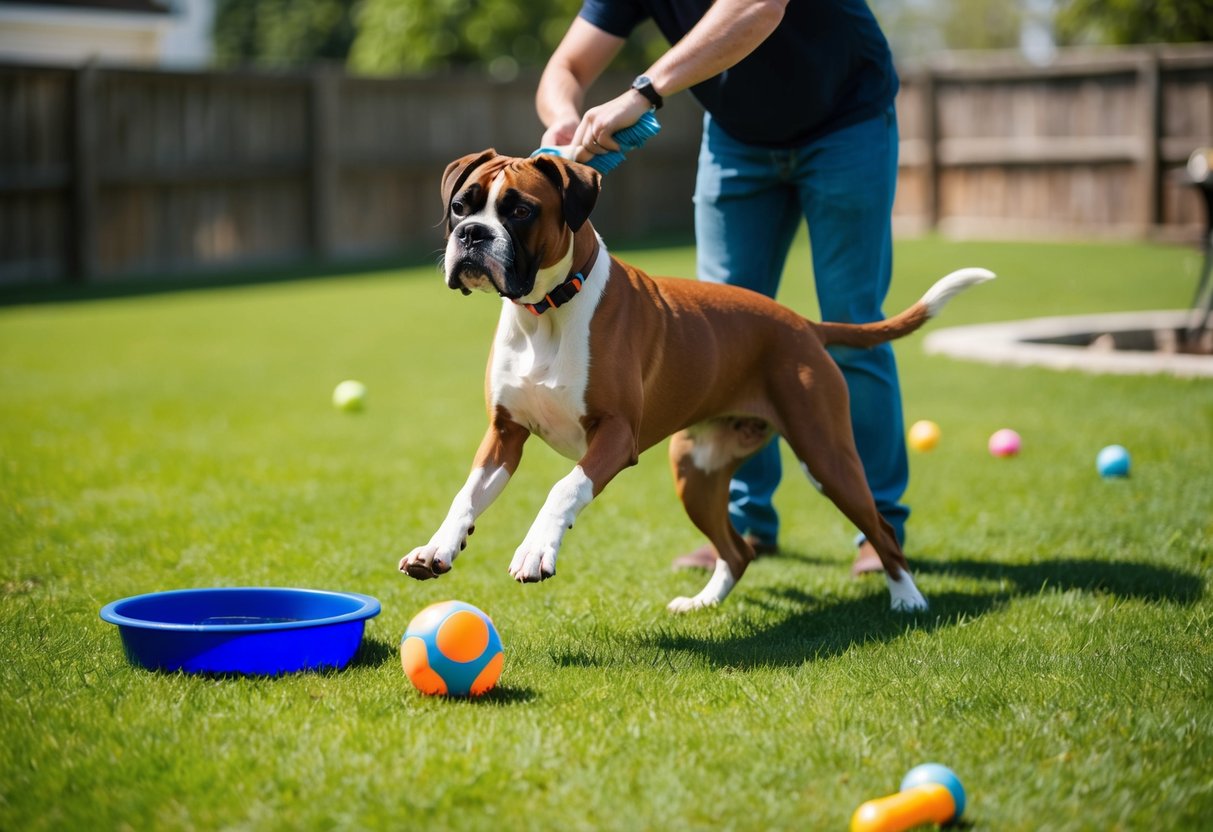
These dogs are loyal and affectionate, forming strong bonds with their families. However, they do require regular exercise—about 30 minutes to two hours a day—to keep them healthy and happy. If you can commit to their exercise needs and provide consistent training, you will find that Boxers are not just manageable, but also incredibly rewarding companions.
Taking care of a Boxer also involves understanding their health needs, such as regular vet check-ups and grooming. If you’re ready to embrace their quirks and boundless energy, you will discover that Boxers can be a delightful part of your family.
Understanding Boxer Dogs
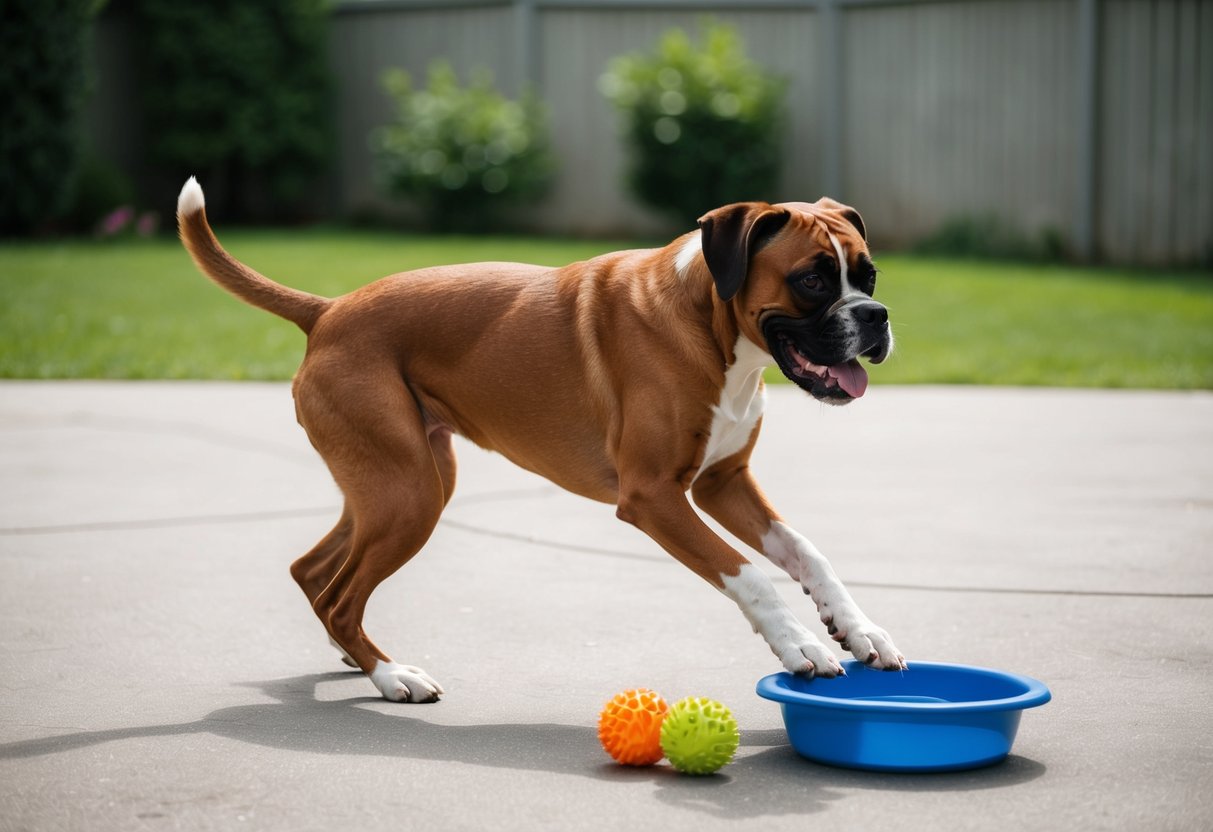
Boxer dogs are known for their unique blend of strength, intelligence, and friendly nature. Their athleticism and protective instincts make them excellent family pets. Here’s a closer look at what makes Boxers special.
The Boxer Breed Profile
Boxers are a large breed with a strong, muscular build. They typically weigh between 50 to 80 pounds. Their short coat can be fawn, brindle, or white. Boxers are known for their playful nature, making them a hit with kids. Additionally, they require consistent training and socialization to thrive.
Being intelligent, they often learn commands quickly. They do best in active households where they can enjoy playtime and exercise. Regular walks and mental stimulation are essential to keep them happy.
The Athletic Nature of Boxers
Boxers are energetic and need a considerable amount of exercise. Aim for at least 30 minutes to two hours of activity each day. They excel at dog sports like agility, obedience, and rally. This physical activity helps prevent boredom, which can lead to destructive behavior.
Providing ample playtime also helps maintain their health. Engaging them in games like fetch or tug-of-war brings out their playful side. They are also great swimmers and love outdoor adventures.
Temperament and Social Traits
Boxers are famous for their friendly and affectionate temperament. They are patient and protective, making them good watchdogs. Their gentle nature allows them to get along well with children and other pets.
Socialization is key for Boxers. Exposing them to various environments helps build their confidence. They thrive on human interaction and often bond closely with their families. Their playful antics can bring joy to any household.
Health and Nutrition

Taking care of your Boxer involves understanding their unique health needs and providing appropriate nutrition. With their energetic nature, Boxers require a balanced diet to support their vitality while also being mindful of common health concerns.
Common Health Concerns
Boxers are prone to various health issues that you should watch for. Bloat is a serious condition where the stomach fills with gas and can twist. Know the signs: restlessness, swollen belly, or rapid breathing. Another concern is hip dysplasia, which affects joint health and can lead to pain and mobility issues.
Heart disease, especially dilated cardiomyopathy, is also more common in this breed. Regular veterinary check-ups are essential to catch these problems early. Additionally, dental disease can impact your dog’s overall health, so maintaining dental hygiene is important. Being aware of signs and symptoms will help keep your Boxer healthy.
Feeding a Boxer Puppy
When it comes to feeding your Boxer puppy, focus on their nutritional needs. Puppies need high-quality puppy food that has proteins, fats, and essential vitamins. Look for formulas that meet the standards set by the Association of American Feed Control Officials (AAFCO).
Be cautious about portions to avoid obesity, which can lead to health issues like heart disease and degenerative myelopathy. Pick a feeding schedule that allows for consistent meal times and avoid free-feeding to help control your puppy’s weight. Always consult with your vet to tailor the diet to your pup’s specific needs.
Daily Care and Exercise

Taking care of a Boxer dog involves providing regular exercise and mental stimulation. These energetic and lovable dogs thrive when they have an outlet for their energy and activities to keep their minds stimulated.
Exercise Requirements
Your Boxer needs a considerable amount of daily exercise. Aim for at least two hours of activity each day. This can include walks, playtime, and games like fetch. A good mix of activities prevents obesity and helps keep your dog healthy.
For puppies, start with shorter walks of about 10 to 15 minutes, then gradually increase as they grow. Boxers love to run, so finding a safe, fenced area or a nearby dog park is ideal for letting them sprint and play. Regular exercise also reduces the chance of separation anxiety by keeping your Boxer content and tired.
Mental Stimulation Needs
Mental stimulation is just as important as physical exercise for your Boxer. These activities keep your dog’s mind sharp and prevent boredom.
Engage your dog in fun activities like using toys that require problem-solving or hiding treats around your home. Interactive games, like fetch or tug-of-war, are fantastic ways to bond while keeping their minds active. Training sessions can also be useful. Teaching new tricks or commands not only provides mental engagement but also strengthens your relationship. These activities help prevent unwanted behaviors that can arise from boredom.
Training and Socialization
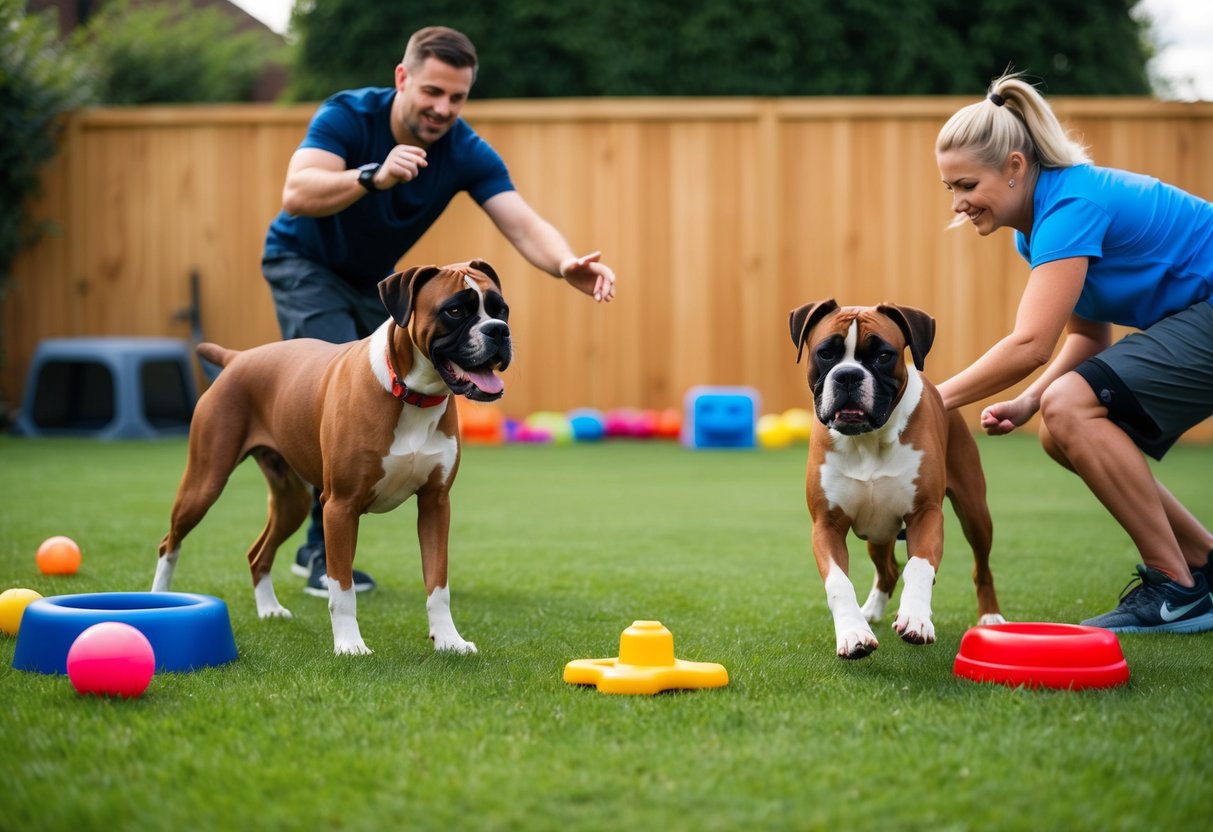
Training and socialization are key to helping your Boxer become a well-adjusted and friendly companion. These steps can prevent behavioral problems and reinforce good habits.
Positive Reinforcement Techniques
Using positive reinforcement is one of the best ways to train your Boxer. This technique encourages good behavior by rewarding your dog with treats, praise, or playtime when they do something right.
- Start Early: Begin training when your Boxer is still a puppy. Early learning sticks better.
- Keep Sessions Short: Each training session should last about 5-10 minutes. Boxers have short attention spans.
- Be Consistent: Use the same commands and rewards to avoid confusing your dog.
Remember to focus on what your Boxer does well. It builds their confidence and strengthens your bond.
Managing Behavioral Issues
Training also involves addressing any behavioral problems your Boxer might have. Boxers can be energetic and protective, so you need to manage them properly.
- Socialization: Introduce your Boxer to different people, dogs, and environments. This helps them become more adaptable.
- Obedience Training: Teach basic commands like sit, stay, and come. It’s important for safety and control.
- Neuter or Spay: Consider spaying or neutering your Boxer. This can help reduce certain behavioral issues like aggression.
If your Boxer shows signs of negativity or aggression, consult a professional trainer. Early action can make a big difference in their behavior and happiness.


