
Training a boxer can feel like a challenging task for many. Boxers are not necessarily tougher to train than other breeds, but their high energy and strong-willed nature mean they need a unique approach. Their athleticism means they thrive on physical activity and mental stimulation, making it essential to incorporate a variety of training methods.

As you work with boxers, you’ll discover that their stamina and mental toughness play significant roles in their training. They need consistent exercises that push their physical limits while also enhancing their discipline. Engaging them in activities that promote focus can help build a strong bond between you and your dog, making training enjoyable for both.
In this journey, patience and creativity are key. With the right techniques, you can turn training into a positive experience that develops your boxer’s skills and strengthens your relationship. Get ready to dive deeper into what makes training these dogs both rewarding and fun!
Understanding Boxer Training Fundamentals

Boxer training requires dedication and a solid understanding of several key elements. Focusing on discipline, physical fitness, and mastering techniques is essential for success in the ring. Let’s explore these fundamentals in detail.
The Role of Discipline and Consistency
Discipline is crucial in boxing training. You must stick to your regimen, which typically includes several workouts a week. Consistency is key to improving your skills and building endurance.
Creating a schedule can help you stay on track. For example, commit to:
- Strength Training: 2-3 times a week
- Bag Work: 2-3 days a week
- Running: Daily for endurance
This routine helps you develop a strong work ethic and builds mental toughness. The more disciplined you are, the better you will perform during fights.
Developing Physical Fitness and Stamina
Physical fitness is a cornerstone of successful boxing training. You need to build strength, speed, and stamina. High-intensity workouts, such as interval training or circuit workouts, help in this area.
Incorporate exercises like:
- Jump Rope: For foot speed and coordination
- Agility Ladder Drills: To improve quickness and balance
Maintaining a fast pace while running up to five miles boosts your endurance. Keeping your heart rate up will prepare you for the intense nature of a boxing match. This focus on fitness ensures you have the stamina to last through all rounds.
Mastering Techniques and Footwork
Mastery of techniques is vital in boxing. Focus on your balance, timing, and precision with every punch. Good footwork allows you to move in and out of range effectively. It helps you evade punches and create openings for your own strikes.
Practice is key here. Work on drills that involve:
- Shadow Boxing: To refine your form
- Sparring Sessions: With partners to apply what you’ve learned
Don’t neglect footwork drills. With proper training, you will develop the ability to adjust your position quickly, which is essential for both offense and defense. By concentrating on these techniques, you create a solid foundation for your boxing skills.
Creating a Balanced Training Routine
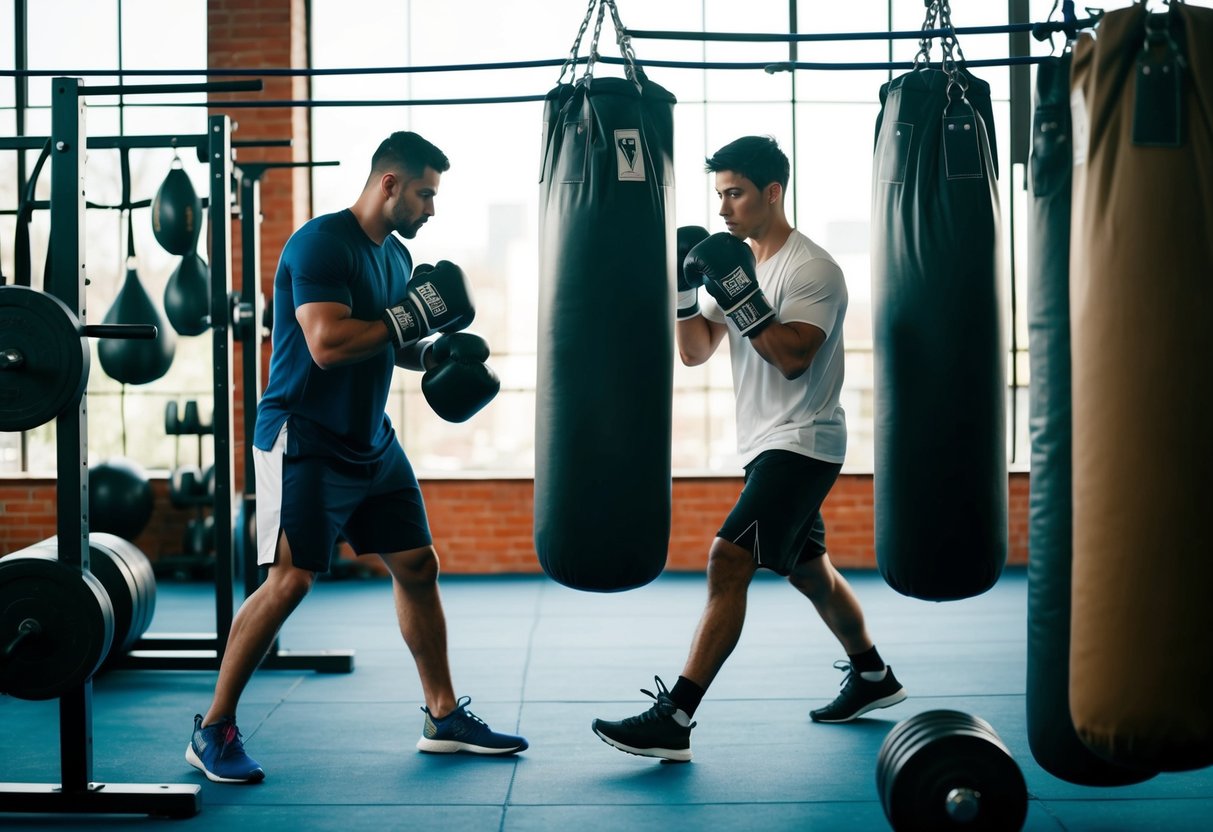
A well-structured training routine is vital for success in boxing. It should combine strength, endurance, and skill-based activities to develop well-rounded athletes. Let’s break down the key components of a balanced routine.
Strength and Conditioning Workouts
Strength training is crucial for boxers. It builds muscle and can help you generate more power in your punches. Include exercises like squats, bench presses, and deadlifts. These help develop leg and core strength, which is essential for stable footwork.
Incorporate conditioning drills like clap push-ups and medicine ball throws. They improve explosive strength and endurance. You can also mix in bodyweight exercises, such as pull-ups and planks. These exercises enhance your overall strength without needing weights.
Aim for strength sessions two to three times a week, focusing on different muscle groups each time. This approach prevents burnout and helps your body recover effectively.
Cardiovascular Exercises for Endurance
Cardio workouts improve your stamina, allowing you to perform well over several rounds. Start with running or cycling for at least 30 minutes, three to five times a week. Long runs build your base endurance.
You should also mix in interval training. Sprinting for short bursts improves your cardiovascular fitness and mimics the intensity of a boxing match. Consider also skipping rope; it’s fun and develops foot speed and coordination.
Remember to include shadow boxing. This not only builds stamina but also helps with technique as you move. Keep your heart rate up and aim for at least 3 rounds of 3-minute bursts with short rest periods.
Integrating Skill-Based Drills
Skill-based drills are fundamental for boxing. They help you apply what you learn and get comfortable in the ring. Start with shadow boxing to practice form and footwork without an opponent.
Next, work on pad and heavy bag drills to develop your striking. Focus on combining different punches and footwork for fluid movement. You can also practice mitt work with a trainer; it sharpens your accuracy and timing while you get real-time feedback.
Sparring is essential to apply your skills in a realistic setting. Start with light sparring and gradually increase intensity as you gain confidence. Make each session purposeful, focusing on specific techniques or strategies each time.
Importance of Recovery and Nutrition
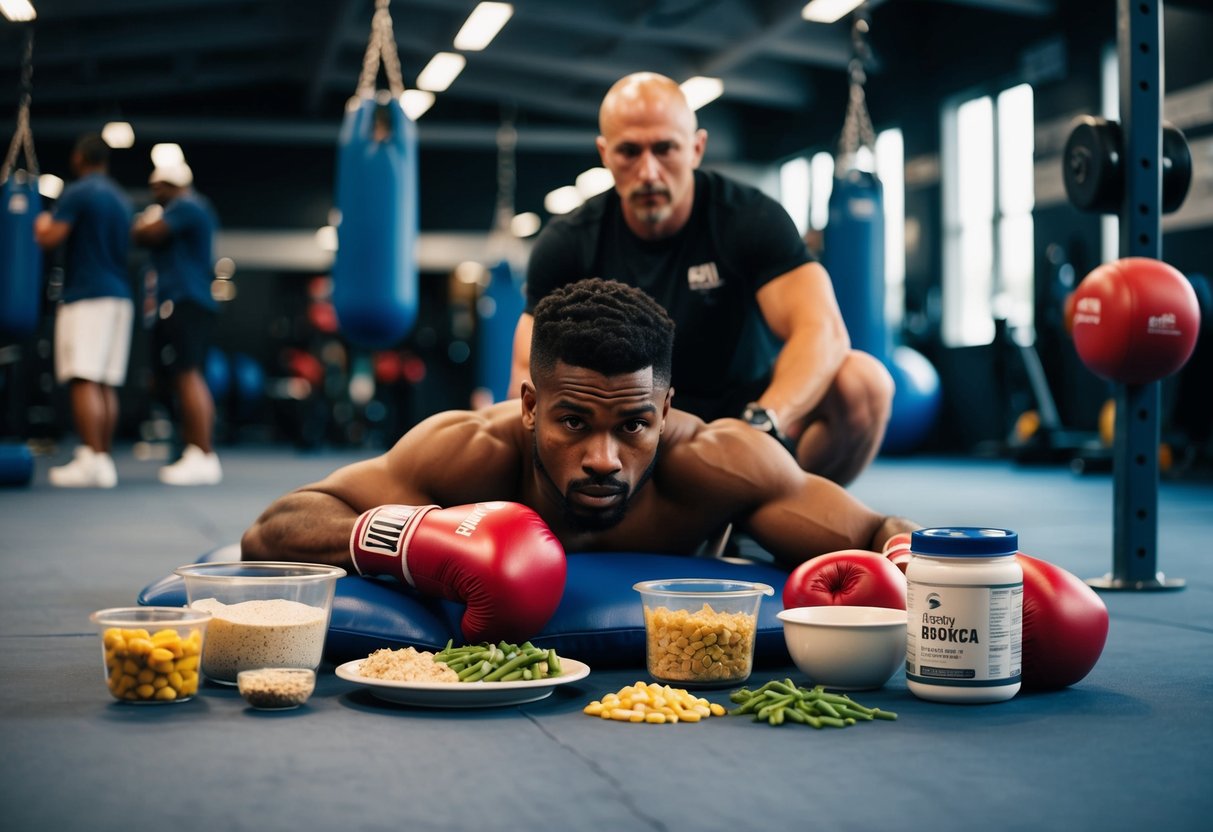
Recovery and nutrition are vital for boxers. They help maintain performance and prevent injury. Understanding how to rest effectively and what to eat can make a big difference in your training.
Adopting Effective Rest and Recovery Strategies
Rest and recovery are essential parts of your training routine. It’s not just about working hard; it’s about allowing your body to heal. Aim for 7-9 hours of sleep each night. Sleep helps your muscles recover and supports mental focus.
Incorporate active recovery days into your schedule. Activities like light jogging, yoga, or swimming can help maintain fitness while your body heals. Stretching is also key, as it improves flexibility and reduces soreness.
Listen to your body. If you’re feeling tired or sore, it’s okay to take a break. Remember, your body needs time to rebuild after intense training.
Nutritional Considerations for Peak Performance
Nutrition fuels your workouts and supports recovery. Focus on consuming lean proteins like chicken, fish, or beans. They help repair muscles after tough training sessions.
Include healthy fats in your diet, such as avocados, nuts, and olive oil. They provide essential vitamins and support energy levels.
Carbohydrates are crucial too. They replenish your energy stores, especially after intense workouts. Choose whole grains, fruits, and vegetables to provide lasting energy.
After training, aim for a meal or snack that combines proteins and carbohydrates. This combo is effective for muscle recovery and replenishing energy.
Enhancing Mental and Tactical Preparedness
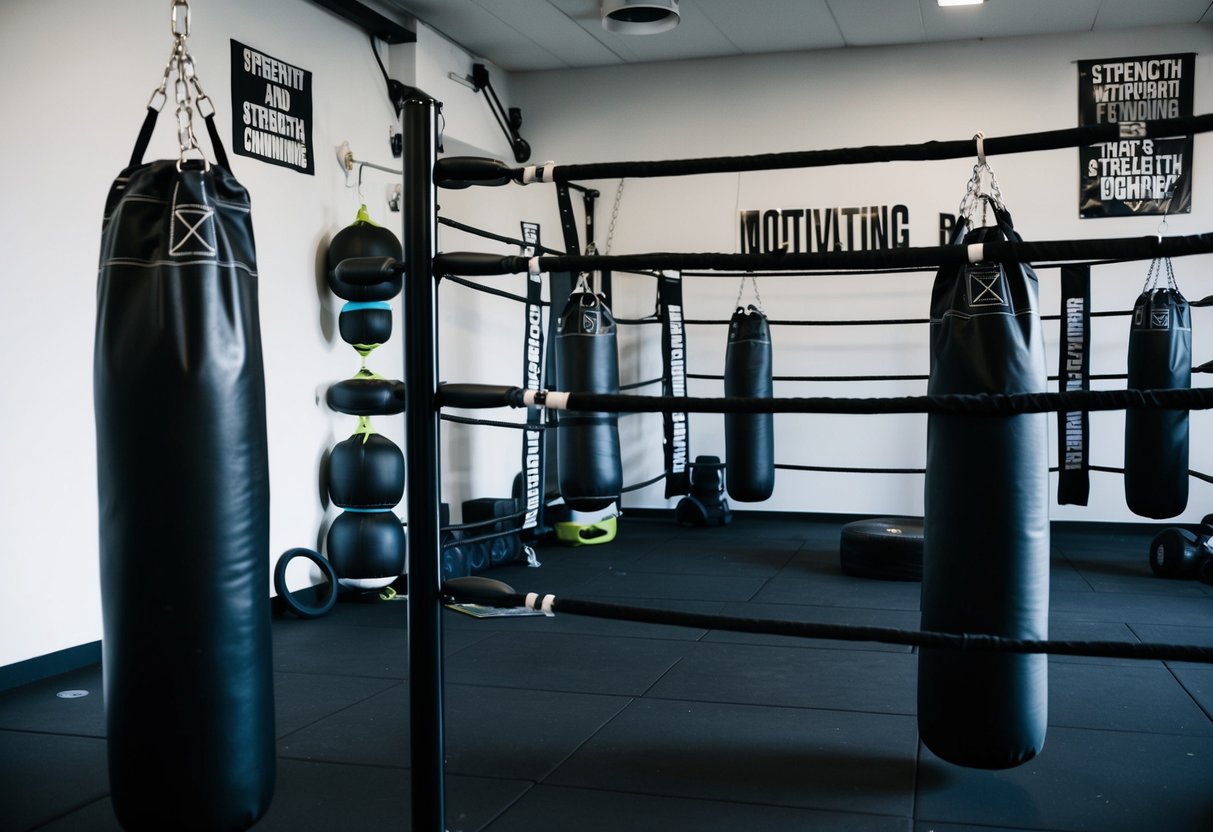
Mental and tactical readiness is crucial for your success in the boxing ring. Focusing on building mental toughness and training strategically with partners will help you make quick decisions and perform at your best.
Building Mental Toughness for In-Ring Decision Making
Mental toughness is essential for making split-second decisions during a match. It allows you to stay calm under pressure and respond effectively to your opponent’s moves.
To enhance your mental strength, practice visualization techniques. Imagine yourself in different fight scenarios to prepare your mind for various situations. You might also engage in breathing exercises to stay focused.
Additionally, push your limits in training. By facing challenging opponents or tough workout sessions, you build your resilience. Remember, the stronger your mind, the better you’ll be at making quick, strategic choices in the ring.
Strategic Training with Partners
Training with partners enhances your ability to adapt and strategize. It allows you to simulate fight conditions and practice your explosive power.
When sparring, focus on specific tactics. For example, work on dodging and countering your partner’s strikes. After each round, discuss strategies to understand what worked and what didn’t. This reflection helps sharpen your decision-making skills.
Also, rotate partners regularly. Working with different fighters exposes you to various styles and techniques. This diversity enables you to think on your feet.


