
Training a boxer can be quite a challenge, and it often puzzles new dog owners. Boxers are hard to train because they have high energy levels and a strong independent personality. This breed is known for its intelligence, which means they can quickly learn commands but may also test boundaries when it suits them.
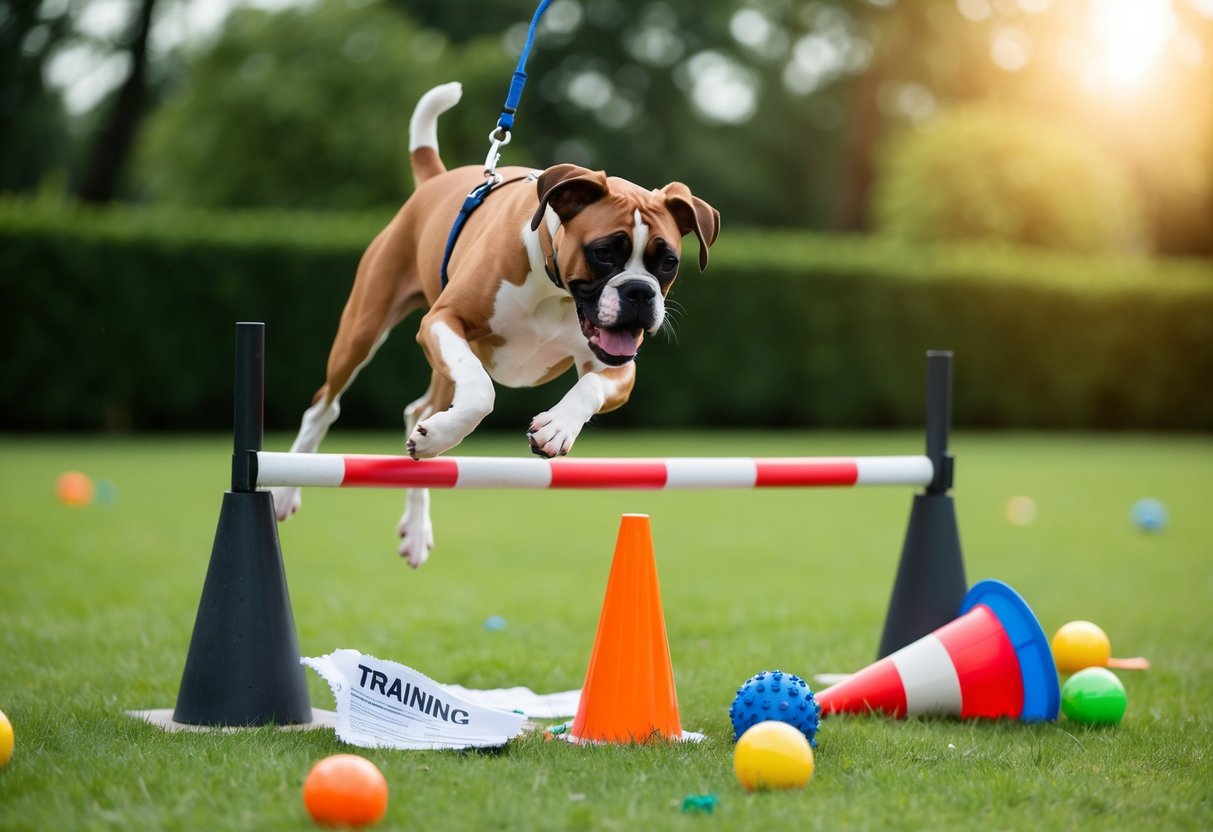
Because boxers are so energetic, they require consistent exercise and mental stimulation to stay focused during training. Regular playtime and engaging activities can help channel their energy positively. You might find that mixing training with play can keep them motivated and make your sessions more effective.
While boxers can be stubborn at times, their loyalty and eagerness to please can shine through with patience and the right training approach. Emphasizing positive reinforcement will help you build a strong bond and make training a more enjoyable experience for both of you.
Understanding Your Boxer

To train your Boxer effectively, it’s important to recognize their unique characteristics, temperament, and energy levels. This knowledge will help you tailor your training methods to suit your dog’s needs.
Breed Characteristics
Boxers are known for their strong, muscular build and playful nature. These dogs typically weigh between 50 to 80 pounds and stand about 21 to 25 inches tall. Boxers are very active and thrive on exercise. Because they are intelligent dogs, they require mental stimulation along with physical activity to keep them engaged.
Additionally, Boxers are recognized for their loyalty and protectiveness towards their families. This means they often take their role as guardians seriously, which can sometimes make training a challenge. You’ll need to employ consistent and positive training methods to help them learn effectively.
Boxer Temperament
Boxers are energetic and friendly, making them wonderful companions for active families. This breed tends to be playful and loves to engage in games and activities. While they can be affectionate, they may also display stubbornness from time to time.
Understanding this mix of traits is key. For instance, Boxers can be prone to distractions due to their curious nature. When training, be patient and prepared to re-focus their attention frequently. Building a strong bond with your Boxer can also enhance their willingness to learn and follow commands.
Intelligence and Energy Levels
Boxers are highly intelligent dogs, which makes them capable of learning various commands and tricks. Their intelligence means they can also get bored quickly if training isn’t stimulating. It’s essential to keep training sessions fun and varied.
Their high energy levels mean you’ll need to provide plenty of exercise. Daily walks, playtime, and interactive games are crucial for keeping your Boxer happy and well-behaved. A tired Boxer is often more receptive to training. So, make sure you balance fun and discipline to create a positive training environment for your energetic friend.
Fundamentals of Boxer Training

Training a Boxer is an exciting journey that focuses on building strong skills and a positive relationship between you and your dog. Key elements include early socialization, positive reinforcement techniques, and establishing basic obedience commands.
Importance of Early Socialization
Early socialization is crucial for Boxers. It helps your dog become well-adjusted and comfortable in different environments. Start exposing your Boxer to various people, pets, and situations as soon as possible.
Take them to parks, pet stores, or dog classes. This helps build confidence and reduces fear in new experiences. Remember, the more they see, the better they adapt.
Socialization is not just fun; it’s vital for reducing behavioral issues. A well-socialized Boxer is usually friendly and less likely to be aggressive or anxious. Keep the experience positive so your dog enjoys meeting new friends.
Positive Reinforcement Techniques
Positive reinforcement is very effective in Boxer training. This method involves rewarding your dog for good behavior, making it more likely to repeat those actions. You can use treats, praise, or playtime as rewards.
Using a clicker as a training tool can be helpful too. When your Boxer performs the desired action, click and reward immediately. This builds a clear connection in their mind between good behavior and positive outcomes.
Avoid punishment during training. It can lead to fear and anxiety, making your Boxer less willing to learn. Focus on encouraging good behavior, and your training sessions will be more enjoyable for both you and your dog.
Establishing Basic Obedience Commands
Establishing basic obedience commands is the foundation of training. Start with commands like “sit,” “stay,” and “come.” These commands provide structure and help keep your Boxer safe.
Use short, clear commands to avoid confusion. Show your dog what you want by using hand signals or demonstrating the action. Keep training sessions short and fun to hold their attention.
Practice regularly on a leash to reinforce their learning in different environments. Always reward your Boxer for following commands. This strengthens their bond with you and builds their confidence, making training a rewarding experience for both of you.
Common Behavioral Challenges
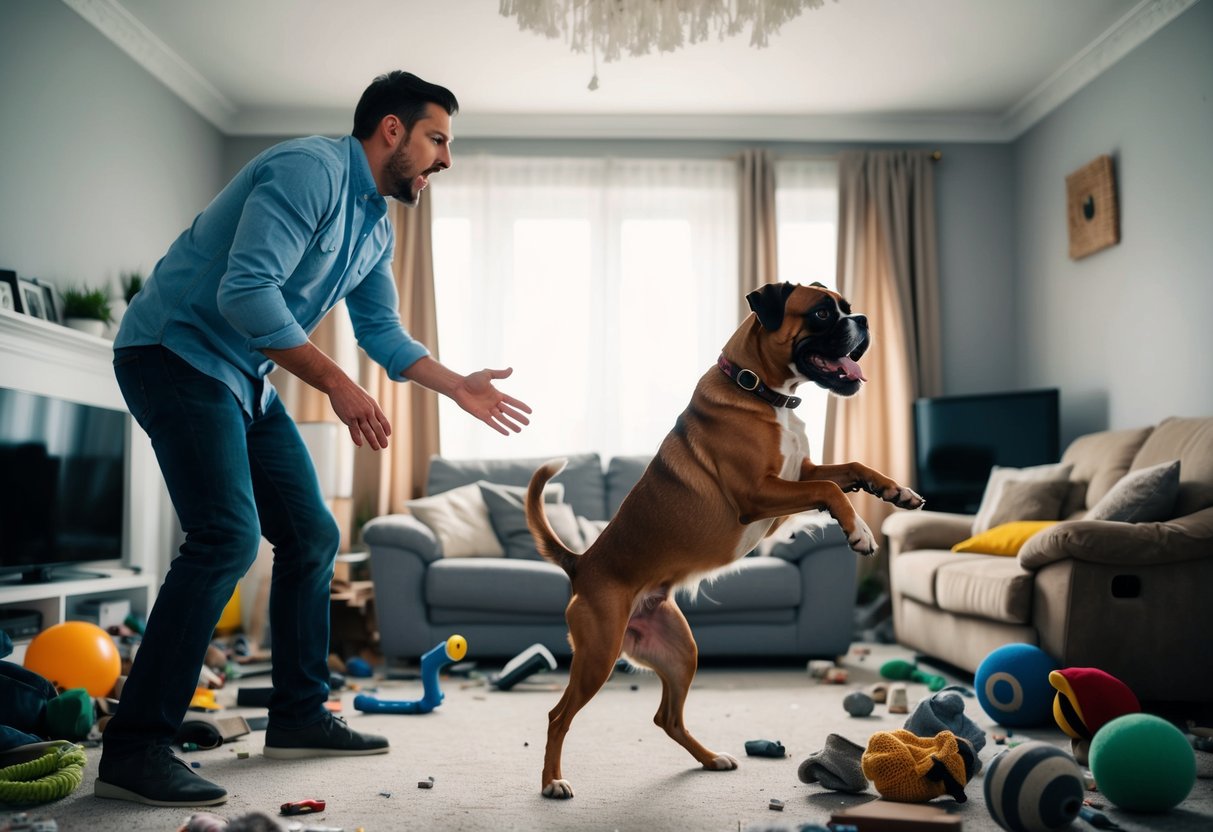
Training a Boxer can come with specific behavioral challenges. Understanding these issues is key to finding effective solutions. This section focuses on common problems like jumping up, excessive barking, and encouraging alternative behaviors.
Addressing Jumping Up
One of the most noticeable behaviors in Boxers is their tendency to jump up on people. This often happens because they are excited to see you. To manage this, it’s important to use consistent training techniques.
First, ignore them when they jump. Don’t give them attention until all four paws are on the ground. When they stay down, reward them with treats or praise. Practicing the “sit” command can also be effective.
Regular training sessions will help reinforce this behavior. Boxers are eager to please, so be patient. With time, they can learn not to jump up.
Managing Excessive Barking
Boxer dogs can become quite vocal, which may lead to excessive barking. This behavior can stem from boredom, excitement, or a desire for attention. To manage barking, it’s important to identify the cause.
If your Boxer is barking out of boredom, increase their physical activity. Daily walks and playtime can help reduce this behavior.
When they bark for attention, try ignoring the behavior. Only reward them with attention when they are quiet. Consistency is key, and using commands like “quiet” can reinforce what you want.
Encouraging Alternative Behaviors
Sometimes, Boxers need help learning what to do instead of unwanted behaviors. Teaching alternative behaviors is essential for a well-adjusted dog.
For instance, if your Boxer tends to jump or bark, redirect their energy to a toy. Offering chew toys or engaging them in a game can shift their focus.
Training commands like “leave it” or “stay” can also encourage desirable actions. Positive reinforcement will motivate your Boxer to adopt these behaviors. Remember to keep training sessions fun and engaging to maintain their interest.
Advanced Training and Activities
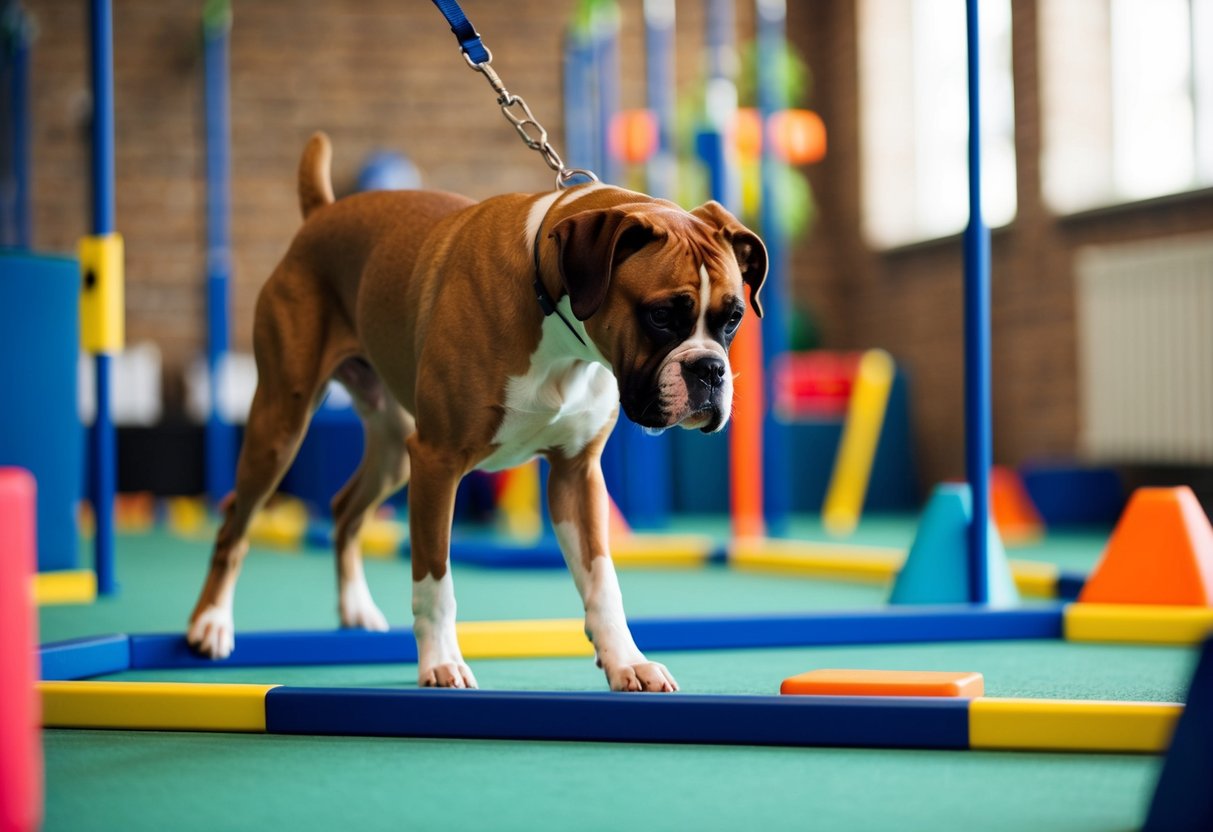
Training a boxer requires a combination of activities that build strength, provide mental stimulation, and ensure proper recovery. Engaging in advanced training techniques will help you develop a well-rounded and confident boxer.
Strength and Conditioning
Strength and conditioning are crucial for boxers. A solid training program adds muscle, boosts endurance, and enhances overall performance. Focus on weight training, resistance exercises, and both aerobic and anaerobic workouts.
Incorporate exercises like squats, lunges, and deadlifts to build leg strength. Upper body workouts, including bench presses and push-ups, develop arm power for those punches.
Conditioning drills like sprinting, jumping rope, and interval training will increase cardiovascular fitness. Set daily goals, and track progress to measure improvements.
Using these methods helps your boxer build confidence, prepares them for competitions, and significantly improves their agility in the ring.
Participation in Dog Sports and Competition
Engaging in dog sports is an effective way to train your boxer while having fun. Activities like agility, obedience, and frisbee competitions provide excellent physical exercise.
These sports keep your boxer active while developing teamwork and discipline. Training camps for these events often focus on specific skills, allowing for personal growth.
Competition also helps build confidence in your dog and strengthens the bond between you. Plus, witnessing your boxer excel offers a rewarding experience.
Make sure you choose competitions that suit your boxer’s strengths and interests. This way, they’ll not only enjoy the activities but also thrive in them.
Mental Stimulation and Recovery
Mental stimulation is just as important as physical training. Boxers require engaging activities to keep their minds sharp. You can use puzzle toys, obedience training, or hide-and-seek games to challenge your dog’s intellect.
Incorporating short training sessions with variety keeps your boxer interested. Changing tasks regularly avoids boredom and encourages focused behaviors.
Recovery is vital after intense workouts. Make sure to allow adequate rest between training sessions. Also, soft bedding and calm environments help your boxer relax.
Include activities like gentle walks or light play to support recovery without overexerting them. Encourage healthy habits that will help your boxer bounce back stronger and more eager for the next training session.


