
If you’re a proud owner or considering bringing a female Boxer dog into your home, you might wonder about her lifespan. Female Boxer dogs live between 10 to 12 years on average. This breed is known for its friendly nature and boundless energy, making it a beloved choice for many families.

The lifespan of your Boxer can vary based on several factors, including genetics, health care, and lifestyle. With proper care and a healthy lifestyle, many Boxers can live beyond their average lifespan. Understanding how to support your furry friend can help you enjoy many happy years together.
As you read further, you’ll discover tips and insights on how to help your female Boxer live a longer, healthier life. From understanding common health issues to the best diet practices, there’s plenty to learn about ensuring she thrives as she grows.
Average Lifespan and Factors Influencing Longevity
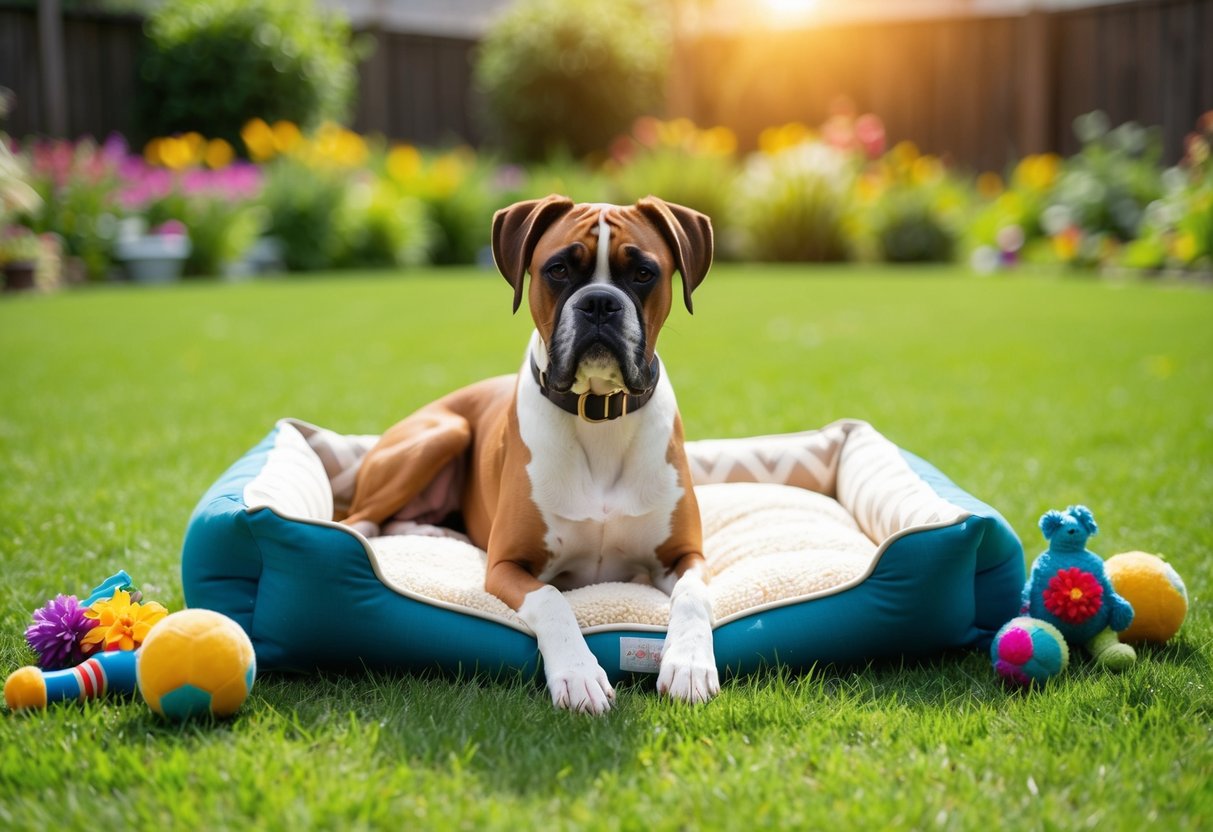
The average lifespan of a female Boxer dog is generally between 10 to 12 years. Several factors can influence this range, making it essential to consider genetics and healthcare practices.
Genetics and Hereditary Conditions
Genetics play a significant role in the lifespan of your Boxer. Some hereditary conditions can impact their health. Common issues include Aortic Stenosis and Cardiomyopathy, which can lead to heart problems.
Additionally, Degenerative Myelopathy is another genetic concern affecting mobility. Conditions like Hip Dysplasia can also cause pain and limit your dog’s activity. Responsible breeding practices can help minimize these risks. When you choose a breeder, ensure they test for these genetic issues. It can make a big difference in your Boxer’s health and longevity.
Healthcare and Disease Prevention
Regular veterinary care is crucial for maintaining your Boxer’s health and extending their lifespan.
Make sure to schedule routine check-ups to catch any potential issues early. Preventative care, including vaccinations, can protect against diseases like Lymphoma and infections.
Be mindful of symptoms such as bloat, which can be life-threatening if untreated.
Moreover, stay vigilant about skin issues like allergies and conditions such as Demodectic Mange, which can affect your dog’s comfort and quality of life.
Keeping your Boxer active and maintaining a healthy diet will also contribute to their overall well-being.
Improving Your Boxer’s Lifespan

To help your female Boxer live a longer, healthier life, focus on proper diet and nutrition, along with regular exercise. Both are key to keeping your dog in great shape and preventing health issues.
Diet and Nutrition
A well-balanced diet is crucial for your Boxer’s health. Look for high-quality dog food rich in protein, as Boxers are active dogs. This helps support their muscle maintenance and energy needs.
Consider these dietary tips:
- Choose grain-free options to prevent allergies and digestive issues.
- Include omega-3 fatty acids for a shiny coat and reduced inflammation.
- Watch portion sizes to avoid obesity, which can lead to serious health problems.
Additionally, be cautious of bloat, a life-threatening condition. Feeding smaller, more frequent meals can lower the risk. Always provide fresh water to keep your Boxer hydrated.
Exercise and Well-being
Regular exercise is essential for your Boxer’s well-being. Aim for at least 60 minutes of playtime or walks each day. This helps maintain a healthy weight and supports heart health.
Activities to consider:
- Fetch or tug-of-war for physical engagement.
- Agility courses to keep your Boxer mentally stimulated.
- Socialization with other dogs can also contribute to overall happiness.
Don’t forget regular veterinary care, as it helps catch potential health issues early. Keeping up with vaccinations and check-ups can prevent complications down the road.
Supporting Senior Boxer Dogs
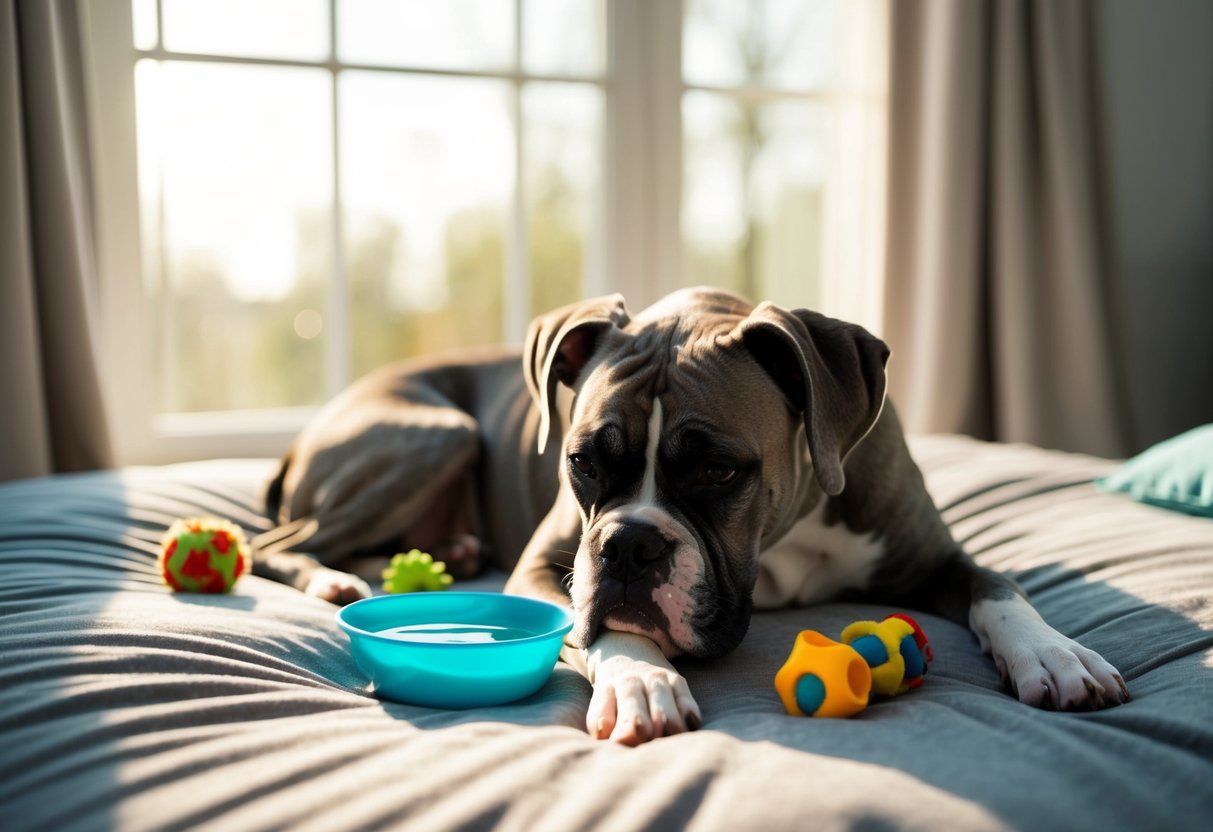
As your female Boxer ages, it’s essential to pay attention to her changing needs. Recognizing the signs of aging and providing comfort can greatly enhance her quality of life.
Recognizing Age-Related Changes
When your Boxer becomes a senior, you may notice some changes in her behavior and health. Weight fluctuations are common, so keep an eye on her diet. Make sure she maintains a healthy weight to avoid joint stress.
Look for signs of arthritis and decreased mobility. Degenerative myelopathy can also affect her movement, leading to difficulty walking.
Regular visits to the veterinarian are crucial for monitoring her condition. Your vet can suggest specific exercises tailored to her needs, ensuring she stays active while preventing injury.
Pay close attention to her grooming needs. Older Boxers may need help with brushing to avoid matting and skin issues. Staying proactive can keep her comfortable and happy.
Providing Comfort in Old Age
Creating a cozy environment is vital for your aging Boxer. Consider providing an orthopedic bed to support her joints. This can help ease any discomfort she may feel while resting.
Maintain a consistent routine that includes gentle walks. Adjust the distance based on her abilities. Short, frequent outings can help her enjoy fresh air without overexerting herself.
Make sure her water and food bowls are easily accessible. You can elevate them to reduce strain on her neck and back. Additionally, consider feeding her high-quality senior dog food that meets her changing nutritional needs.
Always be patient and gentle. Your support will help her navigate this stage of life with comfort and love.


