
Boxers are popular for their friendly personality and muscular build, making them a popular choice for families. They are energetic dogs that love to engage in play and be around people. With consistent training and socialization, Boxers can be well-behaved companions that thrive on human interaction.

When you bring a Boxer into your home, you’ll notice their expressive eyes and playful demeanor right away. These dogs are social and enjoy being part of family activities. While they can be stubborn at times, your patience and positive reinforcement can help guide their behavior.
Can Boxers coexist with other pets and children? Yes, with the right socialization from an early age. Their loyalty and protective nature add to their charm, making them not just good pets but also great family guardians. Embrace the journey of training your Boxer to unlock their full potential as a well-behaved family member.
Understanding the Boxer Breed

The Boxer is a unique dog breed known for its playful nature and strong build. Learning about their history and physical traits can help you understand their temperament and behavior.
Historical Background and Breed Characteristics
Boxers originated in Germany in the late 19th century. They were bred from the Bullenbeiser and Mastiff breeds for use as working dogs. Initially, they served in various roles, including hunting and as guard dogs.
The American Boxer Club and the American Kennel Club recognize the Boxer for its loyalty and protective instincts. Boxers are known for their muscular build and energetic personality. They make great family pets due to their affectionate nature, but without proper training, they can be unruly.
Boxers are medium to large-sized dogs that thrive on activity. Their playful nature often leads them to be excellent companions for children and active families.
Physical Attributes
Boxers are easily identifiable by their strong, muscular build and distinctive features. They usually have a short coat, which can come in various colors, including brindle and fawn. Some Boxers have a white coat, which can add to their charming appearance.
Their expressive eyes and cropped ears give them a friendly and alert look. Boxers also often have a docked tail, which contributes to their athletic appearance. Drooling can occur, especially after hydration or eating.
These characteristics not only enhance their looks but also support their active lifestyle. As a Boxer owner, you will find that their physical traits match well with their lively personality.
Boxer Temperament and Behavior

Understanding the temperament and behavior of Boxers is key to building a strong relationship with your dog. These dogs are known for their friendly and playful nature, but their high energy levels and strong personalities require attention and proper training.
Personality Traits
Boxers are renowned for their playful nature and loyalty. They thrive on human interaction and often seek your attention. With a natural intelligence, they can learn commands quickly. However, their stubbornness might challenge you at times, especially during training.
You will find that Boxers have a cheerful attitude. Their high energy level means they need regular exercise to keep them happy. Daily walks or play sessions are a must. Proper socialization is also essential, helping them to become well-rounded companions. When introduced correctly, Boxers tend to be great with children and show affection towards family members.
Interacting with Humans and Other Pets
A Boxer is a friendly companion that enjoys interaction. They form strong bonds with you and your family. Their energetic temperament makes them excellent playmates for kids. However, it’s vital to guide them on how to behave around younger children to prevent overexcitement.
When it comes to meeting other pets, a proper introduction is key. Boxers can get along well with other dogs, but their playful nature may be misread as aggression if not managed. Always supervise initial interactions. With time and patience, your Boxer can become a well-behaved member of your family and a friend to other pets.
Training and Exercise Requirements
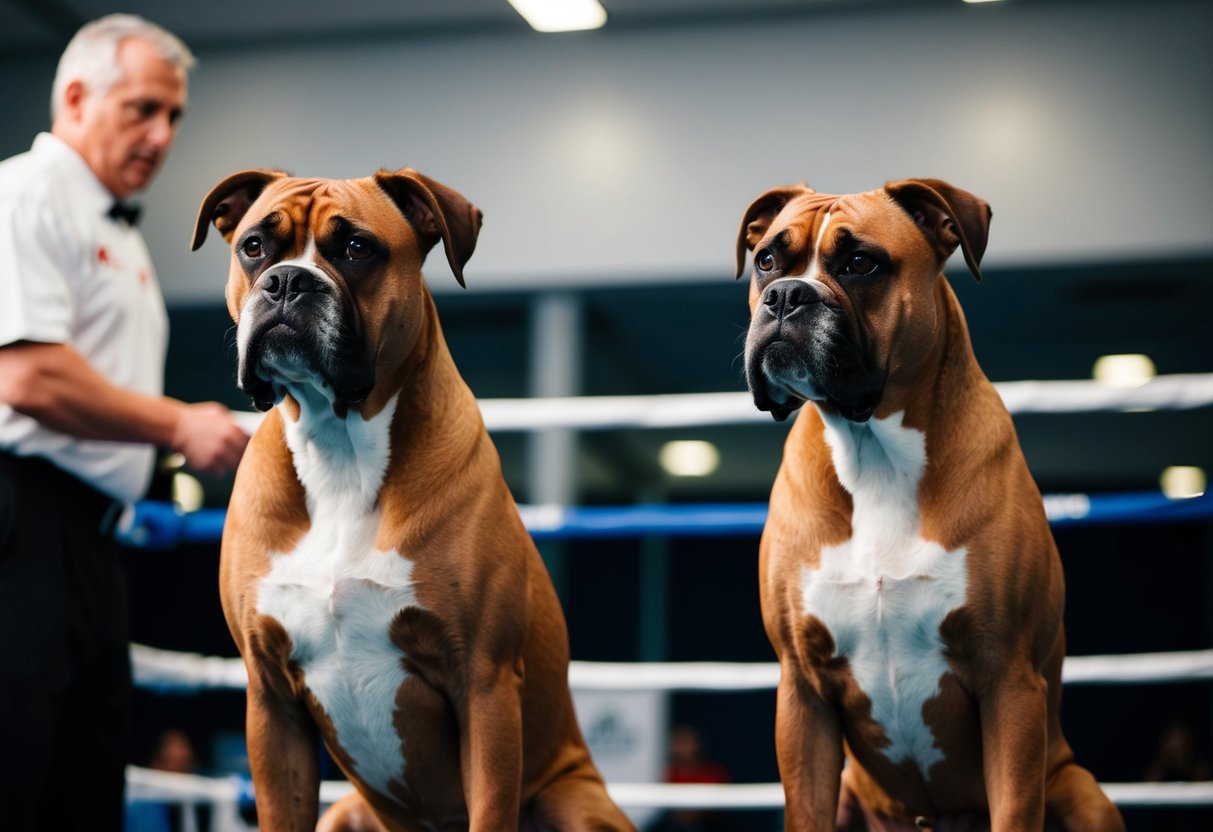
To keep your Boxer well-behaved, it’s important to focus on effective training techniques and meet their exercise needs. Boxers thrive on positive reinforcement and regular activity, making these factors key to their overall behavior and happiness.
Training Techniques and Challenges
Training your Boxer can be a rewarding experience. Since Boxers are intelligent dogs, they respond well to positive reinforcement training. This means rewarding good behavior with treats, praise, or playtime.
While they can learn quickly, Boxers can also be stubborn at times. Stay consistent in your training methods. Short training sessions of about 10-15 minutes each are effective.
Common challenges include their high energy and playful nature. They may get distracted easily, so keep training sessions fun. Incorporate commands like “sit,” “stay,” and “come” consistently.
Consider joining a training class certified by the American Kennel Club to enhance your skills and connect with other Boxer owners.
Exercise and Activity Levels
Boxers are high-energy dogs that require regular exercise to stay happy and healthy. Aim for at least 1-2 hours of exercise daily. This can be in the form of brisk walks, playtime in the yard, or trips to the dog park.
Engaging in different activities helps channel their energy. You can also include puzzle games or agility training to keep their minds stimulated.
Daily exercise is not just beneficial for physical health; it also reduces behavioral issues at home. An exercised Boxer is more likely to be a good family dog.
Make sure to adapt exercise to your Boxer’s age and health. Puppies may need shorter sessions, while older Boxers might enjoy gentler activities.
Health and Care Considerations

Caring for your Boxer involves understanding their unique health needs and daily care routines. By being proactive, you can help your dog live a happy and healthy life.
Common Health Issues and Preventative Measures
Boxers are prone to certain health issues that every guardian should be aware of. Some common problems include:
- Hip Dysplasia: A genetic condition affecting the hip joints. Regular vet check-ups can help catch this early.
- Bloat: A serious condition where the stomach twists. Avoid large meals and let your dog rest after eating.
- Heart Conditions: Boxers can develop cardiomyopathy. Maintaining a healthy weight and regular exercise helps reduce risks.
To keep your Boxer healthy, focus on responsible breeding practices which help minimize genetic issues. Ensure your puppy gets vaccinations and routine vet visits to monitor their health.
Grooming and Daily Care
Boxers have short coats that require minimal grooming. Regular brushing helps reduce shedding and keeps their skin healthy.
You should check their ears weekly for dirt and signs of infection. Bathing your Boxer every few months is usually enough.
Boxers drool, so keep a towel handy to clean up after meals.
Daily exercise is crucial for their energetic nature. Aim for regular walks and playtime to keep them stimulated and healthy.
By attending to your Boxer’s health and grooming needs, you ensure they thrive as a well-behaved companion.


