
When choosing a dog, one of the biggest considerations is how easy it will be to train. Many people find the Border Collie to be the easiest dog to train. This breed is known for its intelligence and eagerness to please. These traits make them highly responsive, allowing you to teach them commands with ease.
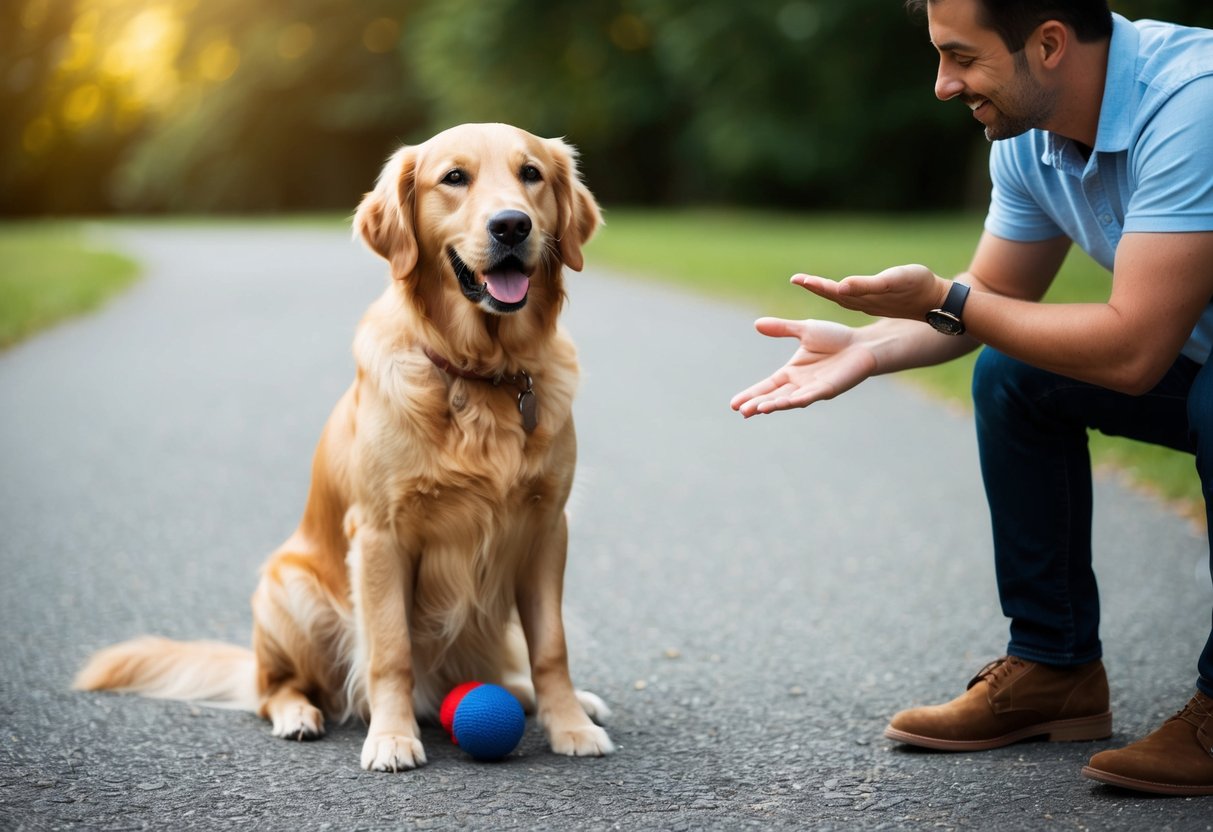
If you’re a first-time dog owner or want a furry friend that quickly learns the ropes, you’ll want to know which breeds excel in training. Different breeds have varying levels of trainability based on their characteristics and temperament. This guide will help you identify the best options, ensuring you and your new pup have a smooth journey together.
Understanding Dog Trainability
When choosing a dog, understanding what affects trainability is essential. Factors like breed, intelligence, and temperament play a significant role in how well your dog can learn. Here’s a closer look at these important elements.
Factors Affecting Trainability
Several key factors influence how easily a dog can be trained. Young dogs are usually more eager to learn, so age is a major consideration. They can concentrate better and are often quick learners.
Meanwhile, high-energy breeds may have trouble focusing during training sessions. This means you need to keep the training engaging to hold their attention.
Additionally, you should also consider distractions in your environment. Dogs can be easily sidetracked by noises or movements. Managing these distractions is vital for successful training.
The Role of Breed in Training
Different breeds have unique traits that affect their trainability. For example, herding breeds like Border Collies are known for their high intelligence and eagerness to please. These traits make them great candidates for obedience training and mental stimulation.
On the other hand, some breeds may require more patience. Toy breeds, while often intelligent, can be stubborn. Understanding your dog’s breed characteristics can help you tailor your training approach.
It’s important to choose training methods that suit your dog’s personality. Incorporating positive reinforcement techniques can encourage good behavior and strengthen your bond.
Intelligence and Temperament
Intelligence plays a key role in how dogs learn. Some dogs pick up commands and tricks quickly. Others may need more time and repetition. Regardless, patience is crucial.
Temperament can also impact trainability. A calm dog may respond better to training than one that is easily excited or anxious.
Socialization is equally important. Exposing your dog to different people and environments can help reduce behavioral issues later. It fosters a strong attachment between you and your dog, making training more effective.
By understanding these factors, you can have more success with your training efforts.
Top Breeds Known for Trainability
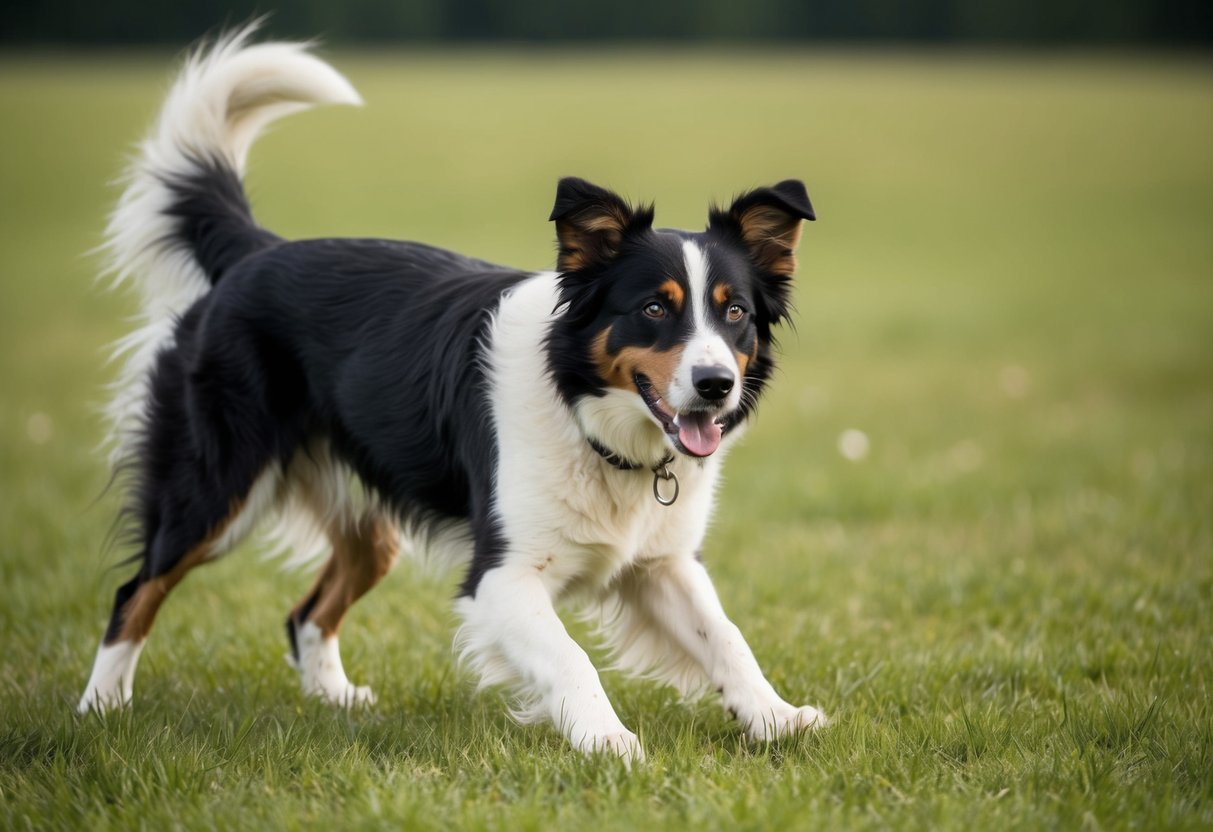
When it comes to finding a dog that’s easy to train, certain breeds stand out. These dogs often excel in obedience, respond well to commands, and enjoy learning new tricks. Let’s explore some of the top breeds known for their trainability.
Highly Trainable Large Dog Breeds
Large dogs can be both gentle giants and eager learners. The Labrador Retriever is a favorite for families, known for its intelligence and willingness to please. They excel in obedience training and are great for dog sports.
The German Shepherd is another popular choice. Strong and loyal, they are often used as service and therapy dogs. Their quick learning ability makes them essential for police and rescue work.
Golden Retrievers also rank high. They’re friendly, easily trained, and adapt well to various roles, from family pets to therapy dogs. Don’t forget the Doberman Pinscher and Bernese Mountain Dog, known for their smarts and affectionate personalities, making them great companions.
Easily Trained Small Dog Breeds
Small dog breeds can be surprisingly trainable too. The Poodle, whether standard or miniature, is not only adorable but also highly intelligent. They love engaging in activities with their owners, leading to successful training sessions.
The Papillon is another small breed that thrives on training. Their eagerness to learn makes them suited for various dog sports. Miniature Schnauzers are known for their playful nature and responsiveness to commands.
Bichon Frise is a cheerful breed that excels in learning new tricks. This friendly dog bonds well with families and adapts easily. Lastly, the Boston Terrier is affectionate and intelligent, contributing to their easy training abilities.
Working Breeds and Their Training Aptitude
Working breeds are often bred for intelligence and trainability. The Border Collie is frequently cited as the most trainable dog. Known for their herding instincts, they thrive on mental stimulation and enjoy learning commands.
Australian Shepherds are another breed that commands attention. Their energy and intelligence help them excel in training, making them great herding and agility dogs.
Belgian Malinois and Shetland Sheepdogs also shine in obedience training. They’re often used as working dogs due to their strong drive and desire to learn.
These traits show how a dog’s background can influence its trainability and readiness to work with you.
Effective Training Techniques for Any Dog
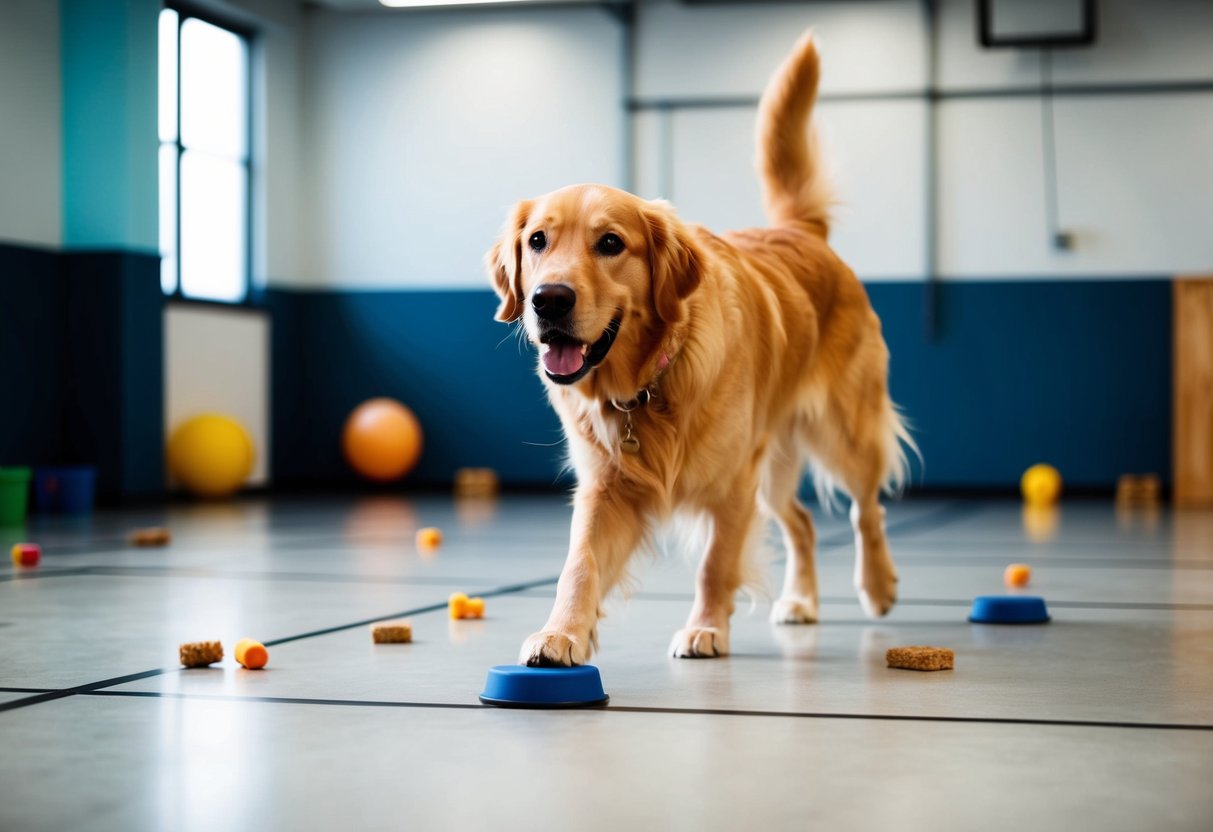
Training your dog effectively requires the right techniques. By focusing on basic commands, positive reinforcement, and advanced methods, you can build a strong bond and improve your dog’s obedience and behavior.
Starting with Basic Commands
Teaching basic commands is key to successful dog training. Commands like “sit,” “stay,” and “come” lay the foundation for good behavior. Start training your dog as early as possible, preferably during puppyhood.
You can use short training sessions of about 5-10 minutes. This keeps your dog engaged without overwhelming them. Make sure to practice consistently, as repetition helps reinforce learning.
Use clear and simple commands. Always reward your dog immediately after they follow a command. This rewards good behavior and encourages them to comply again.
Positive Reinforcement Explained
Positive reinforcement is a powerful training technique. It involves rewarding desired behaviors to encourage them in the future. Rewards can be treats, praise, or playtime.
For example, if your dog sits when you ask, offer a treat or lots of praise right away. This encourages them to repeat the action. Consistency is important—always reward the behavior you want to see more often.
Additionally, positive reinforcement can help shape complex behaviors over time. Break these behaviors into smaller steps and reward progress. This makes learning more enjoyable for your dog.
Advanced Obedience and Agility Training
Once your dog masters basic commands, you can explore advanced obedience and agility training. This not only challenges your dog but also provides plenty of physical activity.
Consider enrolling in classes or dog sports that focus on agility training. Activities like obstacle courses can improve coordination and focus while strengthening your bond.
Remember, training should always be a fun experience for both you and your dog. Use rewards, a positive attitude, and excitement to motivate your dog during these advanced sessions.
Engaging your dog in these activities will not only make them well-behaved but also happy.


