
If you’re searching for the cutest mini dog, you’re in for a treat! The Cavalier King Charles Spaniel often tops the list as one of the most adorable small dog breeds. With their expressive eyes and playful nature, these tiny pups can easily win your heart.

Small dog breeds come in all shapes and sizes, but if you love a dog that fits perfectly in your lap or bag, you may want to explore other cute small dogs too.
From charming teacup Poodles to fluffy Maltese, each tiny dog has its unique charm. Their big personalities and unwavering affection make them wonderful companions for any lifestyle.
When it comes to tiny dogs, the choices are many, and finding the cutest can be a joyful journey. Get ready to discover a world of adorable small dogs that might just be your next best friend!
Understanding Mini Dog Breeds

Mini dog breeds bring joy with their small size and lively personalities. These charming dogs fit well into various lifestyles, making them great companions for many.
Let’s explore what defines a mini dog, look at an overview of different breeds, and highlight some popular choices.
Defining ‘Mini’ and ‘Teacup’
When you hear “mini” or “teacup,” it often refers to small dog breeds that are easy to carry and care for. “Mini” usually means dogs that weigh between 5-20 pounds and stand under 12 inches tall. Meanwhile, “teacup” dogs are even smaller, often weighing less than 5 pounds.
The American Kennel Club recognizes various toy breeds, which fall into this mini category. These breeds are known for being compact and adorable, making them perfect for those who want a small, loving pet.
Breeds Overview
Mini dog breeds come in various types, each with unique traits. Some common groups include:
- Toy Breeds: These are small, playful puppies that enjoy human interaction. Examples include the Toy Poodle and Toy Fox Terrier.
- Companion Breeds: Known for their friendly nature, these dogs thrive on companionship. Many are great for apartment living.
Each breed can vary in temperament, coat type, and care needs. Researching different breeds can help you find the perfect mini dog for your lifestyle.
Popular Mini Dog Breeds
Several mini dog breeds are particularly popular among dog lovers. Here are a few:
- Toy Poodle: Known for their intelligence and hypoallergenic coat, they are friendly and eager to please.
- Toy Fox Terrier: This breed is playful, alert, and great for families or active individuals.
- Chihuahua: These tiny dogs are often full of personality and love to be the center of attention.
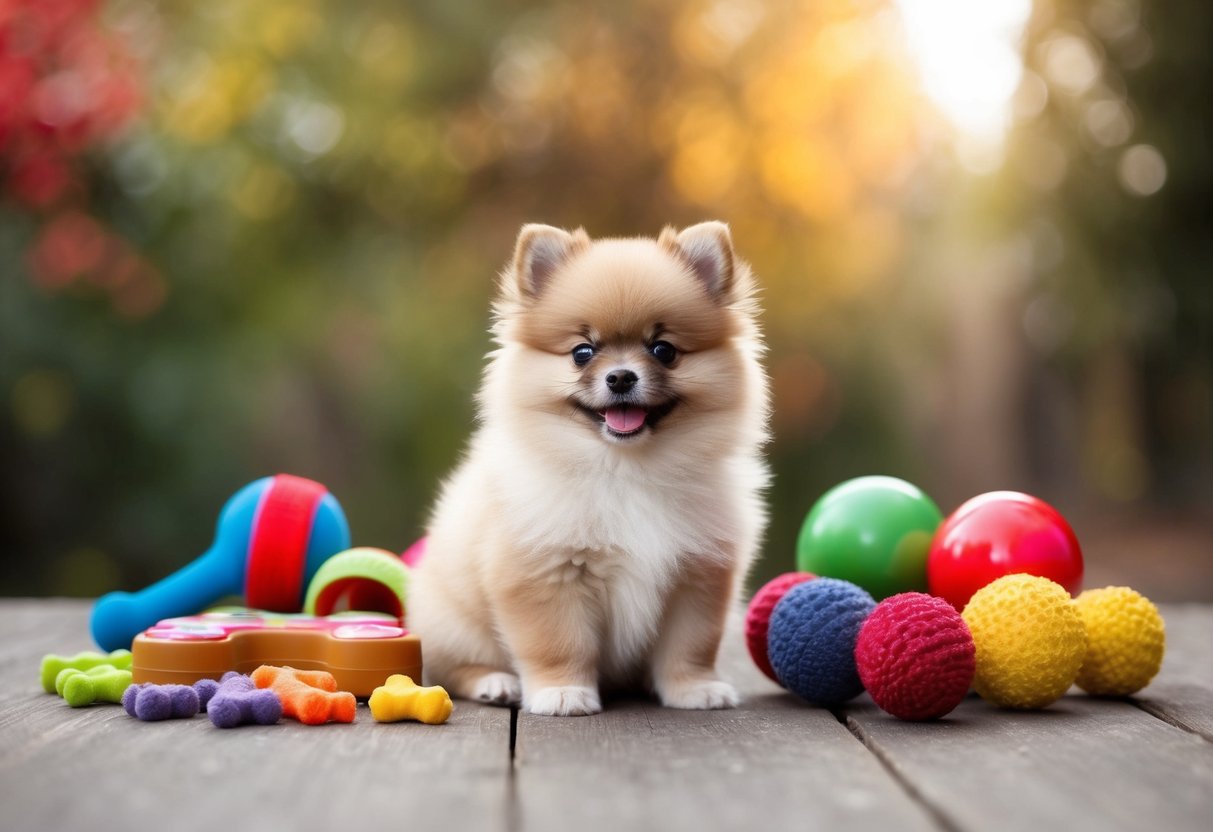
- Pomeranian: Known for their fluffy coats, they are lively and often very affectionate.
Choosing from these breeds can lead you to a happy, furry friend that’s just right for you!
Top Mini Dog Breed Profiles

When considering the cutest mini dogs, several breeds stand out for their unique characteristics and charming qualities. Each has its own appeal, making them great companions for various lifestyles. Here are some of the top mini dog breeds that you might find irresistible.
Chihuahuas: Tiny but Mighty
Chihuahuas are one of the smallest dog breeds, often weighing just 2 to 6 pounds. Despite their petite size, they have a big personality. They are known for their loyalty and strong bond with their owners.
Chihuahuas come in various colors and coat types, giving you options to choose from. They can be a bit feisty, so early training and socialization are important. Their playful nature makes them excellent companions, especially in small living spaces.
The Playful Pomeranian
Pomeranians are fluffy balls of energy that usually weigh between 3 to 7 pounds. Known for their vibrant personalities, they are often friendly and social. This breed loves to play and can keep you entertained for hours.
Their thick coat requires regular grooming to keep them looking their best. Pomeranians are also quite intelligent, making them easy to train. Whether you’re looking for a cuddle buddy or a playful companion, Pomeranians fit the bill.
The Elegant Italian Greyhound
Italian Greyhounds are sleek and graceful, typically weighing around 7 to 14 pounds. They are known for their elegant appearance and gentle disposition. These dogs enjoy lounging but also have bursts of energy, making them playful yet calm.
This breed is affectionate and loves to cuddle. Regular walks will keep them happy and healthy. Their short coat is low-maintenance, making them great for first-time dog owners.
French Bulldog Charm
French Bulldogs are gaining popularity for their adorable bat-like ears and charming demeanor. Weighing around 16 to 28 pounds, they may be slightly larger than other mini breeds, but they are still compact. They have a friendly nature, making them excellent family pets.
French Bulldogs are known to be quite social, enjoying the company of people and other pets. They require moderate exercise and can adapt well to apartment living. Their playful antics and affectionate nature will keep you smiling.
Cuddly Cavalier King Charles Spaniels
Cavalier King Charles Spaniels are known for their sweet expressions and friendly temperament. They usually weigh between 13 to 18 pounds and are incredibly affectionate. This breed loves to be around people, making them great companions for families and individuals alike.
Cavaliers are known for their playful yet calm demeanor, making them excellent for any living situation. Regular grooming is essential to keep their beautiful coats healthy. Their gentle nature makes them great with children and other pets, ensuring a happy home environment.
Caring for Mini Dogs

Taking care of mini dogs involves understanding their specific needs. These small breeds, like the Affenpinscher, Bichon Frise, and Boston Terrier, require attention to their diet, exercise, and health.
Nutritional Needs
Mini dogs need a balanced diet to stay healthy. It’s important to choose high-quality dog food that meets their nutritional requirements. Look for options that contain real meat as the first ingredient and are low in fillers.
Due to their small size, portions should be carefully measured to avoid overfeeding. Consider feeding your mini dog two to three small meals a day instead of one large meal.
Always consult your vet for personalized recommendations based on your dog’s breed, age, and activity level. Keeping a consistent feeding schedule will help maintain a healthy weight.
Exercise Requirements
While mini dogs do not need as much exercise as larger breeds, they still need regular activities. A daily walk of 20 to 30 minutes is ideal.
Breeds like the Havanese and Japanese Chin enjoy playtime indoors, too.
Engaging in games like fetch or tug-of-war can help keep them active. Some mini dogs, such as the Bichon Frise, may love agility courses for fun physical activity.
Be mindful of their energy levels and adjust playtime accordingly. Always supervise them during play to ensure they don’t hurt themselves, as their small size makes them more prone to injury.
Health Considerations
Mini dogs can be prone to certain health issues. Regular vet visits are essential for catching any potential problems early.
Breeds like the Boston Terrier may face respiratory issues due to their short snouts. Meanwhile, small breeds often have dental problems, so brushing their teeth several times a week is a good idea.
Additionally, keep an eye out for signs of obesity, as mini dogs can easily gain weight.
Providing routine vaccinations and parasite prevention will help keep your furry friend healthy. Don’t forget to give them plenty of love and attention to foster good mental health!
Finding the Right Mini Dog for You
Choosing the right mini dog involves evaluating your lifestyle, considering adoption or reputable breeders, and ensuring your living arrangement suits a small dog’s needs. These factors will help you make a decision that benefits both you and your future furry friend.
Lifestyle Compatibility
Think about your daily routine and how a small dog will fit into it.
Some small breeds, like the Chihuahua, are known for being alert and can serve as excellent watchdogs. Others, like the Pekingese, thrive on quiet companionship.
Consider how active you are. If you enjoy outdoor activities, breeds like the Miniature Pinscher may suit you well. On the other hand, if you prefer a cozy indoor life, a French Bulldog might be ideal.
Evaluate your time commitment, too. Small dogs often need daily walks and social interaction, so make sure you have the time to offer love and attention.
Adoption and Breeders
When finding your new companion, decide if you want to adopt or buy from a breeder.
Adoption is a wonderful option that gives a dog a second chance. Many shelters have adorable mini breeds looking for homes.
If you choose to go through a breeder, research reputable ones. Look for those who focus on the health and temperament of their dogs. Ask about health clearances to avoid genetic issues common in certain dog breeds. Introductory visits can help you see how puppies are raised and socialized.
Living Arrangements
Your living situation plays a big role in choosing a mini dog. Small dogs often adapt well to apartments or smaller homes. However, make sure your space has a safe area for play and exploration.
If you have outdoor access, this can be a huge plus. A mini dog will enjoy sunbathing or playing in the yard. Remember to provide a cozy spot for them to rest inside, too.
Check your local environment. Some dogs are more sensitive to weather, such as extreme cold. Ensure you can meet your dog’s needs, whether they prefer being indoors or outside.


