
If you have a Boxer dog, you might notice this charming behavior where they lean against you. Many owners find it endearing, but it can also leave you wondering why they do it.
Boxer dogs lean on you as a sign of affection and a way to feel secure while being close to their favorite person.
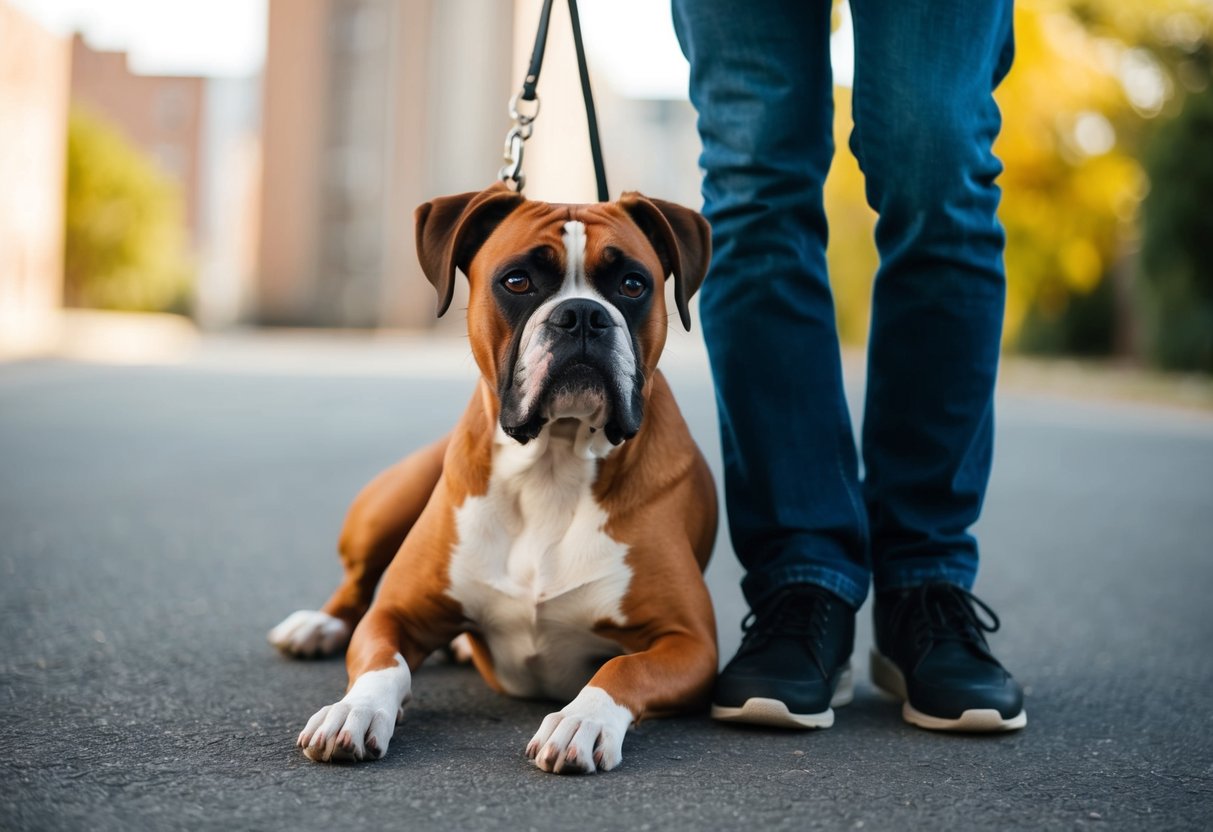
This leaning behavior is common among Boxers, known for their playful and loyal nature. When your dog leans in, they are expressing their love and seeking comfort.
It’s not just about their size or weight; it’s a way for them to bond with you and feel safe in your presence.
Understanding this behavior can deepen your connection with your furry friend. You’ll see how much they value their relationship with you and why they choose to lean on you for support and warmth.
Understanding Canine Behavior and Communication

Canine behavior can seem puzzling at times, but understanding how dogs communicate helps build a stronger bond.
Boxer dogs have unique ways of showing their feelings through body language and leans. Recognizing these signals can give you insight into your dog’s emotional state.
The Language of Leans
When your Boxer leans against you, it’s not just a cute gesture. This behavior often means they are seeking comfort and closeness. The lean can indicate trust and affection, showing you how much they value your company.
Leaning can also be related to their “love language.” Boxers thrive on human interaction, and leaning helps strengthen that bond. When they lean, they may be hoping for some attention, like a pat or a cuddle.
Body Language Signs
Beyond the lean, your Boxer uses various body signals to communicate. For example, tail wagging usually indicates happiness, while eye contact can show trust. If your dog is relaxed with their ears back, they are likely feeling secure.
On the other hand, if your dog is tense or avoids eye contact, they might be anxious or uncertain. These signs are crucial in reading your pet’s emotions. Pay attention to how their body moves; it tells you what they need.
Bonding and Affection
Your Boxer’s affection can be seen not just in leaning but also through actions like licking or maintaining close physical contact.
These behaviors promote the release of oxytocin, often called the “bonding hormone.” This hormone increases when dogs interact with their humans, enhancing emotional ties.
Encouraging these behaviors can lead to a deeper bond. Spend time petting your dog or engaging in play. Recognizing and reciprocating their affection helps both of you feel more connected. The connection strengthens as you understand what your furry friend is trying to express.
Factors Contributing to Leaning in Boxers
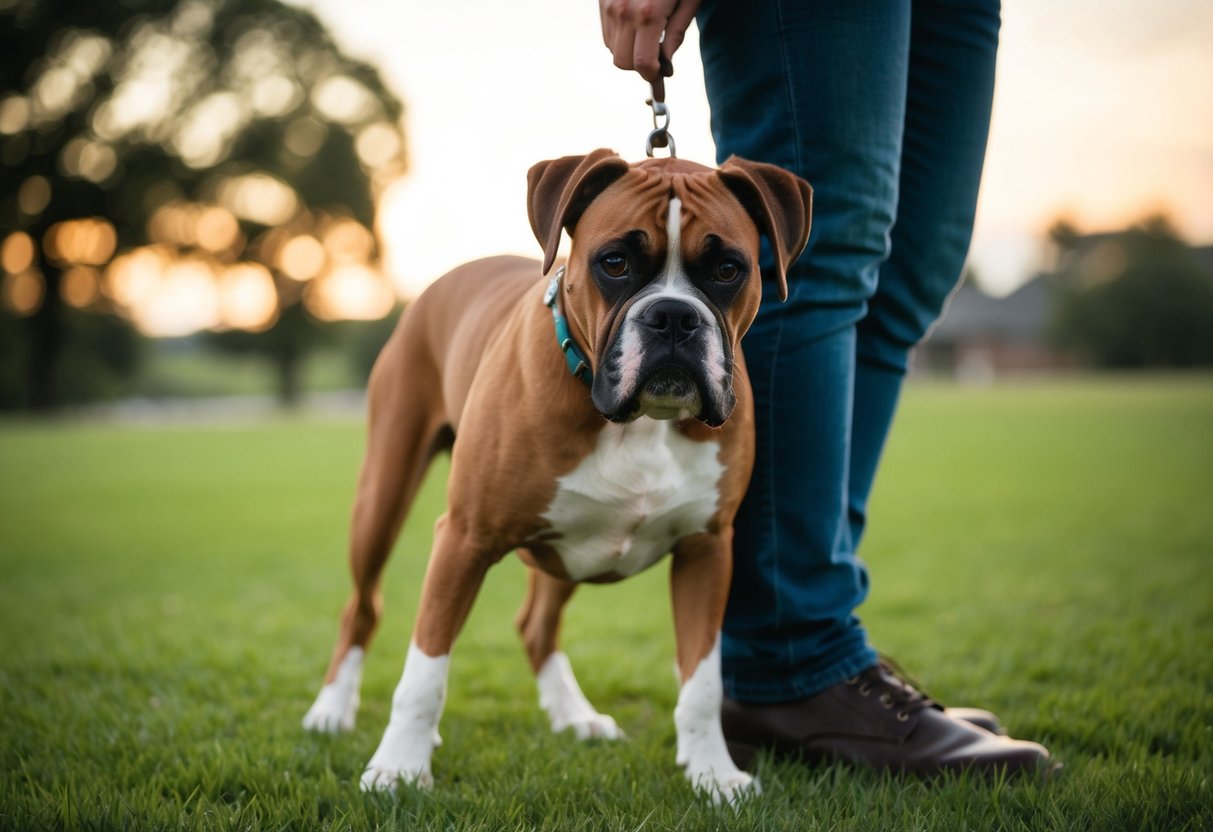
Boxer dogs lean on you for several reasons, each connected to their need for comfort, attention, and a sense of security. Understanding these factors can enhance your relationship with your dog.
Seeking Comfort and Security
Boxers are known to be social and affectionate dogs. When they lean on you, it often means they are seeking comfort.
This behavior can be more pronounced during stressful situations, such as loud noises or when left alone for too long.
If your Boxer feels anxious, leaning against you provides a sense of security. Your presence reassures them, especially if they experience separation anxiety. By leaning, they can feel grounded, which helps them calm down.
Attention-Seeking Behavior
Your Boxer may also lean on you as a way to get your attention. They are naturally playful and energetic, so leaning can be a request for play or affection.
If you respond by petting or talking to them, they learn that leaning is a way to engage with you.
This behavior is not just about comfort; it’s about connection. Boxers thrive on interaction with their humans. When they lean, they show you they want to bond, making it a vital part of their social behavior.
Protection and Territory
Boxers are protective by nature. Leaning can be a way for them to assert their presence. When they lean against you, they may be marking their territory and showing that they are there to watch over you.
This protective behavior means they trust you. They feel secure when you are close, and leaning allows them to gauge their surroundings while staying connected.
It’s an instinct that stems from their history as guard dogs, making the act of leaning both a comfort for them and a protective gesture.
Training and Managing Your Boxer’s Leaning
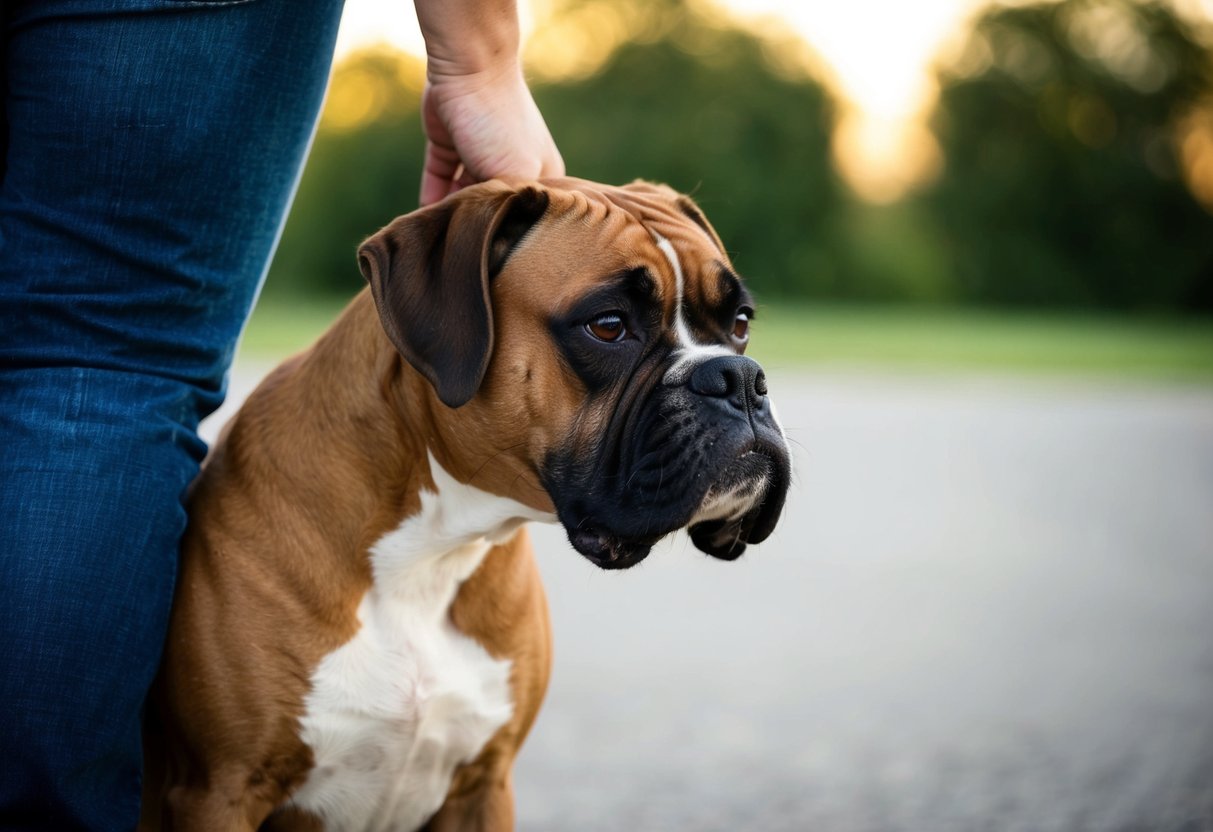
Managing your Boxer’s leaning behavior involves training techniques and consistent practices. You can guide your dog to develop healthier habits while enjoying your time together. Here are some effective strategies to consider.
Professional Guidance
Engaging a professional dog trainer can help your Boxer learn better behaviors.
Trainers have the experience to assess your dog’s leaning and offer targeted techniques. They can demonstrate how to redirect this behavior effectively.
A professional can teach you commands and cues that discourage unwanted leaning. With their support, you’ll gain tools to reinforce positive behaviors. This might include rewarding your Boxer when they sit or stand beside you instead of leaning.
Consistency in Training
Consistency is key when training your Boxer. Use the same commands every time you want to discourage leaning.
For example, if you prefer your dog to sit, always ask them to do so before giving attention.
Create routines that reinforce good behavior. Practice these commands during walks and playtime.
Reward your Boxer with treats or praise when they stay close without leaning. This repetition will help your dog learn that sitting or standing nearby is more rewarding than leaning against you.
Remember to be patient. Changes might take time, but with regular practice, your Boxer will learn the behavior you want.
Socialization and its Impact on Boxer Behavior

Socialization plays a vital role in shaping a Boxer’s behavior. It helps them develop strong emotional bonds with their owners and becomes a source of comfort. A well-socialized Boxer is often more confident and less anxious in different situations.
Building Emotional Support
Boxers are known for their affectionate nature. When you invest time in socializing your dog, you reinforce their ability to connect emotionally with you.
This connection can make them feel secure and understood. As your Boxer interacts with various people and other pets, they learn to express affection and seek comfort.
This bonding is essential for reducing anxiety. An anxious dog may lean on you for reassurance, showcasing their trust and need for support.
By encouraging positive experiences, you help your Boxer become more confident. This can lead to a happier, healthier relationship, where your dog feels safe leaning on you for emotional support.


