
Disciplining a boxer puppy requires patience and understanding. These energetic pups are full of life and can sometimes get a little rowdy. To discipline your boxer puppy effectively, you should use positive reinforcement techniques and establish clear boundaries. This approach helps your puppy learn what behaviors are acceptable while also building a trusting relationship between you and your pet.
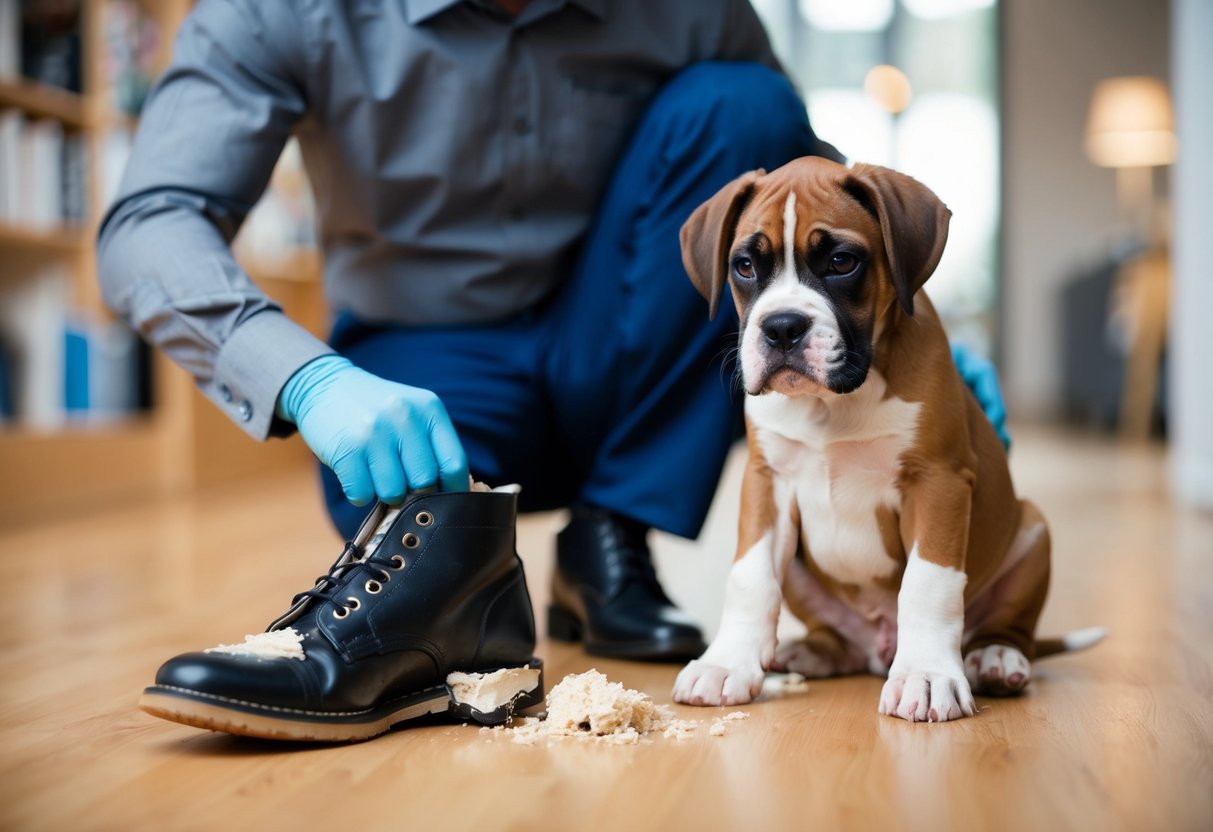
As you start training, keep your sessions short and enjoyable. Boxers respond well to consistent commands and love to please their owners.
It’s crucial to reward good behavior with treats or praise, so your puppy understands what you expect. Teaching good manners takes time, but with dedication, you can guide your boxer to become a well-behaved companion.
With the right techniques and lots of love, you’ll find that your boxer puppy can learn and thrive. Let’s explore some effective methods to make training a rewarding experience for both of you.
Understanding Your Boxer Puppy

Understanding your boxer puppy is key to effective training. Boxers are known for their energy, making them lively companions. They need regular exercise and mental stimulation.
Boxer puppies typically have a short attention span. This means it’s best to keep training sessions brief. Try to use fun activities to keep your puppy engaged during training.
These puppies can show a bit of stubbornness, which may lead them to ignore commands at times. Be patient and consistent as you work with your boxer. Positive reinforcement is very effective.
When training your boxer, remember they thrive on attention. Praise your puppy whenever they succeed in tasks. It can help strengthen your bond and encourage good behavior.
Also, boxers are naturally affectionate. They love being part of the family, so include them in daily activities. This socialization is crucial for a well-behaved pet.
Fundamentals of Puppy Training
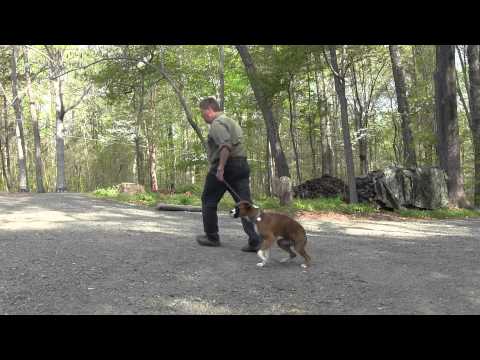
Starting your puppy training on the right foot is essential. You’ll want to focus on creating a solid routine and teaching basic commands. These steps will help your Boxer puppy understand expectations and feel secure.
Establishing a Routine
Creating a consistent daily routine helps your puppy know what to expect. Schedule feeding times, potty breaks, and training sessions at the same times each day. This consistency provides stability and builds trust.
Make time for short training sessions, ideally 5 to 10 minutes long. Keep these sessions fun and engaging for your puppy. Use positive reinforcement techniques like treats and praise to reward good behavior. This method encourages your puppy to repeat those behaviors.
Include playtime in your daily routine. It’s a great way for your puppy to burn off energy and bond with you. A well-rounded routine helps your Boxer learn effectively and feel happy.
Mastering Basic Commands
Teaching basic commands is a vital part of training. Start with simple commands like “sit,” “stay,” and “come.” These commands are not only useful but also promote good behavior.
Use positive reinforcement to encourage your puppy. When your Boxer successfully follows a command, reward them with a treat or praise. This will create a positive association with learning.
Be consistent with your commands. Always use the same word for each command to avoid confusing your puppy. Practice regularly, but keep sessions short to maintain your puppy’s attention.
Incorporate fun training games to make learning enjoyable. These games can reinforce commands while strengthening your bond. With patience and dedication, your Boxer will master these essential skills.
Socialization and Behavioral Training
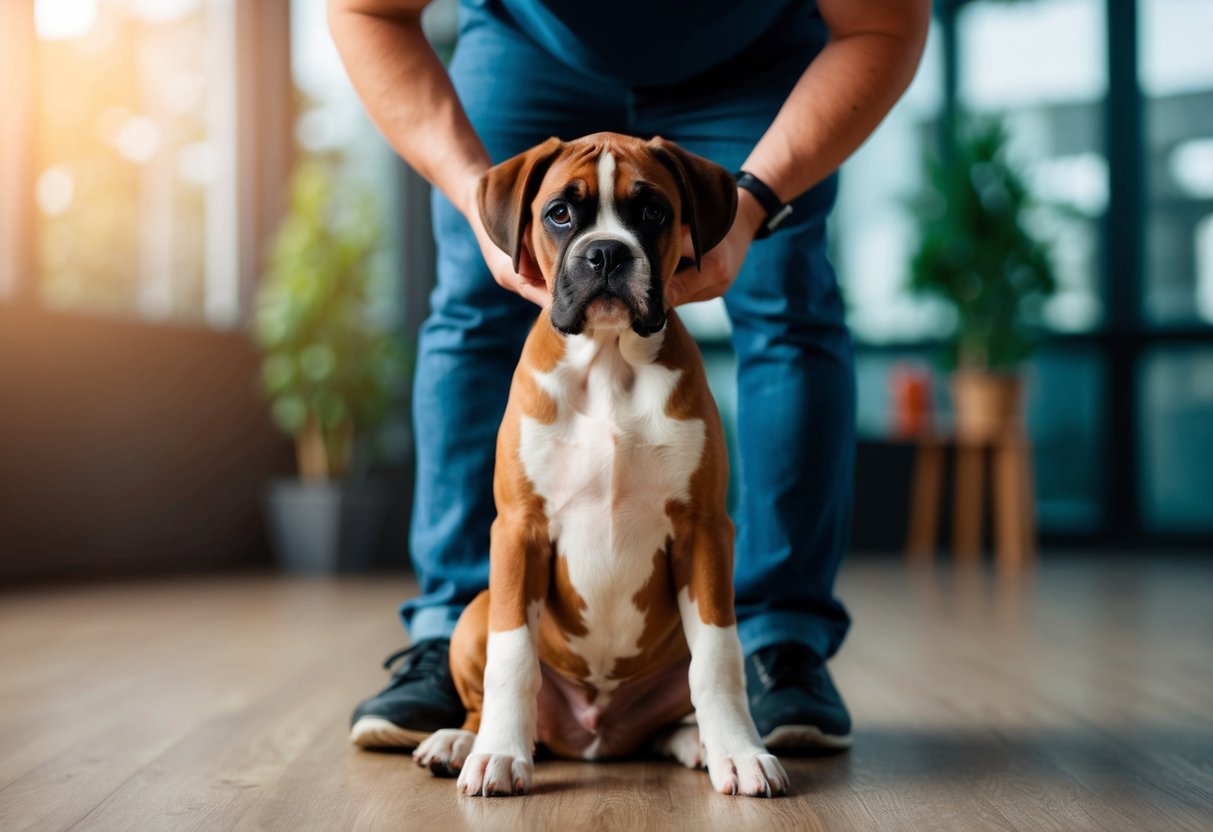
Socialization and behavioral training are crucial for your Boxer puppy’s development. Proper training helps reduce anxiety and stress while encouraging positive behaviors. Let’s break down how to effectively socialize your puppy and tackle crate and potty training.
Introduction to Socialization
Socialization is all about exposing your Boxer puppy to various environments, people, and other animals. Start young, ideally between 8 and 16 weeks, as this is a critical period for learning.
Take your puppy on walks in different settings, like parks and busy streets. This helps them get used to sounds and sights they might encounter. Use praise when they react calmly to new situations. This reinforces good behavior.
Joining groups like the AKC Family Dog Program or local training classes can also offer structured socialization opportunities. The American Boxer Club often provides resources and events that can aid in this process. Remember, the goal is to create a confident, well-adjusted adult dog.
Crate Training and Potty Training
Crate training helps your puppy feel safe. It also provides a space for them when you’re not watching. Start by introducing the crate as a cozy den. Use soft bedding and toys to make it inviting.
When your puppy enters the crate, offer praise. This builds a positive association. Gradually increase the time they spend inside.
For potty training, establish a routine. Take your puppy outside right after eating, playing, or waking up. Use a specific spot, and when they go, praise them immediately. Consistency is key to eliminating accidents and teaching them where to relieve themselves.
Advanced Training Techniques
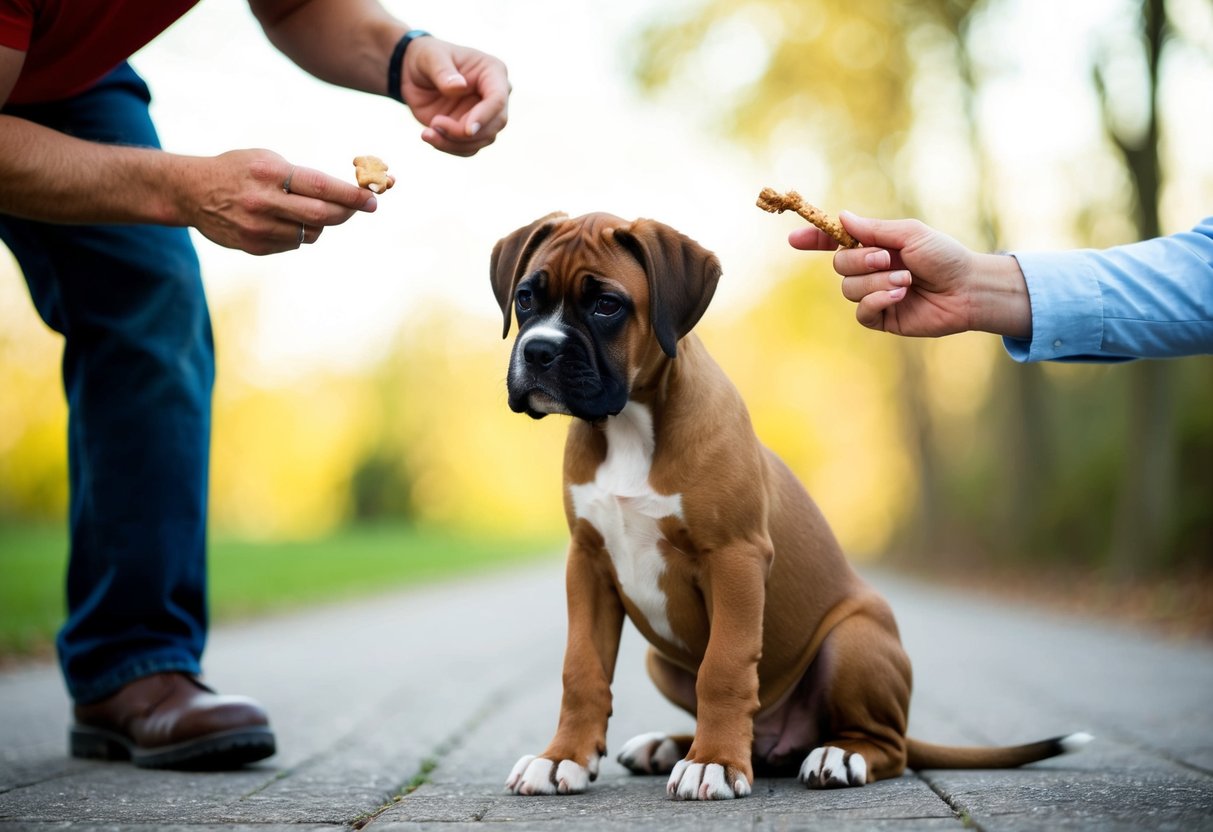
Training your Boxer puppy doesn’t stop at basic commands. To help them thrive, you can use advanced training techniques that focus on obedience skills and making sessions fun. These methods will keep your puppy mentally stimulated and strengthen your bond.
Developing Obedience Skills
Obedience training is essential for a well-behaved Boxer. Start by teaching clear commands like “sit,” “stay,” and “come.” Use a firm but gentle tone, ensuring your puppy understands what you expect.
Consider enrolling in puppy classes or obedience classes led by a professional dog trainer. These sessions provide structure and allow you to learn effective training methods.
Incorporate advanced commands like “heel” or “leave it” as your puppy masters the basics. Using positive reinforcement, reward your pup with treats or praise when they follow commands correctly. This encourages good behavior and makes learning enjoyable.
Engaging in Play Training
Play training makes discipline fun and effective. Boxers have a natural play drive, so incorporating games into training can enhance their focus.
Activities like fetch or tug-of-war can be great ways to practice commands while keeping it exciting.
Create routines that mix training with fun. For example, practice “sit” before throwing a ball. This not only teaches commands but also provides mental stimulation.
Using toys as rewards during training can also keep your Boxer engaged. Always vary the games to prevent boredom and sustain their interest.
By linking learning with play, you’ll foster a happy puppy that loves to train.


