
When you think about dog breeds, boxers often come to mind. Unfortunately, they carry a reputation that isn’t always fair. Many of the negative views are based on stereotypes and misconceptions rather than reality. Understanding where these ideas come from can help you see boxers for the loyal and loving companions they can be.

Boxers are highly energetic and playful dogs, which can lead to misunderstandings about their behavior. Some folks label them as aggressive or troublesome without knowing the right training methods to use. With proper guidance, boxers can become well-behaved members of your family, showing their true nature as friendly and affectionate pets.
Exploring the truth behind the boxer’s reputation reveals much more than just myths. By looking deeper into the reasons behind their bad reputation, you can appreciate why these dogs deserve a second glance. A friendly boxer might be the perfect addition to your home!
Understanding Boxer Dog Temperament

Boxers are known for their unique temperament and lively personality. Recognizing these traits can help you understand how to best care for your boxer dog and their needs.
Natural Instincts of Boxer Dogs
Boxers have strong natural instincts that shape their behavior. They were originally bred in Germany for working roles, which makes them intelligent and alert. This breed can excel in various tasks and enjoys having a job to do.
Their high energy levels mean they require regular exercise. Without enough activity, boxers may become bored and act out. Being aware of their high prey drive is also essential. Boxers can be curious and may chase smaller animals if they aren’t trained properly.
Training should focus on positive reinforcement. This helps channel their energy into good behavior. Ensuring mental stimulation, like interactive toys, can also keep them engaged.
Boxer Dogs in Family Settings
Boxers make great family dogs. They are known for their loyalty and protective nature, which can make them wonderful companions for children. Their playful demeanor means they often enjoy games and activities with the family.
It’s important to socialize boxers from a young age. Exposing them to different people, pets, and environments will help them become well-rounded. They thrive on attention, so spending time together strengthens your bond.
While boxers are friendly, they can be strong-willed. Consistent training from a young age will provide structure and help manage any mischievous behavior. With patience, your boxer will grow to be a loving and well-behaved member of the family.
Training and Socialization Impact
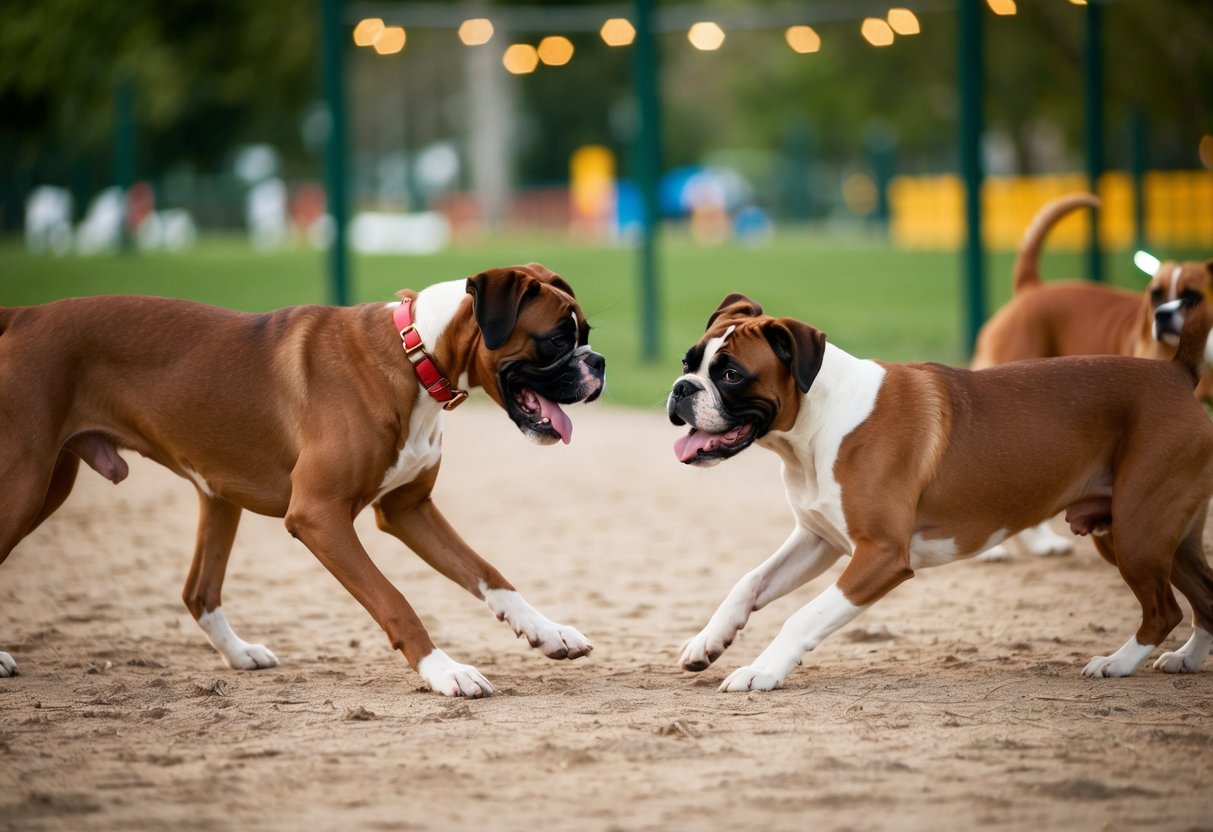
Training and socialization play a crucial role in shaping a boxer’s skills and reputation. They influence how athletes develop not only in the ring but also as individuals within their communities. Let’s explore how early socialization and specific training techniques help create well-rounded boxers.
Importance of Early Socialization
Early socialization is essential for young boxers. It helps them build relationships with peers and coaches, fostering a sense of belonging. Developing these skills at a young age can reduce the likelihood of negative behaviors often associated with fighting.
When boxers engage with others, they learn important values like teamwork, discipline, and respect. These interactions can create a positive environment, making it easier for them to train and succeed. Lack of socialization can lead to isolation and misunderstandings about the sport, which may contribute to a bad reputation.
Training Techniques for Boxers
Effective training techniques are vital for boxers to reach their full potential. A key approach is the use of positive reinforcement, which encourages good behavior and dedication. This practice helps you stay motivated and focused on your goals.
Additionally, incorporating various training methods, such as sparring, conditioning, and technique drills, can make the process enjoyable. An easy-to-train boxer is one who learns quickly and adapts well to new challenges. Proper training not only hones your physical abilities but also builds mental strength. This combination contributes to a boxer’s reputation as a skilled and disciplined athlete.
The Boxer Breed as Family and Guard Dogs
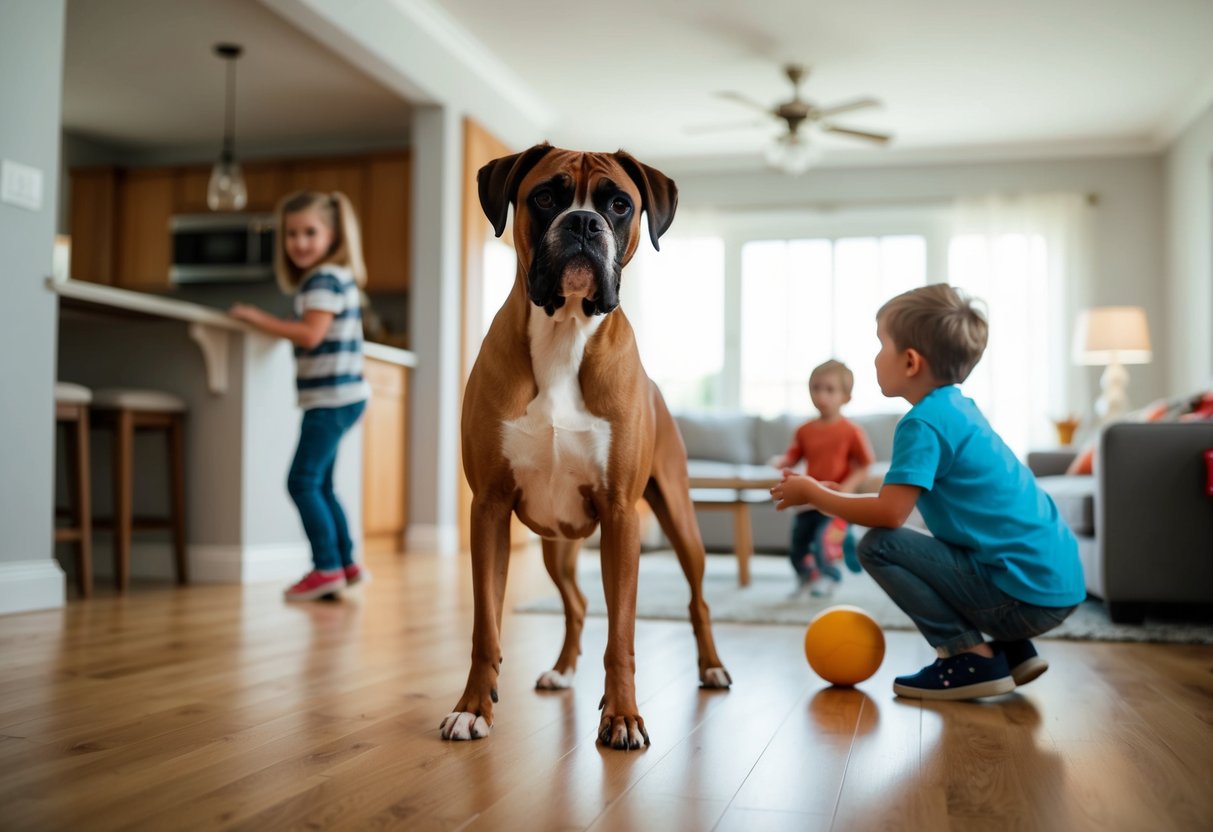
Boxers make excellent family pets and guard dogs due to their protective nature and playful demeanor. Their friendly attitude towards children and families, combined with their instincts to protect, makes them unique companions.
Boxers as Protective Companions
Boxers are known for their strong protective instincts. They bond closely with their families and can be quite wary of strangers. This makes them effective watchdogs. When someone approaches your home, a Boxer will alert you with a bark, ensuring you know someone is nearby.
Their loyalty to family members is unmatched. Boxers are known to be very affectionate, often following their owners around. They thrive on companionship and will do their best to protect you.
Being aware of their protective nature is important, especially around new people. Early socialization is key to help your Boxer distinguish between a friend and a potential threat.
Energy Levels and Playfulness
Boxers are high-energy dogs. They need regular exercise to keep them healthy and happy. Daily walks, playtime, and running are vital for their well-being. Without enough activity, they can become bored and may display unwanted behaviors.
They are playful dogs that enjoy games like fetch and tug-of-war. Engaging in physical activities not only keeps them fit but also strengthens your bond. Boxers typically get along well with children and can be quite entertaining with their silly antics. Their playful demeanor adds joy to family life.
Addressing Common Concerns and Queries

Many people have questions about Boxers, especially regarding their behavior and care. Understanding their temperament and maintenance needs can help you decide if this breed is right for you.
Are Boxers Aggressive?
Boxers can sometimes be perceived as aggressive due to their strong build and protective nature. It’s important to note that not all Boxers are aggressive. Many are friendly and playful.
Some aggressive behaviors may include resource guarding, where a dog becomes possessive over food or toys. This can be managed through training and positive reinforcement. Proper socialization is key in reducing any potential dog aggression. Training is essential to help your Boxer develop into a good canine citizen. Engaging them in obedience classes can reduce any tendencies for hyperactivity or over-excitement, which can sometimes be misread as aggression.
Grooming and Care for Boxers
Boxers have a short, smooth coat that is easy to maintain. They shed moderately throughout the year, so regular brushing helps reduce loose hair around your home.
Routine grooming should include baths every few months or as needed, especially if your dog enjoys outdoor play. Check their ears and nails regularly. Trimming nails is important for their comfort and health.
Boxers are an active breed that requires regular exercise to stay happy and healthy. Daily walks, playtime, and mental stimulation through toys will keep them engaged. With proper care and attention, you can enjoy a loving and loyal companion.


