
Choosing the right guard dog is an important decision for your family’s safety. The best guard dogs not only protect your home but also offer loyalty and companionship. It’s essential to find a breed that fits your lifestyle and can be trained effectively to fulfill its protective role.
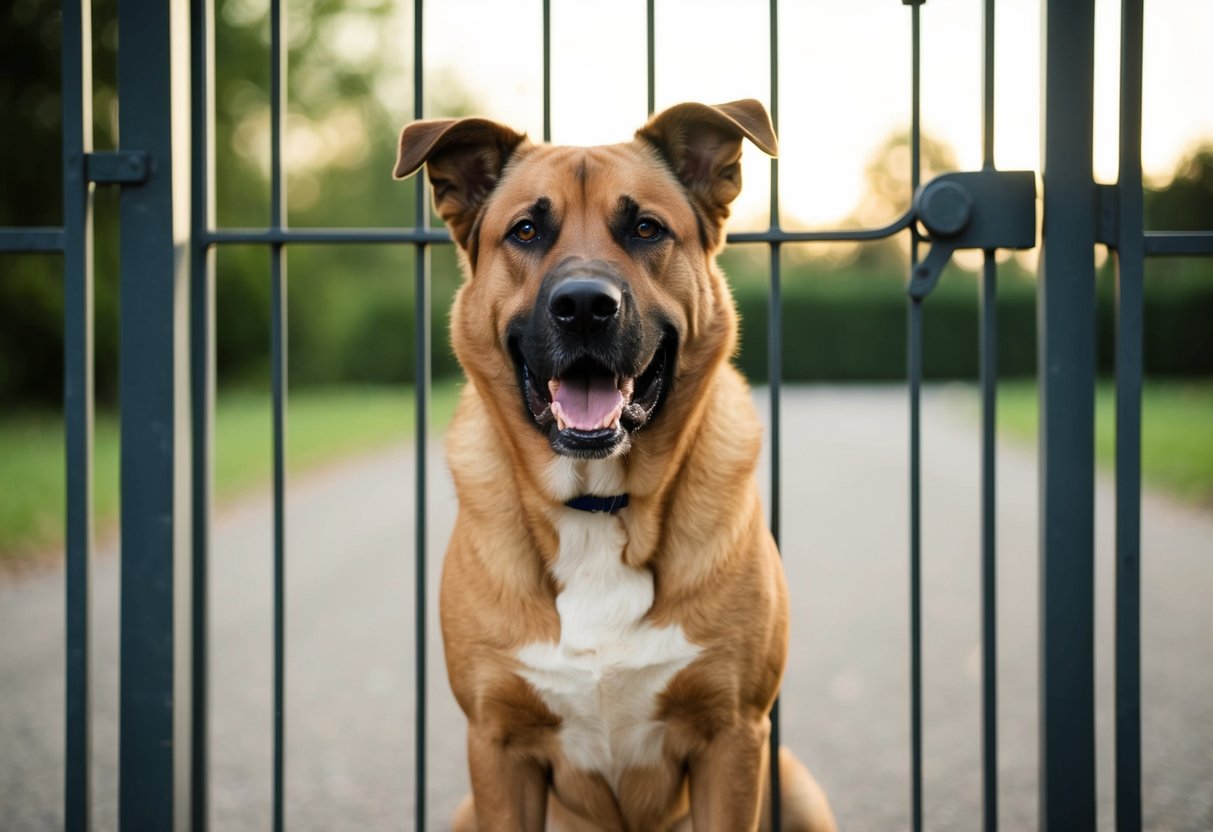
When thinking about dog ownership, consider that not all breeds are suited for guarding duties. Some dogs naturally possess traits like alertness and bravery, making them great at keeping an eye on things. Others may require specific training to develop those skills. Understanding these differences can help you select the best guard dog for your needs.
This journey involves more than just picking a breed. It requires dedication, patience, and a commitment to proper training. By selecting the right guard dog, you invest not just in protection but also in a loyal friend who becomes part of your family.
Criteria for Choosing the Best Guard Dog

When selecting a guard dog, it’s important to focus on specific qualities that ensure your safety and companionship. Key factors include loyalty, physical attributes, and temperament. Each of these elements plays a crucial role in finding the right protective dog for you.
Loyalty and Protective Nature
A loyal dog is your best friend and the first line of defense. Look for breeds known for their strong loyalty to families, such as German Shepherds and Rottweilers. These loyal guard dog breeds often form deep bonds with their owners. A protective dog should also show a natural instinct to safeguard home and family. This includes being watchful and alert to changes in the environment.
Some breeds have a high prey drive, making them more alert and vigilant. A strong, fearless nature is a must, as it helps deter potential threats. Always observe how a dog reacts to strangers and how they guard their territory.
Physical Attributes Necessary for Protection
Physical strength can be a key factor in determining the best guard dog for your needs. The ideal guard dog should be large and muscular, which not only deters intruders but also provides an extra layer of safety. Breeds like Doberman Pinschers and Bull Mastiffs are known for their impressive physical presence.
Strong dogs often have higher endurance levels and the physical ability to handle threatening situations. A good guard dog should also have a robust build to withstand physical challenges. Ensure the breed you choose has a history of successful guarding traits. Their agility and speed might also play a role in their ability to protect.
Temperament and Trainability
Temperament is crucial when it comes to a guard dog’s performance. You want a dog that is naturally protective yet can be calm in everyday situations. It’s essential for your guard dog to be obedient and responsive to training. Breeds like Belgian Malinois are known for their trainability and high intelligence.
Proper training is important to ensure your dog knows when to be aggressive and when to be friendly. A dog trained in obedience can better distinguish between friend and foe. Look for guard dog breeds that are eager to please, as this makes training easier and more effective. A balanced temperament ensures that your dog is a loving companion while still being a fierce protector when needed.
Top Guard Dog Breeds
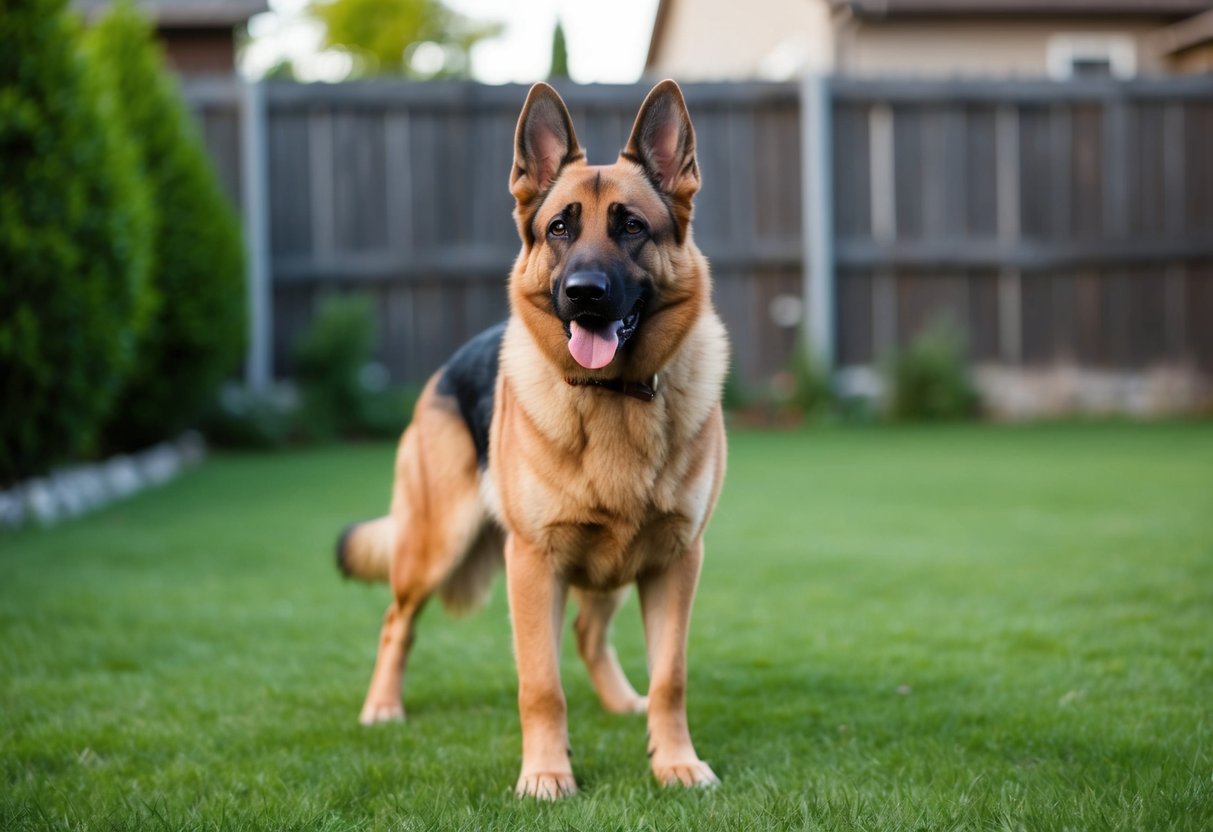
When looking for the best guard dog, it’s important to consider different breeds based on their physical traits and protective instincts. Some dogs excel in size and strength, while others are known for their agility and unique abilities. Here’s a closer look at top guard dog breeds by category.
Large and Powerful Protectors
If you want a dog that’s large and strong, consider breeds like the Rottweiler and Doberman Pinscher. These breeds are loyal, fearless, and are well-known for their protective nature.
- Bullmastiff: This breed combines strength and loyalty, making it a great guard dog.
- German Shepherd: Highly versatile and intelligent, they are often used in police work and protection.
- Great Dane: Despite their friendly demeanor, their large size can deter intruders.
- Tibetan Mastiff and Caucasian Shepherd Dog: Both breeds are known for their guarding instincts and protectiveness over their families.
These breeds often require socialization to ensure they interact well with people and other pets.
Athletic and Agile Watchdogs
For those who value agility, breeds like the Belgian Malinois and Australian Shepherd are excellent choices. These dogs are known for their speed and responsiveness.
- Boxer: They are playful yet protective, making them great family guardians.
- Staffordshire Bull Terrier: Small but mighty, they are loyal and fierce protectors.
- Catahoula Leopard Dog: Their unique skill set makes them versatile in protection and hunting tasks.
Regular exercise and training help keep these dogs both fit and focused, ensuring they excel at their guarding duties.
Unique and Lesser-Known Guardians
Some exceptional guard dogs are not as well-known but still provide great protection. The Anatolian Shepherd is a fantastic choice for guarding livestock and homes alike.
- Bouvier des Flandres: This breed is known for its versatility in work and as a family protector.
- Komondor: Famous for its distinctive cords, this breed is fiercely loyal and protective.
- Estrela Mountain Dog: A natural guardian breed that has a strong instinct to protect its family.
- Thai Ridgeback: Known for its loyalty and agility, this breed can be a wonderful companion and protector.
These breeds often bring unique traits that make them excellent guardians for various lifestyles.
Training and Socialization
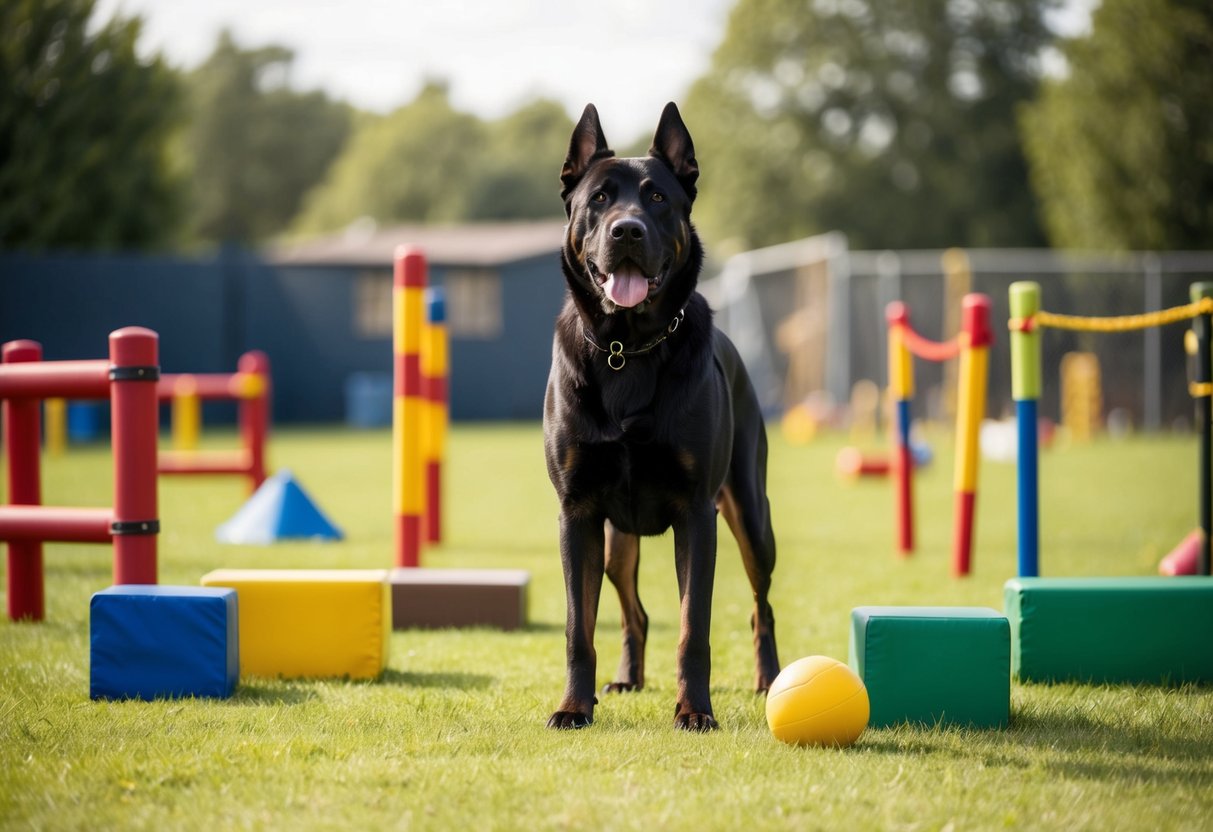
Training and socialization are crucial for developing a well-rounded guard dog. These processes help your dog learn good behavior, build trust, and differentiate between real threats and normal situations.
Essential Training Techniques
When training your guard dog, focus on basic commands like sit, stay, and come. These commands build a solid foundation for advanced training. Using positive reinforcement, such as treats and praise, encourages your dog to respond well.
Set aside time each day for short training sessions. This keeps your dog engaged and allows for mental stimulation. Consistency is key; practice commands regularly in different environments.
Incorporating obedience training helps your dog understand what you expect. Advanced training can include protection skills, but start with essential commands to ensure your dog is ready.
The Importance of Early Socialization
Early socialization is vital for your guard dog’s development. Expose your dog to new experiences, people, and environments from a young age. This can help prevent fear and aggression later in life.
Taking your dog to parks, puppy classes, or local events can be great for socialization. Ensure your dog interacts with friendly dogs and people.
A well-socialized dog learns to be calm in various situations. This skill allows them to distinguish between potential threats and harmless events. It also fosters a strong bond between you and your dog, enhancing the companionship aspect of your relationship.
Health and Exercise Requirements
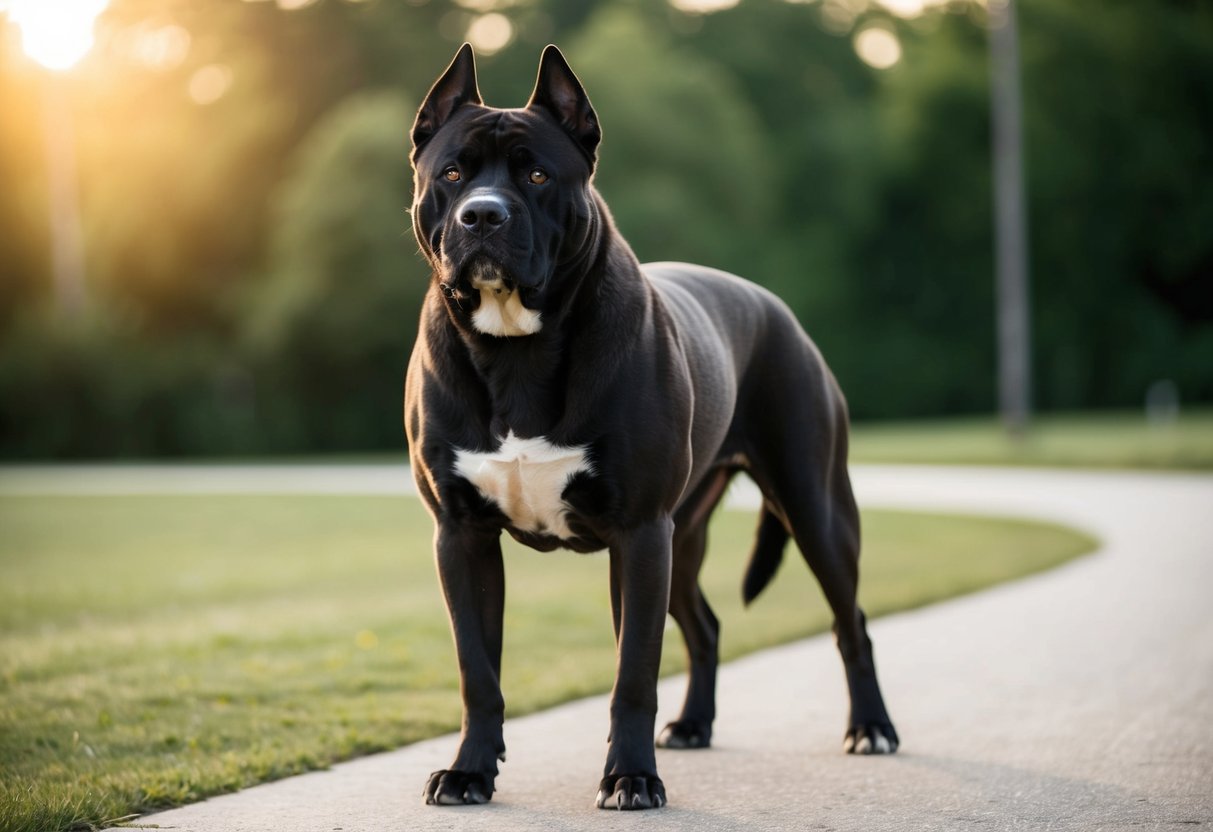
Caring for a guard dog means understanding its specific health and exercise needs. Meeting these requirements plays a key role in keeping your dog strong and happy. Proper attention to exercise and nutrition will ensure that your dog remains a loyal protector.
Meeting the Physical Needs of Guard Dogs
Guard dogs need regular exercise to maintain their strength and energy. Aim for at least 1-2 hours of exercise daily. This can include walks, runs, or playtime in a secure yard.
Consider activities like agility training or fetch to keep their minds sharp. Mental stimulation is just as important as physical exercise. Providing varied routines helps prevent boredom and unwanted behaviors.
Incorporating obedience training into their exercise routine not only keeps them fit but also strengthens your bond. When your dog is active, it is less likely to engage in destructive behaviors.
Nutrition and Health Considerations
Good nutrition is essential for your guard dog’s health. Choose a high-quality dog food that matches their age, size, and activity level.
Consult with your veterinarian to ensure their dietary needs are met. Monitor your dog’s weight to prevent obesity, which can lead to health problems.
Regular vet check-ups will help catch any potential issues early. Consider adding supplements like omega-3 fatty acids for joint health, especially in larger breeds.
Always provide fresh water and adjust their diet and exercise based on their health and age.
Engaging in proper nutrition helps maintain your dog’s overall well-being.


