
When you hear the term “village dog,” you might wonder what it really means. A 100% village dog is a free-breeding dog that has evolved naturally alongside humans. These dogs have been shaped by the environment and local conditions rather than through selective breeding. They are found in communities all around the world, adapting to life with people in various ways.
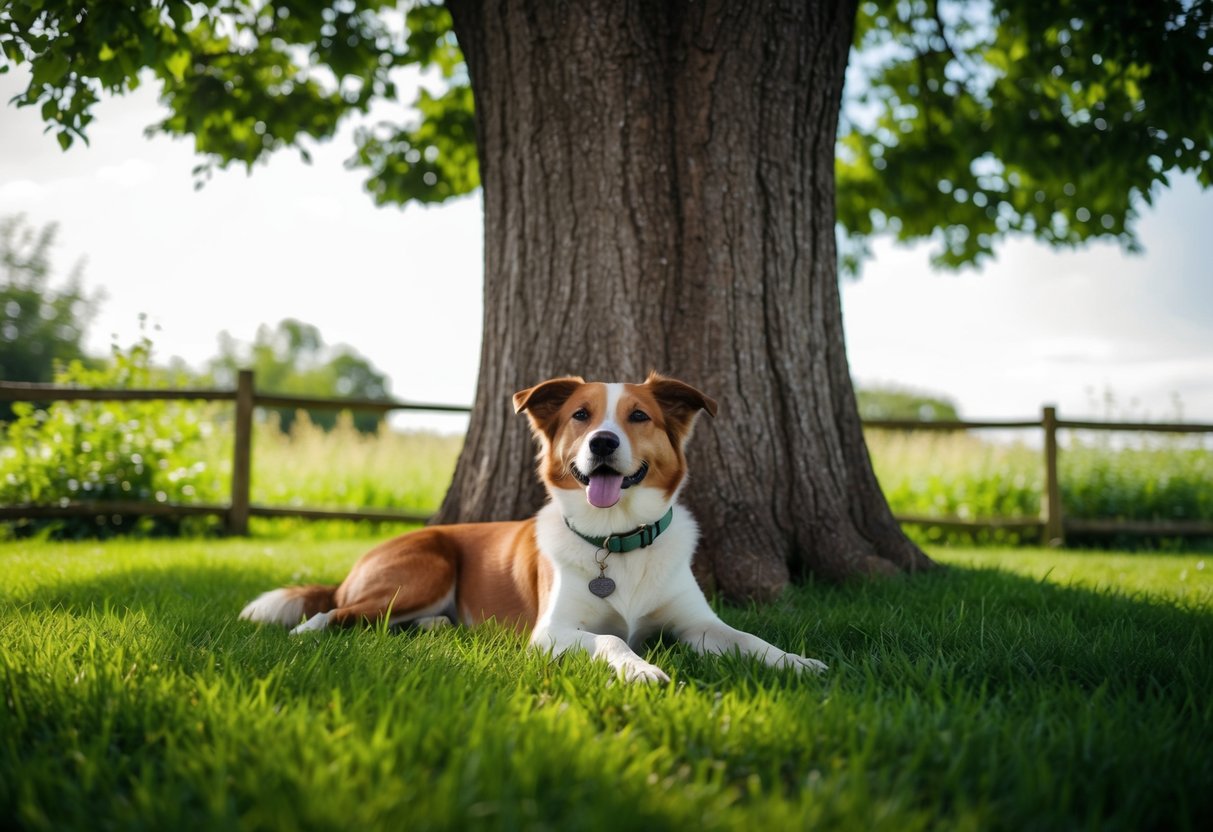
Village dogs are a testament to natural selection. They often embody traits that make them well-suited to their specific environments, such as resilience and good health. Unlike purebred dogs, village dogs carry a rich genetic history, making each one unique due to their diverse ancestry.
If you’re curious about the fascinating world of village dogs and what it means to be a 100% village dog, you’re in the right place. Understanding these dogs gives you insight into a part of canine history and the bond between dogs and humans that has existed for thousands of years.
Understanding Village Dogs
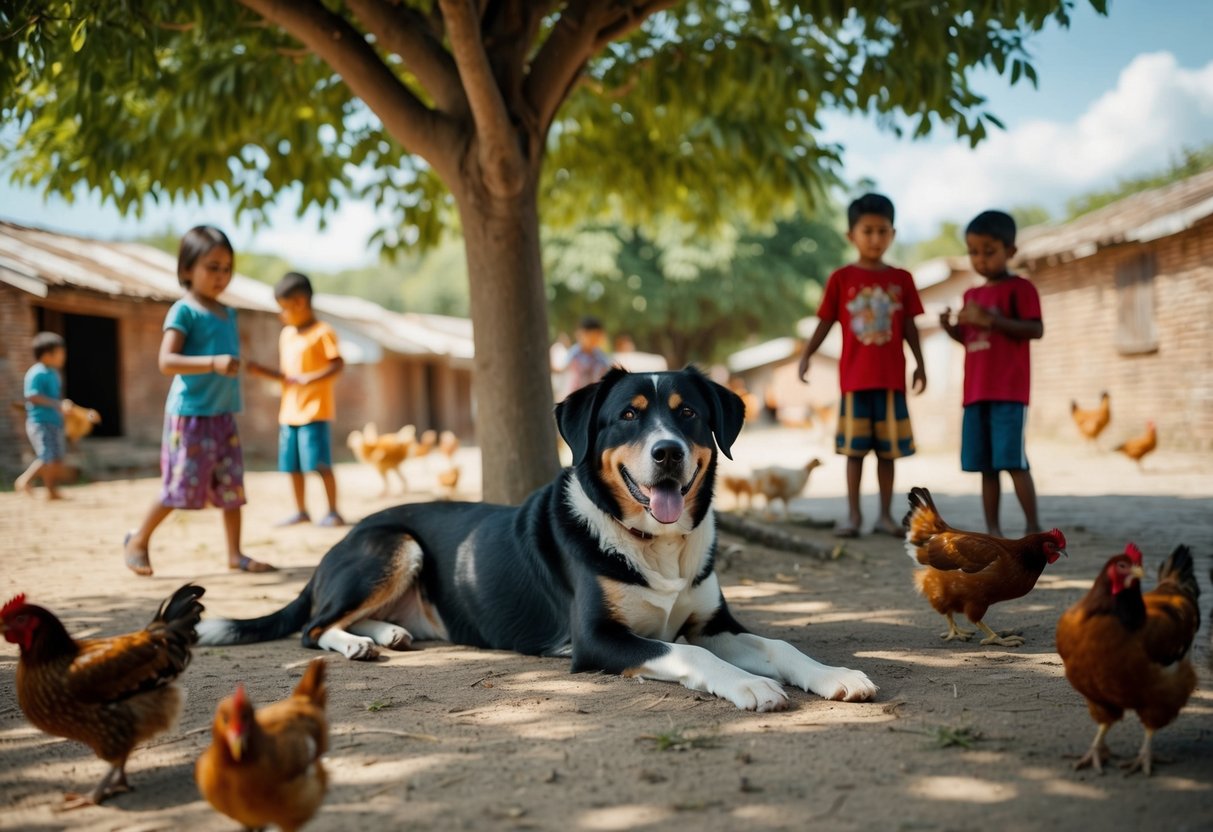
Village dogs are unique canines that often thrive in human settlements. They are a mix of traits and behaviors shaped by their environments.
Characteristics and Behaviors
Village dogs typically display a wide range of appearances and temperaments. They may vary in size, coat type, and color, reflecting a mix of traits from local wild dogs. They are generally resilient and adaptable, having developed skills to survive in diverse settings.
These dogs are generally friendly, social, and approachable. As free-breeding dogs, they often live among people and can form strong bonds with them. Their behaviors may include foraging for food or engaging in play with other dogs and children.
Many village dogs, like the Indian pariah dog or African village dog, have characteristics that make them excellent companions and guardians. They are often less specialized than purebred dogs, making them more versatile in their roles.
Distribution and Local Varieties
Village dogs are found in various parts of the world, each adapting to local conditions. For example, the East Asian village dog has traits suited to its environment, while the Arabian village dog exhibits behaviors that help it thrive in hotter temperatures.
Countries like India and Africa have their own local varieties, such as the Indian pariah dog and African village dog. In Europe, you may find unique adaptations like the European village dog.
These dogs often live among human populations and are sometimes referred to as pariah dogs. They contribute significantly to the global dog population, making up a large percentage of canines worldwide. Their genetic diversity helps them adapt through natural selection, ensuring they thrive in various settings.
Genetics and Breed Ancestry

Genetics plays a crucial role in defining what a village dog is. Understanding breed ancestry helps clarify how these dogs fit into the larger picture of canine history.
DNA Testing and Research
DNA testing has become a popular way to learn more about your dog’s background. Companies like Embark and Wisdom offer dog DNA tests that analyze genetic markers.
You can discover traits, health risks, and breed ancestry through these tests. Many village dogs will show a mix of genetic influences without being tied to a specific purebred lineage.
While village dogs may not fit neatly into the categories recognized by kennel clubs, they represent a unique blend of the founding populations of dogs. This genetic diversity can make them resilient and adaptable.
Significance of Founding Populations
Founding populations refer to the early groups of dogs that contributed to today’s breeds. Village dogs are linked to these populations, showcasing a rich genetic history.
Unlike selectively bred purebreds, village dogs carry genes that span back thousands of years. This makes them important for understanding canine evolution.
By studying the genetics of village dogs, researchers can learn about traits common in early dog breeds. This can help with health and behavior insights, benefiting both mixed and purebred dogs. Understanding this ancestry enriches our appreciation of all dogs in today’s world.
Village Dogs in Society
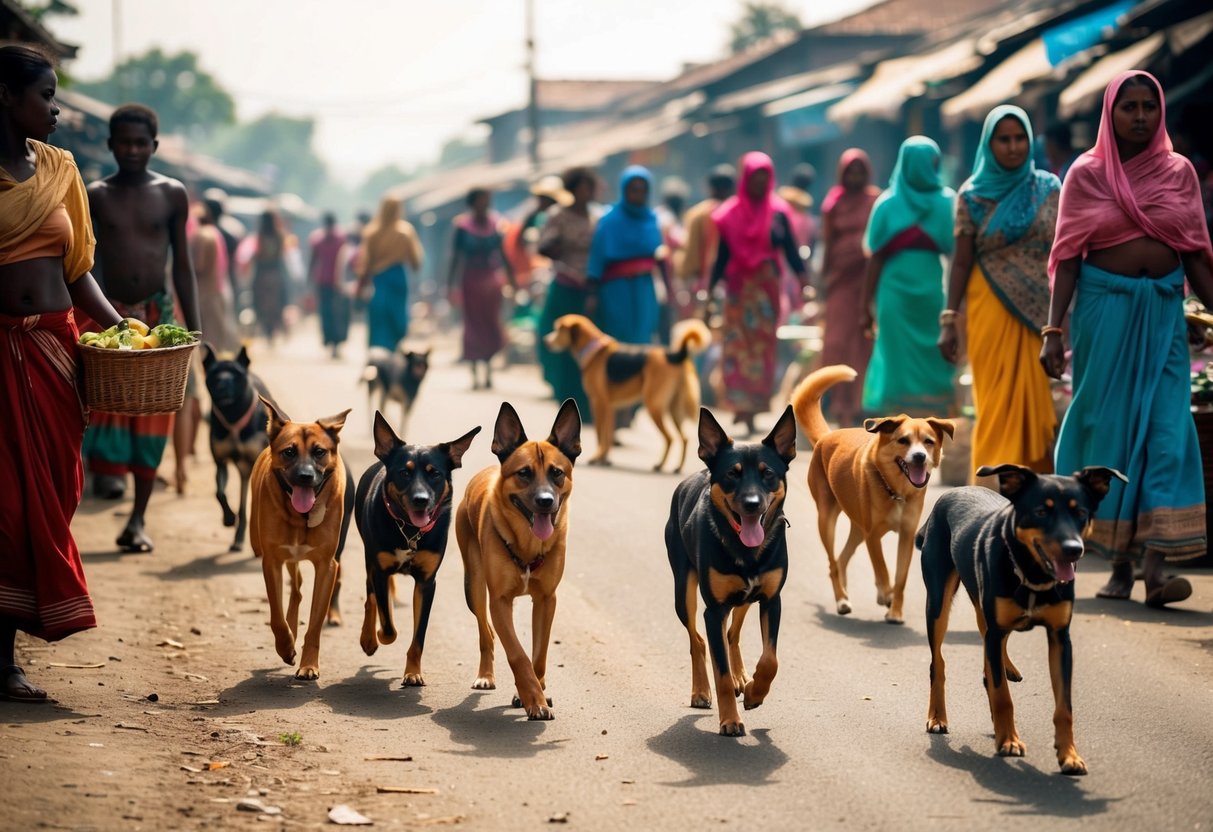
Village dogs play unique roles in their communities, often adapting to the needs of their environment. These dogs can be found in various settings, from rural to urban areas, and they contribute significantly to human life.
Roles and Integration
Village dogs, also known as pariah dogs or free-breeding dogs, often serve important functions in society.
In rural areas, they help with tasks like guarding homes and livestock. Their natural instincts make them excellent protectors.
In urban areas, these dogs thrive in human settlements. They scavenge for food and often find companionship among residents.
Their adaptability allows them to fit into diverse communities while forming bonds with people.
Many village dogs live alongside families, providing both protection and friendship. They may not have a specific owner but are cared for by the community as a whole, showcasing a unique integration into social life.


