
When you think of beloved pets, dogs surely come to mind. In Germany, dogs hold a special place, just like they do in many cultures around the world. In German, dogs are commonly called “Hunde.” You’ll find that various breeds, such as the German Shepherd and the Dachshund, have their own unique names and characteristics that are important to the culture.
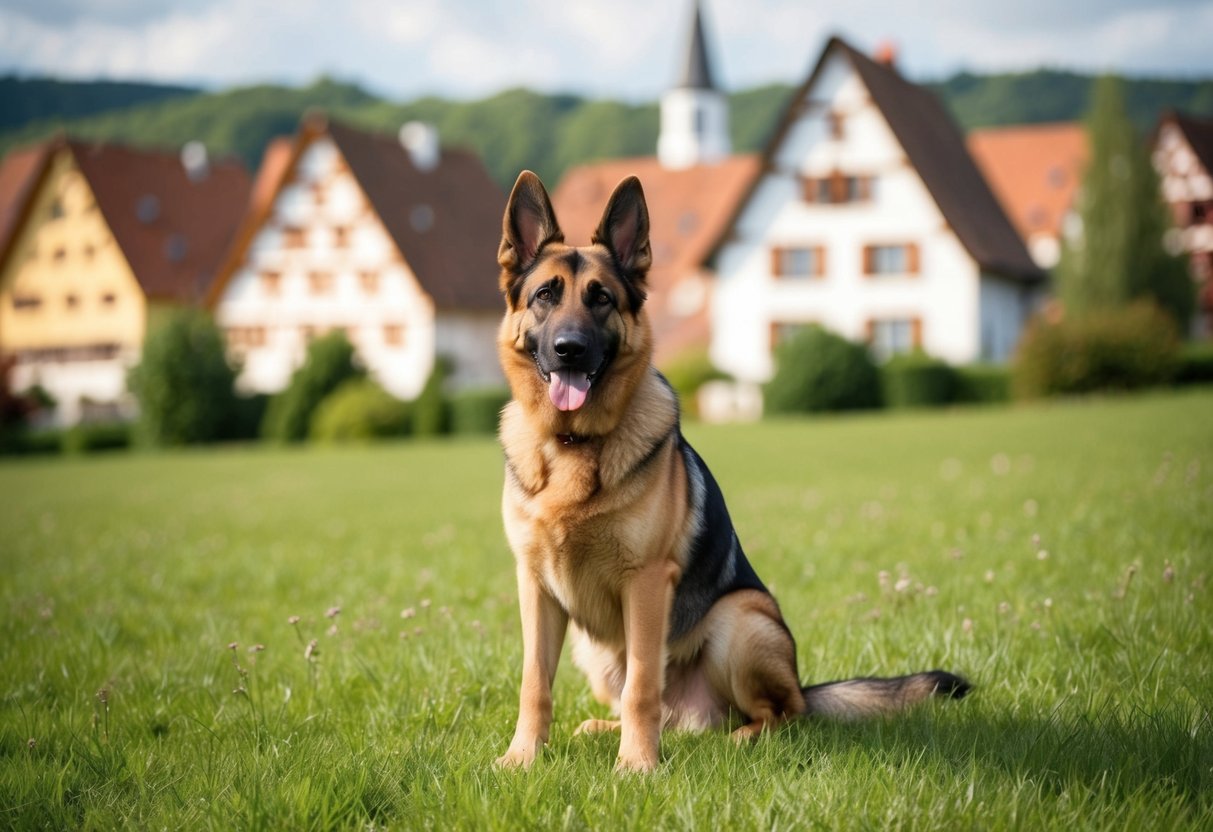
If you’re curious about the different names Germans use for their pets, it’s fascinating to see how language reflects the bond between humans and dogs. Many Germans choose playful or meaningful names based on personal experiences or the dog’s traits. Exploring these names can give you insight into the culture and how they value their furry friends.
By understanding what dogs are called in Germany, you not only enrich your vocabulary but also deepen your appreciation for the role dogs play in different societies. Keep reading to discover more about German dog breeds and the significance of their names in the heart of German culture!
The Term for ‘Dog’ in Germany
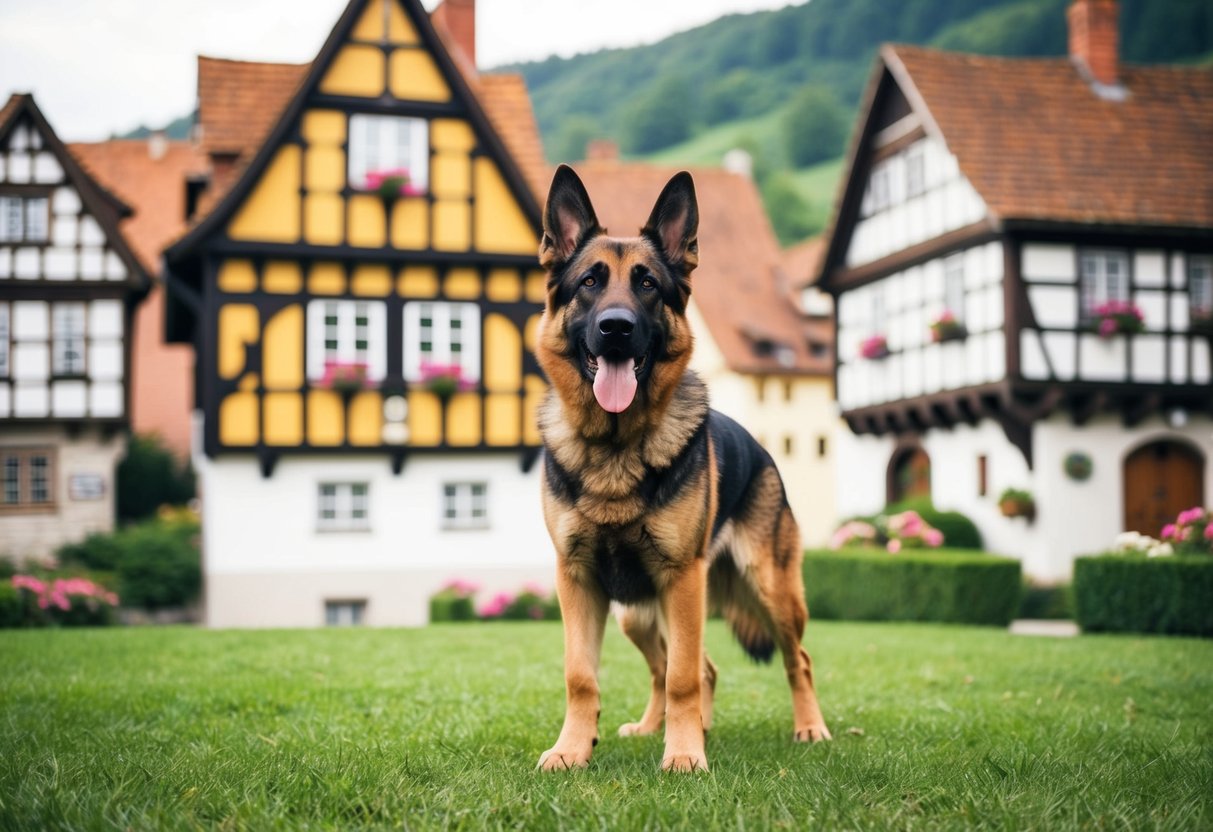
In Germany, the word for “dog” is Hund. This term is widely used and reflects a general reference to dogs of all breeds.
You might encounter some regional slang terms as well. For instance, Köter is a colloquial word often used informally, especially in northern Germany. While it can have a slight negative tone, friends often use it endearingly.
Germany is known for its strong bond with dogs. Many people treat their pets as family members. Dogs are welcome in most public places, and you will often see them enjoying walks with their owners.
The love for dogs has led to specific laws in Germany. Owners must register their pets and may also need to acquire insurance for them. This reflects the high regard for dogs in German society.
Many specific dog breeds originated in Germany. This includes the German Shepherd and the Dachshund. Each name often links back to the breed’s purpose or characteristics, underscoring the country’s appreciation for canine diversity.
Popular German Dog Breeds
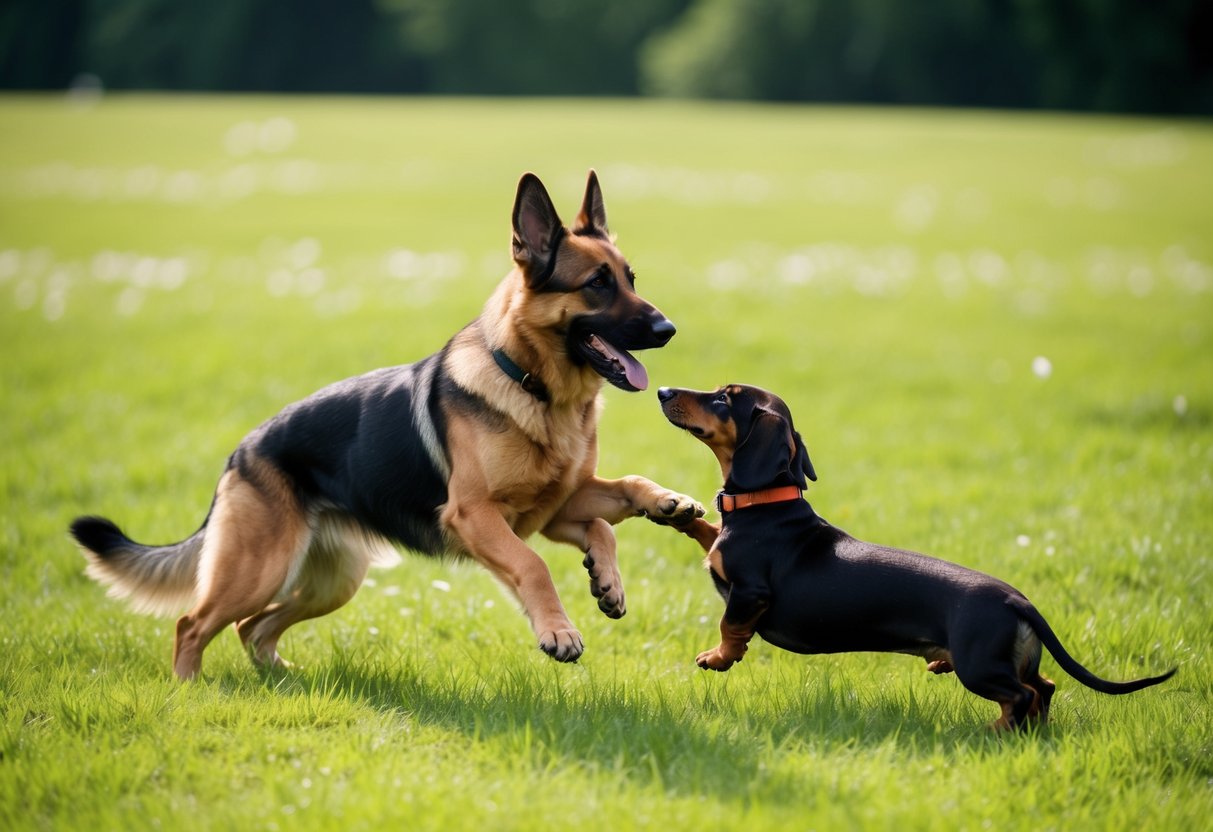
When looking into German dog breeds, you’ll find a diverse selection of dogs suited for various purposes and lifestyles. Each breed has unique traits, making them popular for certain roles like working, hunting, companionship, or simply as family pets.
Working and Herding Breeds
German working and herding breeds are known for their intelligence and skill. The German Shepherd is arguably the most famous, often used as a police and military dog due to its loyalty and trainability. The Doberman Pinscher is another impressive breed, recognized for its protective nature and speed.
Rottweilers are strong and confident, serving as excellent guard dogs. The Schnauzer family includes three sizes: Miniature, Standard, and Giant Schnauzers, all known for their versatility and alertness. These breeds thrive in active environments and often need jobs to stay happy and healthy.
Hunting and Sporting Breeds
German hunting and sporting breeds are designed for skills in the field. The German Shorthaired Pointer stands out with its athleticism and great sense of smell. These dogs are often regarded as versatile hunters.
The Weimaraner is also a popular choice, known for its speed and endurance. Jagdterriers and versatile dogs like the Pudelpointer display strong hunting instincts, making them ideal for tracking and retrieving. For those who enjoy hunting, these breeds can prove to be loyal companions in the field.
Toy and Companion Breeds
If you are looking for small and charming companions, consider the German toy breeds. The Pomeranian and Miniature Pinscher are popular choices that capture hearts with their playful nature.
The Biewer Terrier is a rare breed that is affectionate and lively, making it perfect for families. Other small breeds like the Dachshund and Miniature Dachshund bring a unique personality to your home. These breeds are perfect for those living in smaller spaces or those wanting a loving companion without the need for heavy exercise.
Giant and Large Breeds
For those who appreciate larger dogs, Germany offers several impressive choices. The Great Dane is known for its gentle giant demeanor, making it an affectionate family member.
The Leonberger and Hovawart are both large working dogs that make excellent guard and family dogs. They are known for their loyalty and protective instincts. Having a giant dog can provide a sense of safety, while also ensuring you have a loving companion by your side.
Native German Dog Breeds
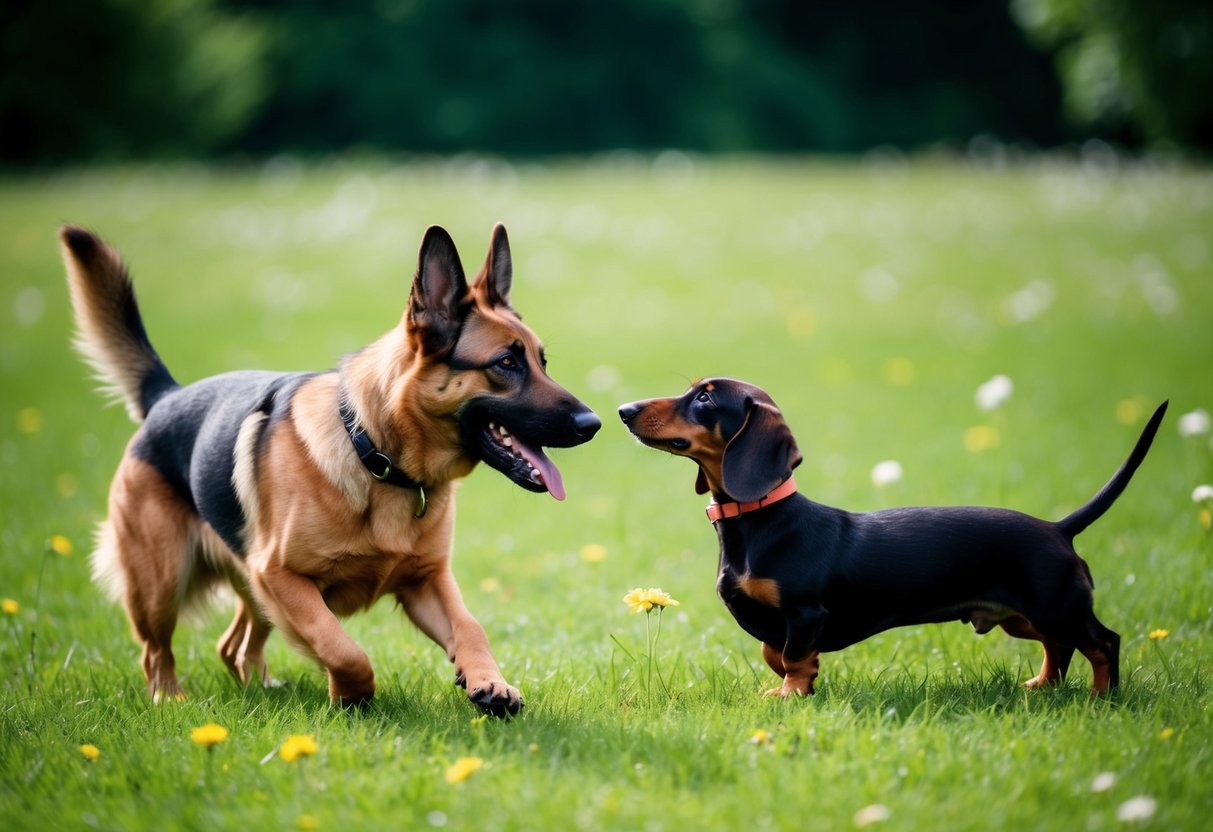
Germany is home to a variety of native dog breeds, each with its own unique traits and history. These breeds range from loyal family companions to skilled working dogs, reflecting their importance in German culture and society.
Historical and Cultural Significance
Many native German dog breeds have deep historical roots. The Bavarian Mountain Scent Hound and the Hanover Hound were bred for hunting, showcasing Germany’s strong hunting culture.
The Bullenbeisser, once used for bull-baiting, reflects the country’s earlier practices. On the other hand, breeds like the German Spitz have been cherished as family pets, emphasizing the bond between humans and dogs.
Each breed has its own tale, contributing to the rich tapestry of German heritage. These dogs not only serve practical purposes but also embody the values of loyalty and companionship cherished by many.
The Role of German Dog Breeds in Society
Native German dog breeds are known for their versatility and usefulness. The Deutscher Wachtelhund is a great example. It is a skilled hunting dog with a friendly nature.
Breeds like the Elo and Harlequin Pinscher are increasingly popular as family dogs. They are good with children and adapt well to various living situations.
Certain breeds are also trained as guide and service dogs. Their intelligence and trainability make them vital in this role, helping individuals with disabilities lead more independent lives.
With their varied skills and loving nature, these breeds truly enrich the lives of many people in Germany and beyond.


