
As a dog owner, you may often wonder about your furry friend’s age in human years. Understanding this can help you relate better to your pet’s needs and health. A 10-year-old Boxer is roughly equivalent to about 86 human years. This difference in aging is important to grasp since Boxers mature faster than many other breeds.
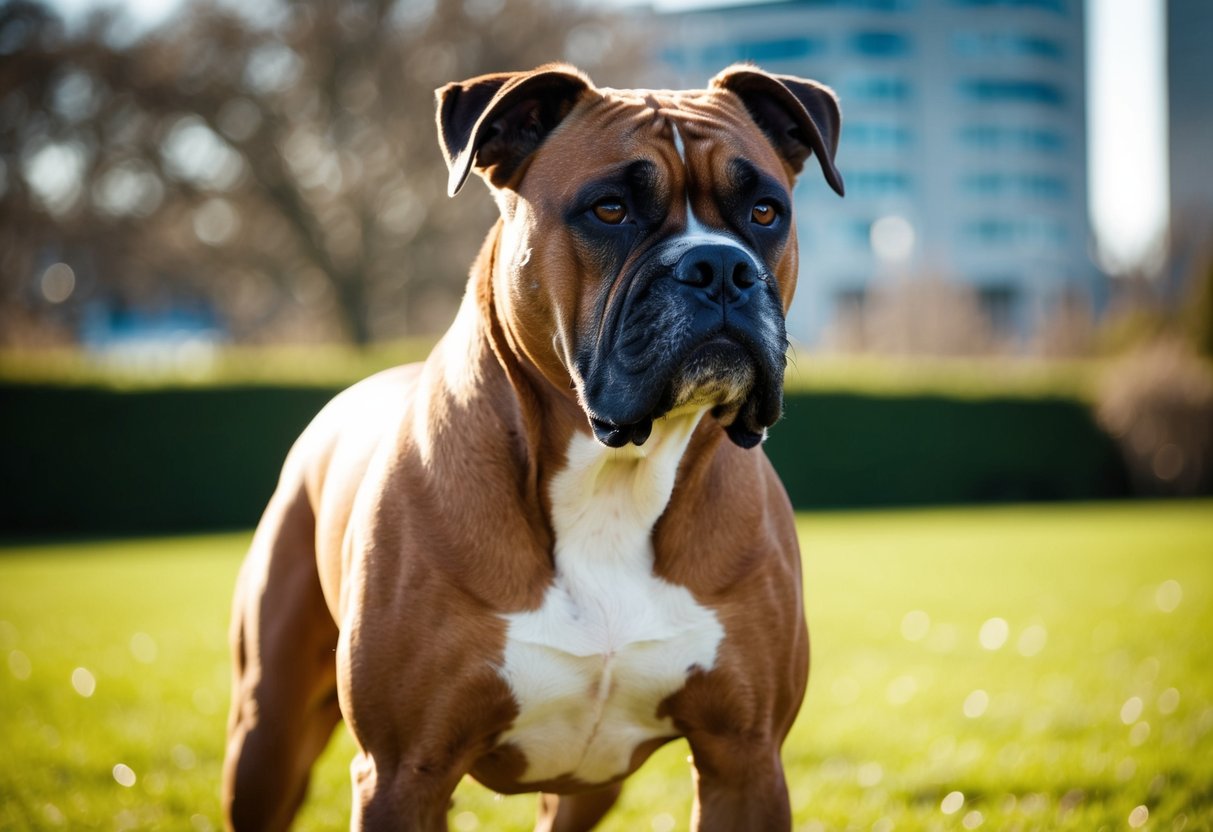
By knowing how dog years convert to human years, you can better monitor your Boxer’s health and activities. It can be surprising to learn that the first year of a dog’s life is equal to about 15 human years, emphasizing how quickly they grow in those early stages. As your Boxer ages, their needs change, and being aware of their age in human terms can help you provide the right care.
Keeping track of your pet’s age helps you make informed decisions about their diet, exercise, and regular vet visits.
Let’s explore how you can determine your Boxer’s age more accurately and ensure they lead a happy and healthy life as they grow older.
Understanding Dog Ageing

Dog aging involves complex biological changes that are different from humans. As they age, their bodies go through significant transformations, influenced by factors like genetics and lifestyle. Understanding these changes can help you better care for your dog.
The Science of Dog Aging
Dogs experience aging differently than humans due to their unique biology. One important factor in this process is DNA methylation. This involves adding a methyl group to DNA, which can affect how genes are expressed. Scientists study these changes using what’s called the epigenetic clock.
This clock can help determine your dog’s biological age, which may differ from their chronological age. For example, a 10-year-old Boxer can be approximately 86 in dog years, reflecting the fast rate at which they age compared to humans. This accelerated aging means they may need different care as they grow older.
Comparing Dog Years and Human Years
The common belief that one dog year equals seven human years is not entirely accurate. While it provides a rough estimate, each breed ages at different rates. For example, Boxers age at around 8.6 human years for each year of their life.
In the first year, a dog may age close to 15 human years, and this rate slows down after that. By understanding these differences, you can provide age-appropriate care for your Boxer. Knowing your dog’s true age in human years can guide decisions about exercise, diet, and health care as they grow older.
How to Calculate a Dog’s Age
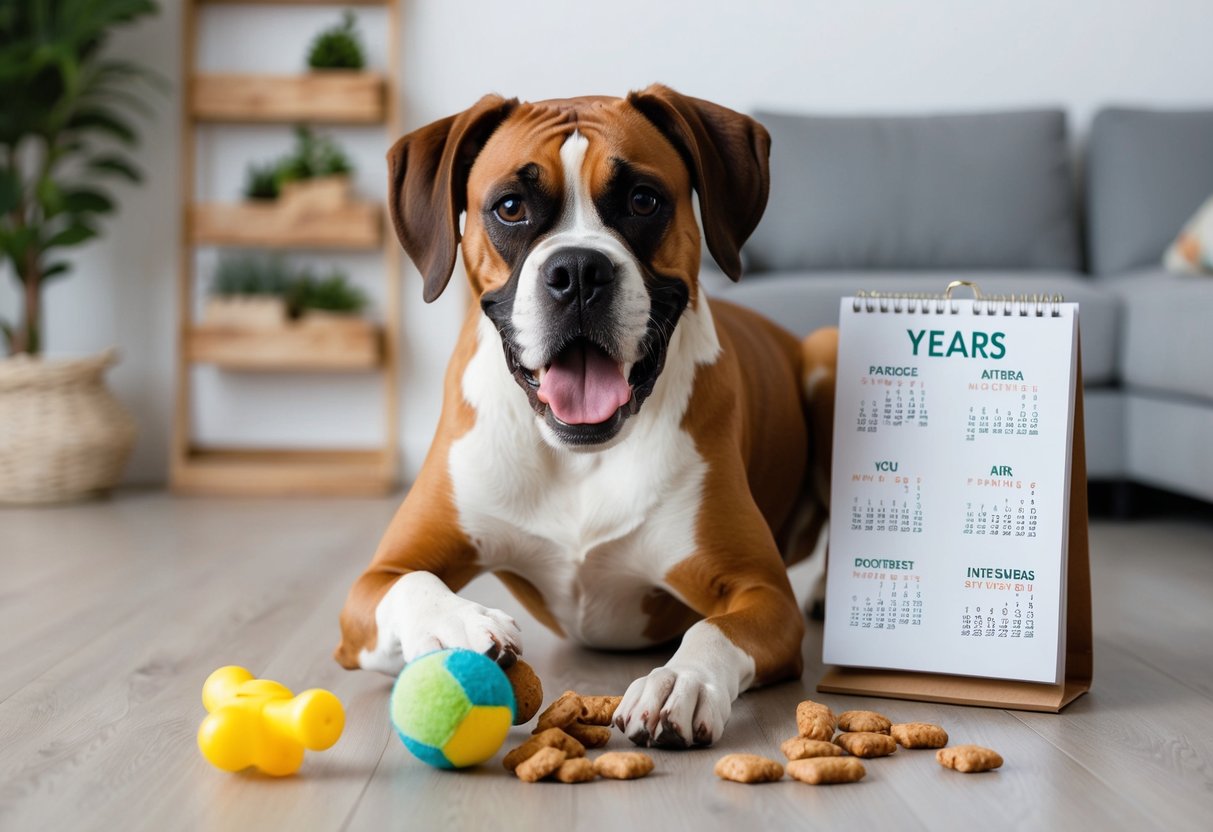
Calculating your dog’s age in human years can help you understand their life stage and needs better. Different methods show how quickly dogs age compared to humans. Here are two effective ways to determine your dog’s age.
Using a Dog Age Calculator
Many websites offer a dog age calculator that can help you quickly determine your dog’s age in human years. You simply enter your dog’s age, and the calculator will do the rest.
These calculators often use a formula that accounts for the first few years of a dog’s life, which age much faster. For example, the first year of life might equal about 15 human years. After that, the aging rate changes and can vary by breed and size.
Using this tool is fast and provides a more accurate age conversion than the common rule of thumb that suggests one dog year equals seven human years.
Dog Age Chart Insights
A dog age chart can also give you valuable information about how to convert dog years to human years. These charts typically show age range categories like:
- Puppy (0-1 year): About 15 human years
- Adult (2-6 years): Ranges from 24 to 40 human years
- Senior (7+ years): 44 human years and older
Referencing a dog age chart allows you to see where your dog falls within these stages. It acknowledges that smaller breeds tend to live longer than larger breeds and age more slowly. Checking multiple sources, like a dog years calculator, can give you the best estimate for your furry friend’s age in human years.
Dog Breeds and Lifespan Variations
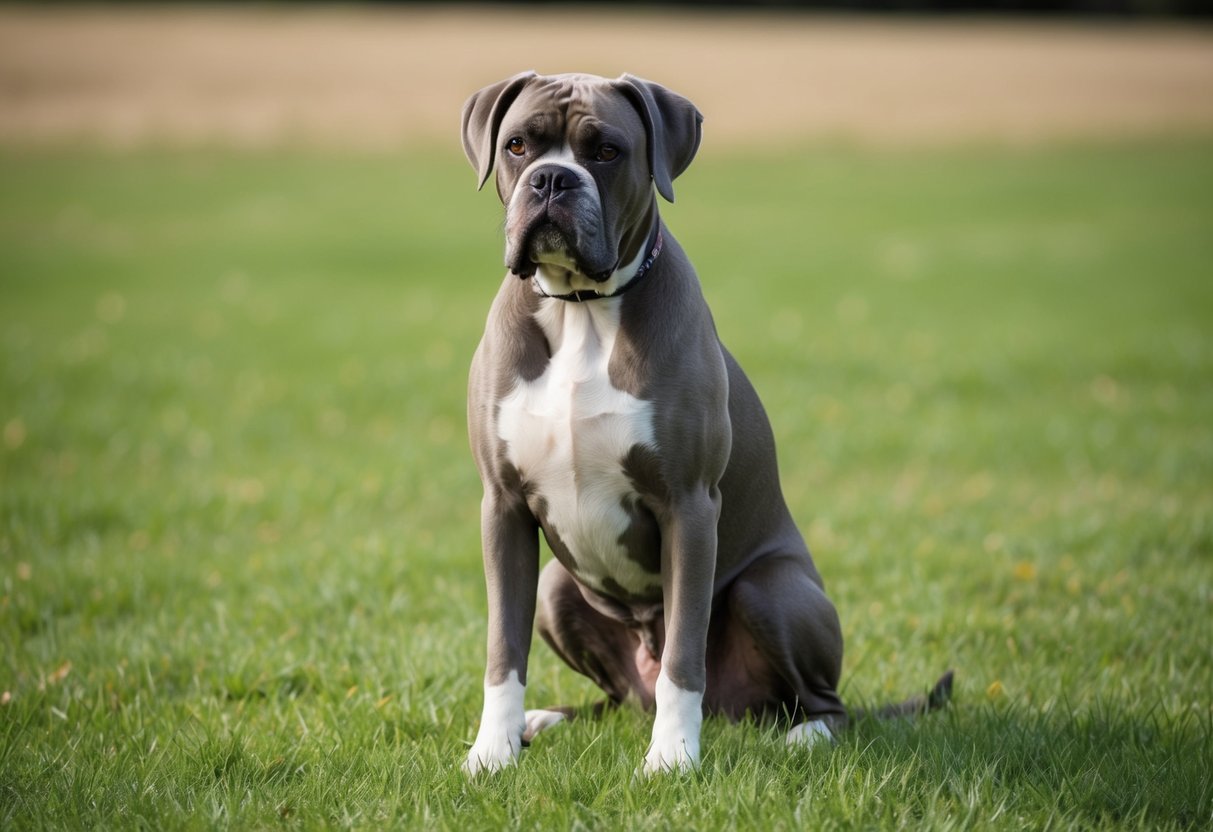
Different dog breeds age differently, which affects their lifespan. Understanding these variations can help you better care for your furry friend and predict their health needs as they grow older.
Small Breed Lifespans
Small breeds tend to live longer than larger ones. For example, a Chihuahua can live up to 15 years or more, while a Yorkshire Terrier often reaches around 13 to 16 years.
Other small breeds like the Jack Russell Terrier average about 13 to 16 years as well.
Due to their smaller size, these dogs generally mature quickly but continue to age slowly compared to larger breeds. They often face breed-specific health issues, so regular vet check-ups are essential to help ensure a long, happy life.
Large Breed Lifespans
Large breeds usually have shorter lifespans. For instance, the Afghan Hound averages only 10 to 13 years. The same goes for many giant breeds, like the Great Dane, which can live around 7 to 10 years.
Boxers, although medium-sized, also show a life expectancy of about 10 to 12 years.
Larger dogs often age faster in their earlier years, reaching middle age around 5. It’s crucial for owners of larger breeds to monitor their health closely, as they may experience different health challenges as they grow older.
Age Milestones in Dogs

When considering how old a dog is in human years, it’s important to understand the key life stages they go through. These stages include puppyhood, adulthood, and senior years. Each phase comes with unique physical and emotional developments.
Puppyhood to Adulthood
Your dog’s early years are crucial for growth and development. From 3 months old, puppies are energetic and curious. They explore their surroundings and start socializing with other dogs and people. By 1 year old, a dog is typically considered an adult. This is when they reach a significant milestone, equivalent to about 15 human years.
During this time, proper training and social interactions are essential. You should focus on basic commands and potty training. Regular vet check-ups will help monitor their health, ensuring they grow strong and healthy.
Senior Dogs
When your dog reaches 7 years old, they enter the senior stage, which can vary based on breed. For a Boxer, this means that by the age of 10, they are around 60 in human years.
At this point, you may notice changes in their energy levels and health.
Common issues for senior dogs include arthritis and dental problems. It’s vital to adjust their diet and exercise to suit their needs.
Gentle walks can help keep them active without overexerting themselves. Offering steps or ramps can assist them in moving easily around the house.


