
If you want to share your life with a small dog, you’re in for a treat! Small breed dogs are a fantastic choice for many people due to their companionship and adorable personalities. Among the many options, one standout choice is the Chihuahua. These little pups are known not just for their size, but for their big hearts and loyalty.
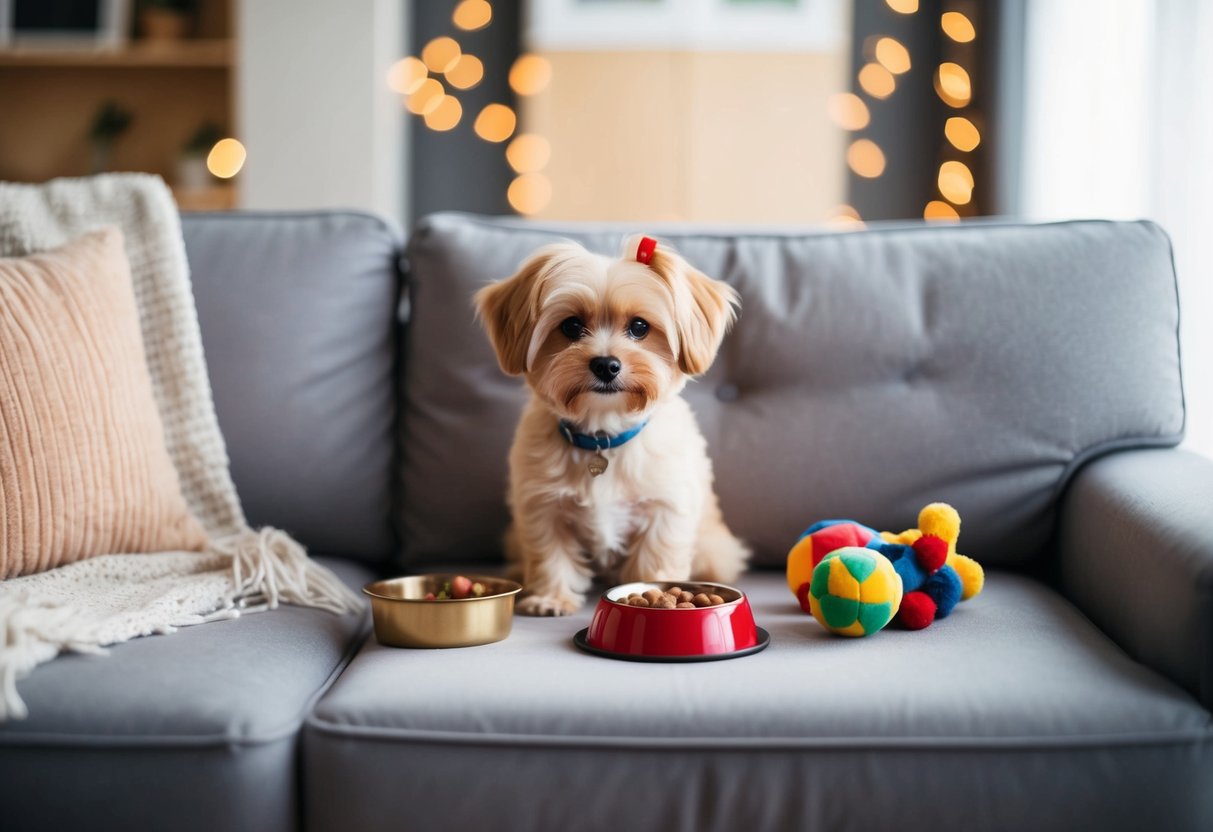
Chihuahuas are perfect for apartment living and are generally easy to care for. They thrive in close-knit family settings and enjoy being the center of attention. Their vibrant personalities can bring joy and laughter into your home. If you’re ready for a tiny companion that’s both loving and spirited, a Chihuahua may just be the best small breed dog for you!
Evaluating Small Breed Dogs

When thinking about small breed dogs, it’s important to understand what defines them and what qualities make them the best companions. By focusing on specific characteristics, you can choose a small dog that fits well into your life.
Defining Small Dog Breeds
Small dog breeds are typically those that weigh between 2 and 25 pounds. This category includes various popular options like Chihuahuas, Pomeranians, and Cavalier King Charles Spaniels.
These dogs often make great lap dogs, perfect for cuddling on the couch. Many small breeds also adapt well to apartment living because of their size and lower exercise needs.
When considering a small breed, take note of their temperament. You want a dog that is friendly and social, which helps ensure a good fit for your family or lifestyle.
Characteristics of the Best Small Dogs
The best small dog breeds often share several key traits. First, they tend to be affectionate companions, forming strong bonds with their owners. These pets often seek your attention and love being around you.
Good socialization is vital for small dogs, as it helps them feel comfortable in different situations. Look for breeds that enjoy interaction, making them excellent for families or individuals.
Obedience training is also important. Small breeds may have a stubborn streak, so consistent training from a young age helps them learn commands.
Additionally, ensure the dog matches your activity level. Some small breeds require more exercise, while others are happy being couch potatoes.
Popular Small Dog Breeds
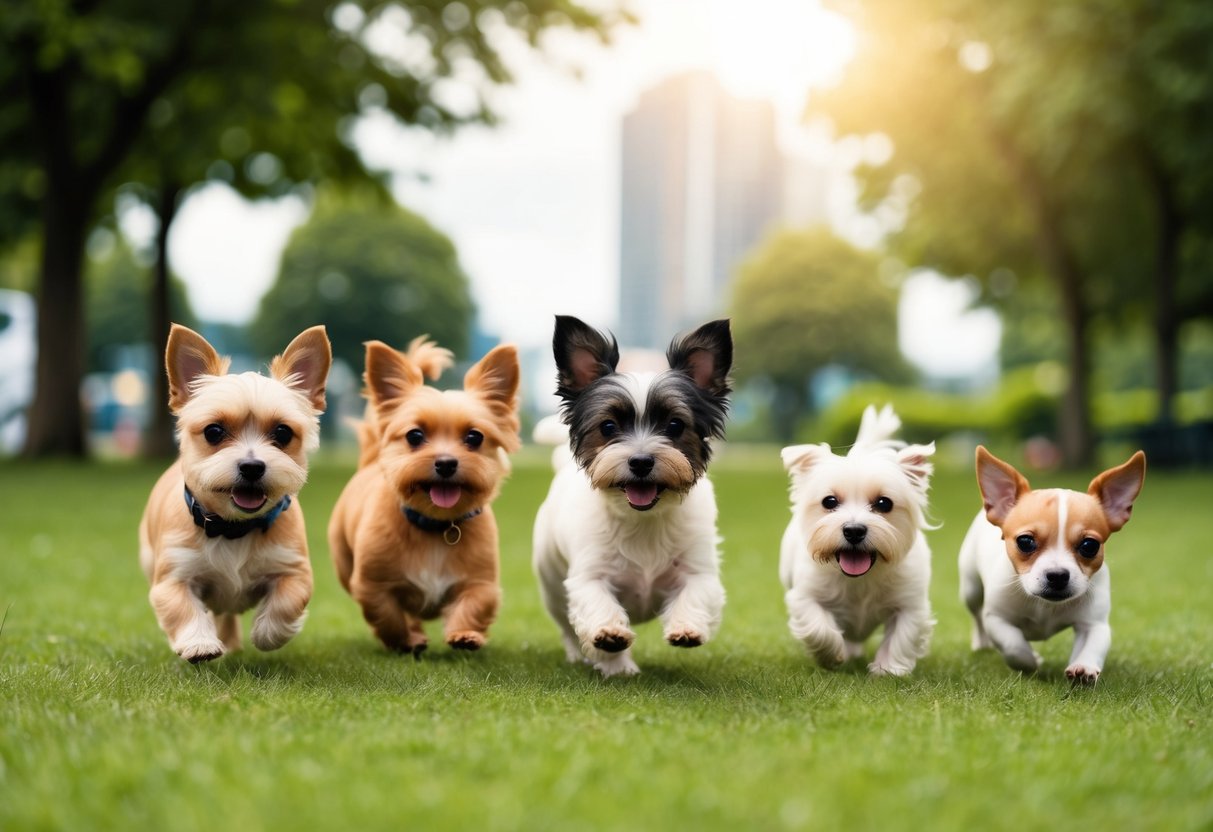
Small dogs offer companionship, versatility, and often a manageable size for various living spaces. Here are some favorites, including Toy Group dogs, hypoallergenic breeds, and those with lots of energy.
Toy Group Favorites
Toy breeds are well-loved for their adorable size and charming personalities. Yorkshire Terriers, often just called Yorkies, are vibrant and affectionate, making them great lap dogs. Chihuahuas are tiny but full of spirit, bonding closely with their owners.
Pomeranians bring a fluffy charm and playful nature, while Maltese are known for their beautiful silky coats. The Shih Tzu is friendly and excellent with families, while the Pug is known for its quirky, loving nature. Each of these breeds showcases unique traits that make them fantastic companions for various lifestyles.
Hypoallergenic Small Breeds
If allergies are a concern, you may want to consider hypoallergenic small breeds. Poodles, including the Toy Poodle, come in various sizes and are easy to train. Their curly coats help minimize shedding.
Bichon Frise is another favorite, known for its cheerful disposition and minimal shedding. The Havanese is friendly and adapts well to families, making it a great option. The Cavalier King Charles Spaniel offers a loving nature but may require grooming.
Additionally, the Chinese Crested is a unique breed that comes in hairless and coated varieties, perfect for those seeking low-shedding options. These breeds provide joy without the worry of allergy flare-ups.
Energetic and Sporty Small Dogs
If you enjoy an active lifestyle, consider small breeds that love to engage in dog sports. Jack Russell Terriers are known for their boundless energy and intelligence, making them excellent for various activities. The Beagle is curious and sociable, perfect for family outings.
Miniature Schnauzers are spirited, adaptable dogs that can thrive in agility training. The Dachshund, with its unique long body, is playful and enjoys interactive games. Don’t forget about the Boston Terrier, known for its friendly nature and energy.
These small dogs can keep up with your active life while providing companionship and fun!
Caring for Your Small Breed Dog
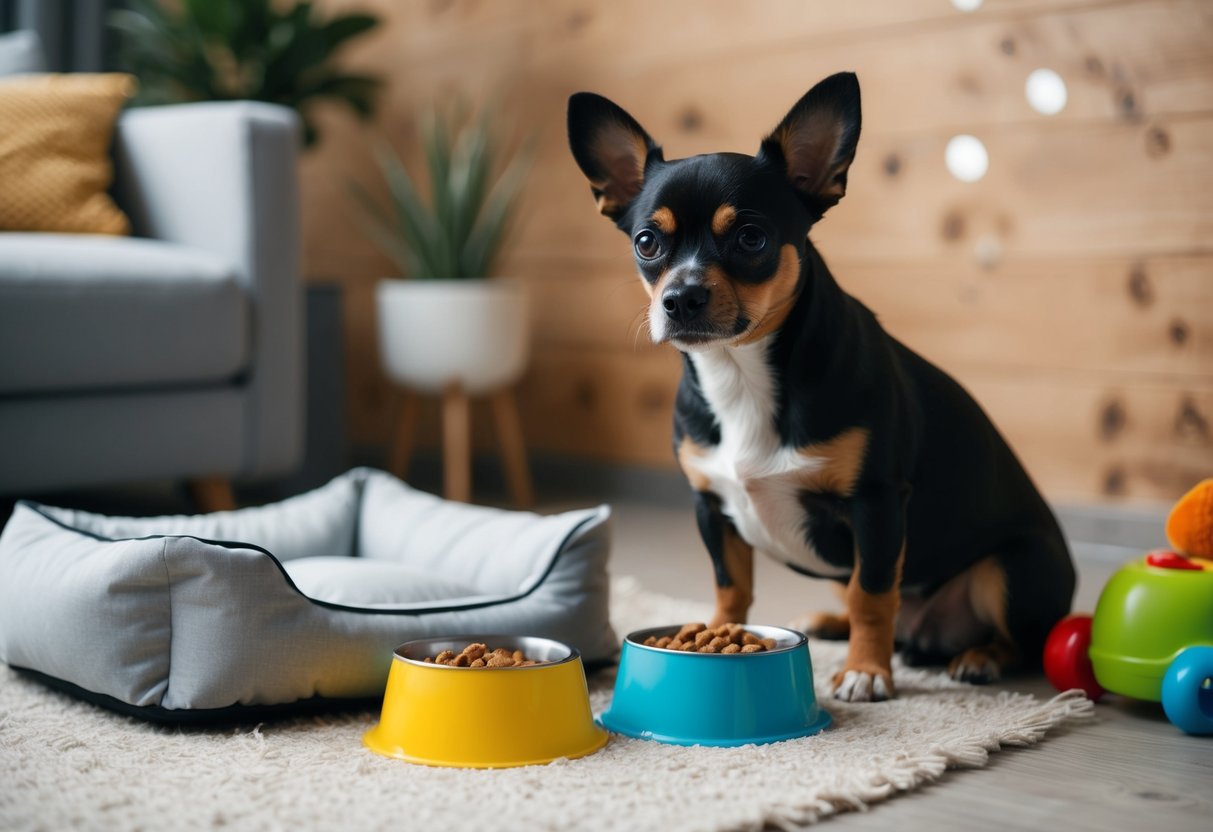
Caring for your small breed dog involves meeting their specific nutritional needs and maintaining their grooming. Understanding these elements helps ensure your furry friend remains happy and healthy.
Nutritional Needs and Diet
Small breeds often have unique dietary needs that differ from larger dogs. Their metabolism is typically faster, which means they require a diet rich in high-quality protein, healthy fats, and essential vitamins.
Consider offering them high-quality kibble formulated for small dogs. Look for options that list meat as the first ingredient. You may also choose wet food for added moisture and palatability.
Watch for food allergies, especially if you seek a hypoallergenic dog breed. Some small dogs may react to certain ingredients. It’s essential to adjust their diet based on their reactions and consult your vet for personalized advice.
Feeding Schedule:
- Puppies: 3-4 meals a day
- Adults: 2 meals a day
Make sure to measure food portions to prevent obesity. Small dogs need precise portions, as being overweight can lead to health issues.
Grooming and Maintenance
Keeping your small breed dog looking good and feeling comfortable is crucial. Depending on the breed, you may need to brush them at least once a week to avoid matting and control shedding.
For long-haired breeds, daily brushing is often necessary. Regular bathing will keep your dog clean, but be careful not to wash them too often as it can strip their coat of natural oils. Use a gentle dog shampoo suited for their skin type.
Don’t forget about dental care! Small dogs are prone to dental problems, so brush their teeth regularly and provide dental chews. Regular vet check-ups will help catch any issues early.
Small dogs can make excellent lap dogs and family companions. They often bond closely with their owners and thrive on affection. Make sure to give them plenty of attention and exercise. Even a few short walks a day can meet their exercise needs.


