
Boxer dogs are known for their playful nature and energy, but you may wonder how they handle the cold during winter months. Boxers can spend some time outside in the winter, but they are not built for freezing temperatures and should be monitored carefully. Their short coats provide little insulation, making them more susceptible to the chill.
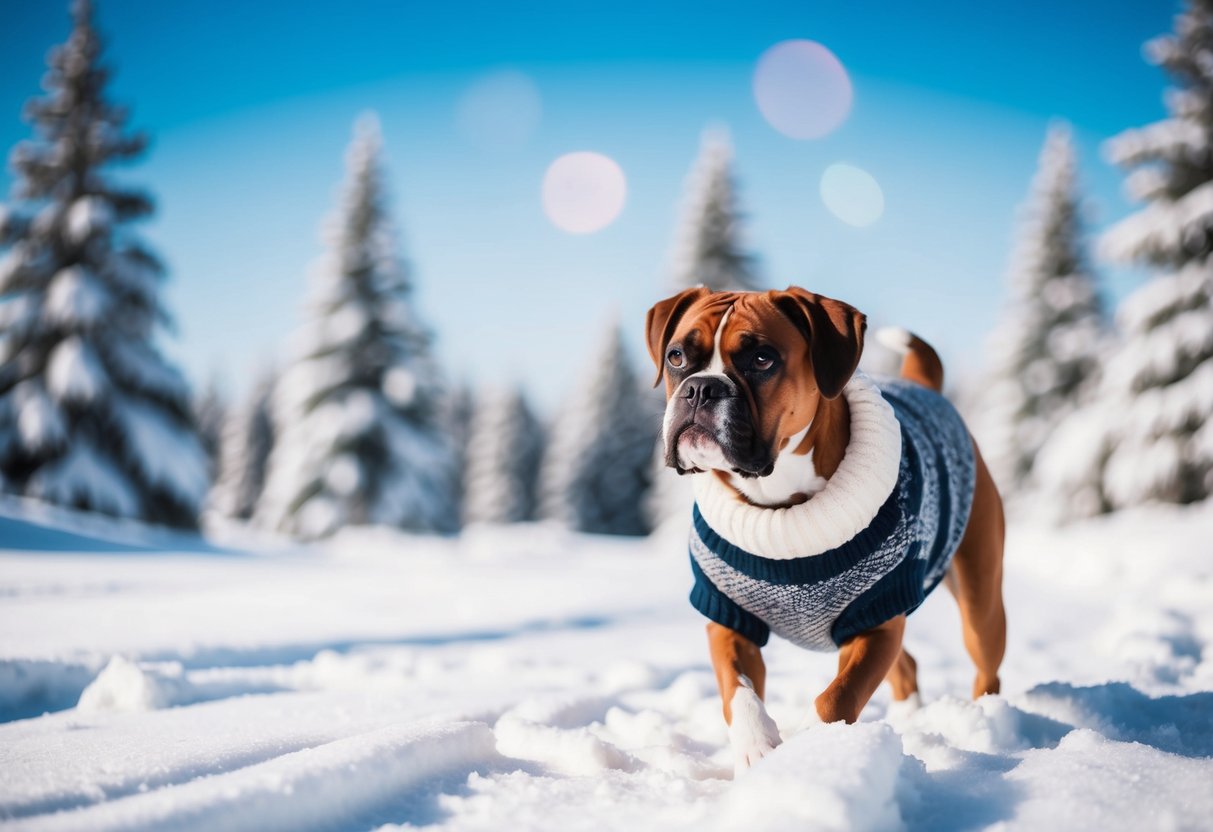
To keep your boxer safe and comfortable, consider dressing them in appropriate clothing like dog sweaters or coats when going outside. This extra layer helps retain their body heat and shields them from harsh winds.
Additionally, make sure that your boxer gets enough exercise, even in cold weather. Shorter, more frequent walks can help maintain their health while keeping them warm.
Remember to keep an eye on your furry friend’s behavior outside. If they seem restless or anxious to return indoors, it’s best to head back inside. Being attentive to your boxer’s needs will make winter outings enjoyable and safe for both of you.
Understanding Boxer Dogs’ Tolerance to Cold
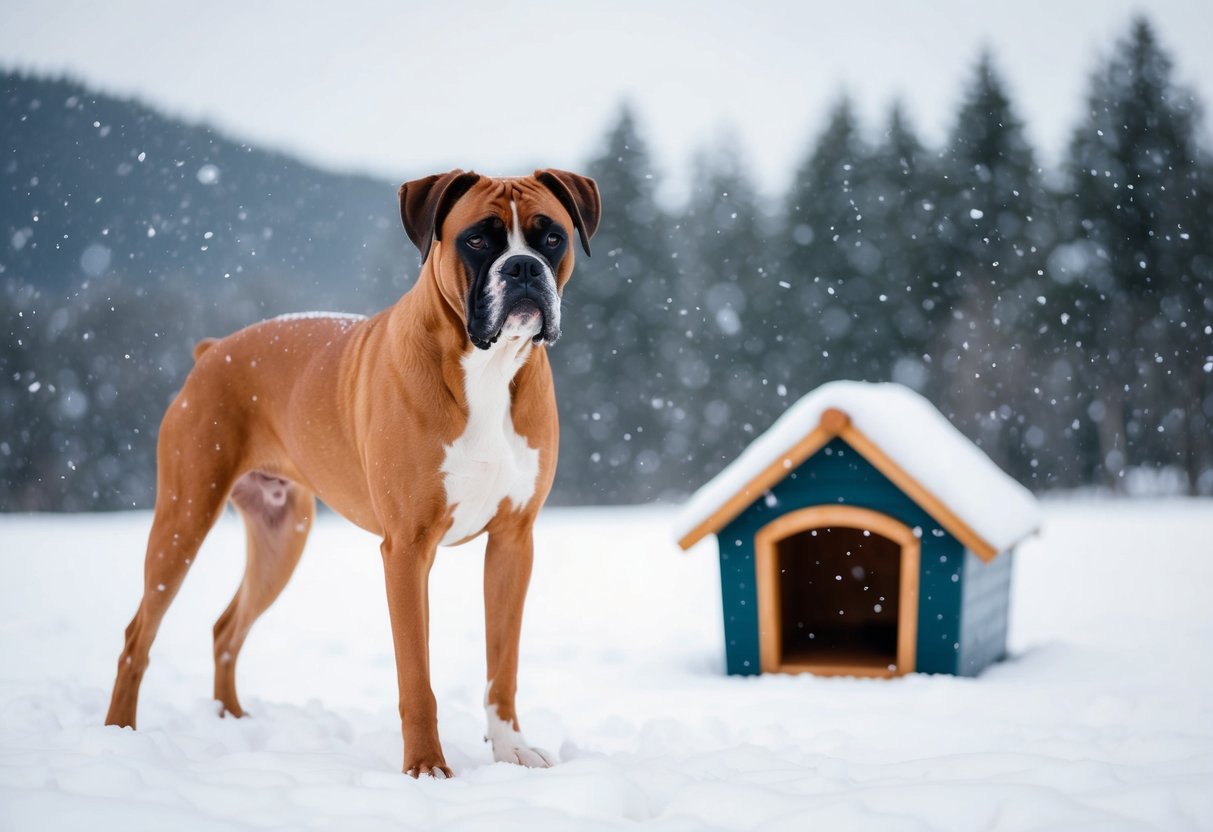
Boxer dogs can be playful and energetic, but their ability to handle cold weather is limited. Several factors affect their cold tolerance, including their physical traits and potential health risks when exposed to low temperatures.
Physical Characteristics Impacting Cold Tolerance
Boxers have a short coat that offers limited insulation against the cold. Unlike breeds with thick fur, boxers may struggle to retain body heat during winter months.
Their muscular build does not necessarily translate to better cold tolerance. While they are strong dogs, boxers lack the fur needed to keep them warm in harsh conditions.
You should pay attention to your boxer’s body language when outside. If they start to shiver or seem uncomfortable, it’s a clear sign they need to come inside. Some boxers may also benefit from wearing a dog coat for extra warmth during winter walks.
Health Risks Associated with Cold Exposure
Cold weather can pose serious health risks for your boxer, especially if they are outdoors for long periods. Hypothermia can develop quickly, leading to dangerous drops in body temperature.
You must also be aware of the risk of frostbite, particularly on their ears and paws. This condition occurs when body parts freeze and can lead to permanent damage if not treated.
Senior boxers and puppies are particularly vulnerable during cold weather. Their bodies may not regulate temperature as well as those of healthy adult boxers. It’s best to monitor their time outside and provide a warm shelter when they’re outdoors.
Essential Winter Care for Boxer Dogs
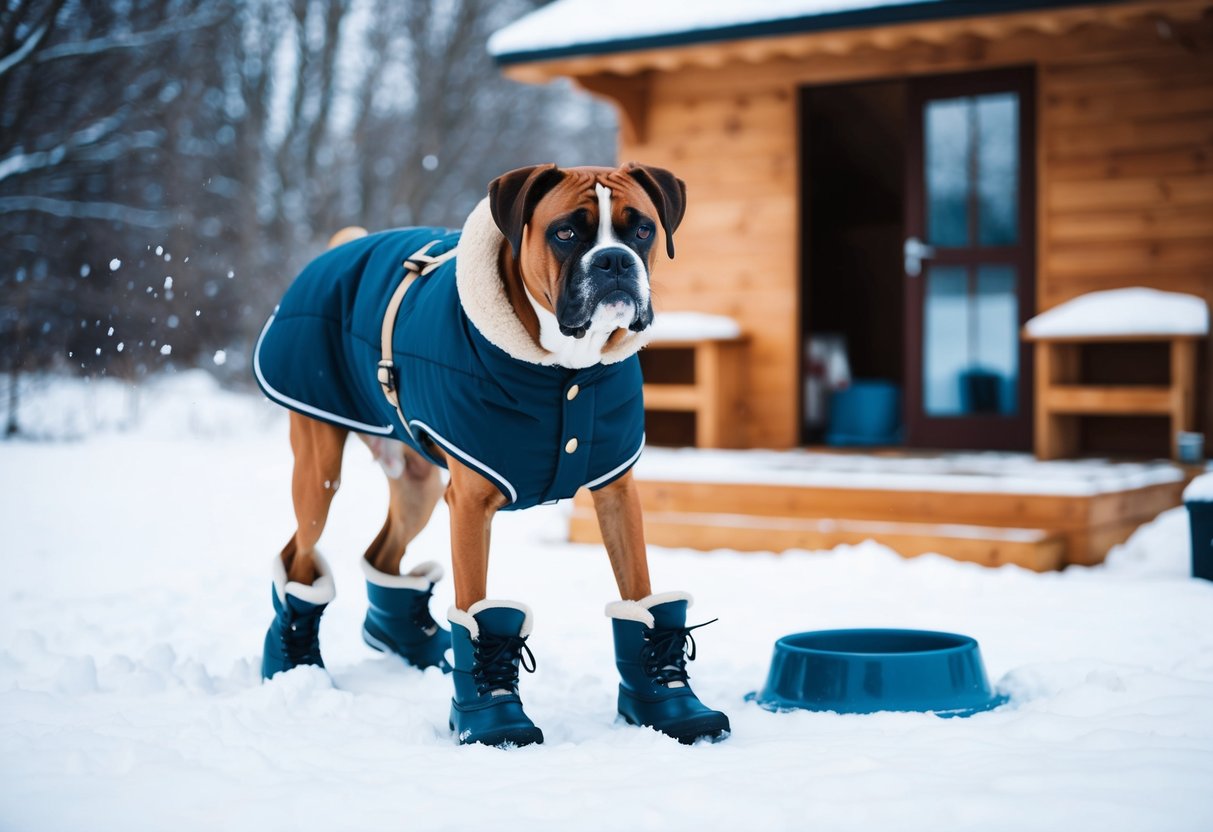
Keeping your Boxer dog happy and healthy in winter requires some special care. Focus on creating a warm indoor environment, providing proper gear, proactive paw care, and meeting their nutritional needs. These steps are essential to ensure your Boxer stays comfortable during the colder months.
Indoor Environment and Warm Shelter
During winter, make sure your home is cozy for your Boxer. Heating should be comfortable, but avoid direct drafts. Create a designated space with soft, thick bedding that provides insulation against the cold floor.
Consider using a dog crate with plenty of blankets for added warmth. Insulating your dog’s sleeping area can keep them snug.
Regular heating helps maintain good humidity levels, which keeps your Boxer’s skin and coat healthy.
Don’t forget that even an indoor Boxer needs some exercise. Short indoor play sessions can help them burn off energy when outside time is limited due to the cold.
Appropriate Winter Gear and Accessories
When you take your Boxer outside in winter, proper gear is crucial. A dog sweater can help keep their body warm, especially for Boxers with shorter coats. Look for sweaters that fit snugly but aren’t too tight.
Consider using dog booties for their paws. Cold surfaces can cause discomfort or even injury. If your dog is hesitant about booties, introduce them slowly and reward them for wearing them.
You might also want to apply paw balm or paw wax to protect their paw pads from salt and ice. This helps prevent cracking and keeps them comfortable on cold walks.
Proactive Health and Paw Care
In winter, you should monitor your Boxer’s paws closely. Check for any signs of cold stress or injury after walks.
Cold weather can lead to chapped noses and dry skin, so ensure to apply moisteners when needed.
After outdoor play, clean their paws to remove any debris, ice, or salt. A simple rinse with warm water can do wonders for keeping their paws healthy.
Regular grooming is also important to maintain their coat, which protects against the cold.
Speak with your vet about specific care tailored for your Boxer, especially if they have health issues that cold weather might affect. Staying informed about your dog’s health during winter is essential.
Nutritional Needs During Colder Months
Your Boxer’s nutritional needs may change in colder weather. Ensure their diet meets their energy requirements. Increased calorie intake can help them maintain body heat.
Consider incorporating high-quality proteins and healthy fats into their meals.
Some Boxer owners find that adding some warm water or low-sodium broth to their kibble can make mealtime more appealing and provide extra hydration.
Hydration is vital, even in winter. Ensure your Boxer has constant access to fresh water. Sometimes they may drink less in colder months, so be proactive in encouraging them to hydrate. Adjusting their nutrition can keep your Boxer active and healthy all winter long.
Recognizing and Responding to Cold-Related Stress and Illness
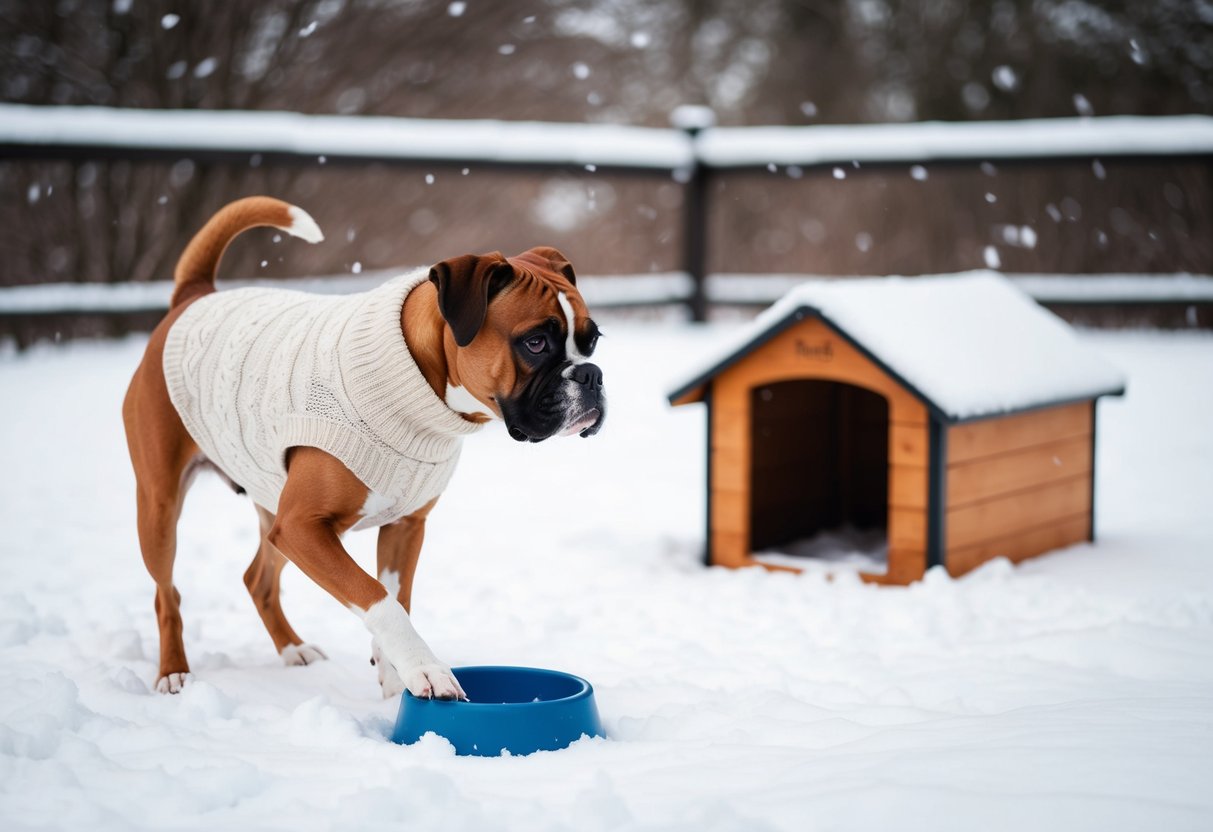
Being aware of how cold weather can affect your Boxer is important. You need to recognize the signs of cold-related stress or illness and know how to respond quickly.
Watch for specific symptoms and take action to keep your furry friend safe.
Identifying Signs of Cold Stress in Boxers
Your Boxer might exhibit several signs of cold stress. Shivering is one of the most obvious symptoms. If you notice your dog shaking, it’s time to take action.
Lethargy is another critical sign. If your Boxer seems unusually tired or uninterested in activities, this could indicate they are too cold.
Cowering or seeking shelter is also a common behavior when they experience discomfort. Check their gums as well; pale gums can indicate poor circulation due to cold.
Immediate Actions to Take for Hypothermia and Frostbite
If you suspect your Boxer has hypothermia, take immediate measures. Bring them indoors to a warm area as soon as possible. Wrap them in a warm blanket to help raise their body temperature.
If your dog shows signs of frostbite, like discoloration of their ears or paws, gently warm the area with your hands. Avoid using hot water or heating pads, as these can cause burns.
Monitor your Boxer closely for symptoms like excessive shivering or confusion, and consider contacting a vet.
Long-Term Management of Cold Weather-Related Health Issues
To help your Boxer thrive in winter, make adjustments to their routine. Dress them in a dog sweater or coat for extra warmth when outside.
Limit their outdoor time during extreme temperatures. Keep walks shorter, especially if it’s very cold.
Regularly check their body temperature. It should be around 101 to 102.5 degrees Fahrenheit.
If you notice ongoing issues related to cold exposure, speak to your vet for further guidance. Changes in behavior may require a long-term strategy to ensure your Boxer stays healthy during the colder months.


