
As a Boxer dog owner, you may wonder if your pup gets tired easily. Boxers are known for their high energy levels, but they can also show signs of tiredness after physical activity or when they feel very relaxed. It’s important to recognize these signs to keep your furry friend happy and healthy.

Your Boxer may appear lethargic after a long play session or a day of fun activities. While they enjoy being active, they also appreciate downtime. Understanding their energy levels can help you balance exercise with rest, ensuring your dog stays engaged and satisfied.
When it comes to keeping your Boxer entertained, mental stimulation is just as crucial as physical exercise. Engaging their minds can exhaust them just as much, if not more, than a good run. By knowing how to keep them active and fulfilled, you can prevent feelings of boredom or lethargy in your beloved pet.
Understanding the Boxer Breed

Boxers are known for their energetic nature and playful spirit. They have unique physical traits and may face some health challenges that influence their energy levels. Both aspects are essential to keep in mind as you care for your Boxer.
Physical Characteristics and Energy Levels
Boxers are medium-sized dogs with a strong, muscular build. They are brachycephalic, which means they have short snouts. This feature can affect their breathing, especially during vigorous exercise.
Due to their working dog background, Boxers need plenty of physical exercise to stay happy and healthy. Regular walks, playtime, and mental stimulation help burn off their energy. Without enough activity, they may become restless or display undesirable behaviors.
As a responsible owner, make sure to monitor your Boxer’s hydration, especially on warm days. Keeping them cool is vital, as they can tire more easily in heat or humidity. Understanding their exercise needs is key to helping them thrive.
Common Health Concerns
While Boxers are generally healthy, they are prone to certain health issues. One serious condition is cardiomyopathy, which affects the heart’s ability to pump blood. It’s essential to keep an eye on any signs of lethargy or unusual behaviors.
Another concern for Boxers is drooling. This can be a normal part of their behavior, but excessive drooling might indicate health issues. Always consult your vet if you notice changes.
Regular vet check-ups are crucial to catch any potential problems early. Keeping your Boxer in optimal health ensures a longer, happier life for your furry friend.
Activity Needs and Stamina
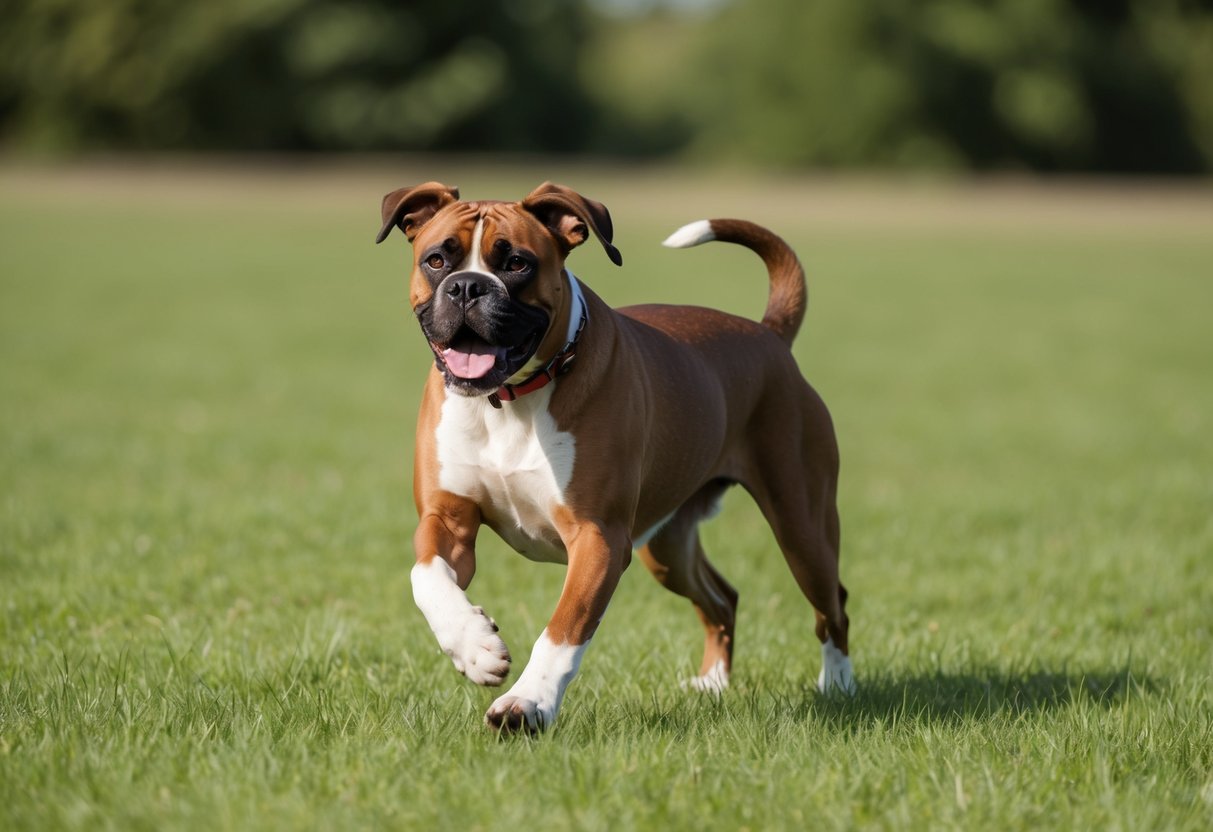
Boxer dogs have unique activity needs because of their energy and intelligence. Providing both physical exercise and mental stimulation is crucial to keep your Boxer happy and healthy.
The Importance of Physical Exercise
Your Boxer requires regular physical activity to stay fit and energetic. Aim for at least 60 to 90 minutes of exercise each day. This can include brisk walks, play sessions, and even running.
Mixing things up can prevent boredom. Incorporating games like fetch or agility training keeps them engaged. Consistent exercise helps in maintaining a calm Boxer at home, reducing hyperactivity and anxiety.
Remember, young Boxers have higher energy levels. Overexercising puppies can lead to joint issues later. Be mindful of their needs as they age, and adjust routines accordingly.
Incorporating Mental Stimulation
In addition to physical exercise, mental stimulation is vital for your Boxer. Boredom can lead to destructive behavior. Engage their minds with activities that challenge them.
Consider nose work games, where they use their sense of smell to find hidden treats. This not only entertains them but also fulfills their natural instincts.
Basic command training is another excellent way to keep their minds sharp. Teaching new commands or tricks can strengthen your bond and give them a sense of purpose. Balancing physical and mental activities will ensure your Boxer feels fulfilled and content.
Managing and Understanding Lethargy

Recognizing and handling lethargy in your Boxer dog is important for their health and happiness. By understanding the signs of lethargy and knowing when to consult a veterinarian, you can ensure your furry friend stays active and well.
Signs of Lethargy in Boxer Dogs
Lethargy can show up in several ways. If your Boxer appears less energetic than usual, it’s a key sign to watch for. Common signs include:
- Less Interest in Play: If your dog enjoys playing but suddenly doesn’t want to engage, this could indicate fatigue.
- Heavy Breathing: After normal activities, watch for signs of heavy breathing or panting.
- Lack of Appetite: If your Boxer isn’t interested in food, it might be more than usual tiredness.
- General Disinterest: If your dog seems withdrawn or reluctant to partake in activities they usually love, it’s worth monitoring.
Paying attention to these signs can help you identify if your dog is truly lethargic or just tired.
When to Seek Veterinary Advice
If you notice signs of lethargy, monitor your Boxer closely. Occasional tiredness is normal, but persistent lethargy could signal a problem.
Here are key reasons to contact your vet:
- Prolonged Lethargy: If your dog is lethargic for more than 24 hours, consult a vet.
- Accompanying Symptoms: Look out for other signs, such as vomiting, diarrhea, or difficulty breathing. These could indicate a more serious issue.
- Hydration Issues: Ensure your Boxer is drinking enough water. Dehydration can lead to lethargy and further health risks.
Ensuring your dog stays hydrated and seeking veterinary help when needed can make a big difference in their recovery.


