
Boxers are known for their loyalty and playful nature, making them popular family pets. They are not just friendly companions; they can also be effective protection dogs. With their natural instincts to guard and a watchful demeanor, Boxers often excel in keeping their families safe.
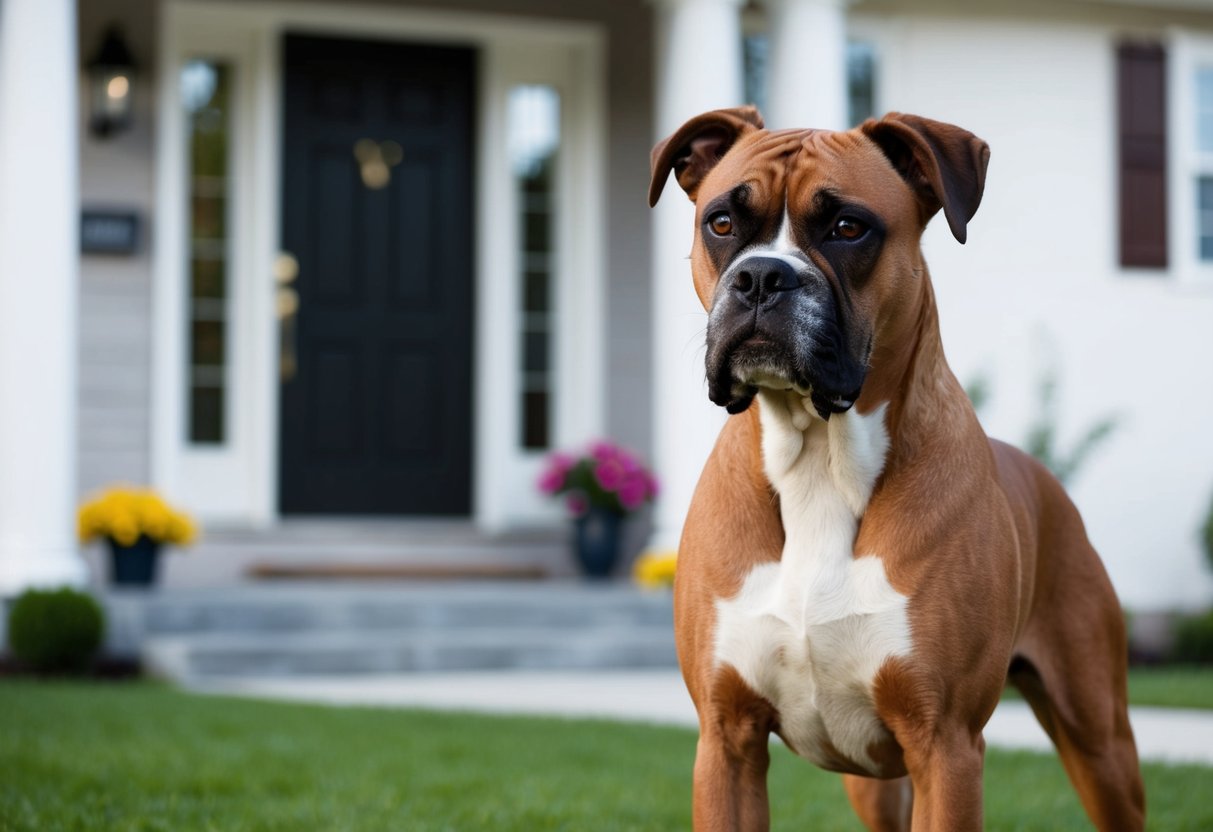
As a loyal companion, a Boxer will bond closely with you and your loved ones. They are great with children and enjoy being part of the family. While they are playful and affectionate, their protective instincts remind us they can take on the role of a guardian when necessary.
If you are considering a Boxer for protection, remember their combination of loyalty, intelligence, and strength. These qualities make them not only excellent family dogs but also capable protectors for your home and family.
Understanding Boxer Dogs
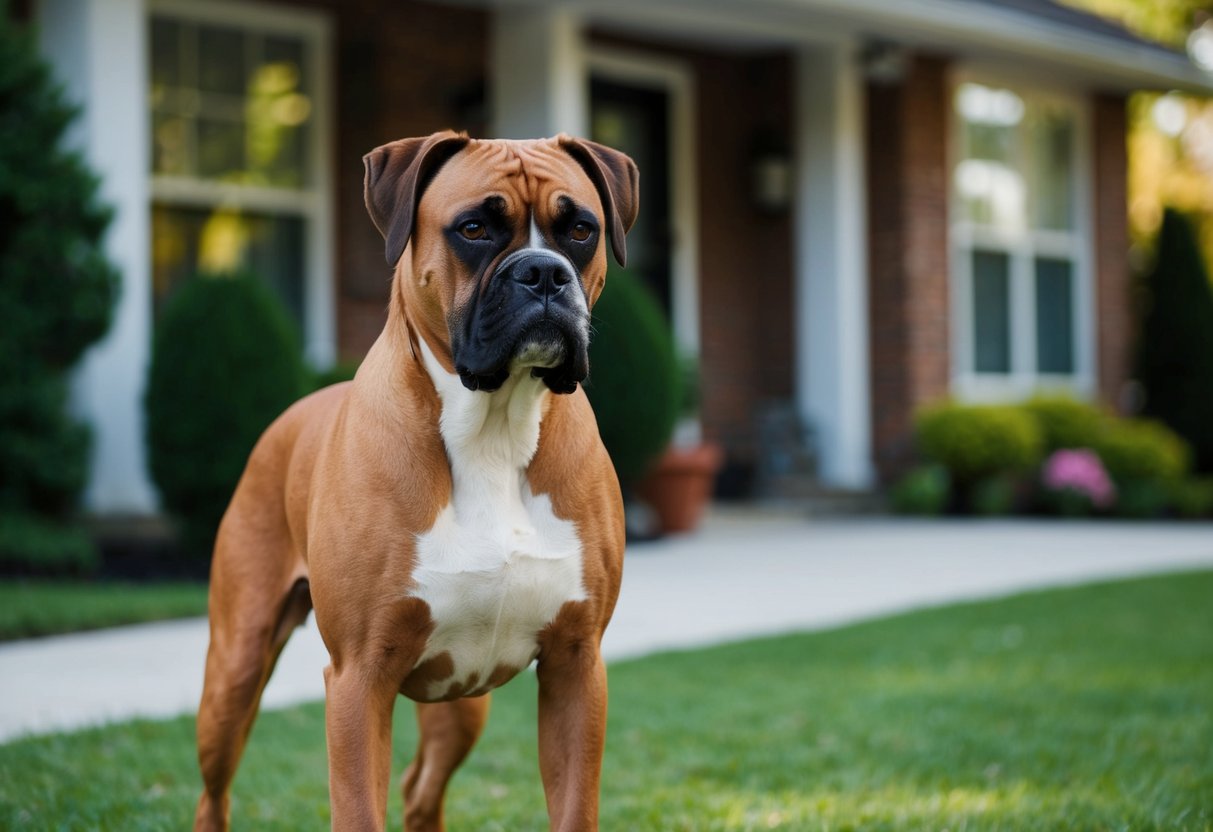
Boxer dogs are known for their playful nature and strong build. They are both loyal and intelligent, which makes them excellent companions. In this section, you will learn about their physical characteristics, typical behaviors and temperament, and important health considerations.
Physical Characteristics
Boxers are medium to large dogs with a muscular build. They usually weigh between 50 to 70 pounds and stand about 21 to 25 inches tall. Their short hair is easy to care for and comes in two main colors: brindle and fawn. The brindle pattern features dark stripes on a lighter background. Boxers are known for their square-shaped heads and strong jaws, which give them a distinctive appearance. Their strong legs and broad chest highlight their energetic nature, making them great for active families.
Typical Behaviors and Temperament
Boxers are high-energy dogs that thrive on physical activity. They are playful and enjoy games like fetch or tug-of-war. Their intelligence means they also need mental stimulation to stay happy.
Training is essential, as it helps them develop good behavior. Boxers are known to be affectionate and protective, making them wonderful family pets. They usually get along well with children and can be friendly with other pets when socialized early. However, without proper exercise and interaction, they may become bored and develop undesirable behaviors.
Health Considerations
Like all breeds, Boxers can face specific health issues. One notable concern is cancer, which can affect their lifespan. Regular veterinary check-ups are important for early detection of any health problems.
Boxers are also prone to certain heart conditions and hip dysplasia. To ensure your Boxer remains healthy, provide them with a balanced diet and regular exercise. Keeping them mentally engaged can help reduce stress and prevent health issues related to inactivity.
Boxers as Guard Dogs

Boxers possess a mix of qualities that make them notable as guard dogs. They are known for their protective nature, keen instincts, and loyalty. Understanding their traits can help you determine if a Boxer is the right fit for your protective needs.
Protective Traits
Boxers are known for their natural protective instincts. They are alert and will notice unusual activities in their environment. This makes them effective guard dogs, as they are usually quick to sound the alarm when they sense something is off.
Their fearless attitude adds to their protective nature. Boxers also have a strong bond with their families, which fuels their desire to guard their loved ones. With proper training, you can guide their instincts to ensure they respond appropriately in various situations.
Guard vs. Watch Dogs
While Boxers excel as guard dogs, you should note the difference between guard and watch dogs. Guard dogs actively protect against intruders, while watch dogs are more about alerting you to any presence in the area.
Boxers can act as both, thanks to their keen sense of hearing and alert nature. They will bark to signal strangers approaching your home, serving the role of an excellent watchdog. With their physical strength and agility, they can also defend you if needed, making them versatile protectors.
Comparing Boxers to Other Breeds
When comparing Boxers to other breeds like the German Shepherd, Rottweiler, or Doberman Pinscher, each has unique qualities. German Shepherds are often hailed as some of the best guard dog breeds due to their intelligence and trainability. Rottweilers also show strong loyalty and protectiveness.
Boxers stand out with their affectionate nature while still being formidable protectors. They might not be as intimidating as breeds like the Belgian Malinois or Cane Corso, but they make up for it with their trustworthy demeanor. Their playful yet protective approach can be ideal for families looking for a balance of companionship and security.
Training and Socialization
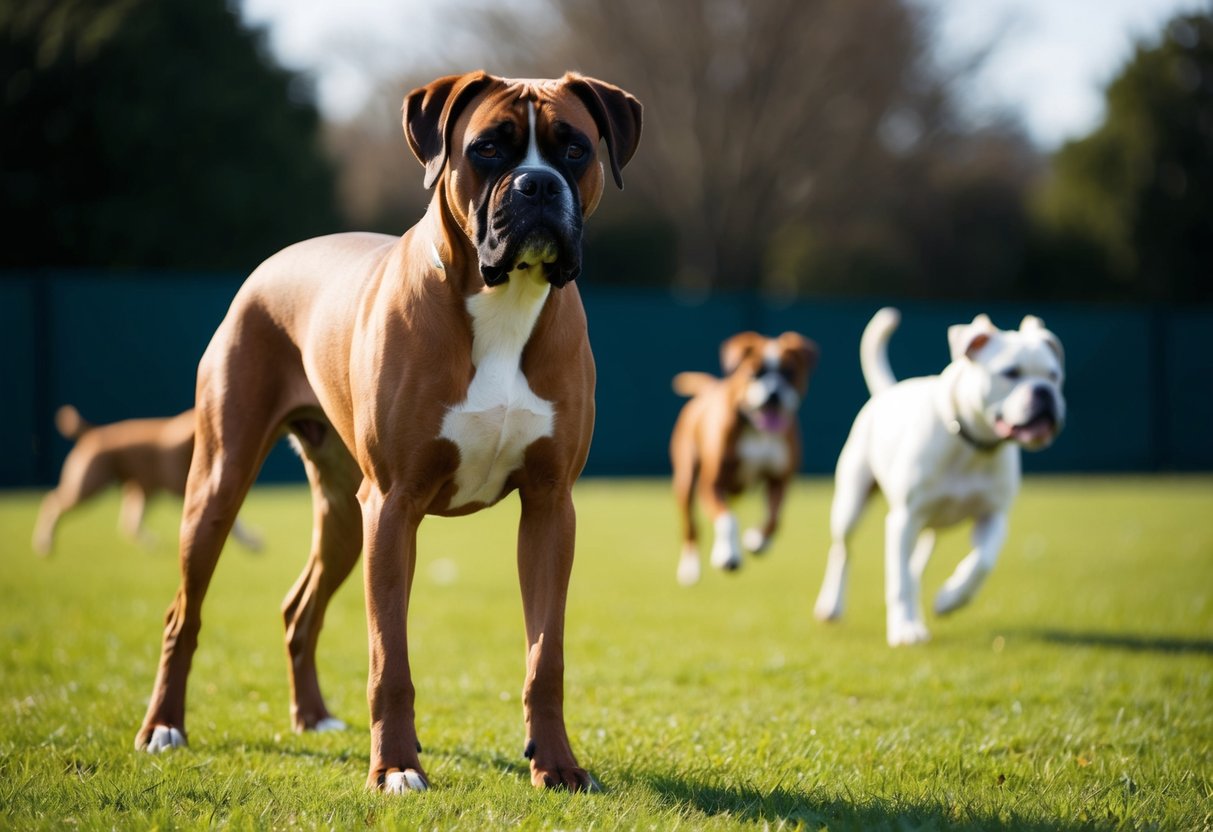
Training and socialization are essential for teaching your Boxer how to behave appropriately and respond to different situations. This section covers important aspects, including basic obedience training, advanced guard dog training, socialization techniques, and the importance of exercise for high-energy dogs.
Basic Obedience Training
Starting with basic obedience training is key for your Boxer. Simple commands such as sit, stay, and come help establish good behavior at home and in public.
Use positive reinforcement, like treats or praise, to encourage your dog. This method helps your Boxer associate good behavior with rewards.
Practice these commands regularly in short sessions. Engage your Boxer for about 5 to 10 minutes, and over time, you can increase the duration.
Consistency is crucial, so make sure you train in various locations and situations. This helps your dog learn to focus even with distractions around.
Advanced Guard Dog Training
Once your Boxer has mastered the basics, you can move on to advanced guard dog training. This specialized training teaches your dog to identify potential threats.
Start by introducing your dog to different scenarios where they practice alerting you to suspicious sounds or movements.
You can also teach them to bark on command. This helps you control their barking, ensuring it is appropriate and doesn’t become a nuisance.
Reward your Boxer for appropriate responses. This ensures they learn when to protect and when to remain calm, striking the right balance between guard behavior and friendliness.
Socialization Techniques
Socialization is vital for your Boxer’s development. Expose your dog to different people, pets, and environments to help them become well-adjusted.
Start socializing early, ideally during puppyhood. Arrange playdates with other dogs or take your Boxer to dog parks.
Monitor their interactions to prevent aggressive behavior. If your Boxer shows any signs of fear or aggression, calmly redirect their focus and reward them for calm behavior.
Consider taking your dog to training classes, where they can meet new dogs and people in a controlled setting. This helps build your Boxer’s confidence and reduces the chances of fearful or aggressive reactions.
Importance of Exercise
Regular exercise is crucial for your energetic Boxer. These dogs require a lot of physical activity to stay healthy and happy.
Daily walks, playtime, and games like fetch help burn off excess energy. Aim for at least 60 minutes of exercise each day.
Incorporate variety into your routine to keep your Boxer engaged. This can include running, hiking, or even agility training.
Adequate exercise not only keeps your dog fit but also supports their mental well-being. A tired dog is often a well-behaved dog, making training and socialization much easier for you both.
Caring for Your Boxer

Caring for your Boxer involves attention to their nutritional needs, grooming, exercise, and supporting their natural instincts. This dog breed requires a balanced approach to keep them happy and healthy, ensuring they remain loyal family members and effective protectors.
Nutritional Needs
Your Boxer’s diet is essential for their overall health. A balanced diet should include high-quality dog food that is rich in protein to support their energy needs. Look for foods that list meat as the first ingredient.
Avoid fillers such as corn and soy. Since Boxers can be prone to certain health issues, be mindful of their food portions to maintain a healthy weight. Regular meals, ideally twice a day, can help keep their energy levels stable.
Consider supplements that support joint health, too, especially as your Boxer ages. Always consult your vet before changing their diet to ensure it meets their unique needs.
Grooming and Maintenance
Boxers have short coats that require minimal grooming, but regular care is still important. Brush your Boxer’s coat weekly to remove loose fur and distribute natural oils. This helps keep their skin healthy.
Bath your dog every few months or as needed to maintain cleanliness. Pay attention to their ears, as they can accumulate dirt and wax. Clean them gently with a vet-approved cleanser.
Don’t forget about dental care; brushing their teeth regularly can prevent dental diseases. Regular nail trimming is also essential to keep their paws healthy and prevent discomfort.
Exercise Requirements
Being an energetic breed, Boxers need regular physical activity to stay healthy and happy. Aim for at least 45-60 minutes of exercise each day. Activities like brisk walks, runs, or playtime in the yard are great for your Boxer.
Make sure to include both physical and mental stimulation. Puzzle toys can keep their minds sharp, while training sessions can enhance their obedience and loyalty. Always factor in your dog’s age and health; younger dogs might require more vigorous exercise, while older ones may prefer gentler activities.
Keep in mind that excessive exercise, especially before or after meals, can lead to health issues. Schedule activities around their feeding times for safety.
Supporting Their Protective Instinct
Training is crucial to help your Boxer become a good protector while remaining friendly and well-adjusted.
Start socialization early to ensure they feel comfortable around people and other animals.
Basic commands like sit, stay, and come will be essential for obedience.
Positive reinforcement works best, so reward them with treats and praise during training.
Consider enrolling in a training class that focuses on protection skills.
Your Boxer’s strong jaw and protective instincts can be nurtured properly with guidance.
Consistency and patience are key.
With the right care and training, your Boxer can become an excellent protector and loyal family member.


