
As your boxer dog ages, you might start to notice some changes, including gray hair around their muzzle. Most boxers begin to show signs of graying by around 5 years old. This change can be surprising for many dog owners, especially since some boxers seem to retain their youthful appearance for longer.
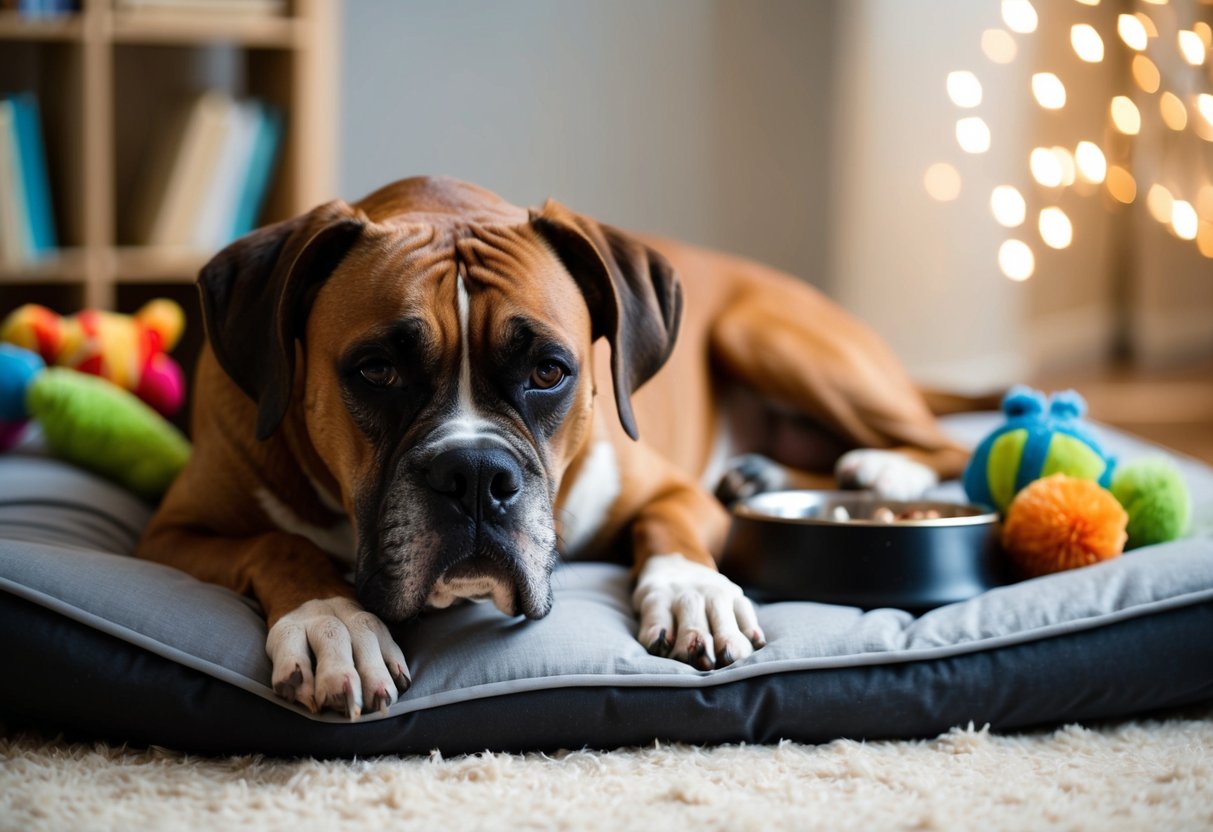
Boxers, like people, age differently. Genetics play a big role in when your dog will start to go gray. While some boxers might start to gray early, around 4 years, others may not show any signs until they are older. Understanding this can help you appreciate the unique aging process of your furry friend.
Keeping an eye on these changes is part of being a caring pet owner. Remember, gray hair is just a sign of aging and maturity, and your boxer will continue to bring joy and energy into your life regardless of their appearance.
Understanding Aging in Boxer Dogs
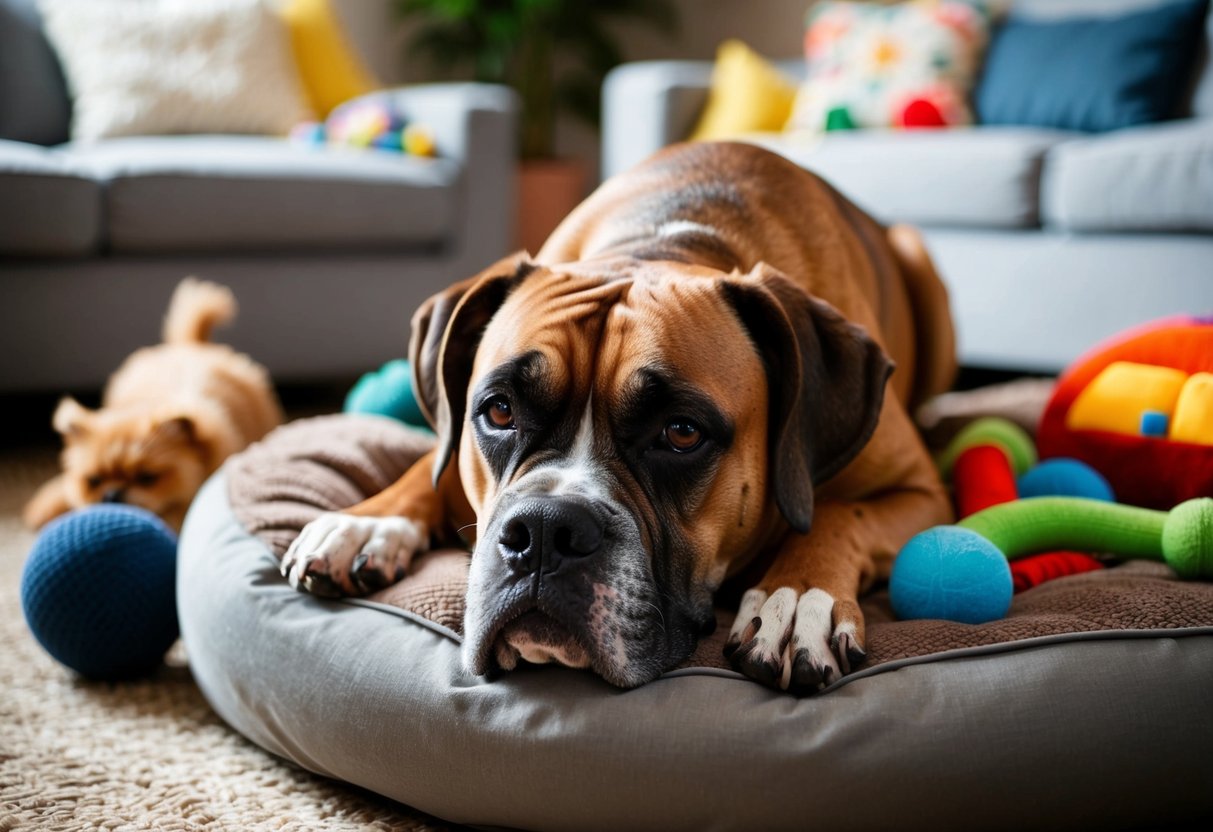
As your Boxer dog ages, you may notice some changes. These changes can include physical signs and may be influenced by genetics. Being aware of these signs can help you provide the best care for your beloved pet.
Signs of Aging in Boxers
Boxers typically start to show signs of aging around seven to eight years old. One of the most noticeable changes is the appearance of grey hairs, especially around the muzzle. This can be a natural part of the aging process.
You might also see decreased energy levels. Your Boxer may not want to play as much or may prefer longer naps. Weight gain can occur if their activity decreases, so keep an eye on their diet.
Joint stiffness or difficulty getting up could become evident as well. These physical changes can indicate that your Boxer is becoming a senior dog. Regular vet check-ups can help manage these signs effectively.
The Role of Genetics in Aging
Genetics can significantly impact how your Boxer ages. Some Boxers may experience premature graying due to inherited traits. Not all dogs will show these signs at the same age.
In addition to coat changes, genetic factors can affect health issues. Boxers are prone to certain conditions, such as heart problems or cancers, that can influence their aging process.
Being proactive with your vet can help address any health issues early on. Understanding your Boxer’s genetic background can also prepare you for what to expect as they grow older.
Health Factors Influencing Grey Hair
As your Boxer ages, several health factors can contribute to the graying of their fur. Understanding these can help you better care for your dog and address any issues that may arise during their golden years.
Stress and Anxiety in Canine Aging
Just like humans, Boxers can experience stress and anxiety as they age. Changes in their environment, such as losing a companion or moving to a new home, can lead to feelings of insecurity. This stress can impact their overall health, potentially influencing the graying of their fur.
When your dog is anxious, it can affect their melanin production, which is responsible for the color of their hair. Over time, chronic stress may lead to premature graying.
Keeping a calm environment, providing mental stimulation, and maintaining a routine can help reduce stress in older Boxers. If needed, consider speaking with your vet about calming supplements or therapies.
Common Health Issues in Aged Boxers
Older Boxers are prone to various health problems that can influence graying fur. Conditions like arthritis and cancer can not only affect mobility but also lead to increased stress. Pain and discomfort may cause your dog to feel anxious, which could further impact their coat color.
Genetics also play a role in how and when your Boxer goes gray. If your dog’s parents or grandparents showed early signs of graying, your dog may too.
It’s essential to monitor your Boxer’s health closely. Regular vet check-ups can help catch issues early. Addressing concerns like weight management and arthritis pain can improve your dog’s quality of life and potentially slow down the graying process.
Comparing Boxers With Other Dog Breeds
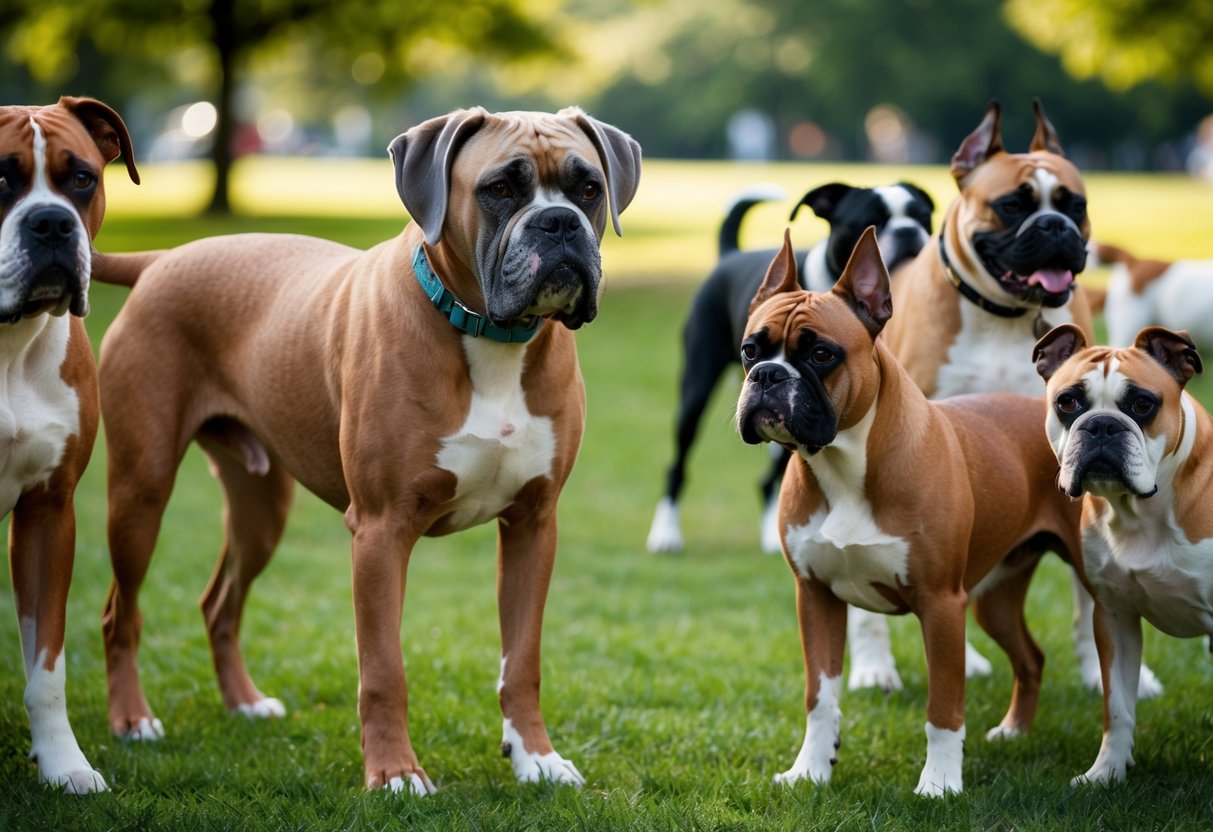
Boxers have unique aging patterns compared to various dog breeds. Understanding these differences can help you care for your furry friend as they age.
Aging in Different Dog Breeds
Different dog breeds age at different rates. Boxers typically reach their senior years around 8 to 9 years old. By this age, you might notice signs like changes in energy levels or the first hints of grey fur.
Small dogs, like Chihuahuas and Poodles, often live longer, entering their senior years later. On the other hand, larger breeds, such as Weimaraners and Greyhounds, age quicker and may show signs of aging around the same time as Boxers.
In contrast to your Boxer, Schnauzers and Collies may also have noticeable grey fur around the same age. However, how quickly they grey can depend on genetics and environment, so your Boxer’s journey may be unique.
Care Tips for Aging Boxer Dogs
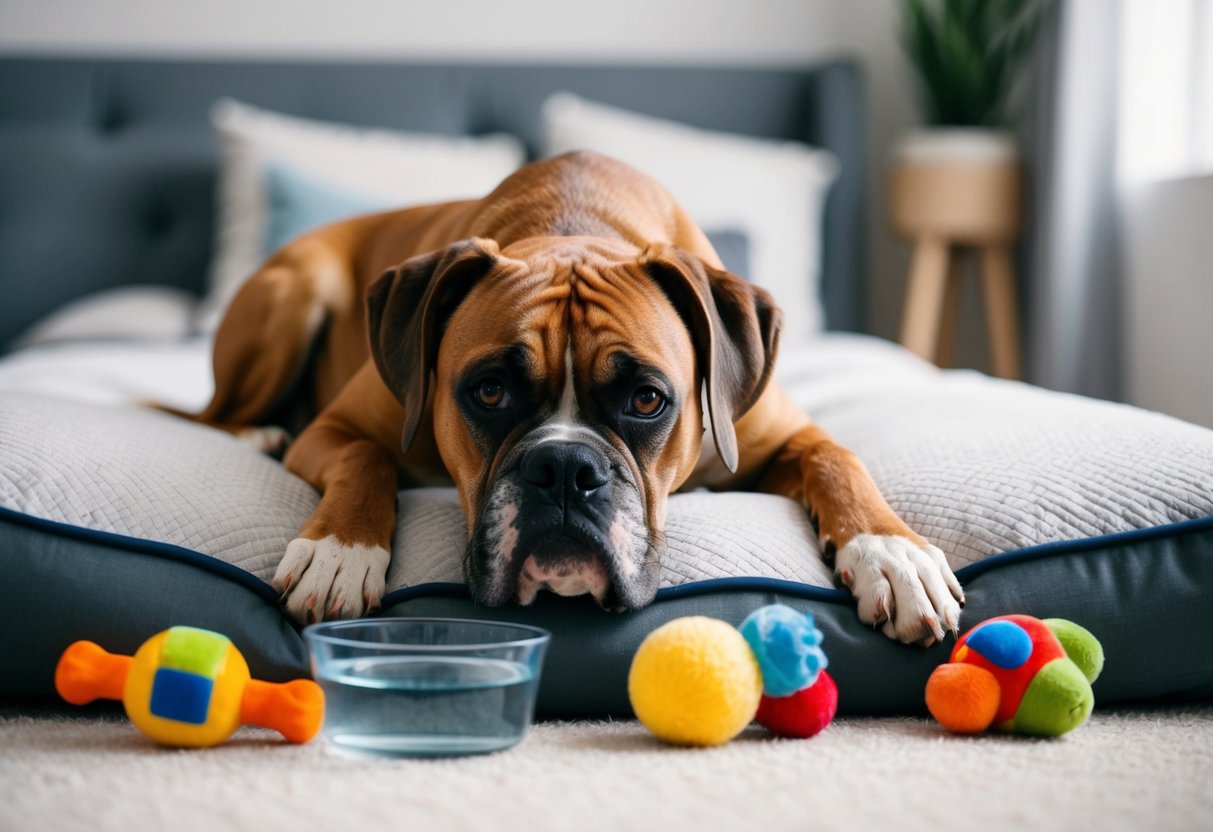
As your Boxer ages, it’s important to focus on their diet, exercise, and grooming needs. These factors play a big role in maintaining their health and ensuring they stay comfortable and happy.
Diet and Exercise for Senior Dogs
Aging Boxers need special attention to their diet. Ensure you provide high-quality dog food formulated for senior dogs. This type of food usually has fewer calories and essential nutrients to support their aging bodies.
Suggested diet tips:
- Look for foods with joint health support, like glucosamine and omega-3 fatty acids.
- Add fresh fruits and vegetables as treats. Carrots and blueberries are great options.
Exercise remains important but should be adjusted to your dog’s abilities. Short, gentle walks can keep them active.
Exercise tips:
- Aim for 20-30 minute walks, at least 3-4 times a week.
- Incorporate light playtime to keep them engaged, while ensuring not to overexert them.
Maintaining a Healthy Coat and Skin
As Boxers age, their fur may turn gray, and their skin can become less elastic. Regular grooming can help maintain their coat and skin health. Brush your Boxer at least once a week to remove loose fur and distribute natural oils.
Grooming tips:
- Use a gentle brush designed for short-haired dogs.
- Check for any skin issues, such as dryness or lumps, as these can be signs of health issues.
Bathing should be done less frequently, using a mild dog shampoo. Over-bathing can strip natural oils, leading to dry skin.
Additional care:
- Ensure they stay hydrated; fresh water should be available at all times.
- Consider supplements for coat health, but consult your vet first.


