
If you have a 13-year-old Boxer, you might be curious about how their age compares to human years. A 13-year-old Boxer is roughly equivalent to 83 human years. Understanding this can help you appreciate the golden years of your furry friend and recognize any special care they might need as they age.

Boxers are known for their playful and energetic nature, but as they grow older, their needs change. It’s important to know how your dog’s age corresponds to human years to provide the best care.
In this article, you’ll find insights into how Boxers age and what it means for their health and happiness.
Understanding Dog Years and Human Years

When thinking about your 13-year-old Boxer dog, it’s important to know how dog years translate into human years. This understanding helps you better appreciate your dog’s age and health needs.
The Science Behind Calculating Dog Age
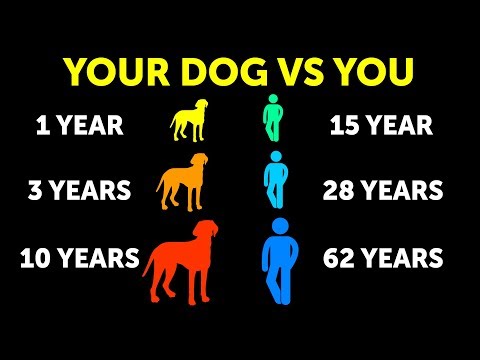
Calculating dog age in human years is not as simple as multiplying by seven. The first two years of a dog’s life count significantly more than later years. For example, your 1-year-old Boxer is about 15 in human years.
After that, each subsequent year adds approximately 5 human years. So, at age 13, your dog is roughly 74 human years old. This formula varies by breed and size, making it crucial to consider your specific dog’s characteristics.
You can use a dog age calculator to find a precise age conversion.
Overview of Dog Age Chart
A dog age chart is a useful tool for pet owners. It provides a guide to understand how many human years correspond to specific dog ages.
For example, here’s a brief overview:
- 1 year = 15 human years
- 2 years = 24 human years
- 3 years = 28 human years
- 6 years = 40 human years
- 13 years = 74 human years
Each dog breed ages differently. Larger breeds tend to age faster than smaller ones. It’s essential to be aware of these variations to grasp what your dog’s age means for its health and care.
Checking resources like the Boxer age calculator can provide additional insights into your Boxer’s age in human years.
Boxer Dogs: A Breed Overview

Boxers are a popular dog breed known for their playful nature and strong build. They are loving companions and are often characterized by their energetic personality and loyalty to their families.
Typical Lifespan and Health
The average lifespan of a Boxer is between 9 to 12 years. They are known for some common health issues, such as heart problems and certain cancers. Regular vet check-ups are important for early detection and treatment of these conditions.
As Boxers age, they may develop arthritis or joint issues, especially as they reach their senior years. Diet and exercise play crucial roles in maintaining their health throughout their lives.
Providing a balanced diet and ensuring regular physical activity can help keep your Boxer fit.
Physical Characteristics and Temperament
Boxers are medium to large-sized dogs with a muscular build. They usually weigh between 50 to 80 pounds and stand about 21 to 25 inches tall at the shoulder. Their short coat comes in various colors, including fawn and brindle, often with white markings.
In terms of temperament, Boxers are known for being playful, loyal, and protective. They are great with children and make excellent family pets. Their energy levels mean they need plenty of exercise and mental stimulation.
Training is essential, as they are intelligent dogs that respond well to positive reinforcement.
Comparative Aging in Different Breeds
Understanding how different dog breeds age is important for your dog’s health and care. Some breeds tend to live longer than others and have unique aging patterns.
Longevity in Various Dog Breeds
Some dog breeds have a reputation for longevity. For instance, the Yorkshire Terrier often lives between 13 to 16 years. On the other hand, larger breeds like the Boxer usually have a shorter lifespan, averaging around 10 to 12 years.
In contrast, the Afghan Hound is known for its longer life, often reaching 12 to 14 years. Breeds like the Basenji also demonstrate impressive longevity, living about 12 to 16 years.
These differences are mainly due to genetics, size, and health factors specific to each breed.
Unique Aging Patterns Among Breeds
The way dogs age can vary significantly among breeds. For example, a Boxer experiences rapid growth in the first few years. By the time they are 2, they are roughly 24 in dog years.
Smaller breeds, like the Yorkshire Terrier, tend to age more slowly initially and may still be lively into their senior years. Larger breeds like the Afghan Hound may face age-related issues earlier.
Understanding these unique aging patterns helps you tailor your care for different breeds. Pay attention to any changes in behavior or health as your dog ages. This knowledge can help you ensure they live a happy, healthy life.
The Role of Methylation in Aging

Methylation is a process that affects how genes work. It involves adding a methyl group to DNA, which can change how your body reads those genes.
As you age, your body’s methylation patterns change. Some areas of your DNA can lose methylation, while others may gain it. This process can impact how cells function and how they age.
Research shows that these changes in methylation are linked to the aging process in both humans and animals. For example, dogs like your 13-year-old boxer can also experience these changes.
Methylation plays a key role in health. It can affect everything from how your dog ages to how certain diseases develop. By understanding methylation, scientists hope to find ways to promote healthier aging.
Here are a few key points about methylation:
- Methylation changes: It generally decreases in some DNA regions with age.
- Health impact: Altered methylation can affect your dog’s overall health.
- Research: Ongoing studies look at how methylation relates to lifespan and age-related diseases.
Keeping your dog healthy may involve understanding factors like methylation. When you care for your dog’s diet and environment, you’re also supporting the biological processes that affect aging.


