
Boxer dogs are known for their playful and energetic nature, making them great companions. When it comes to training, Boxer dogs can be relatively easy to train with the right approach. Their intelligent and eager-to-please demeanor means they often respond well to positive reinforcement techniques.
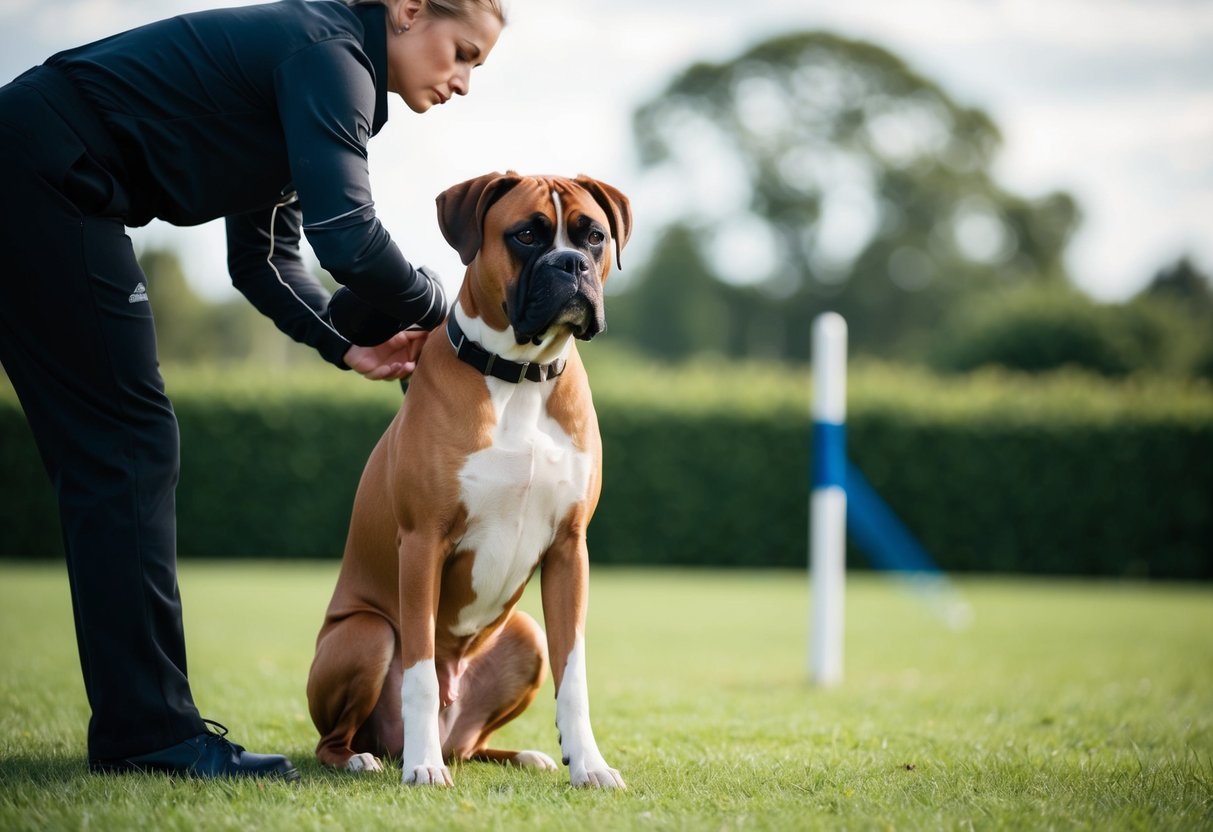
Consistent training is key in helping your Boxer learn basic commands and good behavior. Engaging in regular training sessions can also strengthen your bond with your dog, making the process not just effective but enjoyable for both of you. Many owners find success when they use fun activities and praise as motivation during training.
If you’re considering bringing a Boxer into your home, understanding their training needs will set you up for a fulfilling relationship. With patience and the right methods, your Boxer can become a well-behaved and loving member of your family.
Understanding Boxer Dog Characteristics

Boxer dogs are known for their lively nature and strong personalities. To train them effectively, it helps to understand their specific traits, energy levels, and behavior patterns. Here’s a closer look at what makes Boxers special.
Energy and Exercise Needs
Boxers are energetic dogs that thrive on regular exercise. They need at least 1-2 hours of activity each day. This could be walks, playtime, or even agility training.
Without enough exercise, Boxers may become bored and display challenging behaviors. Activities like fetching, running, and interactive games are great for meeting their energy levels.
A tired Boxer is a well-behaved Boxer. If you don’t have a structured routine, consider incorporating mental stimulation alongside physical play. Puzzle toys or training sessions can help keep their minds sharp and engaged.
Socialization and Behavior
Early socialization is crucial for your Boxer dog. Exposing them to different people, pets, and environments helps them develop good social skills. Boxers can be friendly but may take time to warm up to new situations.
It’s important to train your Boxer consistently. They respond well to positive reinforcement, so rewarding good behavior encourages them to repeat it. Daily training can also strengthen your bond with your dog.
Remember, Boxers are intelligent and can sometimes display stubbornness. But consistent, positive training methods will guide them in the right direction.
Boxer’s Protective Instincts
Boxers have a natural protective instinct. They can be watchful of their families and home. This makes them good companions, but it requires proper training.
They may bark to alert you of any stranger approaching. Early training can help manage this instinct. Teaching them when it’s appropriate to bark will balance their protective nature.
Socializing from a young age is also key. Exposing your Boxer to various experiences helps them differentiate between real threats and normal situations. A well-socialized Boxer can be both protective and friendly.
Health Considerations
Boxers are generally healthy but are prone to some specific health issues. These may include heart problems, hip dysplasia, and certain cancers. Regular vet check-ups are essential to detect any issues early.
Your Boxer’s diet will also play a significant role in their health. Feeding them high-quality food and maintaining a healthy weight can help prevent many health problems.
Being aware of their health needs will allow your Boxer to live a long, happy life. Regular exercise and mental stimulation can further support their well-being, keeping them active and content.
Training Your Boxer

Training your Boxer can be a rewarding experience. With the right techniques and consistency, you can teach your dog essential commands and good behaviors. Let’s explore effective methods for training Boxers.
Basic Training Techniques
Start with basic commands like sit, stay, and come. Use short training sessions of about 5 to 10 minutes, as Boxers have short attention spans. Make training fun by incorporating play and treats as rewards. Positive reinforcement is key; praise your dog when they follow commands.
Using a clicker can also help. Click the device when your Boxer does something right, followed by a treat. Consistent training builds trust and shows your dog what behaviors are wanted. Remember, patience is crucial. Every dog learns at their own pace.
Crate and Potty Training
Crate training is a valuable tool. It provides a safe space for your Boxer and helps with potty training. Make the crate comfortable with a blanket and some toys. Always supervise when your dog is outside the crate to avoid accidents.
Start potty training when your puppy is around seven weeks old. Take them out frequently, especially after eating or playing. Reward them when they do their business outside. Potty training can take time, so stay patient and consistent. Establishing a routine helps your Boxer know when and where to go.
Leash Training and Dog Parks
Leash training is essential for enjoyable walks. Start training your Boxer to walk calmly on a leash. Use positive rewards when they walk nicely beside you. Practice making turns and stopping, so your dog learns leash manners.
Introducing your Boxer to dog parks can enhance their social skills. Before going, ensure your dog is trained to come when called. This will keep them safe and help manage playtime with other dogs. Maintaining control is important, especially in busy settings.
Training Schedules and Consistency
Creating a training schedule is crucial. Set aside specific times each day for training sessions. A routine helps your Boxer know what to expect. Aim for at least 15-30 minutes of training daily.
Always be consistent with your commands and rewards. If you change the rules or rewards too often, your Boxer may get confused. Consistency in your approach builds a strong foundation for effective training. Stick to the schedule and make adjustments as needed for your Boxer’s progress.
Enhancing Boxer Puppy Education
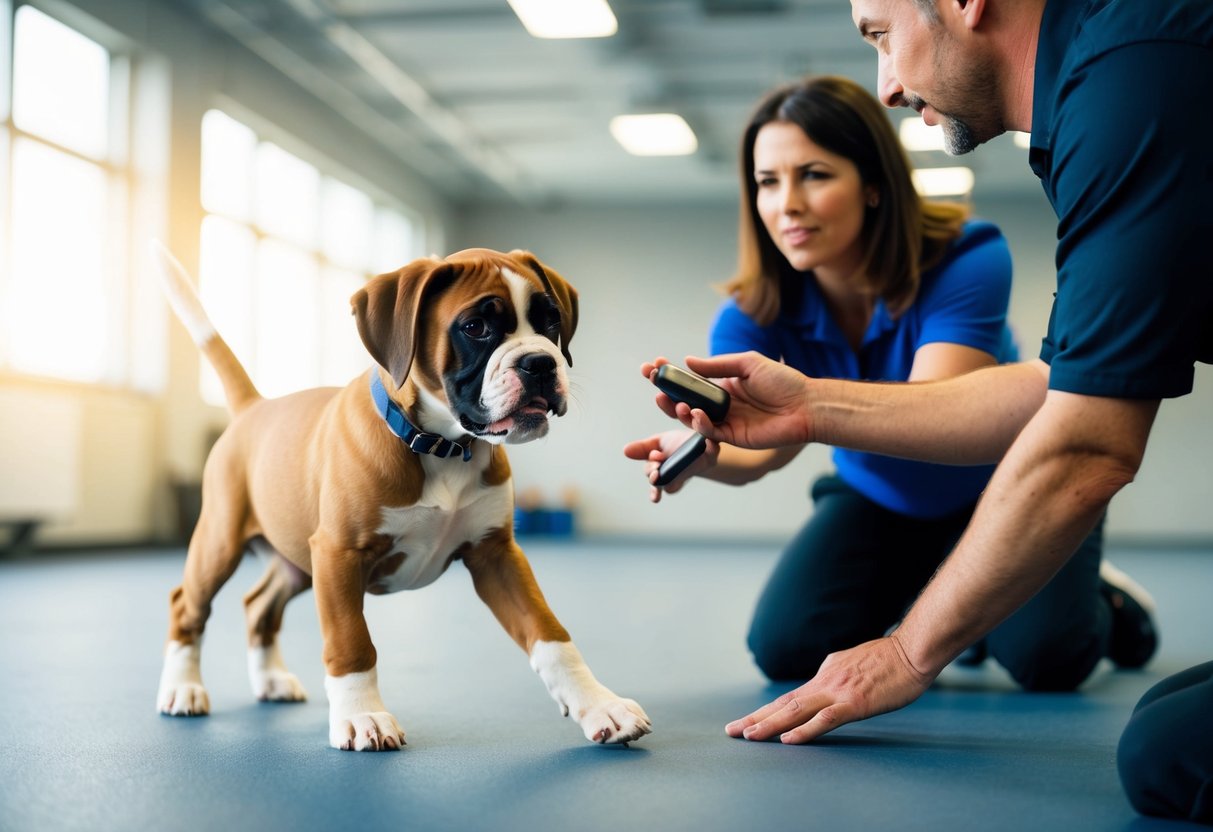
When you start training your boxer puppy, early steps are crucial for their development. Focus on training methods that enhance their natural traits. You will also need to pay attention to socialization and emotional well-being to ensure a well-rounded dog.
Importance of Early Training
Starting puppy training early is essential for boxers. These dogs are naturally energetic and playful. Early training helps channel that energy into positive behaviors. Begin when your puppy is around 7 weeks old.
Basic commands like “sit,” “stay,” and “come” are great to start with. Use positive reinforcement techniques, such as treats and praise. They respond well to rewards, making training enjoyable.
Establishing a routine is also important. Consistency helps your puppy learn faster. Incorporate short, fun training sessions to keep their attention. Lastly, stay patient and loving during training to build a strong bond.
Developing Socialization Skills
Socialization is key for boxer puppies. Introducing them to different environments, people, and other dogs helps them become well-adjusted adults. Start this process early, ideally before they turn 16 weeks old.
Take your puppy on walks and visit parks. Arrange playdates with other dogs to build their confidence. Always monitor interactions to ensure they are safe and positive.
Consider enrolling your puppy in training classes. These classes provide a controlled setting for socialization. Your puppy will learn important social skills while playing with other dogs. This creates a foundation for good behavior in the future.
Addressing Separation Anxiety
Boxer puppies can struggle with separation anxiety. This can happen if they become too attached to you. Training helps them feel secure when alone.
Start by leaving your puppy alone for short periods. Gradually increase this time as they become more comfortable. This helps them learn you will always return.
Provide engaging toys or puzzles to keep them occupied. You can also create a comfortable space with their bed and favorite items. If anxiety persists, consult with a trainer or vet for additional strategies. Early training and gradual adjustments can lead to a happier, more independent puppy.
Advanced Training and Behavior Management
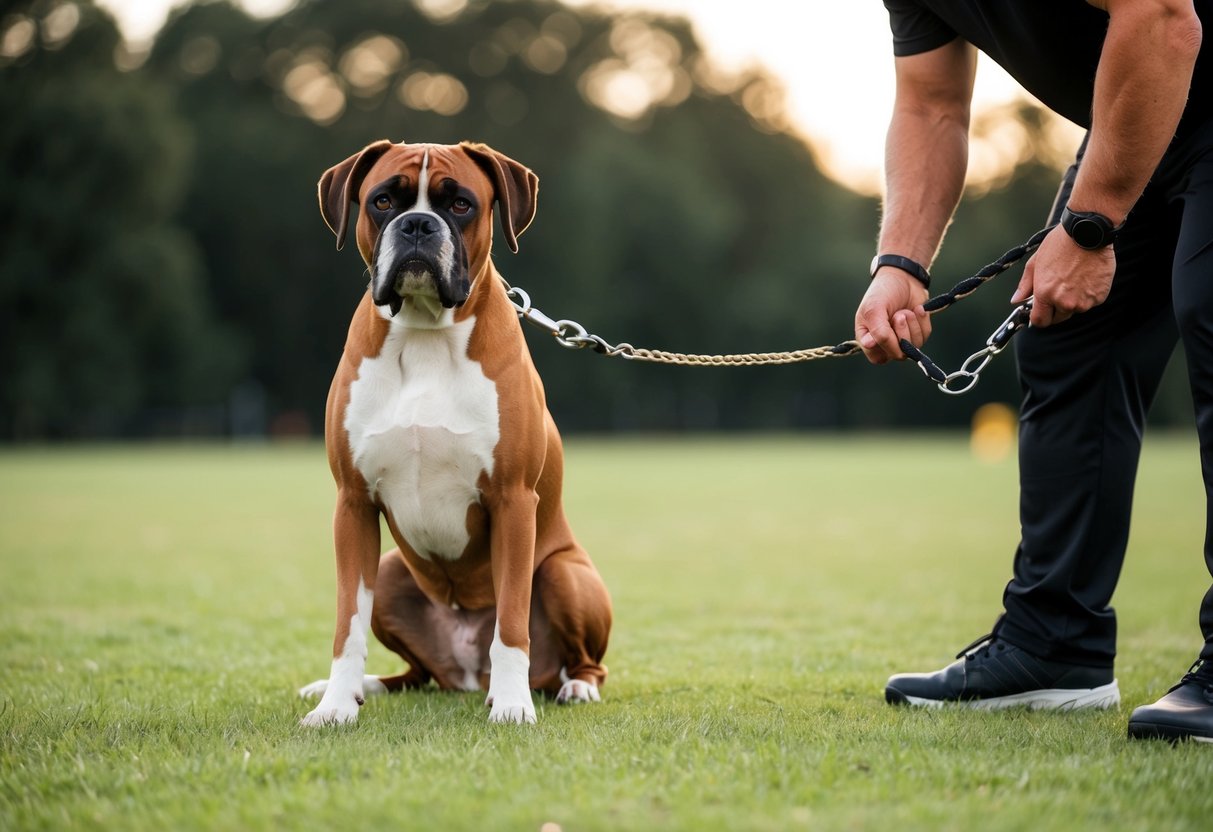
Training a Boxer goes beyond basic commands. It involves shaping their behavior and finding effective ways to manage their energy. A combination of skillful training methods and a good exercise routine can lead to a well-behaved companion.
Mastering Basic Obedience Commands
To start, focus on teaching basic obedience commands like sit, stay, and come. These commands lay the foundation for more advanced training. Use positive reinforcement methods. When your Boxer follows a command, reward them immediately with treats or praise. This makes learning enjoyable and motivates them to listen.
Make training sessions short and fun. Boxers have short attention spans, so keep sessions to about 5-10 minutes. Repeating commands in various environments can help your dog generalize their skills. As they master these commands, you’ll notice improved behavior at home and in public.
Shaping Good Behavior Through Rewards
Shaping behavior is essential in training a Boxer. Use positive reinforcement to encourage good actions. Instead of punishing unwanted behavior, focus on what you want them to do instead. For instance, if your dog jumps on guests, redirect them to sit calmly. Praise them when they comply.
Consistency is key. Establish a routine, and ensure everyone in your home uses the same commands and rewards. This prevents confusion. Using a clicker can be helpful for marking the behavior you want. Click at the moment they perform the desired action, then reward them.
Managing Boxer Energy with an Exercise Routine
Boxers are known for their high energy levels. Establishing a structured exercise routine is vital.
Daily walks or play sessions help burn off excess energy, reducing unwanted behaviors like chewing or barking. Aim for at least 30-60 minutes of exercise each day.
Incorporate mental stimulation, too. Puzzle toys and training games can engage their minds while still being active.
Finding a local dog park can provide socialization opportunities with other dogs, which is great for their behavioral development.


