
As a devoted Boxer dog owner, you may wonder when your furry friend starts to decline in their golden years. Boxer dogs typically begin to show signs of aging around the age of 7, though some may start slowing down earlier. It’s essential to recognize these changes to ensure your dog continues to enjoy a happy and comfortable life.

Understanding the aging process can help you feel more prepared for the challenges that come with it. Boxers often face health issues such as arthritis and heart problems, which can impact their quality of life. By knowing what to expect, you can provide them with the care and support they need as they age.
Staying alert to your Boxer’s needs is crucial for their well-being. Your love and attention can make a significant difference as they transition into this new stage of life.
Understanding the Boxer’s Lifespan

Boxer dogs are known for their playful nature and loyalty. Understanding their lifespan can help you provide better care for your furry friend throughout their life stages. Here are some details about their typical life expectancy and the factors that can influence how long they live.
Typical Life Expectancy of Boxer Dogs
The average lifespan of a Boxer dog ranges from 9 to 12 years. Many Boxers may experience health challenges as they age. Cancer is a leading cause of death in this breed, which can significantly affect their overall lifespan.
Typically, Boxers start to slow down around 8 to 9 years old. During this time, you may notice changes in their energy levels, joint health, and muscle mass. Regular check-ups with your vet can help catch issues early, ensuring your Boxer stays healthy for as long as possible.
Factors Influencing Boxer Longevity
Several factors can impact how long your Boxer lives. Responsible breeding practices are crucial. Breeders should screen for genetic conditions that can lead to health problems like heart issues and cancer.
Other important factors include diet and exercise. A balanced diet rich in nutrients helps maintain a healthy weight, while regular exercise keeps their muscles strong. Environmental factors, such as a safe living space, also play a key role in their quality of life. Keeping your Boxer mentally stimulated can reduce stress and promote a happy, longer life.
Health and Care Considerations in Aging Boxers
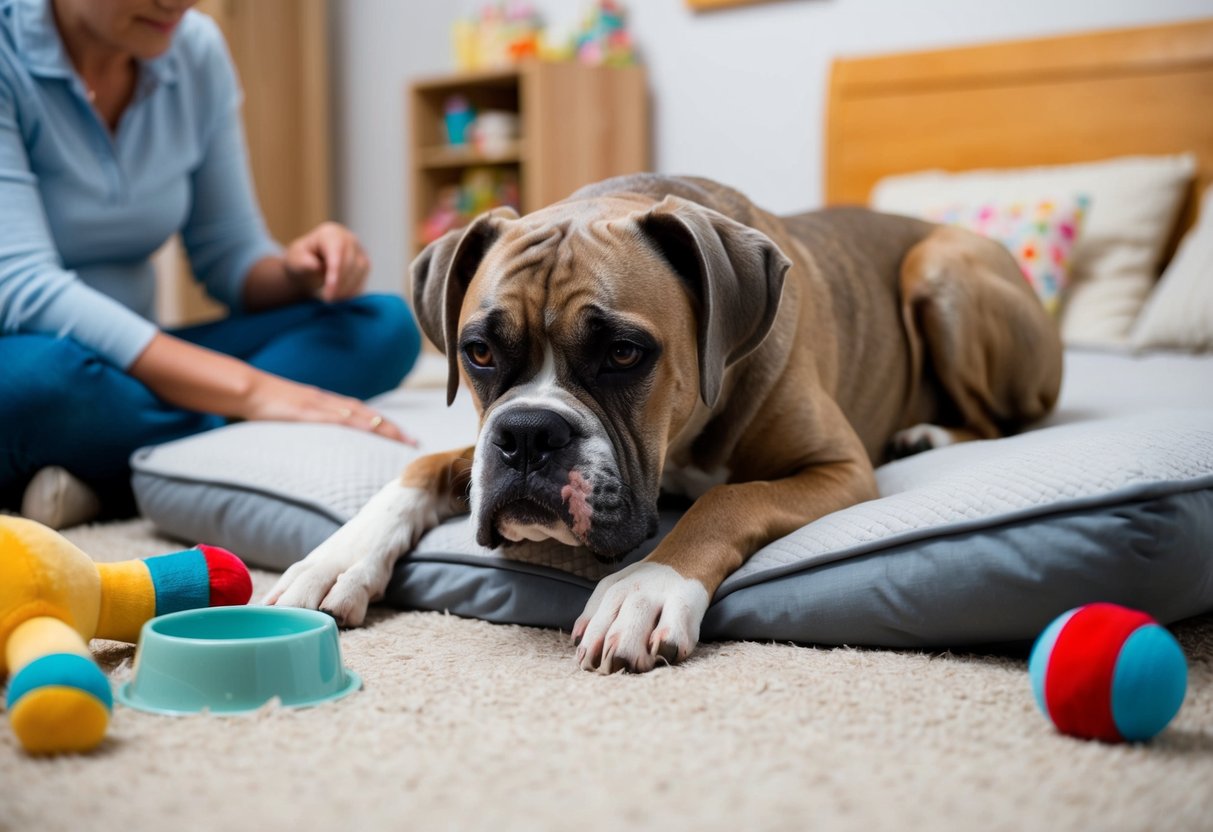
As your Boxer ages, it’s important to focus on their health and care needs. Common health issues can arise, and proper nutrition, exercise, and dental care are crucial for their well-being.
Common Health Concerns in Senior Boxer Dogs
Aging Boxers can face various health concerns. Some of the most common include arthritis, cancer, cardiomyopathy, and hip dysplasia.
Arthritis can make movement painful, reducing your dog’s activity level. Meanwhile, cancer is a risk due to the breed’s genetics, so regular vet visits are essential for early detection.
On the other hand, cardiomyopathy, a heart condition, affects many Boxers, especially as they age. Lastly, hip dysplasia often leads to joint problems. Watch for signs like limping or reluctance to jump.
Being aware of these issues can help you take proactive steps for your senior Boxer’s care.
The Importance of Nutrition and Exercise
Good nutrition is vital for your aging Boxer. They may need a specially formulated diet to support their joints and overall health. Look for dog food that contains:
- Omega-3 fatty acids for joint health.
- Antioxidants to boost their immune system.
- Proper protein levels to maintain muscle mass.
Exercise is also important but should be adjusted to their ability. Short walks and gentle play can keep them active without overexerting them. Aim for daily activity but pay attention to their energy levels.
Dental Care and Gum Disease Prevention
Dental care is often overlooked but crucial for your Boxer. Gum disease can lead to serious health issues. Regular dental check-ups are key. You can also:
- Brush your dog’s teeth regularly with dog-specific toothpaste.
- Provide dental chews designed to reduce plaque.
Look for signs of dental problems like bad breath or swollen gums. Keeping your Boxer’s teeth clean can help avoid complications that come with aging.
Behavioral and Daily Living Adjustments for Aging Boxers
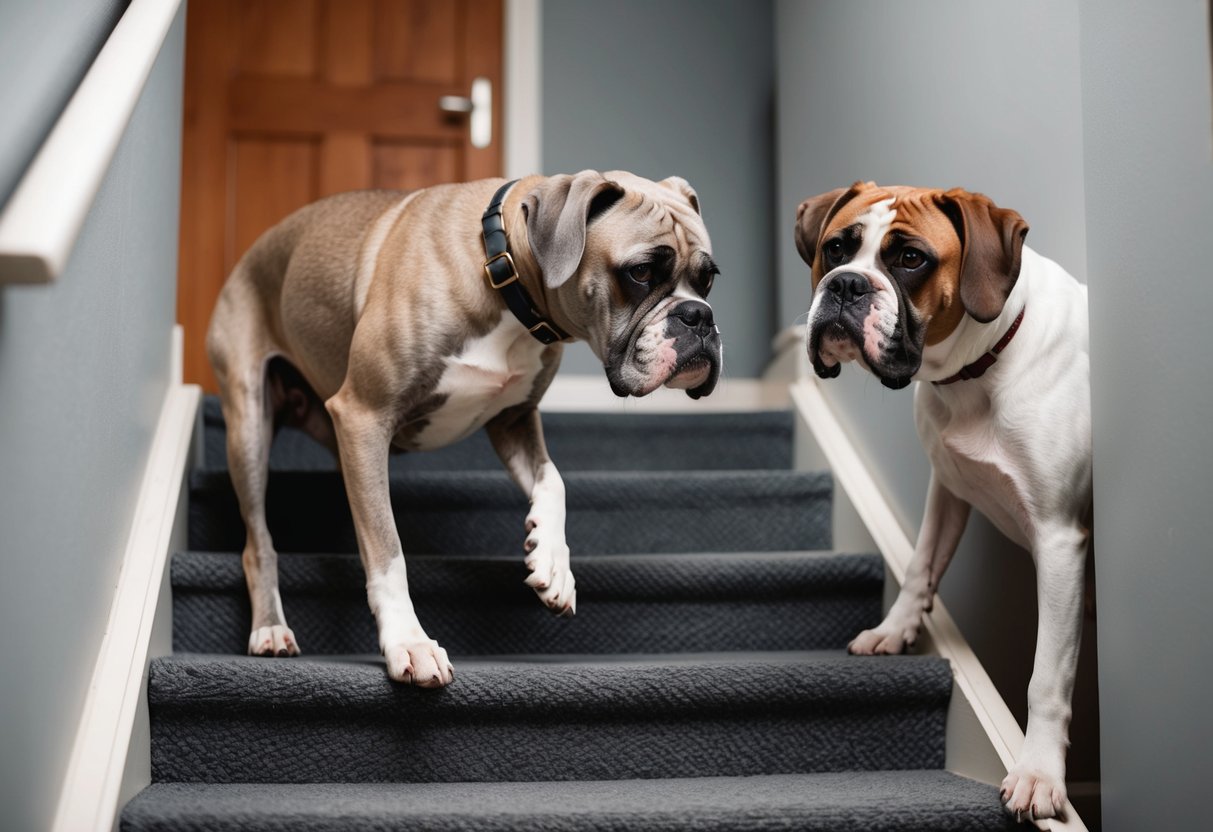
As your Boxer ages, you may notice changes in their behavior and daily routines. Making adjustments in your home and daily life can greatly help your dog live comfortably during their senior years.
Managing Incontinence and Mobility Issues
Incontinence can be a common issue in aging Boxers. This may happen due to weakened bladder control. To manage this, consider using waterproof bedding and doggy pads around your home.
Frequent bathroom breaks are essential, so make a schedule that allows your dog to go out often. This helps reduce accidents and keeps your pet more comfortable.
Mobility might also decline as your Boxer ages. You can help by providing non-slip rugs to make walking easier. If your dog has trouble with stairs, consider getting a pet ramp. Regular vet visits can monitor any joint pain or stiffness.
The Role of Companionship in a Boxer’s Senior Years
Companionship plays a significant role in the well-being of your aging Boxer. Dogs are social animals and benefit from spending time with you and other pets. This helps reduce feelings of loneliness and promotes healthy behavior.
Engaging your Boxer with gentle activities like short walks or interactive games can stimulate their mind and body. Consider scheduling playdates with other dogs, if possible, to keep your pet social.
Quality time with you is also vital. Cuddling or simply being near your Boxer can provide comfort and security. Consistent companionship can significantly improve your dog’s emotional health during their senior years.
Planning for the Future With Your Senior Boxer

As your Boxer ages, planning for their care becomes essential. You’ll want to keep their comfort and health in mind. Two important areas to consider are end-of-life care and whether spaying or neutering affects their aging process.
End-of-Life Care and Considerations
Preparing for your Boxer’s end-of-life journey is difficult, but it’s an important part of loving them. Consider their quality of life. Common signs that your dog may be near the end include loss of appetite, difficulty walking, and decreased interest in activities.
Discuss options with your veterinarian. They may recommend palliative care to keep your dog comfortable or discuss euthanasia if your Boxer suffers. Create a peaceful environment at home with familiar items.
Make choices that you believe will honor their spirit. Take time to say goodbye in your own way, and cherish the moments you have together.
Spaying or Neutering Impact on Aging Boxers
Spaying or neutering your Boxer can influence their health as they age. These procedures often reduce the risk of certain cancers and diseases.
For example, spaying female Boxers lowers the chance of uterine infections and breast tumors. Meanwhile, neutering male Boxers reduces the risk of testicular cancer.
However, some studies suggest that spaying or neutering at a young age might lead to joint issues or weight gain. It’s important to monitor your Boxer’s diet and exercise levels.
Talk to your vet about the best time to spay or neuter, based on your dog’s health and lifestyle. Making informed decisions ensures you provide the best care for your aging Boxer.


