
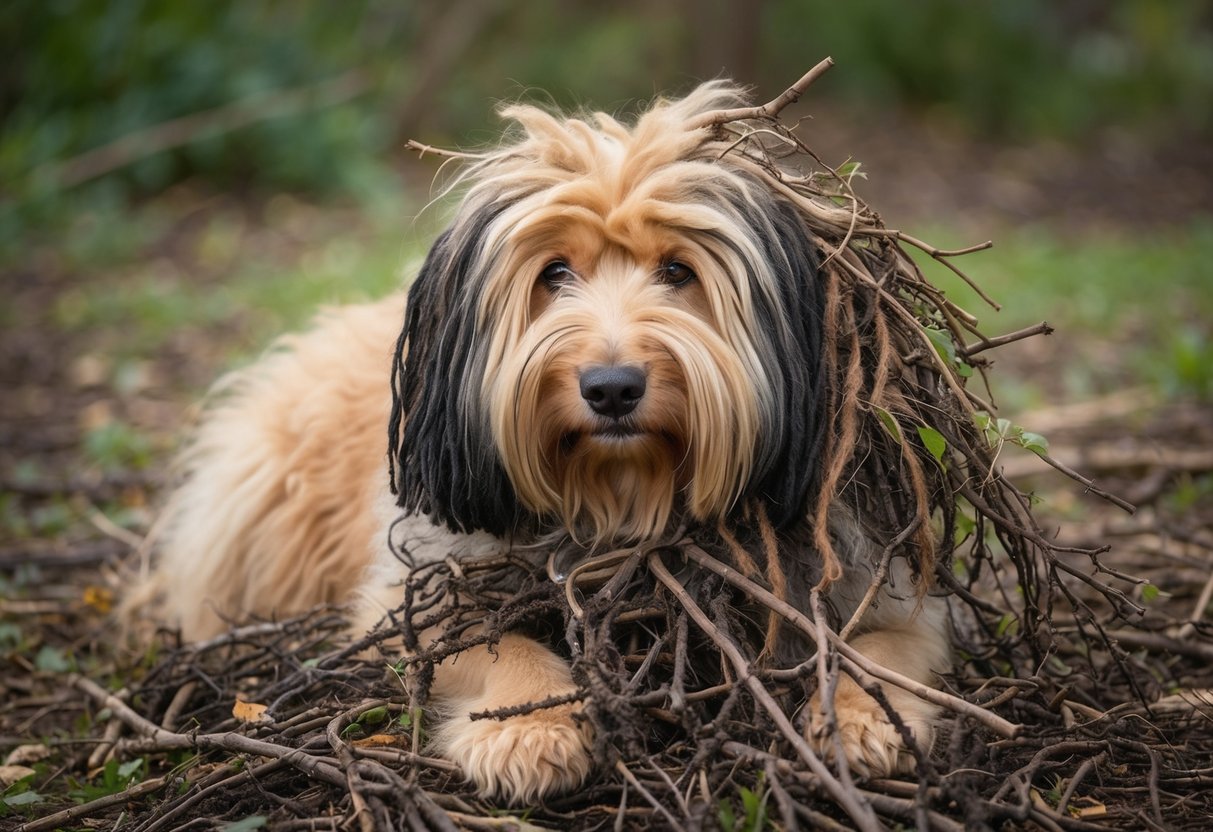
If you’re thinking about getting a dog, it’s important to consider which breeds might be more challenging to maintain. Some dogs need more exercise, grooming, or training than others. The Afghan Hound is often considered one of the hardest dogs to maintain due to its demanding grooming needs and strong-willed personality.
Understanding the time and effort required for different breeds can help you make a choice that fits your lifestyle. By choosing a breed that’s manageable for you, you’ll ensure a happy life for both you and your furry friend. Explore the characteristics of various breeds to find the one that suits your needs and preferences.
Understanding Dog Breeds and Trainability

When considering which dog breeds are the hardest to maintain, trainability plays a significant role. Certain breeds have characteristics that make them more challenging to train, which can impact their overall behavior and needs.
Dog Breeds with Notable Training Challenges
Some dog breeds are well-known for being difficult to train. Breeds like the Afghan Hound, Basenji, and Chow Chow are often listed among the hardest dogs to train. These breeds have strong independent natures, which can lead to stubbornness during training sessions.
- Afghan Hound: Known for its elegance, this breed can ignore commands due to its independent thinking.
- Basenji: Known as the “barkless dog,” this breed often acts on instinct, making training less effective.
- Chow Chow: They can be aloof and may not respond well to traditional training methods.
These independent traits mean patience and creative training methods are often needed.
Characteristics of Hard-to-Train Dogs
Hard-to-train dogs often share specific characteristics that affect their trainability. Many of these breeds have a high prey drive and can get easily distracted. This prey drive can lead to behavior issues if not managed properly.
Other traits include:
- Strong will: These dogs may resist commands, requiring consistent training.
- Low motivation for rewards: Some breeds may not respond to treats or praise, making positive reinforcement less effective.
Understanding these characteristics can help you develop effective training strategies. Knowing that some breeds require extra time and patience is crucial for successful dog ownership.
Specific Dog Breed Maintenance Challenges
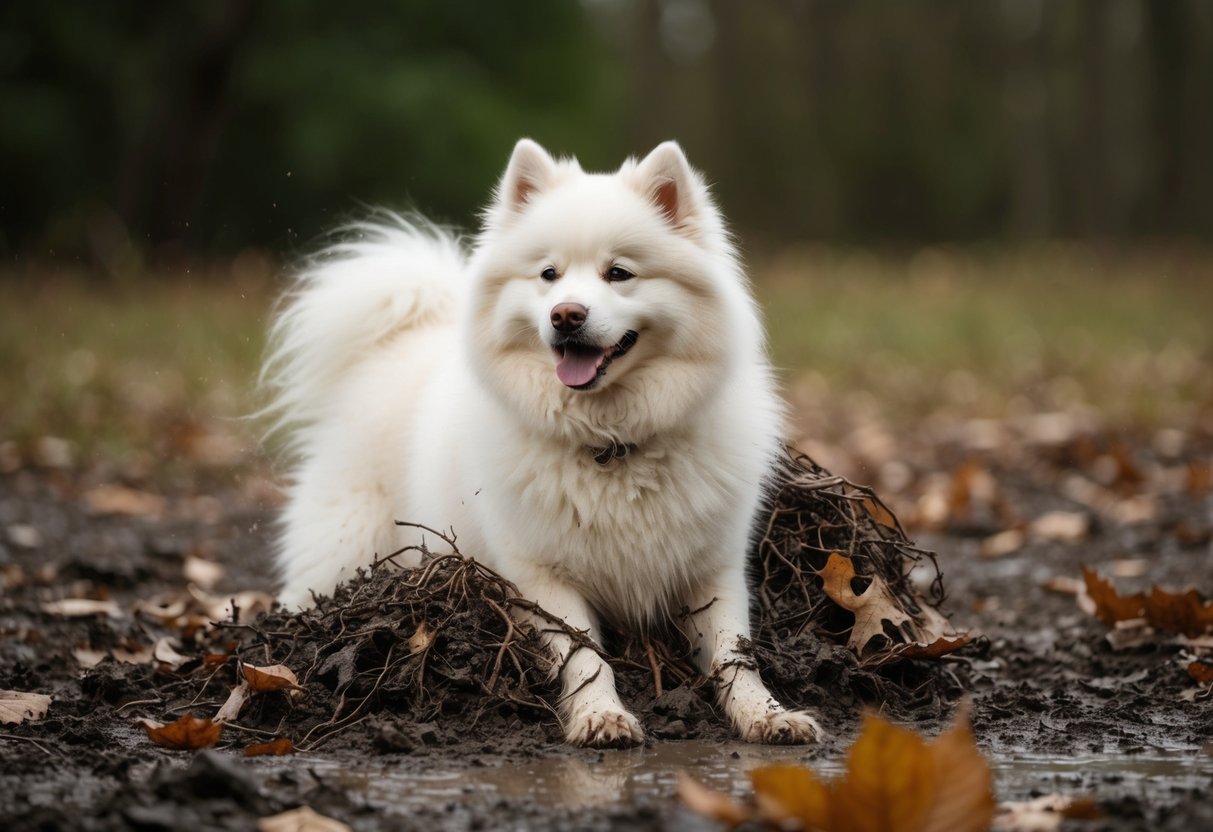
Maintaining a dog can be quite a task, especially with certain breeds that have unique needs. Understanding these challenges will help you choose a dog that fits your lifestyle and expectations.
High-Energy Breeds and Exercise Needs
Certain breeds, like the Border Collie, Australian Shepherd, and Siberian Husky, require a lot of exercise. These dogs thrive on physical activity and mental stimulation. A few hours of daily exercise is crucial for their happiness.
For instance, Border Collies and Australian Shepherds need activities like agility training or herding to stay engaged. On the other hand, Siberian Huskies benefit from running and playing in open spaces. Neglecting their exercise needs can lead to destructive behaviors.
Coat Care and Grooming for Challenging Breeds
Some breeds have coats that need regular grooming to keep them healthy. The Afghan Hound, Chow Chow, and Great Pyrenees are known for their beautiful but high-maintenance fur.
The Afghan Hound has long hair that requires daily brushing to prevent mats. Chow Chows have thick double coats that shed heavily and need regular grooming. Great Pyrenees have water-repellent coats that also require consistent attention to keep them clean and healthy.
On the other hand, breeds like Bulldogs and Basset Hounds need less grooming but can have skin issues. Regular check-ups and baths can help keep their skin healthy.
Dietary Considerations and Health Issues
Diet is another important aspect of dog maintenance. Breeds like the Saint Bernard and Malamute may face specific health challenges, including obesity. You must monitor their food intake and provide a balanced diet to keep them healthy.
Greyhounds are prone to certain health issues due to their slim bodies, so you’ll want to choose a specialized diet. Similarly, Bloodhounds and Dachshunds can have dietary sensitivities that require careful management.
Training Techniques for Successful Dog Maintenance
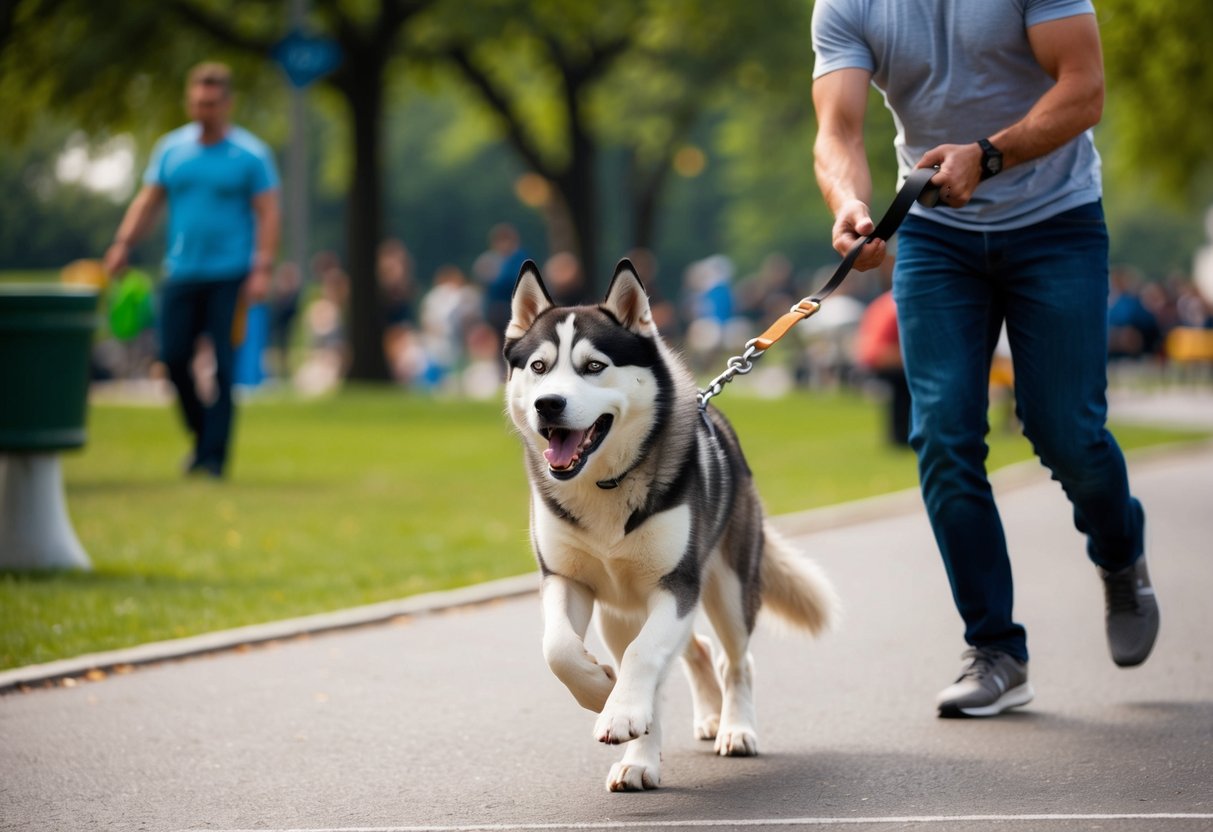
Maintaining a dog can be challenging, especially when it comes to training. Effective techniques can help you overcome common issues like separation anxiety and behavioral challenges. Here’s a closer look at essential training methods for a well-adjusted pet.
Implementing Obedience Training
Obedience training is crucial for all dogs, and it helps build a strong bond between you and your pet. Start with basic commands like “sit,” “stay,” and “come.” Use short, consistent sessions to keep your dog engaged.
Be patient and repeat commands often. This helps reinforce learning. Always praise your dog immediately after they respond correctly. Consistency is key, so practice daily. If your dog struggles, consider a canine behavioral assessment to identify specific training challenges.
The Role of Socialization in Training
Socialization is a critical part of your dog’s training. It helps your pet become comfortable in different environments.
To socialize your dog, expose them to various people, places, and other animals. This reduces fear and aggression.
Begin socialization early, ideally during puppyhood. Attend puppy classes, visits to parks, or playdates with other dogs. A well-socialized dog is more adaptable and less prone to separation anxiety. Remember, it’s all about gradual exposure.
Positive Reinforcement and Reward-Based Training
Positive reinforcement is one of the most effective training techniques. This method involves rewarding your dog for good behavior instead of punishing them for mistakes. Use treats, praise, or toys as incentives.
Make sure the rewards are immediate and meaningful to your dog. This encourages them to repeat the desired behavior.
Keep in mind that every dog is different; some may respond better to verbal praise, while others prefer treats. Consistent rewards build trust and a positive attitude toward training.
Addressing Behavioral Issues and Prevention
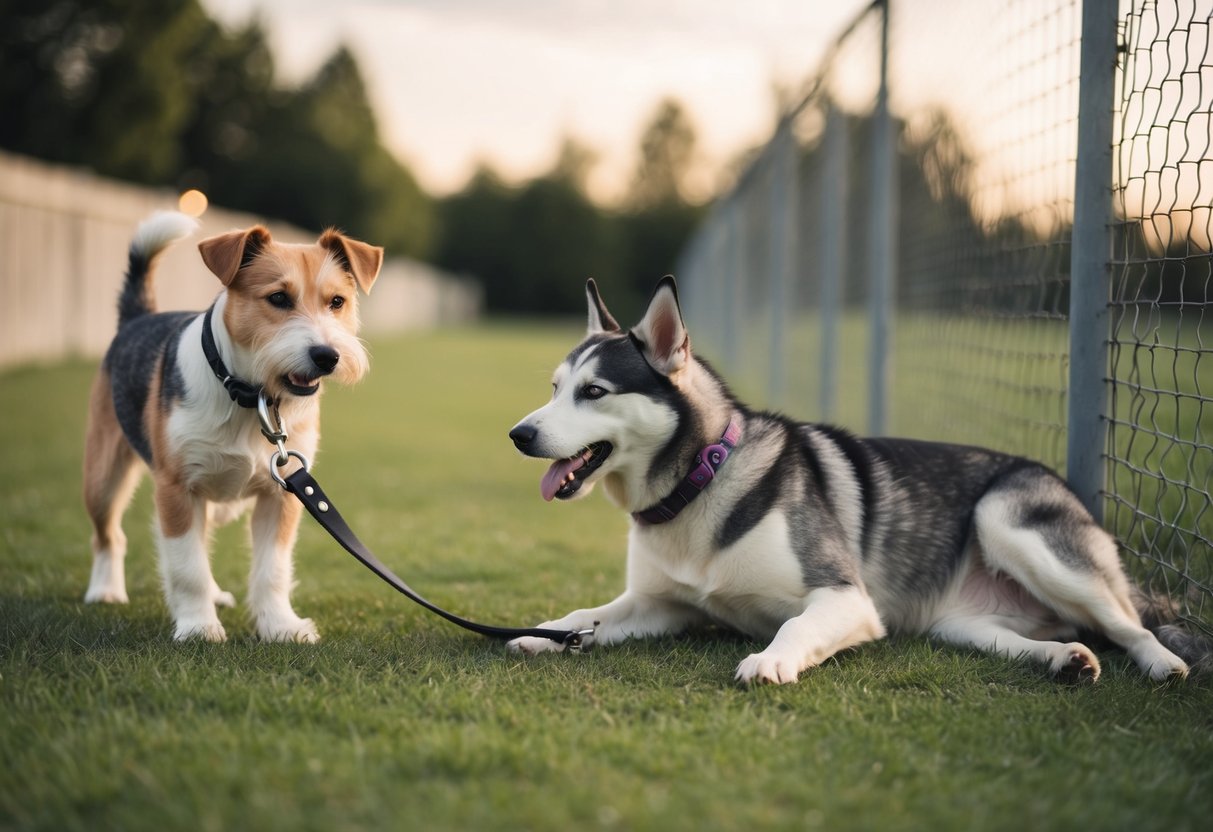
Understanding and managing behavioral issues in dogs is vital for a happy and healthy pet ownership experience. You can prevent many problems with the right training and environment, particularly focusing on issues like separation anxiety and high prey drive.
Dealing with Separation Anxiety
Separation anxiety can be a challenge for many dogs, causing them to bark, chew, or act out when left alone. Recognizing the signs early is important. Some dogs may whine or shake; others might destroy furniture.
To help your dog, start by creating a safe space with their favorite toys and a comfy bed. Gradually accustom them to your absence by leaving for short periods and extending the time as they adjust.
You can also try positive reinforcement by rewarding them with treats for calm behavior.
Consider interactive toys that stimulate your dog mentally while you’re away. Regular exercise is crucial too, as a tired dog is less likely to act out. If these strategies don’t work, consulting a canine behaviorist can provide a tailored approach for your dog’s needs.
Preventing and Managing High Prey Drive
Dogs with a high prey drive can be challenging because they may chase small animals, cars, or even people. Recognizing this behavior early can prevent potential accidents.
Training starts with early socialization, exposing your dog to different environments and animals. Use a leash and practice commands like “leave it” to redirect their focus. Consistent training is key.
Engaging in activities such as agility training or obedience challenges can also provide an outlet for their energy and focus. Keeping them mentally and physically active decreases the likelihood of chasing instincts taking over. Regular assessments of your dog’s behavior will help you adapt your training techniques as needed.


