
Boxer dogs are known for their lively and affectionate nature, but their tendency to whine can be quite a challenge. If your Boxer is whining frequently, it may be an expression of excitement, anxiety, or a desire for attention.
To effectively reduce your dog’s whining, you should focus on positive reinforcement training, providing mental stimulation, and ensuring they get enough exercise.
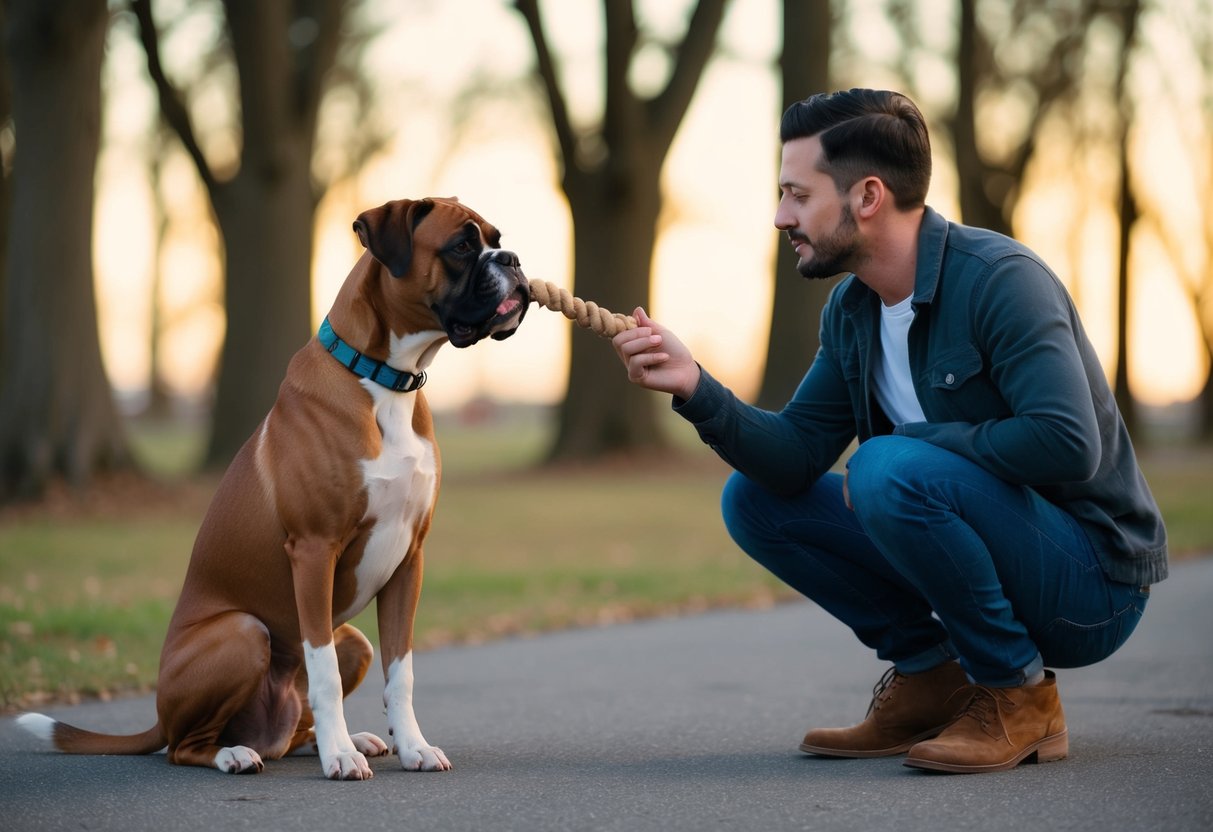
Understanding why your Boxer is whining is key to addressing the behavior. Dogs often whine when they feel restless or need something, like food or playtime. By identifying the root cause, you can better respond to their needs and teach them more appropriate ways to communicate.
In this article, you will discover practical tips and strategies to help your Boxer dog stop whining. With patience and consistency, you can create a calmer environment for both you and your furry friend.
Understanding Dog Whining Behavior

Dogs communicate in various ways, and whining is one of the most common. Understanding why your Boxer is whining can help you address the issue effectively. Let’s look at some specific reasons for this behavior.
Identifying Reasons for Whining
Whining in dogs, especially Boxers, can stem from different emotions or needs. Here are some common reasons your dog might whine:
- Attention Seeking: Your Boxer may want your attention, especially if they see you busy doing something else.
- Anxiety or Stress: Changes in the environment, such as new surroundings or loud noises, can trigger anxiety in your dog.
- Boredom: Lack of exercise or stimulation can lead to excessive whining. Boxers are energetic and need regular activity.
- Desire to Go Out: If your dog needs to go outside to relieve themselves, they may whine to get your attention.
Being aware of these triggers can help you respond appropriately.
Expressing Pain or Discomfort
Sometimes, whining is a signal that something is wrong. Your Boxer may be expressing pain or discomfort due to various reasons. Watch for additional signs like:
- Changes in Appetite: Not eating or drinking like usual might indicate a problem.
- Limping or Favoring a Leg: This could point to an injury or pain in their limbs.
- Excessive Licking: This behavior can signal discomfort in certain areas.
If you suspect an underlying medical issue, consult your veterinarian for proper evaluation. Addressing pain or discomfort promptly is essential for your dog’s well-being.
Creating a Comfortable Environment

Making your boxer’s home comfortable is key to reducing whining. By creating a safe space and providing interactive toys, you can help your dog feel more secure and entertained. This environment can make a big difference in your dog’s behavior.
Designating a Safe Space
You should set up a special area in your home where your boxer can feel safe. This space should be cozy and away from loud noises or distractions. Use a comfy bed, some soft blankets, and a few favorite toys to make it feel inviting.
Consider adding a crate as a safe retreat if your dog is crate trained. Ensure it has enough space for your dog to stand up and turn around. Make this area personal with familiar items. This helps your dog settle down when feeling anxious or overwhelmed.
Using Interactive Toys
Interactive toys are a great way to keep your boxer mentally stimulated. Toys that squeak, puzzle toys, or treat dispensers can make playtime more engaging. These toys can help distract your dog and reduce whining by keeping them entertained.
Take time to choose toys that stimulate both their mind and body. You might also rotate toys regularly to keep them fresh and interesting. This variety will encourage play and reduce boredom, which often leads to whining. Engaging your boxer this way not only helps with their happiness but also strengthens your bond.
Training Techniques to Reduce Whining
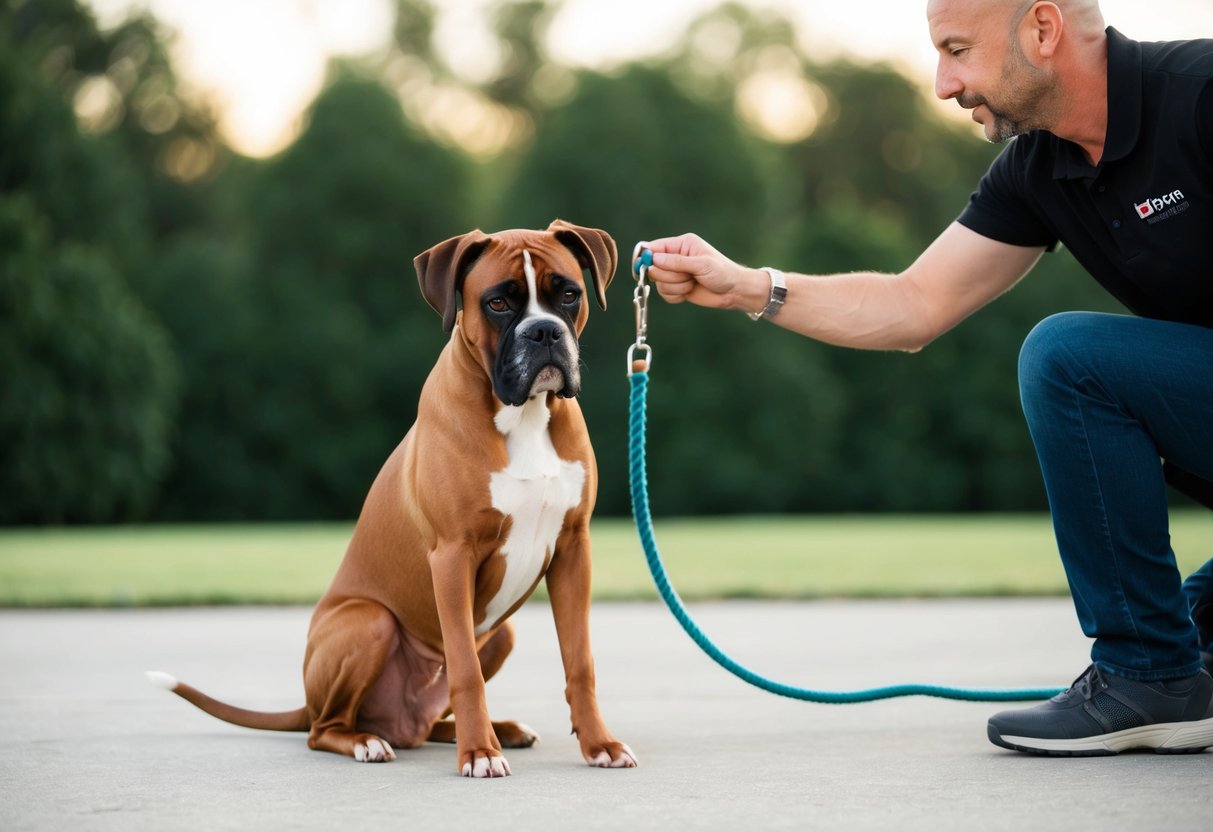
Training your boxer dog to stop whining involves effective techniques that focus on positive reinforcement and possibly seeking professional help. These methods can help create a calmer environment for both you and your dog.
Implementing Positive Reinforcement
Positive reinforcement is a proven way to teach your dog desired behaviors. It means rewarding your dog when they are calm and quiet.
- Timing is key. As soon as your dog stops whining, give them a treat or praise them. This will help them connect silence with positive outcomes.
- Use high-value rewards. Treats that your dog loves work best. This can make them more eager to be quiet.
Make sure to be consistent. If your dog whines, ignore them. Do not reward whining with attention. Your boxer will learn that being quiet gets them what they want.
Professional Training and Advice
Sometimes, seeking professional help can enhance your training efforts. A dog trainer can offer valuable insights and personalized strategies.
- Group classes can be helpful. They provide socialization opportunities and teach commands that may reduce anxiety.
- Private sessions might be best for specific issues like whining.
Trainers may use techniques that you can replicate at home. Always choose a trainer who uses positive methods. This ensures your dog feels safe and learns in a positive environment. Consider reaching out for professional advice if your dog’s whining becomes difficult to manage.
Addressing Separation Anxiety
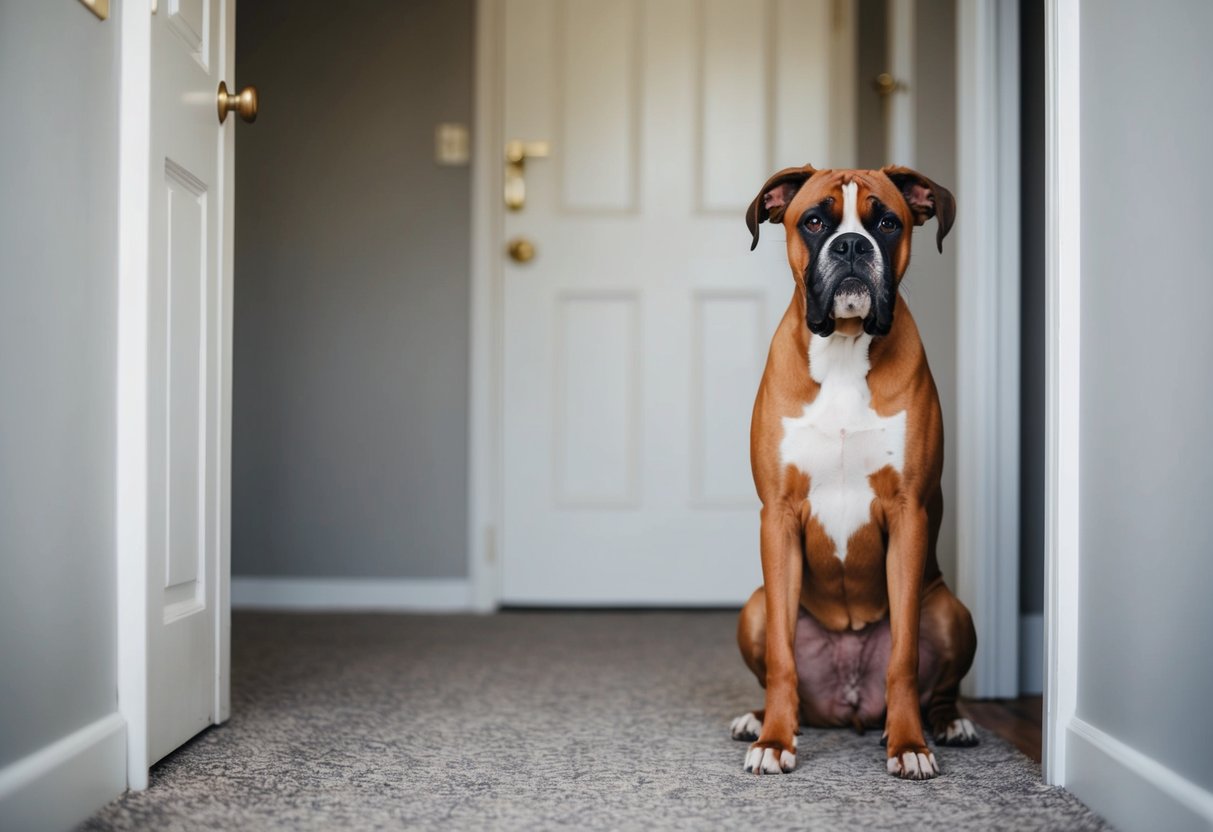
If your boxer is whining a lot when left alone, they may be experiencing separation anxiety. This is a common issue for dogs, especially those that are very attached to their owners. Here are some tips to help you address this problem.
1. Create a Safe Space
Designate a comfortable area for your dog. Make it cozy with their bed, toys, and a piece of your clothing. This can help them feel more secure.
2. Practice Short Departures
Start leaving your dog alone for short periods. Gradually increase the time as they get used to being alone. This helps them understand that you will come back.
3. Use Positive Reinforcement
When your dog stays calm during your departures, reward them with treats or praise. This encourages good behavior and helps reduce excessive whining.
4. Keep Departures Low-Key
Don’t make a big fuss when you leave. Keep it calm and simple. This can help your dog feel less anxious about your leaving.
5. Ensure Plenty of Exercise
Make sure your boxer gets plenty of physical activity. A tired dog is less likely to whine out of boredom or anxiety. Regular walks and playtime can make a big difference.


