
Boxer dogs are known for their playful nature and loyal companionship. You might wonder, “Are boxer dogs biters?” Generally, boxers are not aggressive biters, especially when they are well-trained and socialized from a young age. Their strong jaws and playful behavior can lead to hard bites, but this is often more about their exuberance than aggression.

Understanding your boxer’s behavior is key. With the right training and positive interactions, they can be loving pets that don’t display biting tendencies. Many boxers use their mouths for playing rather than biting, so knowing how to manage their energy can help you enjoy a safe and happy relationship with your furry friend.
As you read on, you’ll discover tips on training and socializing your boxer to minimize any unwanted biting behaviors while maximizing their joyful personality.
Understanding Boxer Dogs

Boxer dogs are known for their unique mix of strength and playfulness. Understanding their physical traits, temperament, and energy levels can help you decide if this breed is suitable for your home.
Anatomy of a Boxer Dog
The boxer is a muscular dog breed with a strong build. Males typically weigh between 65 to 80 pounds, while females are slightly smaller, weighing 50 to 65 pounds.
They have a distinctive square-shaped muzzle and a powerful jaw. Their short coat is usually brindle or fawn, with white markings. Boxers are known for their bright, expressive eyes and athletic stance, which reflect their agility and strength.
This breed is medium to large-sized and is known for its athleticism. Their strong legs allow for quick movements, making them great companions for active families.
Boxer Temperament and Protective Instincts
Boxers are friendly and affectionate, making them excellent family pets. They are naturally protective, often bonding closely with their families. This strong loyalty means they can act as effective guard dogs.
They tend to be wary of strangers, which is a common trait in breeds with protective instincts. Early socialization is key to helping your boxer feel more comfortable around new people and animals.
Maintaining a balance between their affectionate nature and protective instincts requires guidance and training. With proper care and direction, you will have a loving and dependable companion.
Intelligence and Energy Levels
Boxers are highly intelligent dogs, making them easy to train. Their quick learning ability allows them to pick up commands and tricks efficiently. However, they thrive on mental stimulation and physical activity.
These dogs have high energy levels and need regular exercise to stay healthy and happy. Daily walks, play sessions, or trips to the dog park can help them burn off excess energy.
Engaging their minds is just as important as physical activity. Puzzle toys or obedience training can keep their brains active. Ensuring they are both mentally and physically stimulated fosters a well-behaved pet.
Training and Behavior
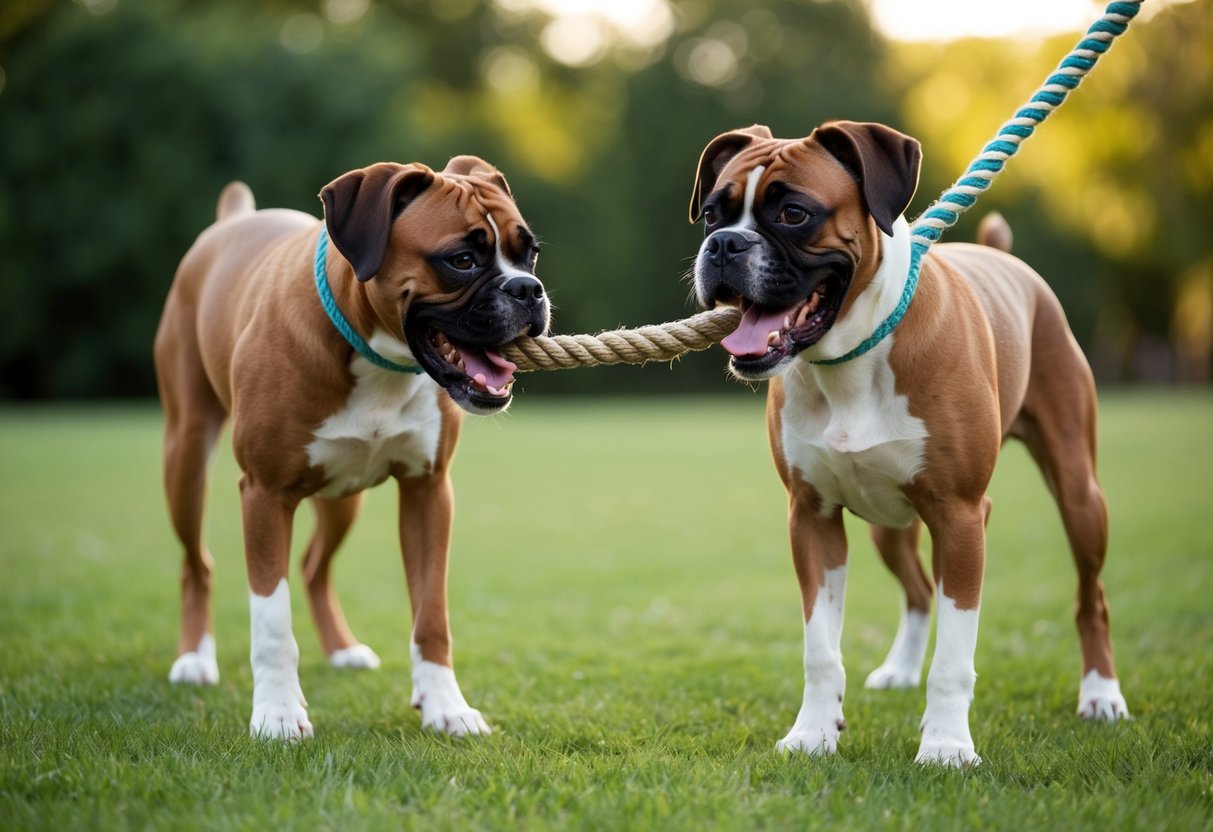
When it comes to managing a Boxer’s behavior, training and socialization play crucial roles. Understanding how to use positive reinforcement and teaching bite inhibition can make a big difference in their interaction with people and other animals.
Training and Socialization
Training begins early for Boxer dogs. Start socializing your pup as soon as you can. Introduce them to various people, pets, and environments. This helps your Boxer learn how to behave in different situations.
A well-socialized Boxer is less likely to develop fear-based aggression, which can lead to biting. Make training a fun and engaging experience. Use short sessions, about 5-10 minutes, and gradually introduce new challenges. Consistency is key, so practice regularly to reinforce their good behavior.
Positive Reinforcement Techniques
Using positive reinforcement is essential in training your Boxer. This involves rewarding your dog for good behavior rather than punishing them for mistakes. Treats, praise, and playtime are effective rewards that reinforce desired actions.
When your Boxer follows commands or plays nicely, reward them immediately. This helps them make connections between their actions and the reward. Avoid harsh training methods, as they can lead to fear or anxiety, increasing the chance of biting.
Keep training sessions fun and engaging by making games out of commands. Teaching commands like “sit,” “stay,” and “leave it” can be especially beneficial in stopping unwanted behaviors.
Bite Inhibition
Bite inhibition is an important skill for every Boxer to learn. This concept teaches dogs how to control their bite strength.
Begin this training by allowing your puppy to mouth your hand during play. If they bite too hard, let out a small yelp and stop the play session for a moment.
This reaction mimics how their littermates would respond and helps your Boxer understand that hard bites are unacceptable. Be sure to redirect their energy into toys or chew items when they start using their mouth too much.
Continue practicing bite inhibition consistently, paired with positive reinforcement. Over time, your Boxer will learn to be gentle when interacting with humans and other dogs.
Biting: Facts and Myths

Understanding the biting behavior of Boxer dogs involves looking at various factors, including their bite force and common misunderstandings. Let’s explore how Boxers compare with other breeds and the difference between nipping and play biting.
Biting Behavior in Boxers
Boxer dogs are known for their playful and friendly nature. While they have strong jaw muscles, their biting behavior is not as aggressive as some believe. Boxers may show their teeth during excitement or play, but this does not mean they will bite hard.
With a bite force estimated at around 230 pounds per square inch (psi), Boxers have a decent grip but are generally not known to be aggressive biters. Understanding your Boxer’s background, upbringing, and training is vital. Proper socialization can help reduce any unwanted biting behavior.
Comparing Bite Force With Other Breeds
When you compare the bite force of a Boxer with other breeds, you’ll see some interesting differences. For instance, a Kangal is renowned for having one of the strongest bites, reaching up to 743 psi.
In contrast, a Rottweiler has a bite force around 328 psi, while a German Shepherd comes in at about 238 psi.
While Boxers have strong bite strength, they are often more affectionate rather than aggressive. Their bite force is notable, but social behavior plays a larger role in how they interact with people and other pets, like Labrador Retrievers or even Cane Corsos.
Nipping Versus Play Biting
Nipping is a common behavior in many dogs, including Boxers. This is often seen in puppies as they explore their world. Nipping can happen during playtime or when they are excited. It’s essential to guide your Boxer to avoid nipping, as it may become a learned habit.
On the other hand, play biting is different. Boxers are known to engage in this type of playful behavior when they are having fun. This type of biting is generally gentle and part of their interactive nature. You can encourage safe play by redirecting their focus to toys instead of hands or clothing, helping them learn appropriate behaviors early on.
Understanding these aspects can help you provide a safer and more enjoyable environment for you and your Boxer.
Preventing and Managing Biting
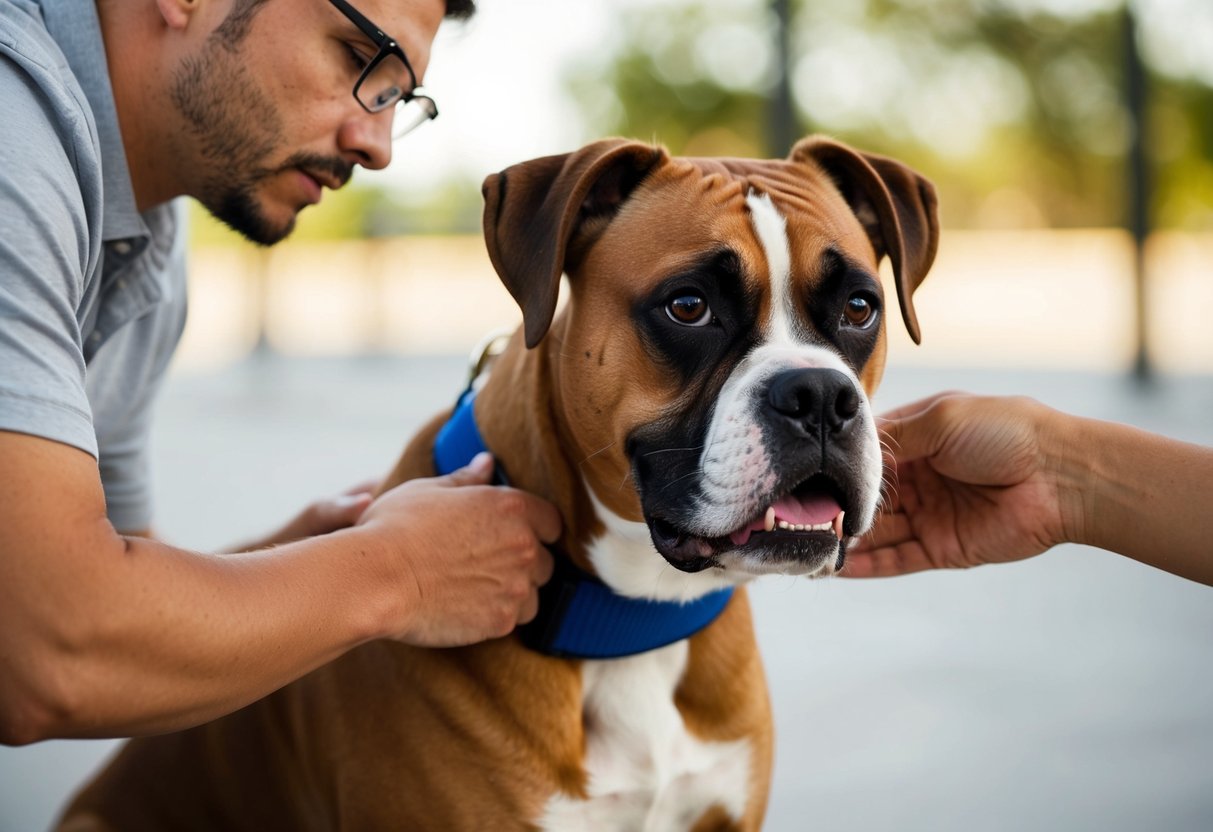
Managing your Boxer’s biting behavior is essential for a happy home. By addressing behavioral issues thoughtfully and understanding the challenges of teething and anxiety, you can help your dog learn appropriate behaviors.
Addressing Behavioral Issues
To reduce biting, start with training your Boxer early. Positive reinforcement works well. Reward your dog with treats or praise when they play gently.
Key training tips:
- Use clear commands like “no” or “stop” to discourage biting.
- Redirect their attention with toys.
Socializing your Boxer also helps. Expose them to various environments, people, and other dogs. This reduces fear and encourages proper interactions.
If biting persists, consult a professional trainer. Seek help sooner rather than later. Addressing behavioral issues early can prevent deeper problems down the road.
Dealing With Teething and Anxiety
Boxers, especially puppies, can bite due to teething. Soothe their sore gums by providing appropriate chew toys. Look for toys designed for teething; they can make a big difference.
Consider these ideas:
- Freeze toys for added relief.
- Rotate toys to keep them interesting.
Teething isn’t the only cause of biting, though. Separation anxiety can also lead to this behavior. If your Boxer shows signs of distress when left alone, gradually acclimate them to being alone. Start with short periods and increase the time slowly.
Create a cozy space with their favorite toys and blankets. This makes the experience less stressful. If anxiety continues, speak with a vet or trainer for more strategies tailored to your Boxer.


