
Boxers are known for their playful energy and loving nature, making them a popular choice for many families. Their affectionate temperament and loyalty to their owners make them excellent house dogs. If you’re considering adding a Boxer to your home, you may wonder about their suitability for indoor living.

These dogs thrive on interaction and companionship, often forming strong bonds with family members. Their high energy levels mean they need regular exercise and mental stimulation, which makes them great for active households. Boxers enjoy being part of the family and can adapt well to house life when given proper training and attention.
Understanding Boxers as a Breed

Boxers are a unique breed with a rich history and distinct characteristics. Their playful nature and intelligence make them popular pets for families. Understanding their background, physical traits, and behavior will help you decide if a Boxer is the right fit for your home.
The History of Boxer Dogs
Boxers originated in Germany in the late 19th century. Their ancestors include the Bullenbeisser, a hunting dog used to catch large game. The breed was then refined to create a dog with a friendly disposition and protective instincts. Boxers were used for various jobs, from working dogs to companions. Their working history has contributed to their intelligence and ability to learn quickly.
Characteristics of Boxers
Boxers are medium-sized dogs, typically standing 21 to 25 inches tall and weighing between 55 and 70 pounds. They have a strong, muscular build with a short coat that can be fawn or brindle in color. Their square muzzle and distinctive underbite add to their charm. Boxers are energetic dogs that require regular exercise to stay healthy and happy. This breed is known for being both loyal and playful, making them great family companions.
Boxer Temperament and Behavior
Boxers are known for their friendly and energetic temperament. They are intelligent and curious, often requiring mental stimulation to prevent boredom. Boxers thrive in active households where they can play and engage with their families. They are great with kids and often act as protective guardians. With proper training and socialization, Boxers can adapt well to various environments, making them suitable house pets. Regular interaction and activities will help your Boxer develop into a well-rounded companion.
The Pros and Cons of Boxers as House Dogs
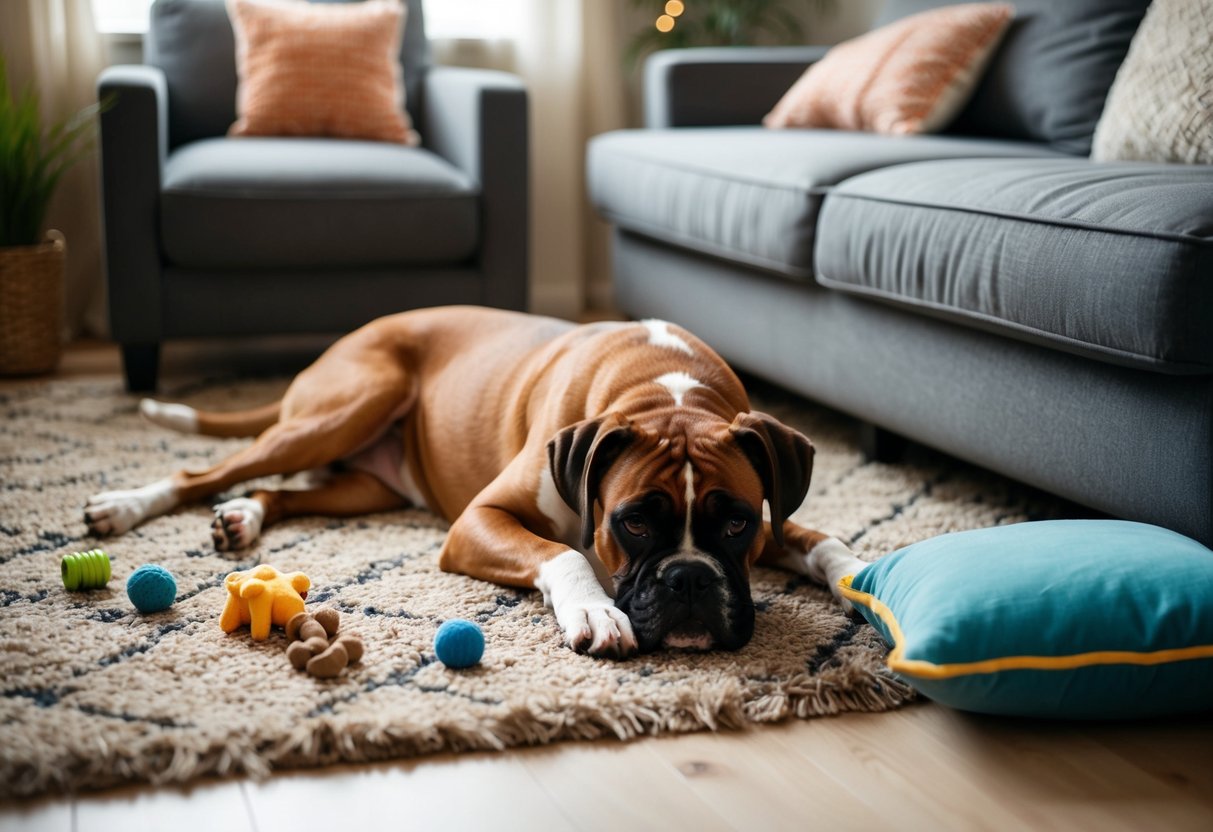
Boxers can be great companions in a home, offering protection, loyalty, and playful energy. However, it’s important to consider both their positive traits and potential health issues to ensure they fit well into your family life.
Living with a Boxer
Living with a Boxer means you’ll have an energetic, playful friend. These dogs are known for their familial loyalty and can be adorable family companions. They are typically good with kids, making them fun additions to any active home.
Their protective instincts ensure that they look out for your family, which can be comforting. Boxers love to exercise, so you’ll need to keep up with daily walks or playtime to keep them happy. They thrive on interaction, so sharing time with you is important for their well-being.
Despite their playful nature, be prepared for shedding, which can be moderate. Regular grooming, like brushing, can help manage this. Boxers also need mental stimulation to stay sharp and avoid boredom.
Boxer Health Concerns
Like all breeds, Boxers have some health concerns to keep in mind. They may be prone to certain heart problems and other genetically linked health issues. Keeping an eye on your dog’s health with regular vet visits is a smart move.
Boxers are generally healthy but can develop conditions like hip dysplasia or certain cancers. Their energetic lifestyle can lead to injuries if not properly managed.
It’s also important to know that they are considered high-energy dogs, needing plenty of exercise. If not given enough activity, they may become restless or develop behavioral issues. Keeping them active helps reduce risks and ensures their long-term happiness.
Training and Caring for Your Boxer

Caring for your Boxer involves effective training and proper nutrition. Focus on positive reinforcement and adequate exercise to keep them healthy and happy. Below are some key aspects of training and caring for your Boxer.
Effective Training Techniques
When training your Boxer, start with basic obedience commands. Use positive reinforcement methods such as treats and praise. Boxers are intelligent and learn quickly, but they can also show stubbornness at times. Stay patient and consistent to encourage good behavior.
Incorporate agility training to keep your Boxer engaged. This not only teaches commands but also helps to strengthen your bond. Remember that Boxers thrive on human interaction, so make training a fun activity. Regular practice can help reduce energy levels at home.
Exercise and Nutrition
A well-balanced diet is key to your Boxer’s health. Invest in high-quality dog food that meets their nutritional needs. Feeding options should be vitamin- and mineral-fortified to avoid deficiencies.
Daily exercise is crucial for Boxers. They require a minimum of 60 minutes of activity. Activities like walks, fetch, and playtime provide physical and mental stimulation. This routine keeps your Boxer fit and prevents behavioral issues that arise from boredom.
Boxer Socialization and Mental Stimulation
Socialization is vital for your Boxer’s development. Early exposure to different environments and people will help them become well-rounded adults. Take your Boxer to parks or training classes to meet other dogs.
Mental stimulation is equally important. Use puzzle toys or training games to challenge their minds. This helps in reducing unwanted behaviors linked to inactivity.
Remember, an intellectually engaged Boxer is a happy Boxer. Embrace their affectionate nature, and you will find training to be rewarding!


