
Boxer dogs are known for their loyalty and playful nature, making them beloved family pets. However, like any breed, they can develop some bad habits that may surprise you. Understanding these habits is essential for anyone considering bringing a boxer into their home or for current owners looking to improve their dog’s behavior.

These intelligent dogs may become hyperactive if not properly stimulated, leading to jumping or other disruptive actions. They also may show signs of destructive chewing and can develop food aggression if you don’t train them correctly. Recognizing these issues early can help you foster a positive environment for both you and your boxer.
With the right guidance and routines, boxers can overcome their bad habits and thrive as well-mannered companions. Learning how to manage their energy and behavior can ensure that your time with your boxer is as joyful as possible.
Understanding Boxer Dog Behavior

Boxers are known for their energetic and affectionate nature. Understanding their behavior can help you create a better environment for your loyal companion. Here, you’ll find insights into their natural traits and the common behavior problems that may arise.
Natural Traits and Temperament
Boxers are affectionate and playful dogs. They thrive in active households and enjoy being part of family activities. Their loyalty makes them protective dogs, often forming strong bonds with their owners.
Due to their high energy levels, Boxers require regular exercise to stay happy and healthy. Daily walks, playtime, and mental stimulation are essential. A well-stimulated Boxer puppy is less likely to develop undesirable habits.
Understanding their natural drive to play and protect helps you raise a well-adjusted dog. Their playful spirit can bring joy, but it also means they may need guidance in certain situations.
Common Behavior Problems
While Boxers are wonderful companions, they can also develop behavior problems if not properly trained. Some common issues include:
- Jumping: Boxers are known to leap up to greet people. This can be frustrating, especially for guests.
- Hyperactivity: Their enthusiasm can lead to restlessness. Regular exercise helps manage their energy.
- Separation anxiety: Boxers hate being left alone, which can lead to destructive behavior.
By recognizing these behaviors early, you can implement positive reinforcement techniques to address them. Training and socialization are key to promoting good boxer behavior.
Health and Physiological Factors

Boxer dogs face unique health and physiological challenges. Understanding these factors can help you take better care of your furry friend and ensure they live a long, happy life.
Brachycephalic Breed Challenges
Boxers are not classified as brachycephalic, but they do have some similar breathing issues due to their short snouts. This can lead to problems like flatulence and difficulty breathing, especially in hot weather.
You may notice your Boxer panting more or struggling during exercise. Be mindful of these signs and limit their activity during warmer months. Maintaining a healthy weight is essential.
Weight gain can intensify these breathing issues and lead to other health concerns. Regular vet check-ups can help you manage these risks and keep your dog comfortable.
Genetic Health Concerns
Boxers are prone to several genetic health issues that you should be aware of. Conditions like hip dysplasia and degenerative myelopathy can significantly affect their mobility and quality of life.
Additionally, they are at risk for serious diseases, including cardiomyopathy, which is a heart muscle disease. This can hinder the heart’s ability to pump effectively, causing lethargy or coughing.
Monitoring your Boxer’s health through regular vet visits can help catch these problems early. By being proactive, you can make informed decisions about their diet and activities to support their overall well-being.
Effective Training Techniques
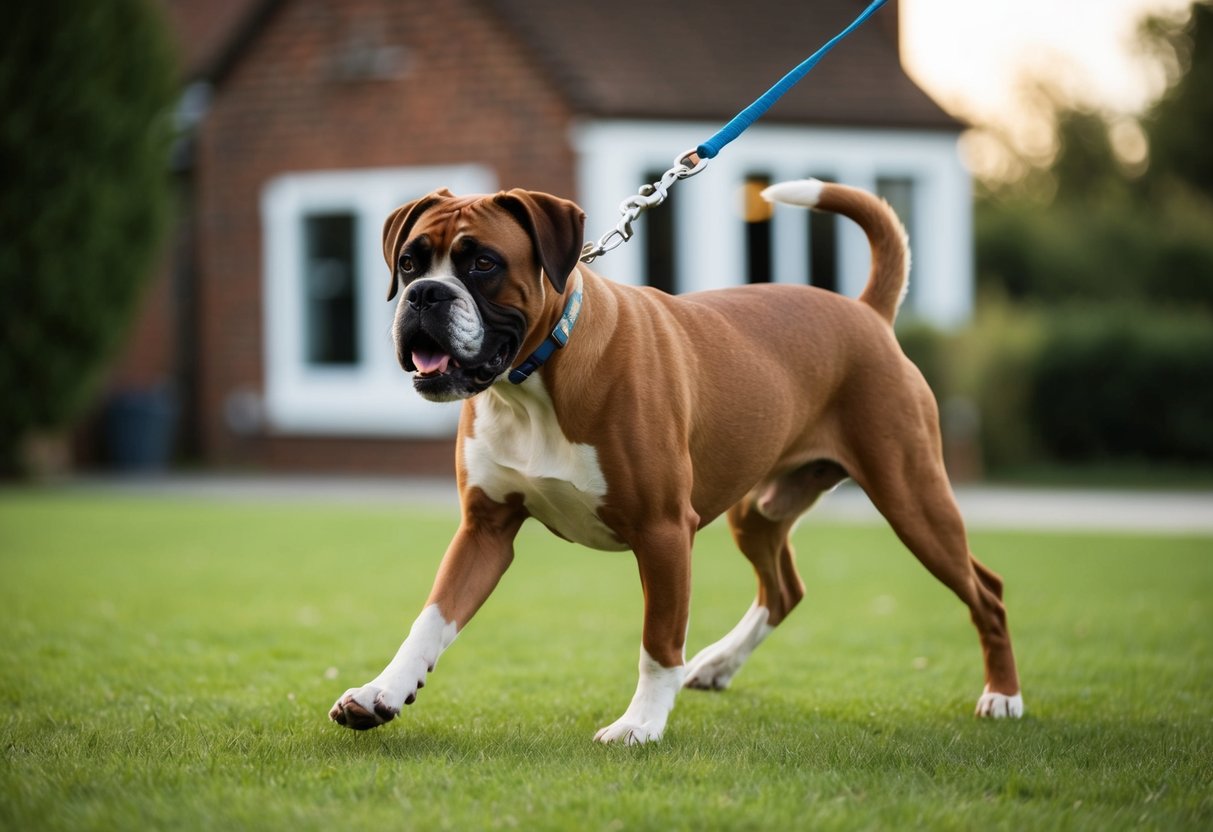
Training your Boxer dog effectively can help prevent bad habits. By focusing on early training and implementing positive reinforcement, you set a foundation for obedience and discipline.
Importance of Early Training
Starting training early is crucial for Boxers. Puppies are like sponges, soaking up everything around them. This means the earlier you begin, the better.
Engaging in consistent training sessions helps establish rules. It’s essential to cover basic commands like “sit” and “stay.” This builds your dog’s confidence and teaches them to follow directions.
Socialization is another key element during this time. Introduce your puppy to different people, pets, and environments. This helps reduce potential aggression and promotes well-rounded behavior.
Keep these training sessions short and fun. Use positive reinforcement—like treats and praise—to motivate your Boxer. This will ensure they enjoy learning and are eager to please.
Obedience and Discipline
As your Boxer matures, focusing on obedience and discipline becomes vital. Regular practice reinforces good behavior and strengthens your bond.
Incorporate obedience training techniques like using a firm but friendly voice. Set clear expectations for your dog to follow. This clarity helps them understand what you want.
Discipline should be balanced with love. If your Boxer shows aggressive tendencies, redirect that energy into training exercises. This provides an outlet while teaching them appropriate behavior.
Always reward good actions immediately after they happen. This helps your dog connect their behavior with the positive outcome. Using a mix of structure and affection ensures your Boxer grows up to be a well-behaved companion.
Managing High Energy and Destructive Behaviors

Boxer dogs are known for their boundless energy and playful spirits. Managing this high energy is crucial to prevent destructive behaviors, such as chewing and issues stemming from separation anxiety. Here are important aspects to consider.
Exercise Needs for Boxer Dogs
Boxers require a significant amount of exercise to stay healthy and happy. Aim for at least 2 hours of physical activity each day. This can include walks, playtime, and even dog sports. Consistent exercise helps channel their energy into positive actions, keeping them engaged and less likely to act out.
Without enough exercise, your Boxer may chew furniture or bark excessively. Incorporate fetch games and obstacle courses to mix things up. Engage them with toys that stimulate their minds, ensuring you address both mental and physical needs.
Coping with Chewing and Separation Anxiety
Boxers often chew out of boredom or anxiety. Providing a variety of chew toys can help satisfy their urge to chew. Look for durable toys made for strong jaws, which are perfect for Boxers.
If your dog shows signs of separation anxiety, consider training techniques to help them feel more at ease. Gradually get them used to being alone. Start with short departures, and praise them when they stay calm. Using a crate can provide a safe space during these times. Additionally, try leaving a comforting item, like an old shirt, to help soothe them in your absence.


