
Losing a Boxer can be incredibly painful, especially when it happens suddenly and without warning. You might find yourself asking, “Why did my Boxer dog die suddenly?” Many factors can contribute to unexpected death in dogs, including heart conditions, accidents, or even hidden illnesses that you may not have noticed. Understanding these possible causes can help you process your grief and find ways to prevent similar situations in the future.

Boxers are known for their energy and playful nature, which can sometimes mask health problems. Some signs may go unnoticed until it’s too late. It’s crucial to stay aware of any changes in behavior or health. This knowledge can be a vital part of caring for your furry friend and ensuring they stay healthy and happy.
The loss of a pet is heart-wrenching, and it’s natural to seek answers during such a difficult time. By learning about the common causes of sudden death in Boxers, you can better appreciate the love you shared and take steps to honor their memory.
Understanding Sudden Death in Boxer Dogs

Sudden death in Boxer dogs can be shocking and heartbreaking for pet owners. Several health issues and genetic factors can contribute to these unexpected losses, so it’s essential to be aware of them.
Common Health Issues Leading to Sudden Death
Boxer dogs are prone to several serious health issues that can lead to sudden death. Cardiomyopathy is one of the most critical concerns, particularly dilated cardiomyopathy. This condition weakens the heart muscle, leading to irregular heartbeats and potential heart failure.
Aortic stenosis is another condition affecting Boxers. It narrows the aorta, making it harder for the heart to pump blood. This can lead to fainting, exercise intolerance, or sudden cardiac events.
Hemangiosarcoma, a type of cancer, often goes unnoticed until it becomes severe. This cancer can cause internal bleeding, which may result in sudden death.
Other issues, like respiratory disease and gastrointestinal disease, can also play roles. Recognizing these symptoms early can be key to prevention.
The Role of Genetics and Breed-Specific Vulnerabilities
Genetics significantly affect health in Boxer dogs. Certain genetic predispositions make them vulnerable to specific diseases. For example, arrhythmogenic right ventricular cardiomyopathy (ARVC) is a hereditary condition documented in Boxers that can lead to sudden death.
Having a family history of sudden death can help veterinarians understand risks for your dog. Regular check-ups can track health changes over time.
It’s crucial to consider how inherited traits can affect your Boxer. Understanding these risks can lead you to better care choices for your furry friend. Always consult your vet if you notice unusual behaviors or symptoms in your dog.
Recognizing the Signs and Symptoms

Knowing the signs and symptoms of a boxer dog in distress can help you act quickly.
Behavioral Changes and Physical Indicators
Keep an eye on behavioral changes in your boxer, as they can signal health problems. If your dog becomes unusually lethargic, this may indicate something is wrong. You might notice less enthusiasm for play or walks.
Other signs include decreased appetite or refusal to eat. When dogs stop eating, it can point to various issues, including heart problems.
Physical indicators such as coughing or difficulty breathing should not be ignored. These could suggest heart issues or other internal problems. Sudden changes in behavior or physical condition often signal that a vet visit is necessary. It’s always best to be cautious.
When to Seek Immediate Veterinary Attention
If you observe any severe changes in your boxer’s condition, act quickly. Signs that require immediate attention include persistent lethargy, difficulty breathing, or a sudden collapse. If your dog appears to be in pain or has uncontrolled coughing, these are also emergencies.
In cases of rapid heart rate or fainting, rushing to the vet can be crucial. The sooner you seek help, the better the chances for recovery. Remember, your observations can make a big difference in your dog’s health outcome. Trust your instincts and don’t hesitate to contact your veterinarian.
The Diagnostic and Post-Mortem Process

When a beloved boxer dog dies suddenly, it’s normal to seek answers. Understanding what happened can bring you closure. The diagnostic and post-mortem process, including the roles of a necropsy and diagnostic laboratories, can provide insights into your dog’s health and well-being.
Benefits of an Autopsy or Necropsy
An autopsy, known as a necropsy in animals, helps uncover the cause of death. Through this examination, a vet can identify diseases or conditions that may have gone unnoticed. This can be especially helpful if your dog seemed healthy before passing.
By knowing the cause, you can avoid potential health risks for other pets. Also, understanding the exact reason for your dog’s sudden death can ease emotional distress. It transforms uncertainty into knowledge, allowing you to make informed decisions in the future.
How Diagnostic Laboratories Contribute to Closure
Diagnostic laboratories play a vital role in analyzing samples from necropsies. They help vets understand complex health issues more clearly.
When a veterinarian conducts a necropsy, they may send tissues or fluids to a diagnostic lab for further examination.
These laboratories use advanced technology to identify pathological changes. Test results can reveal underlying conditions that led to your dog’s abrupt passing. This information not only aids your vet but also provides relief by answering questions you might have about your dog’s health.
By receiving a thorough report, you gain clarity and support during a tough time. This knowledge fosters a sense of closure, allowing you to cherish the memories you had with your boxer.
Coping with the Loss and Honoring Your Pet
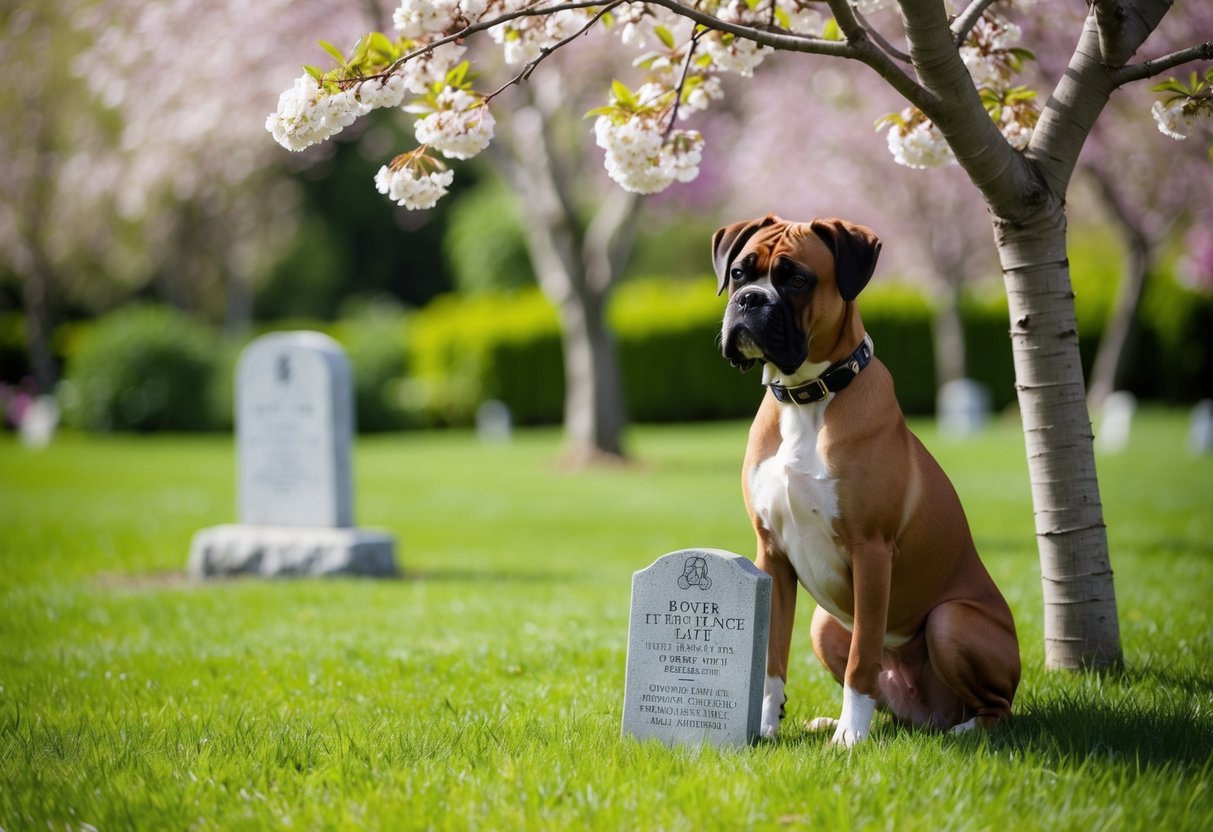
Losing your boxer dog can be heart-wrenching. It’s essential to find ways to cope with this loss and honor the special moments you shared. Understanding your journey through grief and creating lasting memories can help you heal and celebrate your dog’s life.
The Journey Through Grief and Support Options
Grief is a personal journey that can feel overwhelming. Everyone experiences it differently. You may feel sadness, anger, or confusion after losing your pet.
Reaching out for support can help. Consider joining pet loss support groups. These communities allow you to share your feelings with others who truly understand this pain.
You can also seek advice through pet loss books that offer helpful strategies for coping.
Don’t hesitate to talk to friends or family members about your loss. Sometimes, just sharing your thoughts can lighten the burden. Remember to give yourself time and be patient with your healing process.
Creating a Memory: From Puppy Training to Rainbow Bridge
Creating memories is a meaningful way to honor your boxer. Start by looking through photos from your puppy training days. Remember those joyful moments when you brought them home for the first time. These memories can bring smiles even through the sadness.
Consider making a special memory box. You can include your dog’s favorite toys, a collar, or a written note expressing your love. This will serve as a comforting reminder of the joy they brought into your life.
You might also find solace in the concept of the Rainbow Bridge. This idea comforts many pet owners, symbolizing a peaceful place where pets wait for their owners. Reflecting on this can help you feel connected to your beloved boxer even after they’re gone.


