
As a new puppy owner, you may find yourself wondering about the growth stages of your Boxer. Boxers typically reach their full size and weight between 18 to 24 months of age. This means your energetic Boxer puppy will undergo many changes in the first couple of years, so it’s important to keep track of their growth milestones.
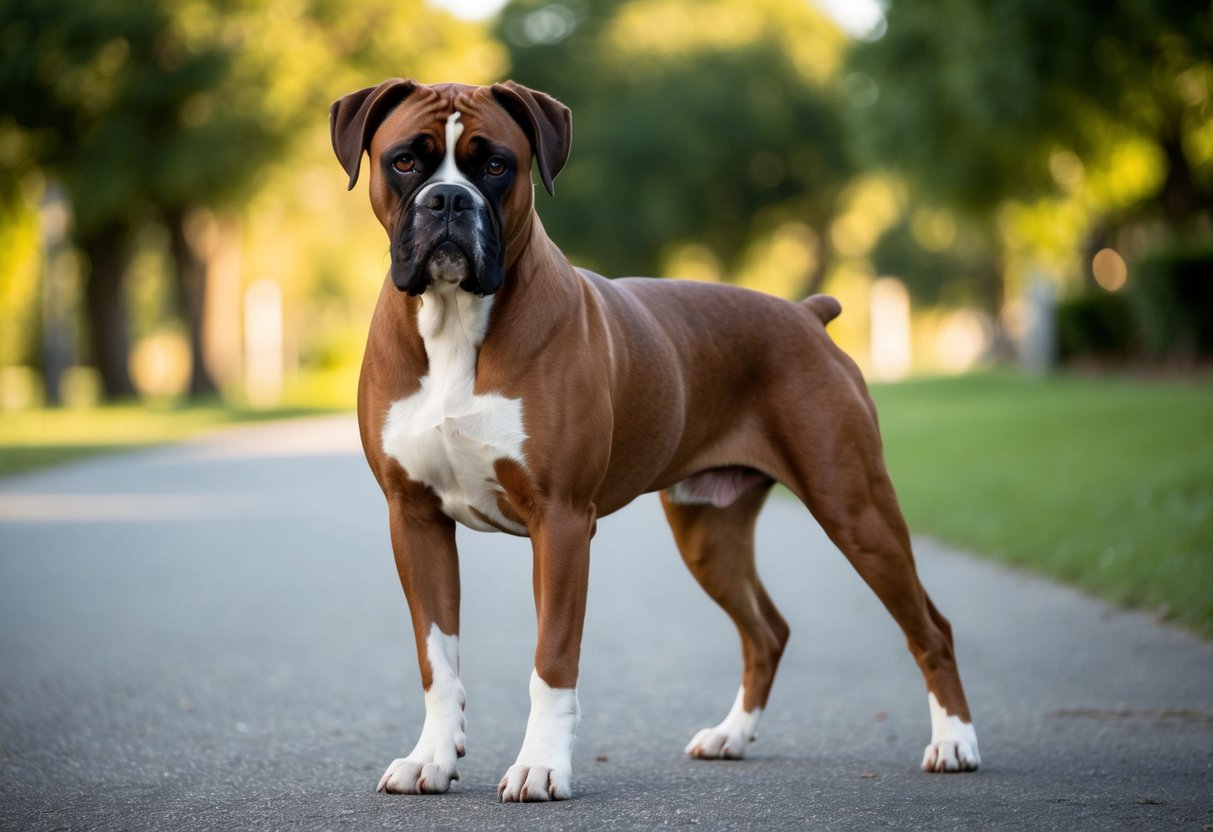
From the puppy stage to adulthood, Boxers are known for their playful personalities and unique looks. Watching them grow can be an exciting journey, but knowing when they are fully grown can help you plan their training and care appropriately. Understanding their growth schedule also allows you to provide the right nutrition and exercise to keep your Boxer healthy and happy.
Stay tuned as we explore the growth patterns of Boxers, what to expect at different ages, and tips for ensuring your puppy thrives during this critical time.
Understanding Boxer Growth Stages

Boxers go through distinct growth stages from puppyhood to maturity. Understanding these stages can help you care for your Boxer effectively as they grow.
Puppyhood and Adolescence
During the first few months, your Boxer puppy will experience rapid growth. At around 8 weeks, they typically weigh between 10 to 15 pounds and stand about 12 to 15 inches tall. This is a crucial time for puppy development.
At 6 months, you will notice increased energy and curiosity. Your puppy’s weight can reach 30 to 50 pounds, so it’s important to provide proper training and socialization.
By 1 year, your Boxer may look like an adult, weighing between 45 to 60 pounds. However, they are still mentally developing and require guidance. This stage lasts until they are around 18 months old.
Reaching Maturity
By 18 to 24 months, your Boxer is nearing full maturity. Male Boxers usually reach 23 to 25 inches in height and weigh 60 to 70 pounds. Females are slightly smaller, standing 21.5 to 23.5 inches and weighing 55 to 65 pounds.
Your Boxer will be physically full-grown, but their behavior might still show youthful energy. Expect some stubbornness and playfulness even into their second year.
Monitoring your Boxer’s growth with a growth chart can help you keep track of their development. This understanding is essential for a healthy lifestyle.
Physical Characteristics of Adult Boxers

As your Boxer matures, understanding their physical traits is key to ensuring they remain healthy and happy. Adult Boxers have distinctive characteristics that set them apart as a medium-sized dog breed. Here’s what to expect as they reach adulthood.
Expected Size and Weight
A male Boxer typically stands between 23 and 25 inches tall and weighs between 60 and 70 pounds. Female Boxers are slightly smaller, standing 21.5 to 23.5 inches tall and weighing 50 to 65 pounds.
As they grow, they may be classified as large dogs when they exceed these ranges. It is crucial to monitor their growth, especially since they do not fully mature until about 18 to 24 months. Your Boxer’s weight can help you determine if they are within a healthy range.
Body Condition Score and Health
The Body Condition Score (BCS) is essential for maintaining your Boxer’s health. This score evaluates their fat and muscle levels, which helps assess if they are at a healthy weight. A normal BCS ranges from 4 to 5 on a scale of 9.
You should be able to feel your Boxer’s ribs without excess fat covering. Regular visits to the vet will help ensure that your Boxer stays fit and healthy. Maintaining a balanced diet and exercise routine keeps their weight in check and supports overall health. Keeping an eye on these indicators can help you address any potential health issues early.
Factors Influencing Boxer Growth
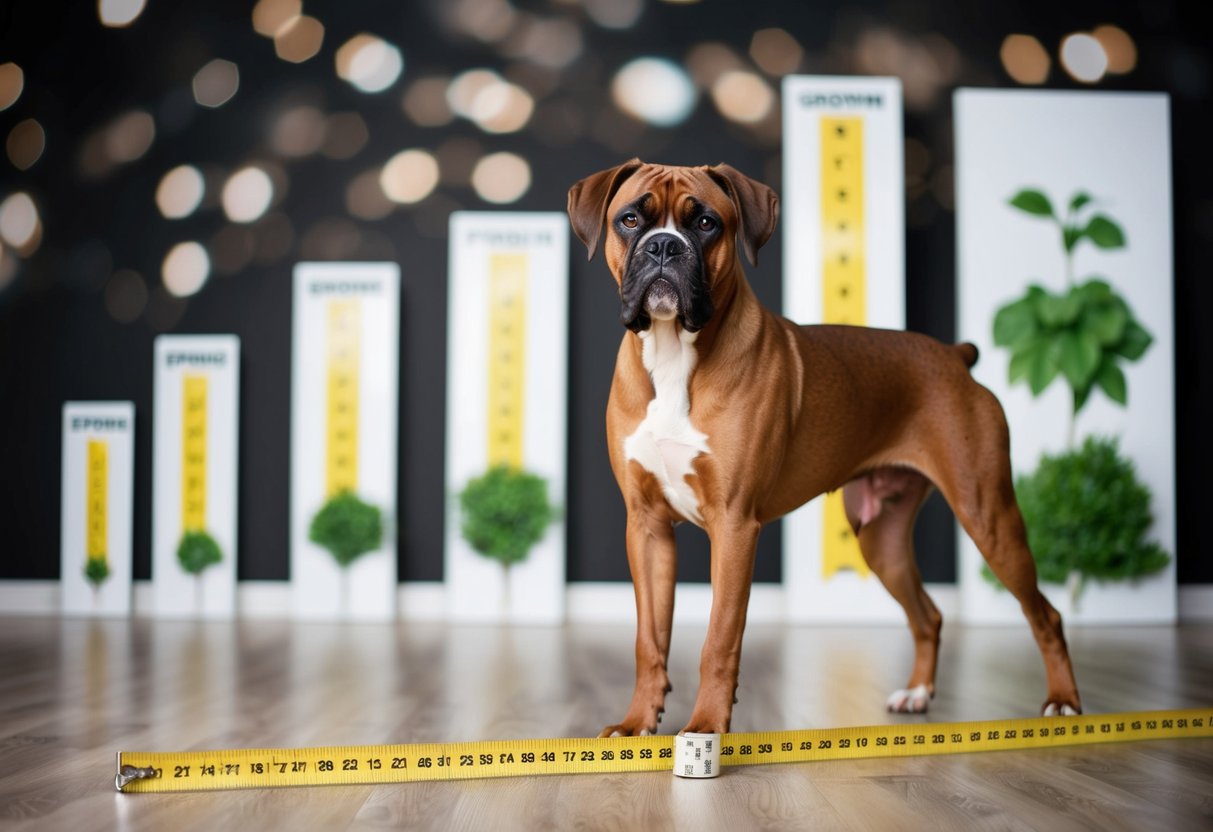
Boxer growth can vary based on several key aspects. Understanding these factors helps you support your puppy’s development. Focus on genetics and breed standards, as well as nutrition and exercise.
Genetics and Breed Standard
Your Boxer’s genetics play a significant role in how large they will grow. Purebred Boxers typically meet specific height and weight standards established by organizations like the AKC. An adult male usually stands between 23-25 inches tall, weighing 60-70 pounds, while females are about 21.5-23.5 inches tall and weigh 55-65 pounds.
Genetics can also influence certain health risks, such as brachycephalic syndrome, which can affect breathing. Always consider your dog’s lineage when estimating their growth. Consult the Boxer puppy growth chart for more insights on their expected size at various ages.
Nutrition and Exercise
The right diet is crucial for your Boxer’s growth. A balanced Boxer diet should include high-quality dog food that meets their age and energy needs. Puppies require more calories than adults, so adjust portion sizes accordingly.
Exercise is just as important. Regular activity helps build strong muscles and bones. Along with basic commands, playtime and training sessions can be great ways to keep your Boxer active. Make sure to provide a mix of physical and mental challenges to aid in their growth and development.
Caring for a Fully Grown Boxer
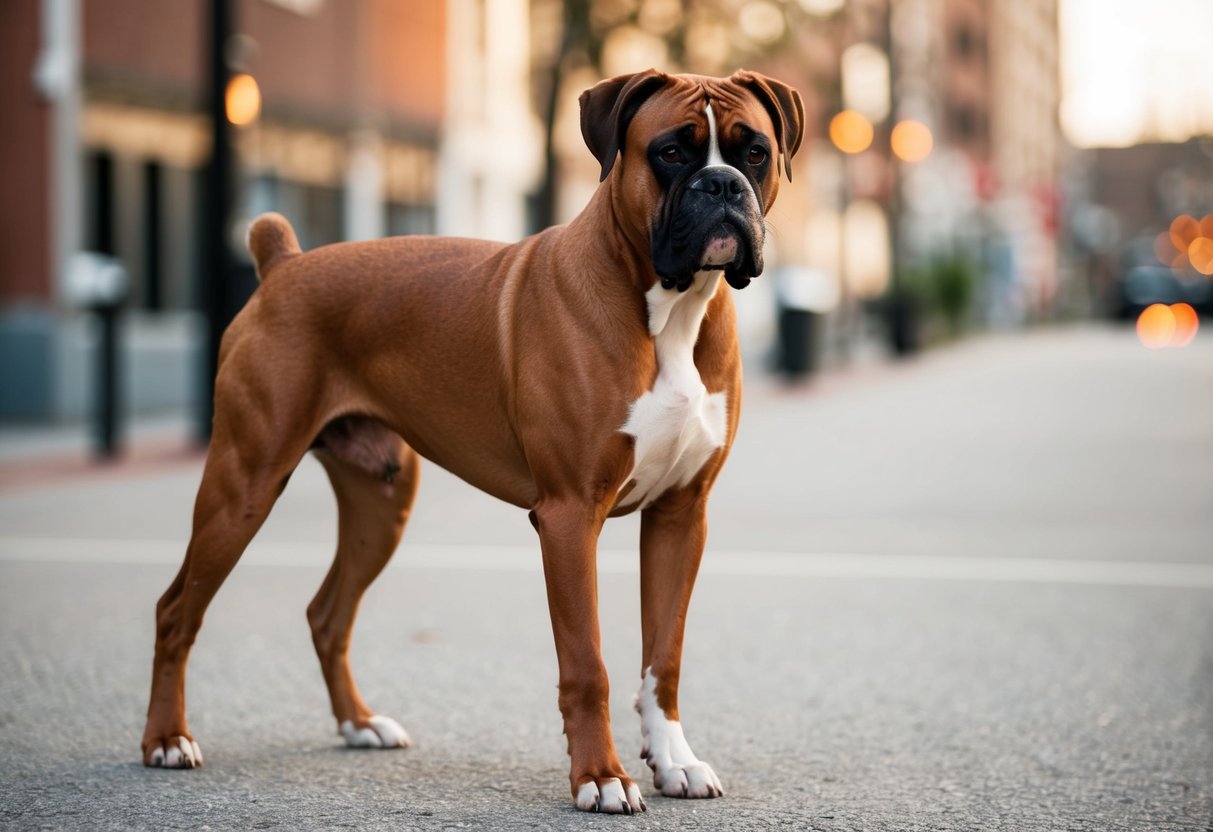
Caring for your fully grown Boxer involves consistent training and monitoring their health. As a responsible owner, you’ll want to ensure your dog stays well-trained, happy, and healthy.
Training and Socialization
Training is essential for your Boxer, especially as they reach full size between 18 to 24 months. Consistent training helps manage their strong, energetic nature. Start with basic commands like sit, stay, and come. Use positive reinforcement techniques such as treats and praise.
Regular socialization is equally important. Expose your Boxer to various environments, people, and other dogs. This helps develop their confidence and reduces the likelihood of behavioral issues. Consider enrolling in obedience classes or group training sessions to enhance their social skills.
Remember, Boxers can be stubborn, so patience and consistency are key. Daily exercise is also crucial. A tired Boxer is a happy Boxer. Aim for at least an hour of activity each day, combining walks, playtime, and training exercises.
Health Maintenance and Insurance
Maintaining your Boxer’s health includes regular vet visits and monitoring their body condition. Keep track of their weight. Adult male Boxers typically weigh between 60-70 pounds, while females weigh about 55-65 pounds. Adjust their diet if they gain or lose weight.
Proper dental care is also important. Regular brushing helps prevent dental issues. Keep an eye on their ears and coat, as Boxers can be prone to skin problems.
Knowing your Boxer’s specific health needs is vital. Consider investing in pet insurance to cover unexpected vet bills.
Choose a plan that includes coverage for common Boxer ailments, like hip dysplasia or heart conditions. This can save you money and stress in the long run.
Keeping your Boxer healthy increases their chances of a long, happy life with you.


