
If you’re considering adding a Boxer dog to your family, you might wonder about their protective nature. Boxers are known for their loyalty and courage, making them excellent protectors for their families. With their strong instincts and affectionate demeanor, they not only love to be around you but also have a knack for keeping you safe.

These dogs form deep bonds with their owners and are particularly patient with children. This combination of loyalty and protectiveness means that your Boxer is always ready to alert you to any potential threats. Whether you’re at home or out for a walk, a Boxer can be a reliable companion who watches over you and your loved ones.
In addition to being protective, Boxers are also playful and great family pets. Their energetic nature ensures that they provide love and companionship, while also being vigilant guardians. If you’re looking for a dog that balances affection with a strong protective instinct, a Boxer might just be the right choice for you.
Understanding the Boxer Breed

Boxers are a unique dog breed known for their lively nature and strong protective instincts. Their temperament, physical attributes, and intelligence make them great companions. Let’s explore these key aspects in detail.
Temperament and Personality
Boxers are known for their friendly and affectionate nature. They typically form strong bonds with their families, making them great companions for both adults and children. Boxers are also playful and energetic, often requiring plenty of exercise and stimulation.
While they are generally good-natured, Boxers can be a bit stubborn. This means they may not always be the easiest to train. With consistent and positive reinforcement, you can help your Boxer thrive. They also have a natural protective instinct, which makes them excellent watchdogs, alerting you to any potential dangers.
Physical Characteristics
The Boxer breed is easily recognizable due to its strong and muscular build. They usually weigh between 50 to 80 pounds and stand about 21 to 25 inches tall. Their short coat comes in various colors, including fawn and brindle, often with a white marking.
Boxers have a square jaw and a broad head, giving them a confident appearance. Their ears are often cropped, although this is less common today. Their high energy level means they need regular exercise to stay healthy and happy.
Intelligence and Training
Boxers are highly intelligent, which means they learn quickly but may also test your patience. They can understand up to 165 words, making them capable of following commands when properly trained. Engaging them in mental activities can help keep them sharp.
Training a Boxer can be challenging due to their slight stubbornness. Positive reinforcement techniques, such as treats or praise, work best. Consistency is key. Consider joining a training class to help socialize your Boxer and reinforce good behavior.
Protective Instincts of Boxers
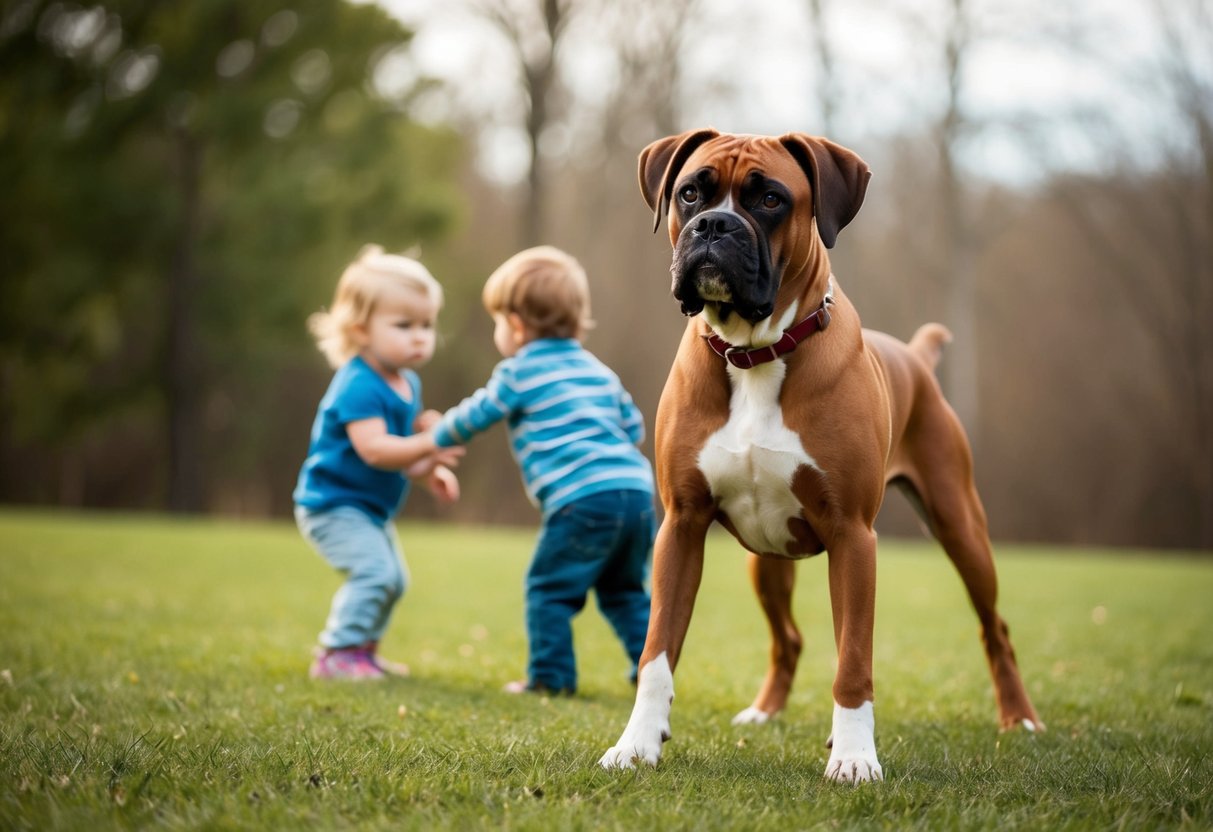
Boxers are known for their strong protective instincts and loyalty to their families. They exhibit behaviors that make them excellent guardians and watchdogs. Understanding these traits can help you appreciate the unique qualities of this breed.
Natural Guardians
Boxers have a natural protective instinct that makes them great guard dogs. Their history as working dogs contributes to this trait. You’ll find that they form strong bonds with their families, which enhances their protective behaviors.
They are particularly courageous when it comes to defending their loved ones. A Boxer will often stand their ground against perceived threats. Their instinct is to protect children and the entire family unit, making them reliable companions.
Many owners report that Boxers are also good at assessing situations. They often sense when something is not right, leading them to take action if needed. This combination of loyalty and courage makes them natural guardians.
Alertness and Responsiveness to Threats
Boxers are known for their alertness. They are attentive to their surroundings and can quickly notice changes in their environment. When they detect a potential threat, you may see their ears perk up and their body tense.
Their responsiveness to threats is a vital aspect of home security. Boxers are not just fearless; they also know when to bark to alert you. This behavior can deter intruders before any action is needed.
With proper training, Boxers can learn to differentiate between normal activities and genuine threats. This ensures they don’t react unnecessarily, keeping your home peaceful and secure. Their combination of alertness and protectiveness truly sets Boxers apart as exceptional guardians.
Socialization and Training

Socialization and training are key to helping your Boxer become a well-mannered protector and companion for your family. Proper socialization and effective training methods create a strong bond between you and your dog, ensuring they are great with children and other pets.
Importance of Socializing Boxers
Socialization is crucial for Boxers, especially during their early months. Exposing your dog to various people, children, and environments helps them develop confidence and proper behavior.
Boxers that receive proper socialization are less likely to become anxious or aggressive. This will allow them to be friendly towards visitors and other animals.
Make socialization a fun experience by including playdates, puppy classes, or trips to the park. Aim for a variety of settings to help your Boxer adjust to new surroundings. Remember, a well-socialized Boxer is more likely to become a loyal protector of your family.
Effective Training Methods
Training your Boxer using positive reinforcement is the most effective approach. This means rewarding good behavior with treats, praise, or playtime.
Start with basic obedience commands like sit, stay, and come. Regular training sessions not only teach your dog these commands but also strengthen your bond. Keep sessions short and engaging to maintain your dog’s interest.
Consistency is key. Use the same commands and gestures, so your Boxer learns what is expected. You can also incorporate fun tricks to keep training enjoyable. With practice, you will see how trainable Boxers can be, making them excellent family pets that thrive in a loving environment.
Lifestyle Considerations for Boxer Owners

Owning a Boxer means understanding their unique needs for exercise and companionship. These dogs thrive on activity and interaction, which is crucial for their happiness and health. Here are important factors to consider.
Exercise and Stimulation Needs
Boxers are energetic dogs that require daily exercise to stay healthy and happy. A typical Boxer needs about 60 to 90 minutes of exercise each day. This can include activities like walks, playtime, or even running.
Mental stimulation is just as important. You can engage your Boxer with puzzle toys or training sessions. This helps keep their mind sharp. Remember, a busy Boxer is a happy Boxer. Without proper exercise and mental challenges, they may become bored and even destructive.
Living with a Boxer
Living with a Boxer can be a joyful experience. They are known to be good with children, making them great family dogs. Boxers enjoy being part of family life and need plenty of companionship.
Keep in mind that they may drool, especially after drinking water. Regular grooming will help manage any shedding.
Your Boxer will want to be involved in family activities. Make sure your home is safe and spacious enough for their playful nature.
Investing time in training will pay off, leading to a well-behaved, loving companion.


