
If you’re considering adding another dog to your family, you might wonder if your Boxer really needs a canine companion. Boxers don’t necessarily need another dog, but they greatly benefit from having one.
These energetic and playful dogs thrive on social interaction, and having a buddy can make their lives even happier.
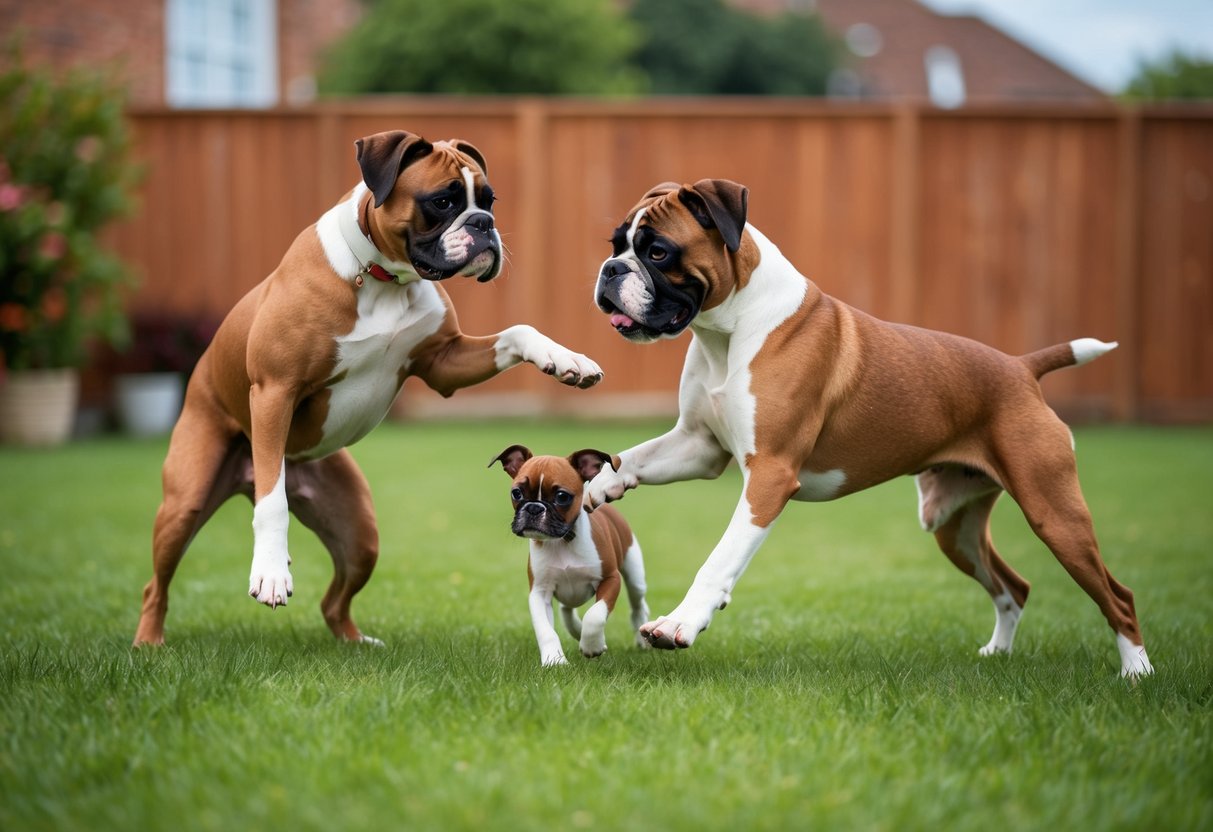
Boxers are known for their friendly nature and high energy levels. When they have a companion, they can engage in play and exercise together, which helps keep them mentally and physically stimulated.
Plus, socializing with another dog can help your Boxer develop good behavior and manners.
While having another dog can enhance your Boxer’s life, it’s also important to consider your own lifestyle. If you have the time and energy to care for two dogs, the joy and companionship they can share are definitely worth it.
Understanding Boxer Dogs
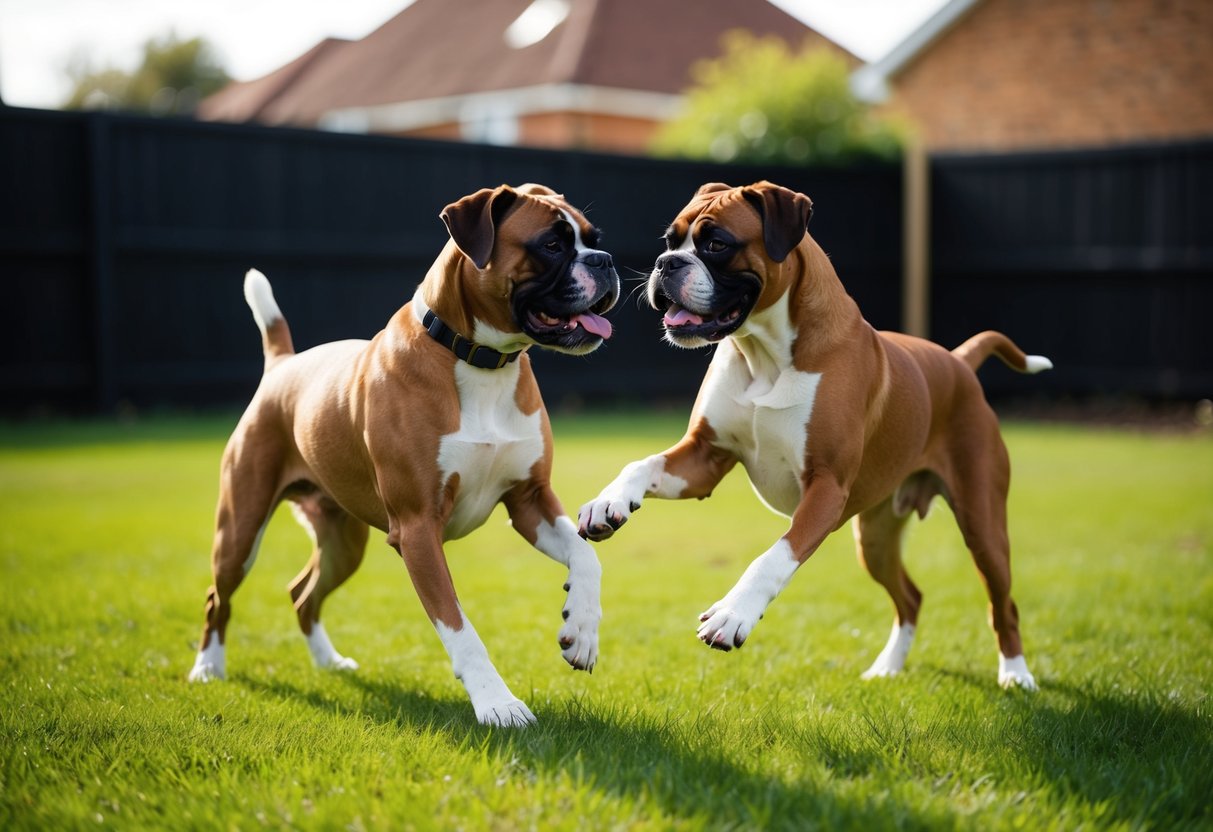
Boxers are known for their playful nature and loyalty. They have unique characteristics that make them wonderful family pets. Understanding these traits and the importance of socialization can help you as a dog owner.
Characteristics of Boxer Dogs
Boxers are medium to large dogs with a strong and athletic build. They usually weigh between 50 to 80 pounds. Their short coat can be brindle or fawn, often with white markings.
Boxers are known for their energy and playful spirit. They require regular exercise to stay healthy and happy. They are intelligent and can learn commands easily, making training fun.
While they are very friendly, Boxers can be protective, making them good guard dogs. They usually get along well with children, forming strong bonds. Just remember, every Boxer has its own personality, so getting to know yours is key.
Importance of Socialization
Socialization is crucial for Boxers. Early exposure to different people and environments helps them develop positive behaviors. When you socialize your Boxer, you reduce the chances of fear or aggression.
Start socializing your Boxer as a puppy. Take them to parks, introduce them to other dogs, and meet various people.
Positive interactions during this time help them become well-rounded pets.
Be patient and use rewards to encourage good behavior. This way, your Boxer learns to navigate the world confidently.
Consistent socialization leads to a happier and more balanced dog.
The Benefits of Having a Second Dog

Adding a second dog to your household can bring joy and a variety of benefits. It enhances social skills and provides more opportunities for exercise and playtime activities. You might find that your dogs become great companions for each other, creating a lively environment full of positive interactions.
Enhancing Social Skills
Having two dogs encourages better socialization skills. Your dogs will learn to communicate and play with each other. This interaction is crucial for their development.
When dogs play together, they often learn important social cues. They can practice behaviors like sharing and learning boundaries. This helps reduce anxiety in both dogs when they meet other animals.
Moreover, socialization leads to mental stimulation. It keeps their minds engaged and can reduce boredom, which often leads to destructive behaviors.
Additional Exercise Opportunities
A second dog can also significantly increase exercise opportunities for both pets. Dogs need regular physical activity to stay healthy and happy.
With a companion, they often motivate each other to be more active.
Engaging in playtime activities like fetch or chase becomes more exciting. They can run around together, making exercise feel less like a chore.
This helps meet their exercise needs and ensures they receive the mental stimulation they crave. A second dog can help establish a routine that keeps both pets physically fit and mentally sharp.
Training and Behavior Management
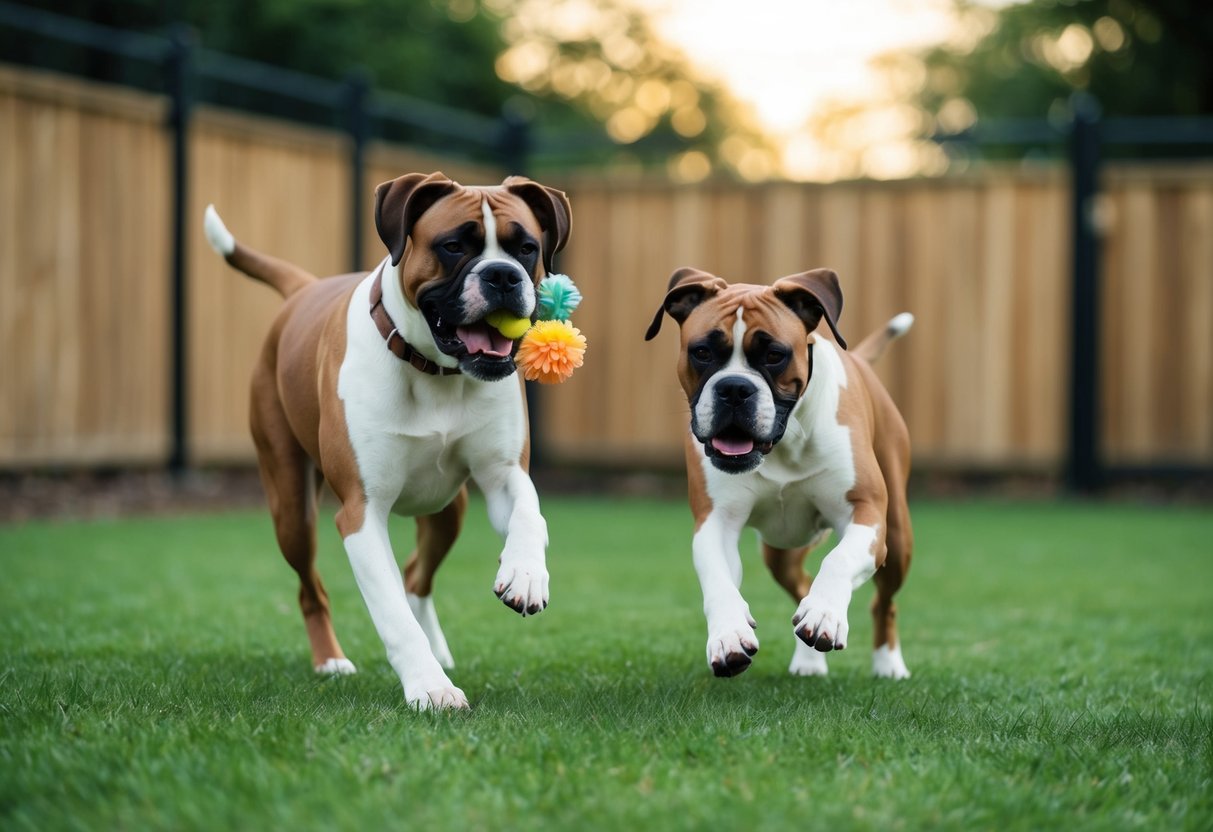
Training your Boxer properly is essential for a happy and well-adjusted dog. With the right techniques, you can help manage their behavior and ensure they get along well with other dogs.
Efficient Training Techniques
Using positive reinforcement is key when training your Boxer. This means rewarding them for good behavior with treats, praise, or playtime.
For example, when your dog demonstrates calm behavior around another dog, give them a treat and a loving word like “Good boy/girl!” This encourages them to repeat that behavior.
Start with basic commands such as sit, stay, and come. Use short training sessions to keep their attention.
Gradually add distractions, like other dogs, as they learn. Supervision during these sessions is important to ensure safe interactions.
Pay attention to your dog’s body language for signs of stress or discomfort.
Handling Resource Guarding
Boxers often struggle with resource guarding. This behavior occurs when they feel the need to protect their food or toys from other dogs.
To address this, start with controlled introductions to new dogs. Teach your Boxer about resource sharing in a calm environment.
Use positive reinforcement when your dog shows friendly behavior around others, especially near their belongings. If a conflict arises, stay calm and intervene gently.
It’s vital to monitor their interactions closely. Watch their body language. If they seem tense or anxious, take a break and try again later.
By managing their environment and behaviors, you can help your Boxer feel more secure and friendly.


