
Boxer dogs are known for their playful spirit and strong loyalty, making them cherished family pets. However, they are prone to several health problems that every owner should be aware of.
Common issues include heart conditions like Boxer Cardiomyopathy, hip dysplasia, and certain skin conditions, among others.

Early detection of these health problems is crucial for your dog’s well-being. Regular veterinary check-ups help in identifying any potential issues before they become serious.
By staying informed about the common health issues in Boxers, you can take proactive steps to ensure a long and healthy life for your furry friend.
Common Cardiac Issues in Boxers
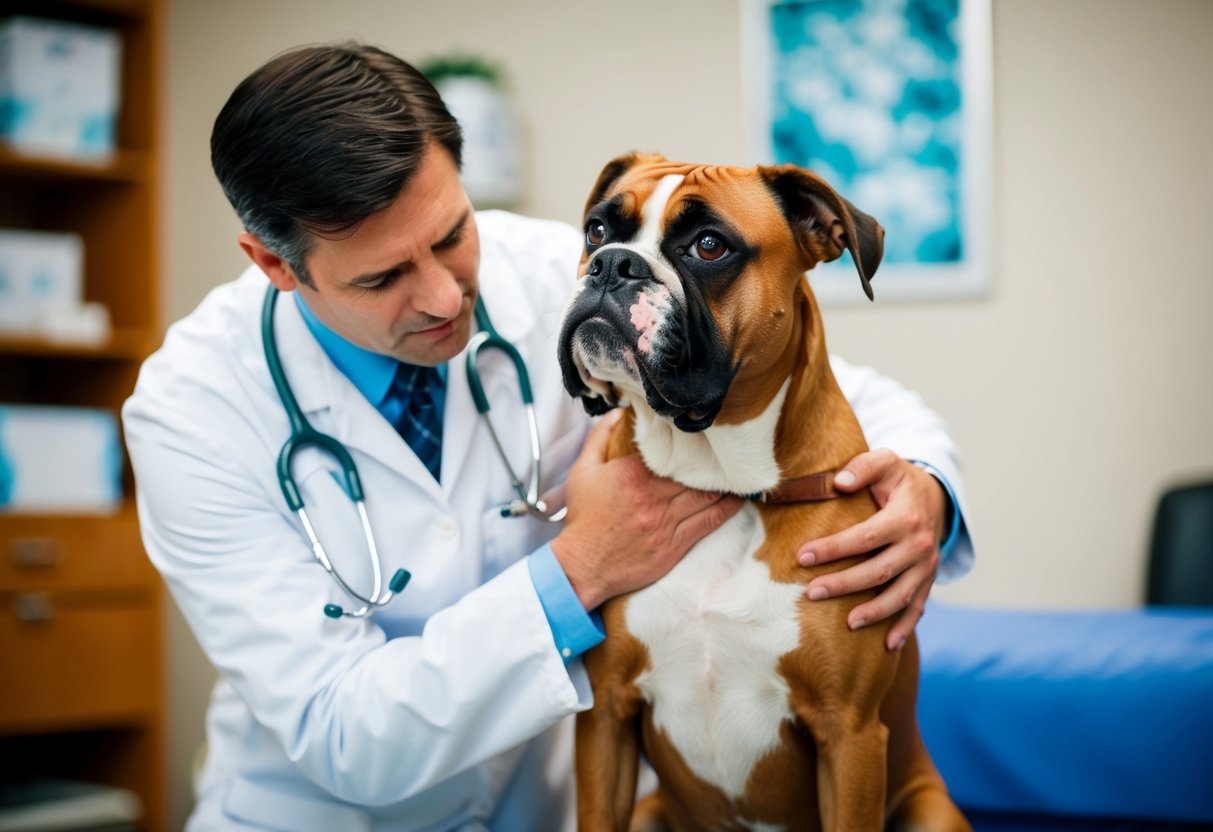
Boxers are known for their playful and energetic personalities, but they face specific heart problems that you should be aware of. Understanding these conditions can help you spot early signs and manage your dog’s health better.
Understanding Cardiomyopathy
Boxers are particularly prone to a condition known as Cardiomyopathy. This term describes diseases of the heart muscle that limit its ability to pump blood.
One common form is Arrhythmogenic Right Ventricular Cardiomyopathy (ARVC). Symptoms may not be obvious at first. You might notice your dog being more tired than usual or having trouble breathing after exercise.
Regular veterinary check-ups are crucial for early detection. A simple heart exam can reveal issues before they become severe.
Boxer Cardiomyopathy can be hereditary, so recognizing symptoms early is vital. Keep an eye out for signs like coughing, fainting, or unusual lethargy. If you notice any of these, consult your vet right away.
Managing Aortic Stenosis
Another heart condition to consider is Aortic Stenosis. This is a narrowing of the aortic valve, which means your dog’s heart must work harder to pump blood. It can lead to serious problems if not monitored.
Symptoms often appear in puppies, and they may include difficulty breathing or exercise intolerance. Subaortic Stenosis is a related issue that affects Boxers, causing similar symptoms.
To manage Aortic Stenosis, regular veterinary check-ups are essential. Your vet may recommend diagnostic tests, like an echocardiogram, for better insight.
Treatment can vary, ranging from medication to more extensive procedures. Keeping your dog active within safe limits is also important.
Orthopedic and Muscular Challenges

Boxer dogs can face significant orthopedic and muscular challenges. Understanding these issues helps ensure you can take the right steps for your pet’s health.
Hip Dysplasia in Depth
Hip dysplasia is a common condition in Boxers. It occurs when the hip joint doesn’t fit properly into the hip socket. This can lead to pain, arthritis, and mobility issues over time.
Signs of hip dysplasia include difficulty getting up, reluctance to run or jump, and a noticeable limp.
Regular vet check-ups are crucial to detect this early. Your vet may recommend X-rays for a clear diagnosis.
You can manage the condition with weight management and joint supplements. Keeping your dog at a healthy weight reduces stress on their joints.
Consider discussing treatments like physical therapy or pain relief options with your vet.
Confronting Degenerative Myelopathy
Degenerative myelopathy (DM) is a serious neurological disease that affects Boxers. DM slowly causes loss of coordination and muscle control, beginning in the hind legs. It is a progressive condition, which can be distressing for both you and your dog.
Watch for signs such as stumbling, difficulty walking, or dragging back legs.
Early detection through regular vet visits is key to managing the disease. Currently, there is no cure, but there are ways to help your dog.
Supporting your Boxer with physical therapy can improve their quality of life. You might also explore mobility aids, like harnesses or carts, to assist with movement.
Staying informed about DM helps you make the best choices for your furry friend.
Cancer Risks for Boxer Dogs

Boxer dogs are known for their energy and loyalty, but they can be at risk for various types of cancer. Your awareness of these risks and knowing how to spot early signs can make a difference in their health and well-being.
Identifying Common Cancers
Boxers are particularly vulnerable to several cancers. Some of the most common types include:
- Lymphoma: This cancer affects the lymphatic system and can appear as swollen lymph nodes.
- Mast Cell Tumors: These are skin tumors that may look like small bumps or lumps. They can appear on any part of the body.
- Brain Tumors: You might notice behavioral changes or signs like seizures, which can indicate a brain tumor.
- Skin Tumors: These can appear as unusual growths or changes in existing skin spots. Regular skin checks are important.
Being aware of these types can help you spot any issues early.
Strategies for Cancer Prevention
There are several strategies you can implement to help minimize cancer risks for your Boxer. Consider the following:
- Spaying or Neutering: Spaying a female Boxer before her first heat significantly reduces the risk of mammary and ovarian cancers.
- Regular Vet Check-ups: Routine visits to the vet can lead to early detection of issues that may develop.
- Healthy Diet: Providing a balanced diet rich in antioxidants can boost your dog’s immune system.
- Exercise: Keeping your Boxer physically active helps maintain a healthy weight, which can reduce cancer risks.
By following these tips, you can help protect your Boxer’s health while enjoying your time together.
Other Health Concerns for Boxers

Boxers are wonderful companions, but they can face a range of other health concerns. It’s important to be aware of these issues so you can provide the best care for your furry friend.
Skin and Allergies
Boxers can be prone to various skin conditions, including skin allergies and dermatitis. These allergies can manifest as itching, redness, or rashes. Common allergens include pollen, dust mites, and certain food ingredients.
Regular grooming and a balanced diet can help maintain healthy skin.
If you notice excessive scratching or hot spots, consult your veterinarian. They might recommend allergy testing or hypoallergenic diets. Keeping your dog’s skin clean and moisturized can also prevent many skin diseases.
Digestive System Issues
Digestive problems are another concern for Boxers. They can suffer from conditions like bloat, also known as Gastric Dilatation-Volvulus. This serious condition happens when the stomach fills with gas and twists, which can be life-threatening.
Signs include restlessness, a swollen abdomen, and attempts to vomit.
Colitis and histiocytic ulcerative colitis are also common. These conditions can cause diarrhea and discomfort.
To manage these, a balanced diet is crucial. Avoid feeding your Boxer large meals or exercise right after eating to reduce the risk of bloat.
Eye and Ear Health
Your Boxer’s eyes and ears need special attention too. Eye diseases like cataracts, cherry eye, and progressive retinal atrophy can affect their vision.
Regular vet check-ups can catch these issues early.
For ear health, Boxers can be prone to ear infections, often caused by moisture and allergens. Keeping their ears dry and clean is essential.
If you notice any redness or discharge in the ears, consult your vet. Early treatment can prevent more serious complications.
Respiratory Challenges
Due to their brachycephalic features, Boxers can experience breathing issues. This breed is common for having Brachycephalic Obstructive Airway Syndrome (BOAS). Symptoms include noisy breathing, snoring, and exercise intolerance.
Boxers with BOAS should avoid extreme heat and prolonged exercise. These can worsen their breathing difficulties. Regular vet check-ups will help monitor any respiratory problems and ensure your Boxer stays healthy and active.


